
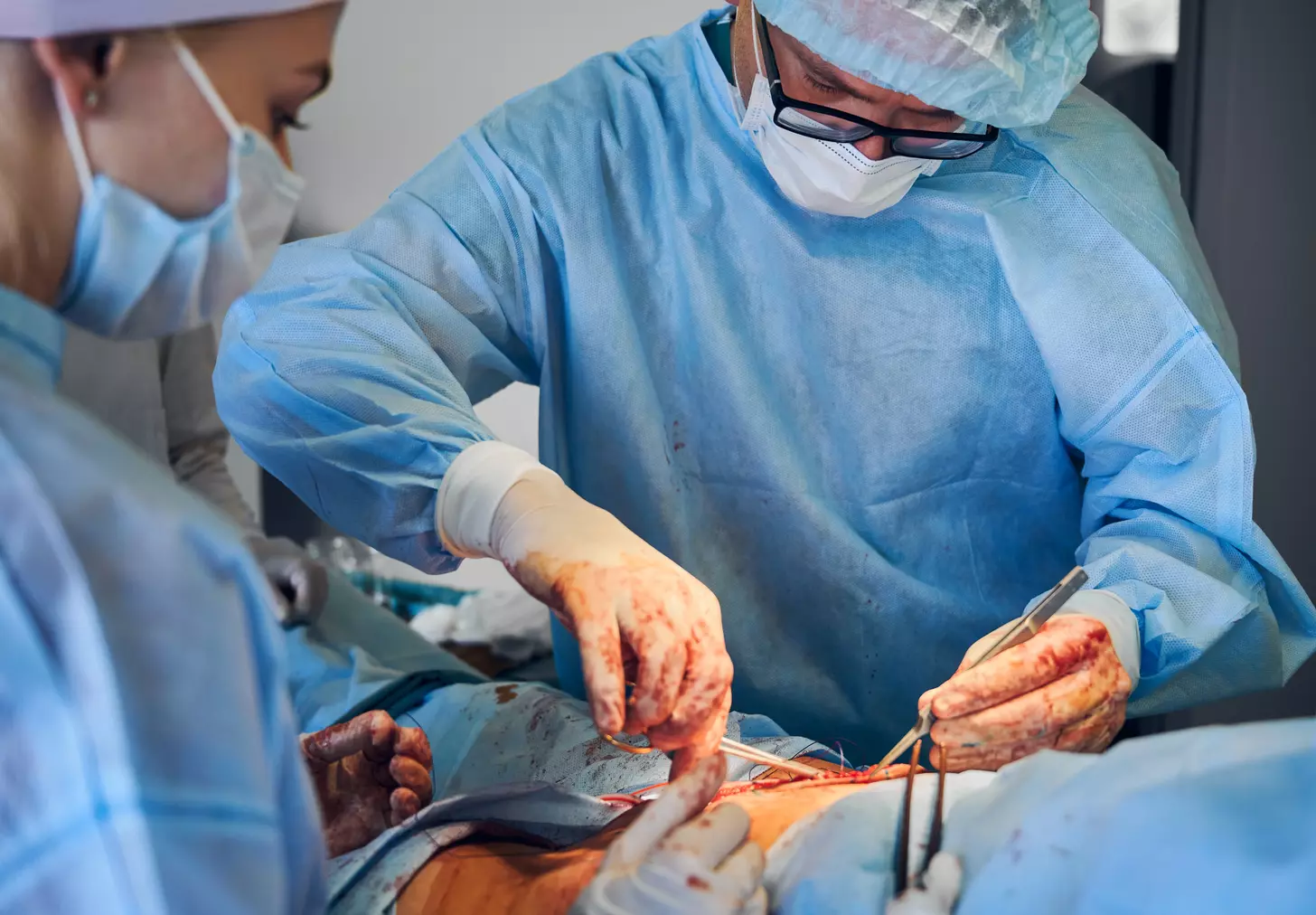
At Liv Hospital, we know how important it is to understand your surgical options. Laparoscopic hysterectomy is a less invasive method. It leads to less scarring and quicker healing. This article will show you the laparoscopic hysterectomy incisions and scars through before and after pictures.
We aim to give you a detailed visual guide of what to expect after the surgery. We’ll go into the surgery details and its results. This will help you make a well-informed choice about your health care.
Key Takeaways
- Understand what to expect from laparoscopic hysterectomy incisions and scars
- Explore before and after pictures
- Learn about the benefits of minimally invasive surgery
- Discover how Liv Hospital can support you through your surgical journey
- Gain insights into the recovery process
Understanding Laparoscopic Hysterectomy: The Minimally Invasive Approach
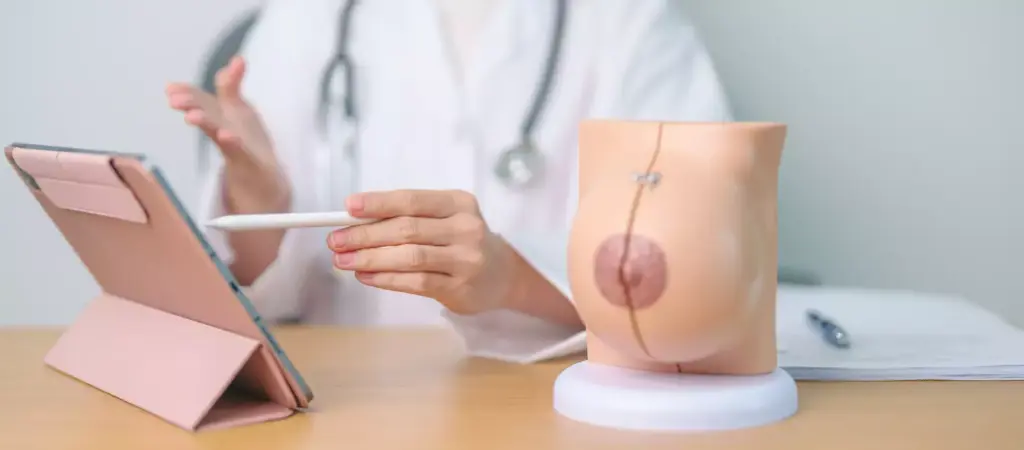
Laparoscopic hysterectomy has changed gynecological surgery for the better. It’s a less invasive method than traditional surgery. This means patients recover faster and have less scarring.
What Is Laparoscopic Hysterectomy?
Laparoscopic hysterectomy removes the uterus through small cuts in the belly. A thin, lighted tube with a camera, called a laparoscope, helps the surgeon see inside. The surgery is done under general anesthesia to keep the patient comfortable.
Small incisions are made for the laparoscope and special tools. The uterus is then removed through one of these small cuts. This method causes less damage and helps the body heal faster.
Benefits of Laparoscopic Hysterectomy
Laparoscopic hysterectomy offers many benefits. It’s a great choice for those needing a hysterectomy. Here are some of the main advantages:
- Reduced Scarring: Smaller cuts mean less noticeable scars.
- Faster Recovery: This surgery leads to shorter hospital stays and quicker recovery times.
- Less Postoperative Pain: The smaller cuts cause less pain after surgery.
- Lower Risk of Complications: It has fewer risks of infection and other problems compared to open surgery.
| Benefit | Description |
|---|---|
| Reduced Scarring | Smaller incisions result in less noticeable scars. |
| Faster Recovery | Patients can return to their normal activities sooner. |
| Less Postoperative Pain | Reduced tissue trauma leads to less pain after surgery. |
Understanding laparoscopic hysterectomy helps patients make better choices. This method has greatly improved gynecological surgery. It offers better results and more comfort for patients.
Laparoscopic Hysterectomy Incisions: Location and Appearance
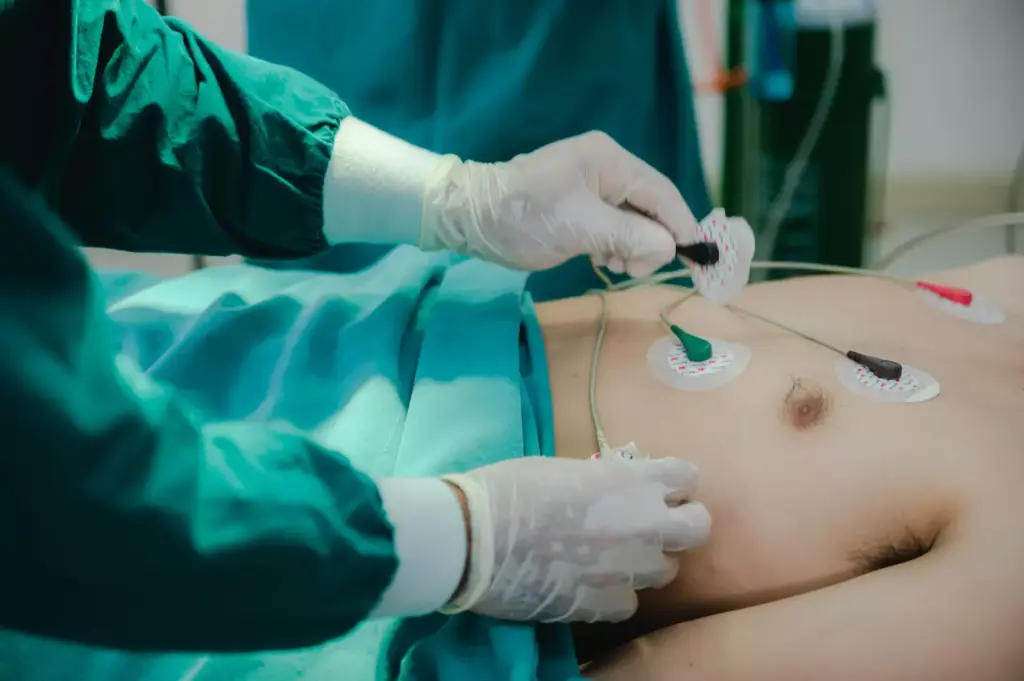
Patients often ask about the incisions made during laparoscopic hysterectomy. Knowing about these can ease worries and prepare them for what’s ahead.
Standard Incision Locations
Laparoscopic hysterectomy involves small incisions in the abdomen. These are placed to be less visible and aid in healing. The usual spots include:
- Umbilical Incision: The main incision is often near the belly button. It’s for the laparoscope, a thin tube with a camera.
- Lower Abdominal Incisions: More small cuts are made in the lower belly. These are for surgical tools.
The exact spots can change based on the surgeon and the patient’s body.
Appearance of Laparoscopic Hysterectomy Scars
Scars from laparoscopic hysterectomy look different for everyone. They are usually small and fade with time.
Here are some things to know about these scars:
- Initial Appearance: At first, scars might look red or pink and stand out a bit.
- Healing Process: As healing happens, scars will start to fade and get flatter.
- Final Appearance: Later, scars will be less obvious, but everyone’s experience is different.
Understanding where and how laparoscopic hysterectomy scars look can help patients get ready for the surgery and recovery.
Comparing Laparoscopic Hysterectomy Scars to Traditional Open Surgery Scars
When thinking about hysterectomy, the scars that come with it are very important. We look at the differences between laparoscopic hysterectomy and traditional open surgery scars.
Laparoscopic hysterectomy uses small incisions, about 0.5-1 cm. This means less damage to the tissue and smaller scars. On the other hand, traditional open surgery has a bigger incision, 10-15 cm. This results in a more visible scar.
| Characteristics | Laparoscopic Hysterectomy | Traditional Open Surgery |
|---|---|---|
| Incision Size | 0.5-1 cm | 10-15 cm |
| Number of Incisions | 3-4 | 1 |
| Scar Visibility | Less noticeable | More noticeable |
| Recovery Time | Shorter | Longer |
The comparison shows the benefits of laparoscopic hysterectomy for scarring. With smaller cuts and less visible scars, it’s a favorite among those worried about how they’ll look after surgery.
The Healing Process: What to Expect After Laparoscopic Hysterectomy
Knowing what to expect after a laparoscopic hysterectomy can make you feel less anxious. The recovery has different stages, each with its own challenges and milestones.
Immediate Post-Surgery Appearance (Days 1-7)
Right after surgery, you might feel some pain, swelling, and bruising at the incision sites. This is all part of healing. The incisions are usually small, about 0.5 to 1 cm, and are closed with sutures or staples that dissolve or are removed later.
In the first week, you might feel some pain. Your doctor will give you pain meds to help. Rest and avoid hard activities to help your body heal.
Early Healing Phase (Weeks 2-4)
By the second to fourth week, you’ll likely see things getting better. The swelling and bruising will start to go down, and the cuts will begin to heal. It’s important to follow your doctor’s advice on wound care and watch for any signs of infection, like redness, more pain, or discharge.
| Week | Expected Changes | Care Instructions |
|---|---|---|
| 1-2 | Bruising and swelling | Rest, pain management |
| 2-4 | Gradual improvement, scabbing | Wound care, monitor for infection |
By understanding these stages and following your healthcare provider’s advice, you can make the recovery smoother. This will help you get the best results.
Case 1: Laparoscopic Hysterectomy Scars – Before and After Pictures
Let’s look at a real-life example of laparoscopic hysterectomy scars and how they change.
We have a case study of a patient who had a laparoscopic hysterectomy. We focus on the scars’ appearance and healing.
Before and After Pictures
The patient had a laparoscopic hysterectomy, and we took before and after pictures of the scars.
Scar Appearance and Healing
The laparoscopic hysterectomy scars were small and faded a lot over time. This shows the procedure’s success.
The healing process was easy, with the patient feeling little pain.
In the end, the hysterectomy scar pictures showed big improvement in the scars’ look over time.
Case 2: Umbilical Incision Healing Progression
It’s important for patients to know how umbilical incisions heal after a laparoscopic hysterectomy. The umbilical incision is key for laparoscopic access. Its healing affects the recovery process a lot.
The Significance of the Umbilical Incision
The umbilical incision is often the main entry point for laparoscopic hysterectomy. It lets surgeons use the laparoscope and other tools. This spot is chosen for its small scarring and easy access.
The umbilical area is sensitive. Its healing can be affected by many things. These include the patient’s health, the surgeon’s skill, and post-op care.
Challenges in Healing
Umbilical scars can face healing challenges. These include:
- The area’s anatomy, which can lead to irritation or infection.
- The incision’s size and depth, affecting healing time and scar visibility.
- Factors like age, health, and following post-op instructions.
To overcome these challenges, patients must follow a strict post-op care plan. This includes keeping the incision clean, attending follow-ups, and reporting any issues.
| Healing Stage | Timeline | Characteristics |
|---|---|---|
| Initial Healing | 0-7 days | The incision site may appear red, swollen, and tender. |
| Early Scar Formation | 1-4 weeks | The scar starts to form, and it may itch as it heals. |
| Maturation | Several months | The scar matures, becoming less noticeable over time. |
The healing of umbilical incisions after laparoscopic hysterectomy involves many factors. Understanding these can help patients prepare for recovery and get the best results.
“Proper wound care and follow-up appointments are key for avoiding complications and ensuring the best healing outcome.”
Cases 3-4: Different Body Types and Scarring
Body type can affect scarring after a laparoscopic hysterectomy. How your body heals and scars can vary.
Case 3: Body Type and Scarring
A patient with a higher BMI had a laparoscopic hysterectomy. Scarless surgery techniques were used to reduce scarring. Despite the BMI, the patient had little scarring thanks to careful surgery and care after.
Case 4: Body Type and Scarring
Our fourth case is a patient with a lower BMI. They also had a laparoscopic hysterectomy and showed great healing. They had minimal scarring after. A healthy BMI and careful surgery led to the best results.
Scarring in these cases was influenced by:
- Surgical technique: Careful surgery reduces damage.
- Post-operative care: Good wound care helps healing.
- Body composition: Different body types can change how scars look.
For those thinking about laparoscopic hysterectomy, knowing these points can set realistic expectations about scarring.
Cases 5-6: Age-Related Differences in Scarring
Women who have laparoscopic hysterectomy at different ages show age-related differences in scarring. The way scars heal and look changes with age. It’s important to know these differences for patients and doctors.
Case 5: Younger Patient (Under 40) Healing Process
Younger patients, like those under 40, heal faster. They are healthier and make more collagen. A 35-year-old woman healed quickly and had little scarring after her surgery.
“I was back to my normal activities within a few weeks, and my scars faded significantly over time.”
This shows that younger patients usually do well.
Younger skin is more elastic and heals fast. A study in the Journal of Minimally Invasive Gynecology says younger patients do better after surgery because of their health.
Case 6: Older Patient (Over 50) Scar Appearance
Patients over 50 heal differently. They make less collagen, might have health issues, and their skin ages. A 55-year-old patient found her scars took longer to fade but got better with care.
Good wound care and follow-up are key for all ages to reduce scar visibility. A doctor said,
“While age can influence the healing process, proper post-operative care can significantly improve outcomes for patients of all ages.”
Looking at different ages helps us understand scarring and healing after laparoscopic hysterectomy. This helps patients know what to expect and doctors give better care.
Special Considerations for Laparoscopic Hysterectomy
When you’re getting ready for a laparoscopic hysterectomy, there are important things to think about. This surgery is usually safe, but there can be risks. Knowing about these can help you have a better experience.
Bleeding is a big worry during or after surgery. Doctors use special techniques to avoid this. They also keep a close eye on you for any bleeding signs. If you have health issues like diabetes or heart disease, they might make things harder. It’s important to talk about your health with your doctor.
It’s key to know about possible problems and how to handle them. Below is a list of some issues that might happen, along with ways to prevent or deal with them.
| Potential Complications | Description | Prevention/Management |
|---|---|---|
| Bleeding | Excessive bleeding during or after surgery | Careful surgical technique, monitoring of vital signs |
| Infection | Infection of the surgical site or internal organs | Prophylactic antibiotics, sterile technique |
| Injury to surrounding organs | Damage to nearby organs during surgery | Careful surgical planning, precise technique |
For more tips on getting better after your surgery, check out the Royal College of Obstetricians and Gynaecologists. They have lots of helpful info on taking care of yourself after surgery.
Managing Complications and Unusual Scarring
Laparoscopic hysterectomy is a minimally invasive procedure. Yet, it can lead to complications and unusual scarring. We know this is a worry for many patients. It’s vital to tackle these issues head-on.
Complications can stem from the surgery itself or how the body reacts to it. Issues like infection, bleeding, and adhesions might occur. Unusual scarring can also happen, depending on how you heal or the surgery technique.
To handle these complications, post-operative care is key. It’s important to follow the surgeon’s advice, keep up with follow-up appointments, and report any odd symptoms right away.
Complications and Their Management
| Complication | Description | Management |
|---|---|---|
| Infection | Bacterial infection at the surgical site | Antibiotics, wound care |
| Bleeding | Excessive bleeding during or after surgery | Blood transfusion, surgical intervention |
| Adhesions | Tissue sticking together after surgery | Surgical removal of adhesions |
By knowing about possible complications and taking steps to manage them, patients can have a smoother recovery. This leads to better outcomes after laparoscopic hysterectomy.
Conclusion: Preparing for Your Laparoscopic Hysterectomy Journey
Laparoscopic hysterectomy is a big surgery that needs careful planning and knowing what to expect after. This method uses small cuts, leading to less pain and a faster recovery. It’s a great choice for those looking to get back to their daily life quickly.
Getting ready for your surgery means learning about it and what happens after. We’ve talked about the types of cuts made and how you heal. It’s all part of being ready for your journey.
To make your recovery smooth, follow your doctor’s advice closely. Being informed and prepared helps you feel confident during your surgery and recovery.
For many women, laparoscopic hysterectomy is a game-changer. It helps with many gynecological issues. With the right preparation and support, you can look forward to a successful recovery and a better life.
What is laparoscopic hysterectomy?
Laparoscopic hysterectomy is a surgery to remove the uterus. It uses small incisions and a laparoscope for viewing.
What are the benefits of laparoscopic hysterectomy?
It has less scarring and pain compared to open surgery. Recovery is also faster.
Where are the incisions typically located for laparoscopic hysterectomy?
The incisions are in the abdomen. One is near the belly button, and others are lower.
How do I care for my laparoscopic hysterectomy scars?
Keep the area clean and avoid picking at scabs. Follow your doctor’s wound care instructions.
How long does it take for laparoscopic hysterectomy scars to heal?
Healing takes weeks to months. Scars fade significantly in 6-12 months.
Can I see pictures of laparoscopic hysterectomy scars?
Yes, we have pictures. They include before and after photos to help you understand.
How do laparoscopic hysterectomy scars compare to traditional open surgery scars?
Laparoscopic scars are smaller and less noticeable than open surgery scars.
Are there any other complications from laparoscopic hysterectomy?
Yes, there are risks like infection, bleeding, or adhesions. But these are rare.
How can I manage unusual scarring after laparoscopic hysterectomy?
If scarring is unusual, talk to your doctor. They may suggest treatments or further surgery.
Can my body type or age affect the scarring from laparoscopic hysterectomy?
Yes, body type and age can influence scarring. Some are more prone to certain types of scars.
What are the challenges with umbilical incision healing?
The umbilical incision can heal slowly or have complications. This is due to its location and skin folds.
How can I prepare for laparoscopic hysterectomy?
Follow your doctor’s advice, stay healthy, and ask about the procedure and recovery.
References
- Rossitto, C. (2019). Surgical steps of total laparoscopic hysterectomy: Part 1. Journal of Gynecologic Surgery, (Article). Retrieved from https://pmc.ncbi.nlm.nih.gov/articles/PMC6897515/ PMC



 Departments
 Related Videos
 Our Doctors
 News
News