Last Updated on December 4, 2025 by Ugurkan Demir
Learning about major arteries and their functions artery is key to understanding the heart’s system. At Liv Hospital, we teach patients about their artery health.
Arteries carry oxygen-rich blood to our organs and tissues. Knowing about major arteries helps us take care of our heart.
Our team at Liv Hospital offers top-notch care to patients from around the world. We help them get the best medical treatments.
Key Takeaways
- Understanding major arteries is key for heart health.
- Arteries carry oxygen-rich blood to our body parts.
- Liv Hospital gives detailed care to international patients.
- Our experts help manage artery health.
- Knowing how arteries work can make us feel better.
The Vital Role of Arteries in Human Circulation
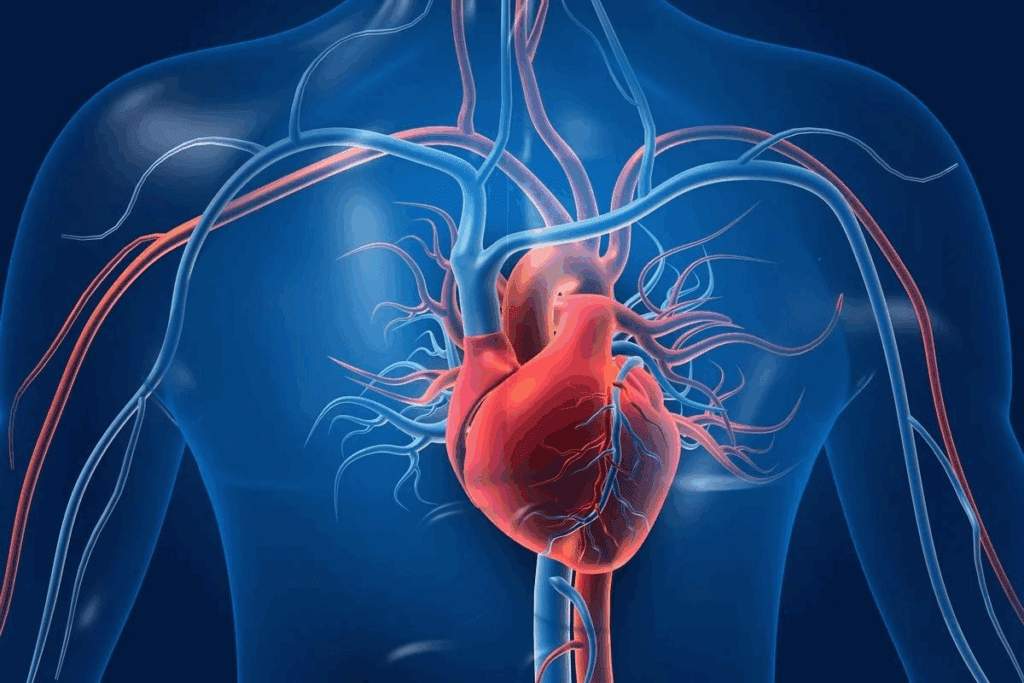
Arteries are key in our circulatory system. They carry oxygen-rich blood from the heart to the rest of the body. Knowing how arteries work helps us understand how our body stays healthy.
How Arteries Transport Oxygen-Rich Blood
Arteries handle the high blood pressure from the heart. They have three layers: the tunica intima, tunica media, and tunica externa. The tunica media is special because it has smooth muscle and elastic fibers. These help arteries change size to control blood pressure and flow.
The heart pumps blood into the aorta, the biggest artery. Then, blood goes into smaller arteries and arterioles. Arterioles lead to capillaries where oxygen and nutrients are exchanged.
The Arterial Highway: Distribution Networks
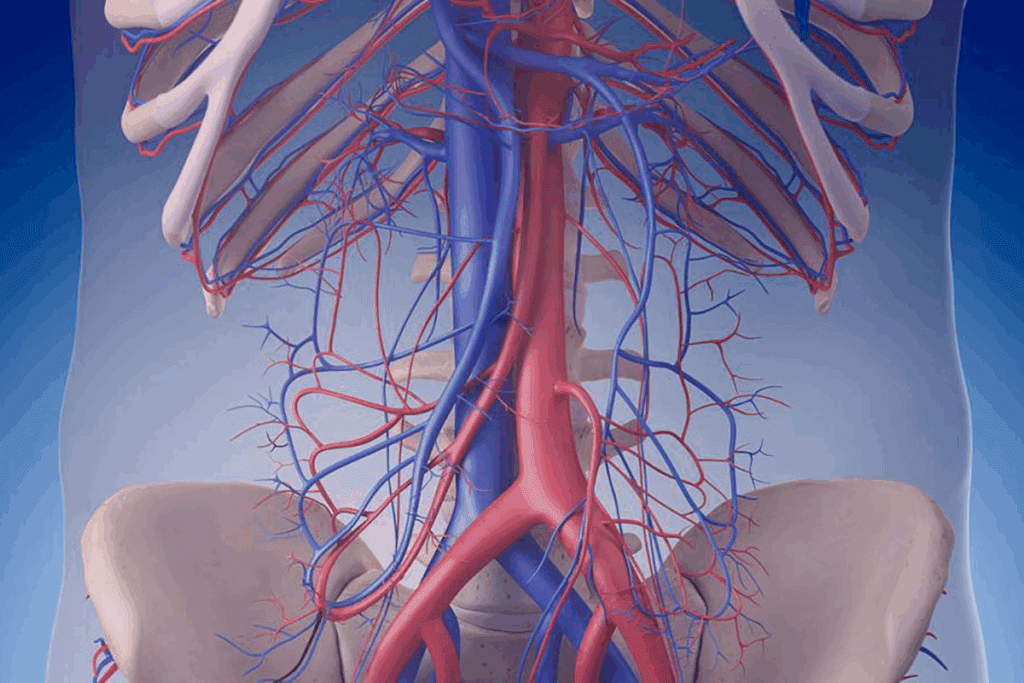
The arterial system is like a complex network or “highway” for blood. It has many arteries branching from the aorta. Each artery supplies different parts of the body.
| Artery | Region Supplied | Function |
| Carotid | Head and Neck | Supplies brain and face with oxygen |
| Coronary | Heart | Supplies heart muscle with oxygen |
| Renal | Kidneys | Supplies kidneys with oxygen |
| Femoral | Lower Limbs | Supplies legs with oxygen |
The table shows major arteries and their roles. Knowing these networks helps in diagnosing and treating vascular diseases.
The diagram shows how complex and vital the arterial system is. Arteries must work right for us to stay healthy and avoid circulatory diseases.
Anatomy of an Artery: Cross-Sectional View
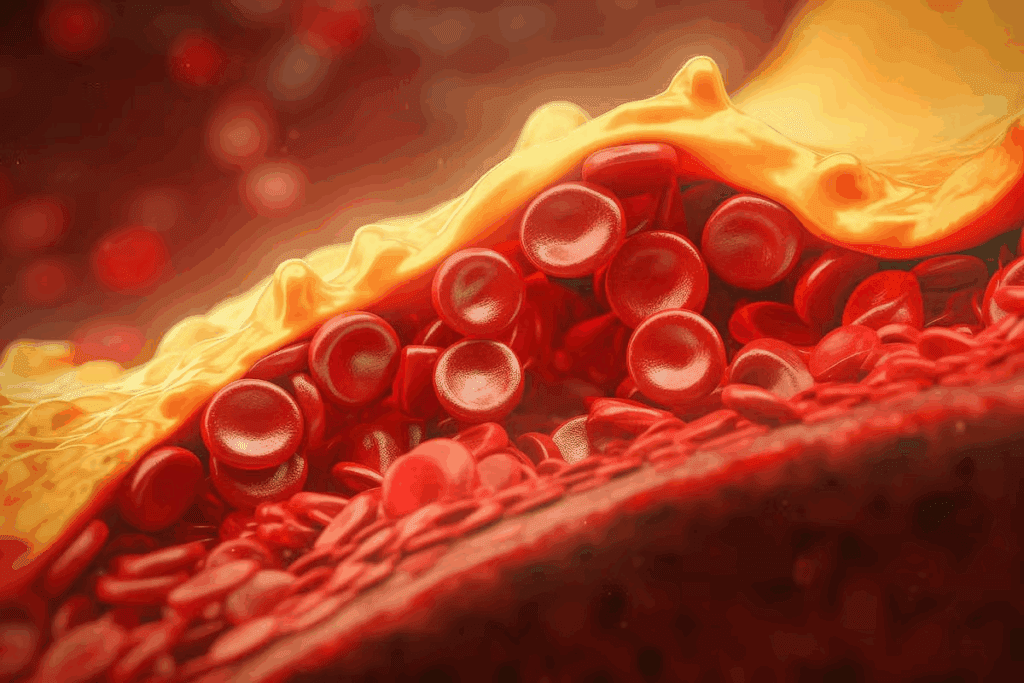
Looking closely at arteries shows a complex design for blood flow. The artery’s structure has many layers working together. This helps blood move efficiently.
Structure of Arterial Walls
The artery wall has three main layers: tunica intima, tunica media, and tunica externa. Each layer plays a key role in how the artery works.
- The tunica intima is the innermost layer. It’s made of a single layer of endothelial cells. This layer helps blood flow smoothly, reducing damage to blood cells.
- The tunica media is in the middle. It’s mostly smooth muscle cells and elastic fibers. This layer helps control blood pressure and flow by changing the artery’s size.
- The tunica externa is the outermost layer. It’s made of connective tissue. This layer adds support and protection to the artery.
The layers work together to keep arteries strong against blood pressure. Knowing about the cross-section of an artery shows how our circulatory system works.
In summary, the artery’s anatomy is a marvel of nature. Each part works together for our heart’s health. By studying the artery’s structure, we learn about the vital processes of life.
The Aorta: Master Artery of the Body
The aorta is a vital artery that starts from the left ventricle of the heart. It plays a key role in sending oxygen-rich blood to all parts of the body. It is the largest artery and has different sections, each with its own job to keep the body healthy.
Ascending Aorta and the Aortic Arch
The aorta starts as the ascending aorta, coming out of the left ventricle. It then curves to form the aortic arch. This arch sends branches to the head and upper body.
The aortic arch is very important. It connects to the descending aorta. Here, important branches like the brachiocephalic trunk and left subclavian artery start. They supply blood to the head and upper body.
| Section of Aorta | Description | Branches |
| Ascending Aorta | Rises from the left ventricle | Coronary arteries |
| Aortic Arch | Curves backward and to the left | Brachiocephalic trunk, left common carotid artery, left subclavian artery |
Descending Aorta: Thoracic and Abdominal Sections
After the arch, the aorta becomes the descending aorta. It splits into the thoracic and abdominal aortas. The thoracic aorta goes through the thoracic cavity, giving off branches to the thoracic wall and organs.
The abdominal aorta is a key part of the descending aorta. It supplies blood to the abdominal organs and lower body. It does this through branches like the celiac trunk and renal arteries.
Knowing about the aorta’s structure and function is key to understanding the circulatory system. The aorta’s sections work together to make sure oxygen-rich blood reaches every part of the body.
Carotid and Vertebral Arteries: Supplying the Brain
The carotid and vertebral arteries are key for blood flow to the brain. They are essential for brain health. Knowing how they work helps in diagnosing and treating problems.
Common Carotid Artery and Its Branches
The common carotid artery is a major blood supplier to the head and neck. It splits into the internal and external carotid arteries. The internal carotid artery feeds the brain, while the external carotid artery goes to the face and neck.
The internal carotid artery has branches like the ophthalmic artery and the posterior communicating artery. These are important for different brain areas.
Vertebral Artery and Its Importance
The vertebral arteries start from the subclavian arteries and join to form the basilar artery. This artery is vital for the posterior brain, including the cerebellum and brainstem. The vertebral artery is key for this blood supply.
Damage to the vertebral artery can cause vertebrobasilar insufficiency. Symptoms include dizziness, double vision, and loss of balance.
Upper Body Arterial Network
Understanding the upper body’s arterial network is key for diagnosing and treating heart conditions. This network ensures the arms and hands get enough blood.
Brachiocephalic Trunk and Its Branches
The brachiocephalic trunk, or artery, starts from the aortic arch. It’s the first branch and is vital for blood to the right arm and head.
- The brachiocephalic trunk splits into two main branches: the right common carotid artery and the right subclavian artery.
- The right common carotid artery sends blood to the right head and neck.
- The right subclavian artery supplies blood to the right arm.
Subclavian Arteries and Their Importance
The subclavian arteries are key in the upper body’s network. They start from the brachiocephalic trunk on the right and the aortic arch on the left.
These arteries are vital for blood to the arms and hands. Damage can cause serious issues, like reduced blood flow to hands and fingers.
The subclavian arteries also have branches like the vertebral arteries. These supply blood to the brain.
In summary, the upper body’s arterial network, including the brachiocephalic trunk and subclavian arteries, is essential for circulation and health.
Abdominal Arteries: Nourishing Vital Organs
The abdominal arteries are key for bringing oxygen-rich blood to the digestive system and other vital organs in the belly. They split off from the aorta and send blood to important parts in the belly area.
Celiac Trunk and Its Branches
The celiac trunk is the first big branch of the abdominal aorta. It sends blood to the stomach, liver, and spleen. It then splits into the left gastric artery, common hepatic artery, and splenic artery. Each one feeds different parts of the digestive system.
The left gastric artery goes to the stomach. The common hepatic artery feeds the liver and pylorus. The splenic artery nourishes the spleen, pancreas, and stomach.
Superior and Inferior Mesenteric Arteries
The superior and inferior mesenteric arteries are key for the intestines. The superior mesenteric artery comes from the abdominal aorta. It gives branches to the small intestine and a big part of the large intestine.
| Artery | Region Supplied |
| Celiac Trunk | Stomach, Liver, Spleen |
| Superior Mesenteric Artery | Small intestine, part of large intestine |
| Inferior Mesenteric Artery | Remaining part of large intestine |
The inferior mesenteric artery also comes from the abdominal aorta. It supplies the lower part of the colon and rectum. Together, these arteries make sure the digestive system works right.
“The complex network of abdominal arteries shows how complex and vital our circulatory system is for our health.”
Knowing about the abdominal arteries and their roles is key for diagnosing and treating digestive system problems. By understanding these arteries, we can see how our body systems are connected.
Lower Body Arterial System
The lower body arterial system is key for bringing oxygen-rich blood to the legs and feet. It starts from the aorta and spreads out to different parts of the lower limbs.
Common Iliac Arteries and Their Divisions
The common iliac arteries branch off from the aorta, bringing blood to the lower body. They split into the internal and external iliac arteries. The internal iliac artery goes to the pelvic organs. The external iliac artery turns into the femoral artery in the lower limb.
Femoral Arteries
The femoral artery comes from the external iliac artery. It’s vital for blood flow to the thigh and leg. It goes down the thigh, splitting into smaller branches for the lower leg and foot.
| Artery | Description | Branching Arteries |
| Common Iliac Artery | Major branch of the aorta supplying the lower body | Internal Iliac Artery, External Iliac Artery |
| Internal Iliac Artery | Supplies blood to pelvic organs | Various branches |
| External Iliac Artery | Continues as the femoral artery | Femoral Artery |
| Femoral Artery | Supplies blood to the thigh and leg | Various branches |
The Importance of Arterial Elasticity
Arterial elasticity is key to keeping our hearts healthy. It helps our arteries stretch and shrink with each heartbeat. This makes blood flow smoothly.
As we get older, our arteries lose their stretchiness. This is called arteriosclerosis. It makes our blood pressure go up because our hearts have to work harder.
How Arterial Elasticity Affects Blood Pressure
The link between arterial elasticity and blood pressure is complex. When arteries lose their stretchiness, they can’t handle the blood flow as well. This leads to higher blood pressure.
But elastic arteries can handle the pressure better. They keep blood pressure stable. This is why keeping arteries elastic is so important for blood pressure control.
Research shows that people with elastic arteries have lower blood pressure. They also face fewer heart problems. This shows how vital it is to keep arteries healthy through exercise, a balanced diet, and not smoking.
Factors Influencing Arterial Elasticity
Many things can affect arterial elasticity. Age, genetics, lifestyle, and health conditions all play a role. As we age, our arteries naturally stiffen. But lifestyle choices like a bad diet, not moving enough, and smoking can make it worse.
On the other hand, staying active, eating well, and keeping a healthy weight can help. Medical issues like high blood pressure and diabetes also affect arteries. So, managing these conditions is very important.
Understanding arterial elasticity and what affects it helps us stay heart-healthy. We can live a healthier life by making good choices and working with our doctors to manage health issues.
Conclusion: The Significance of Major Arteries
Understanding major arteries is key to grasping the heart’s role in our body. We’ve looked at how arteries keep us healthy, from the aorta to tiny branches. They are vital for delivering oxygen to our body’s parts.
Keeping arteries healthy is vital for our well-being. Arterial health affects blood pressure, circulation, and heart function. Knowing about arteries helps us see why living healthy and checking our heart regularly is important.
This article has shown how arteries are essential for our health. We hope this guide has given you a deeper understanding of arteries and their role in keeping our heart system healthy.
FAQ
What is the primary function of arteries in the human body?
Arteries are key in moving oxygen-rich blood from the heart to the rest of the body. They make sure organs and tissues get the oxygen they need to work right.
What are the three layers of an arterial wall, and how do they work together?
The three layers of an arterial wall work together for efficient blood transport. The innermost layer, the tunica intima, touches the blood. The middle layer, the tunica media, has smooth muscle and elastic fibers for constriction and dilation. The outermost layer, the tunica externa, adds support and structure.
What is the significance of the aorta in the arterial system?
The aorta is the largest artery and starts from the heart, distributing blood throughout the body. It’s a key part of the cardiovascular system. Its sections, like the ascending aorta and descending aorta, supply blood to vital organs and tissues.
What is the role of the carotid and vertebral arteries?
The carotid and vertebral arteries are vital for the brain. The carotid arteries send oxygen-rich blood to the brain. The vertebral arteries supply the posterior circulation of the brain.
How do the abdominal arteries supply blood to vital organs?
The abdominal arteries, like the celiac trunk and superior mesenteric artery, send blood to the digestive organs. They ensure these organs get the oxygen and nutrients they need.
What is the importance of arterial elasticity in maintaining healthy blood pressure?
Arterial elasticity is key for healthy blood pressure. It lets arteries expand and contract with each heartbeat. This ensures blood flows smoothly and efficiently.
How do the lower body arteries supply blood to the legs and feet?
The lower body arteries, such as the femoral arteries, supply blood to the legs and feet. They make sure these areas get the oxygen and nutrients they need.
What is the significance of understanding the major arteries and their functions?
Knowing the major arteries and their functions is vital for understanding the cardiovascular system. It helps us maintain healthy blood pressure and prevent cardiovascular disease. It promotes overall cardiovascular well-being.
What is the structure of an artery?
An artery has three layers: the tunica intima, tunica media, and tunica externa. The tunica intima is the innermost layer, the tunica media is the middle layer, and the tunica externa is the outermost layer.
What is an artery diagram, and how is it used?
An artery diagram shows the arterial system’s structure and function. It’s a useful tool for learning about the cardiovascular system. It helps educate patients and healthcare professionals about keeping blood vessels healthy.
What is the difference between an artery and a vein?
Arteries and veins are both blood vessels but serve different purposes. Arteries carry oxygen-rich blood away from the heart. Veins carry oxygen-depleted blood back to the heart.
References
- StatPearls. (2023). Anatomy, Head and Neck: Carotid Arteries. In StatPearls https://www.ncbi.nlm.nih.gov/books/NBK545238/
- Jones, O. (2023, February). Major arteries of the head and neck. TeachMeAnatomy. https://teachmeanatomy.info/neck/vessels/arterial-supply/
- Foran, P., & Co-authors. (2023). Clinical basis for the knowledge of anatomy of the carotid artery: A review article. Yenagoa Medical Journal, 5(2), 24-29. https://yenagoamedicaljournal.net/clinical-basis-for-the-knowledge-of-anatomy-of-the-carotid-artery-a-review-article/
- Omotoso, B. R., et al. (2021). Radiological anatomy of the intracranial vertebral artery in [population studied]. Scientific Reports. https://www.nature.com/articles/s41598-021-91744-9/