

Cancer treatment can be challenging, especially when it leads to a sore throat due to chemotherapy or radiation. At Liv Hospital, we understand the discomfort this condition can cause and are committed to providing effective relief.
Mucositis, or the irritation and inflammation of mucous membranes, is a common side effect of chemotherapy. We offer patient-centered care and evidence-based solutions to soothe a chemotherapy-induced sore throat.
Our approach includes practical remedies such as saltwater rinses, pain-relieving mouthwashes, and dietary changes to help manage symptoms and improve comfort.
Key Takeaways
- Effective remedies for chemotherapy-induced sore throat
- Importance of patient-centered care in managing mucositis
- Practical tips for soothing discomfort and improving comfort
- Evidence-based solutions for relief from sore throat
- Holistic care approaches to address mucositis
Understanding Chemotherapy and Sore Throat: Causes and Impact

Understanding the causes of sore throat during chemotherapy is crucial for providing effective relief to patients. Chemotherapy, while a critical treatment for various cancers, often results in debilitating side effects, one of which is sore throat. This discomfort can significantly affect a patient’s quality of life, making everyday activities like eating and swallowing painful.
What is Mucositis and How Does It Develop?
Mucositis is a condition characterized by the inflammation and irritation of mucous membranes, often resulting from chemotherapy and radiation. It occurs when the mucous membranes in the mouth, throat, and digestive tract become inflamed and irritated, leading to pain, discomfort, and difficulty swallowing. We will explore how mucositis develops and its prevalence among chemotherapy patients.
The development of mucositis is a complex process involving the direct cytotoxic effects of chemotherapy on the oral and gastrointestinal mucosa, leading to mucosal barrier disruption. This disruption can result in ulceration, which is a significant source of pain and discomfort for patients.
Key factors contributing to mucositis include:
- Chemotherapy regimen and dosage
- Radiation therapy, especially when directed at the head and neck
- Poor oral hygiene and pre-existing dental problems
Prevalence and Duration of Symptoms
Up to 40% of patients receiving standard-dose chemotherapy and the majority receiving head or neck radiation experience throat pain, mouth sores, or swallowing difficulties. The duration of these symptoms can vary, often resolving once treatment is completed, but sometimes persisting and requiring ongoing management.
It’s essential for healthcare providers to understand the prevalence and potential duration of mucositis symptoms to offer appropriate support and treatment options to affected patients. By doing so, we can improve the quality of life for those undergoing chemotherapy.
“The management of mucositis requires a comprehensive approach, including preventive measures and effective treatment strategies to alleviate symptoms and improve patient outcomes.”
Remedy 1: Saltwater and Baking Soda Rinses
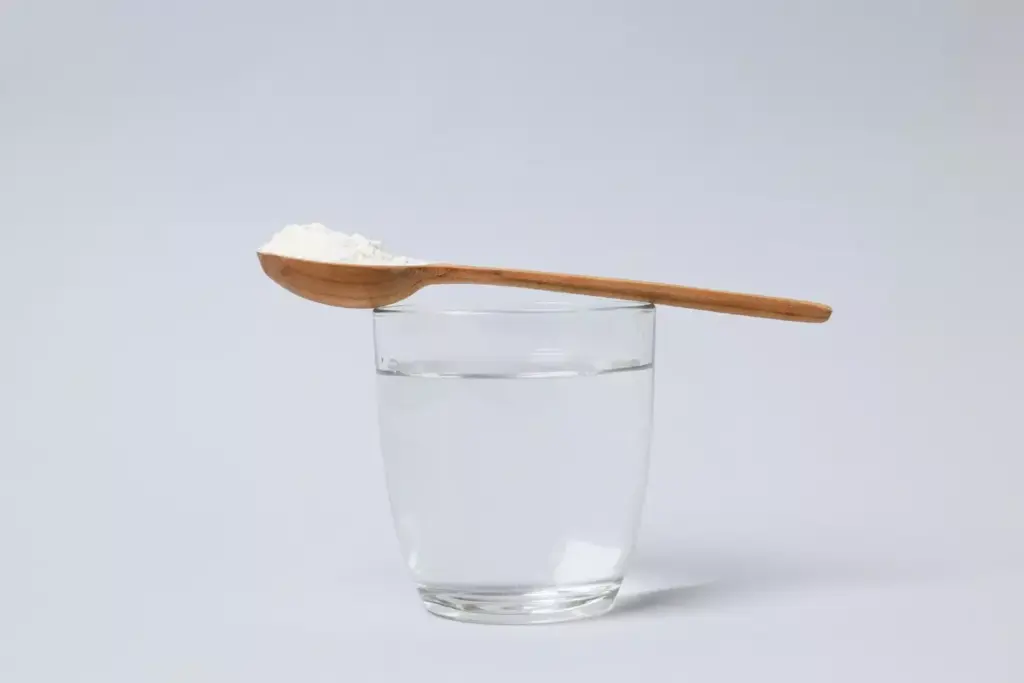
Saltwater and baking soda rinses are simple, effective remedies for chemotherapy patients experiencing sore throats. These rinses can help reduce inflammation, kill bacteria, and promote healing in the mouth and throat.
We recommend incorporating saltwater and baking soda rinses into your daily oral care routine during chemotherapy treatment. Not only are they easy to prepare, but they are also gentle on the mouth and throat, making them an ideal remedy for sensitive areas.
How to Prepare an Effective Saltwater Rinse
Preparing a saltwater rinse is straightforward. Mix 1/4 teaspoon of salt with 8 ounces of warm water until the salt is fully dissolved. Stir the solution well before use. It’s essential to use warm water, as it helps to dissolve the salt and can be more soothing on the throat than cold or hot water.
Rinse your mouth with the saltwater solution 2-3 times a day, or as directed by your healthcare provider. Make sure to swish the solution around your mouth and throat for 30 seconds before spitting it out. Avoid swallowing the solution.
Baking Soda Solutions for Neutralizing Acid
Baking soda solutions can help neutralize acid in the mouth and reduce discomfort. To prepare a baking soda rinse, mix 1 teaspoon of baking soda with 8 ounces of water. Ensure the baking soda is fully dissolved before using the solution.
| Rinse Type | Ingredients | Frequency |
|---|---|---|
| Saltwater Rinse | 1/4 tsp salt, 8 oz warm water | 2-3 times a day |
| Baking Soda Rinse | 1 tsp baking soda, 8 oz water | 2-3 times a day |
Both saltwater and baking soda rinses can be used in conjunction with other oral care practices to enhance their effectiveness. Remember to consult with your healthcare provider before starting any new oral care routine, especially during chemotherapy treatment.
Remedy 2: Pain-Relieving Mouthwashes and Oral Medications
Managing chemotherapy-induced sore throat can be effectively achieved with pain-relieving mouthwashes and oral medications. These remedies are designed to provide quick relief and help patients manage their discomfort.
Over-the-Counter Options for Immediate Relief
Over-the-counter (OTC) mouthwashes and oral medications are often the first line of defense against chemotherapy-induced sore throat. We recommend exploring OTC options that contain ingredients such as lidocaine or benzocaine, which can help numb the throat and provide immediate relief. It’s essential to follow the instructions carefully and consult with a healthcare professional before using any new medication.
Some popular OTC mouthwashes include those with antimicrobial properties, which can help prevent infection in the mouth and throat. We should also consider using oral medications like pain relievers that can help reduce discomfort.
Prescription Mouthwashes for Severe Cases
In cases where OTC options are not sufficient, prescription mouthwashes may be necessary. These are typically formulated to address more severe symptoms and may contain ingredients like magic mouthwash, which is a mixture of various medications that can help soothe and protect the mucous membranes.
We emphasize the importance of consulting with a healthcare provider to determine the best course of treatment. They can recommend the most appropriate prescription mouthwash based on the severity of symptoms and individual patient needs.
By understanding the available options for pain-relieving mouthwashes and oral medications, we can better manage chemotherapy-induced sore throat and improve the quality of life for patients undergoing treatment.
Remedy 3: Cold and Soft Food Choices for Sore Throats
When dealing with a sore throat caused by chemotherapy, opting for cold and soft foods can provide substantial relief. Dietary changes play a significant role in managing chemotherapy-induced sore throat, and we will explore how the right food choices can help alleviate discomfort.
Cooling Foods That Reduce Inflammation
Cold foods can help numb the throat, reducing pain and discomfort. Some beneficial options include:
- Cold yogurt: Rich in protein and soothing on the throat.
- Popsicles: Easy to swallow and can help keep the throat moist.
- Cold smoothies: Blend your favorite fruits with a bit of yogurt or milk for a nutritious and soothing drink.
Non-Acidic Food Options That Won’t Irritate
Avoiding acidic foods is crucial when you have a sore throat, as they can exacerbate irritation. Opt for non-acidic foods like:
- Mashed bananas: Gentle on the throat and a good source of potassium.
- Soft-cooked pasta: Easy to eat and can be paired with mild sauces.
- Oatmeal: A comforting, non-irritating breakfast option.
Nutrient-Rich Soft Foods for Healing
Maintaining nutritional balance is vital during chemotherapy. Choose soft, nutrient-rich foods that are easy to consume, such as:
| Food | Nutritional Benefits |
|---|---|
| Scrambled eggs | High-quality protein for muscle repair |
| Soft-cooked chicken | Rich in protein, vitamins, and minerals |
| Avocado | Packed with healthy fats, vitamins, and minerals |
By incorporating these cold, soft, and nutrient-rich foods into your diet, you can help manage chemotherapy-induced sore throat more effectively, ensuring you maintain the strength and nutrition needed during treatment.
Remedy 4: Hydration Strategies During Chemotherapy Treatment
Chemotherapy patients can benefit greatly from proper hydration strategies to alleviate sore throat discomfort. Staying hydrated is essential during chemotherapy treatment as it helps maintain oral health, reduces the risk of complications, and supports the body’s overall recovery process.
Importance of Fluid Intake During Treatment
Adequate fluid intake is crucial for patients undergoing chemotherapy. It helps in flushing out toxins, keeping the mouth moist, and reducing the severity of sore throat symptoms. We recommend that patients drink plenty of fluids throughout the day, aiming for at least 8-10 glasses of liquid.
Benefits of Proper Hydration:
- Reduces the risk of dehydration
- Helps in managing sore throat symptoms
- Supports overall health and recovery
- Flushes out toxins and chemotherapy drugs
Best Beverages for Sore Throat Relief
Choosing the right beverages can provide additional relief from sore throat symptoms. We suggest opting for drinks that are soothing, non-irritating, and easy to swallow.
| Beverage | Benefits |
|---|---|
| Water | Hydrates and helps in flushing out toxins |
| Herbal Teas (e.g., chamomile, peppermint) | Soothes the throat and reduces inflammation |
| Clear Broths | Provides essential nutrients and keeps the throat moist |
In addition to these beverages, it’s essential to avoid drinks that can irritate the throat, such as citrus juices, caffeinated beverages, and very hot or cold drinks. By prioritizing hydration and choosing the right beverages, chemotherapy patients can better manage their sore throat symptoms and support their overall health during treatment.
Remedy 5: Environmental Modifications for Throat Comfort
Creating a comfortable environment is crucial for alleviating sore throat symptoms during chemotherapy treatment. We can make several environmental modifications to help reduce throat discomfort and promote healing.
Benefits of Humidifiers and Proper Humidity Levels
One effective way to soothe a sore throat is by using humidifiers to maintain proper humidity levels in your living space. Dry air can exacerbate throat irritation, while a humidifier can help keep the air moist and comfortable. According to experts, “Humidifiers can be particularly helpful in dry environments, adding moisture to the air and reducing throat discomfort.” Humidifiers can be especially beneficial during the dry winter months or in air-conditioned spaces.
Maintaining a humidity level between 40% and 60% is generally recommended. This range can help prevent the growth of mold and bacteria while keeping the air comfortably humid. It’s essential to clean and maintain your humidifier regularly to ensure it works effectively and doesn’t become a source of contamination.
Eliminating Irritants from Your Living Space
In addition to using humidifiers, eliminating irritants from your living space can significantly impact throat comfort. This includes avoiding exposure to tobacco smoke, strong chemicals, and pollutants. As one expert notes, “Avoiding irritants is a crucial step in managing a sore throat during chemotherapy.”
- Avoid smoking and secondhand smoke.
- Use gentle cleaning products that are free from harsh chemicals.
- Reduce exposure to pollutants by using air purifiers.
By making these environmental modifications, patients can reduce their discomfort and promote healing. Creating a comfortable and irritant-free environment is a simple yet effective way to manage chemotherapy-induced sore throat.
Remedy 6: Natural Remedies and Herbal Solutions
Natural remedies and herbal solutions offer a complementary approach to managing sore throat during chemotherapy. These remedies can be particularly beneficial when used alongside conventional treatments, providing patients with additional relief from discomfort.
Honey and Other Natural Soothing Agents
Honey is renowned for its soothing properties and is often recommended to patients experiencing sore throats due to chemotherapy. The antimicrobial and anti-inflammatory properties of honey can help in reducing the severity of mucositis and promoting healing. Other natural soothing agents like aloe vera and licorice root extracts have also shown promise in alleviating oral mucositis symptoms.
When using honey or other natural soothing agents, it’s essential to choose products that are pure and free from additives. Patients should consult their healthcare provider before introducing any new remedies into their care routine to ensure safety and efficacy.
Herbal Teas with Anti-Inflammatory Properties
Herbal teas are another natural remedy that can provide relief from sore throat. Teas made from herbs like slippery elm, marshmallow root, and chamomile have anti-inflammatory properties that can help soothe the mucous membranes and reduce discomfort. Drinking warm (not hot) herbal teas several times a day can be particularly comforting.
It’s crucial for patients to be aware of any potential allergic reactions or interactions with their ongoing treatment when trying new herbal teas. As with any new remedy, consultation with a healthcare provider is advisable.
“The use of natural remedies can significantly enhance the comfort of patients undergoing chemotherapy,” says a healthcare professional. “By incorporating these remedies into their care plan, patients can experience a better quality of life during treatment.”
Remedy 7: Specialized Oral Care Routines for Chemotherapy Patients
Effective oral care routines are essential for chemotherapy patients to reduce the risk of oral complications and improve their quality of life. Maintaining good oral hygiene is crucial during chemotherapy treatment, as it helps prevent infections and manage discomfort.
Gentle Brushing Techniques
Gentle brushing techniques are vital for chemotherapy patients to maintain oral hygiene without causing further irritation. We recommend using a soft-bristled toothbrush and gentle toothpaste to clean the teeth and mouth. Brushing should be done at least twice a day, taking care to cover all surfaces of the teeth and gums.
It’s also important to be gentle when brushing the tongue and the roof of the mouth, as these areas can be sensitive. Using a gentle circular motion can help remove bacteria and debris without causing discomfort.
Products for Sensitive Mouths
Chemotherapy patients often require special oral care products designed for sensitive mouths. We suggest using toothpaste and mouthwashes that are free from harsh chemicals and artificial fragrances, which can exacerbate sensitivity.
Products containing ingredients like aloe vera or chamomile can be soothing and help reduce inflammation. It’s also beneficial to use a mouthwash that is specifically designed to help manage the side effects of chemotherapy, such as mouth sores and dry mouth.
Lip Care During Chemotherapy Treatment
Lip care is an often-overlooked aspect of oral hygiene during chemotherapy. Patients should use lip balms or lip moisturizers to keep their lips hydrated and protected. We recommend applying lip balm frequently throughout the day, especially after eating or drinking.
Choosing a lip balm with natural ingredients like beeswax, coconut oil, or shea butter can help lock in moisture and protect the lips from dryness and cracking. Avoiding products with fragrances or dyes can also help minimize irritation.
Remedy 8: Warm Liquid Therapies for Home Remedies for Sore Throat from Radiation
For individuals undergoing radiation or chemotherapy, warm liquids can be a soothing remedy for sore throat symptoms. Sipping on warm liquids is a recommended home remedy that can provide relief and comfort. We will explore how warm broths and compresses can be used as part of this therapeutic approach.
Warm Broths and Their Benefits
Warm broths are not only nourishing but also offer several benefits for individuals experiencing sore throat due to radiation or chemotherapy. They can help in:
- Providing essential fluids and electrolytes
- Soothing the throat with their warm temperature
- Offering a gentle, easy-to-swallow option for nutrition
Some of the most beneficial broths include chicken broth, vegetable broth, and clear soups. These can be consumed frequently throughout the day to help manage sore throat discomfort.
Warm Compresses for External Relief
In addition to consuming warm liquids, applying warm compresses externally can also provide relief. Warm compresses can help reduce discomfort and inflammation in the throat area.
To prepare a warm compress:
- Soak a clean cloth in warm water, ensuring it’s not too hot.
- Wring out the excess water.
- Apply the compress to the throat area for a few minutes.
- Repeat as needed.
Using warm compresses in conjunction with warm liquid therapies can enhance the overall relief experienced by patients. This combined approach can be a valuable addition to their care routine, providing both internal and external comfort.
Conclusion: Managing Chemotherapy Side Effects for Better Quality of Life
Effective management of chemotherapy side effects is crucial for improving the quality of life for patients undergoing cancer treatment. At Liv Hospital, our international mission is to provide up-to-date, high-quality multidisciplinary care, focusing on continuous innovation.
By implementing the practical remedies discussed, patients can alleviate chemotherapy-induced sore throat and other side effects. Prioritizing patient-centered care and supporting overall health can significantly enhance treatment outcomes and quality of life.
Managing chemotherapy side effects requires a comprehensive approach that addresses the unique needs of each patient. By doing so, we can improve patient outcomes and provide the necessary support for a better quality of life during and after treatment.
What is mucositis and how does it relate to chemotherapy-induced sore throat?
Mucositis is a condition characterized by the inflammation and irritation of mucous membranes, often resulting from chemotherapy and radiation, leading to sore throat and other oral complications.
How long does chemotherapy-induced sore throat typically last?
The duration of chemotherapy-induced sore throat varies depending on the individual, treatment type, and severity of mucositis, but it usually resolves once treatment is completed.
What are some effective remedies for managing chemotherapy-induced sore throat?
Effective remedies include saltwater and baking soda rinses, pain-relieving mouthwashes, cold and soft food choices, hydration strategies, environmental modifications, natural remedies, and specialized oral care routines.
How can I prepare a saltwater rinse for sore throat relief?
Mix 1/4 teaspoon of salt with 8 ounces of warm water to create a saltwater rinse that can help reduce inflammation and promote healing.
What types of food should I eat during chemotherapy to manage sore throat?
Opt for cold and soft food choices, such as cooling foods that reduce inflammation, non-acidic options that won’t irritate the throat, and nutrient-rich soft foods that promote healing.
How important is hydration during chemotherapy treatment?
Adequate hydration is crucial during chemotherapy treatment, as it helps maintain oral health, reduce the risk of complications, and alleviate sore throat symptoms.
Can humidifiers help alleviate sore throat symptoms?
Yes, humidifiers can help maintain proper humidity levels, reducing discomfort and promoting healing in the throat.
Are there any natural remedies that can provide relief from chemotherapy-induced sore throat?
Yes, natural remedies like honey, herbal teas with anti-inflammatory properties, and warm liquid therapies can provide additional relief from sore throat symptoms.
How can I care for my lips during chemotherapy treatment?
Use a gentle lip balm, avoid irritants, and keep your lips moisturized to prevent dryness and discomfort during chemotherapy treatment.
Can warm compresses provide relief from sore throat symptoms?
Yes, warm compresses can provide external relief from sore throat symptoms by reducing discomfort and promoting healing.
What are some best practices for oral care during chemotherapy treatment?
Practice gentle brushing techniques, use products for sensitive mouths, and prioritize lip care to maintain oral health and reduce the risk of complications during chemotherapy treatment.