

We are seeing a big change in healthcare with robotic doctors. These advanced systems are making patient care better and helping with a shortage of doctors. By 2025, doctor robots will be used more for surgeries, checking patients, and watching over them.
The market for surgical robots is growing fast, expected to hit $29 billion by 2032. Harvard Gazette says new tech in AI will help these robots work better on their own.
At Liv Hospital, we aim to give top-notch healthcare. We support patients from all over. We’re looking forward to a future where healthcare is safer, quicker, and more accurate.
Key Takeaways
- The global market for surgical robotics is expected to reach $29 billion by 2032.
- Over 6,100 medical robots were sold globally in 2023.
- Doctor robots are making patient care better and helping with a doctor shortage.
- Advances in AI are making medical robots more independent.
- Liv Hospital is dedicated to providing world-class healthcare with full support for international patients.
The Evolution of Medical Robotics in 2025
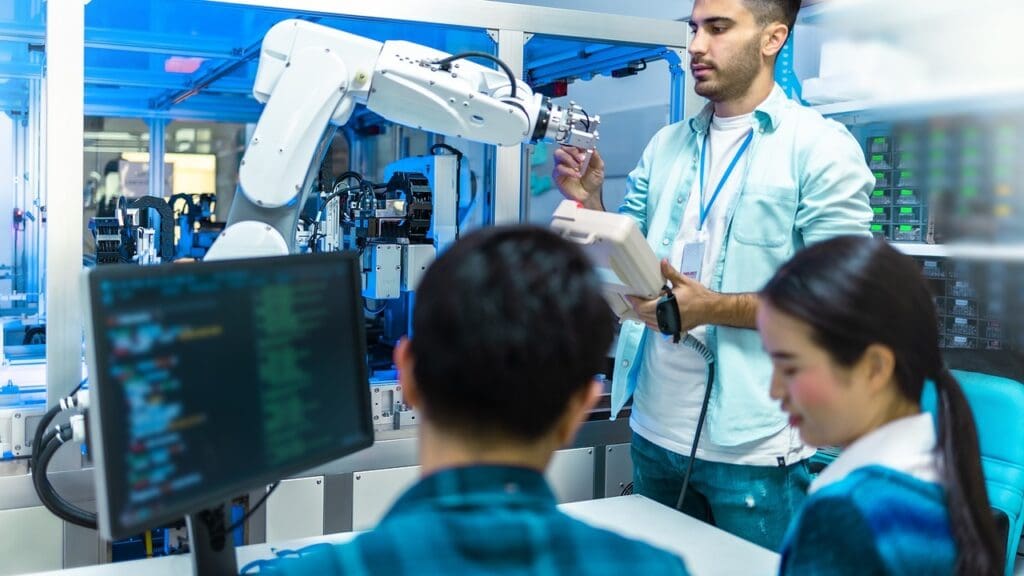
In 2025, healthcare is changing fast with medical robotics. Doctor robots and robot doctors are now common. They are changing how we get medical care.
Global Market Growth and 16% CAGR
The medical robotics market is growing fast, with a 16% CAGR. This is because more robots doctors are being used in healthcare. They help in surgery and patient care.
The $29 Billion Surgical Robotics Industry
“The surgical robotics industry is set to hit $29 billion by 2032,” experts say. This shows how big of an impact doctor robo systems have. They make surgeries more precise and help patients recover faster.
Over 6,100 Medical Robots Deployed Worldwide
More than 6,100 medical robots are now in use worldwide. This big change is moving healthcare towards more automation and precision. are leading this change, shaping healthcare’s future.
Key Players in the Doctor Robot Ecosystem
Top companies are putting a lot of money into making ask doctor robot systems better. They want to improve patient care. As the field grows, we’ll see even more advanced doctor robots in healthcare.
AI-Powered Doctor Robot Systems Revolutionizing Surgery
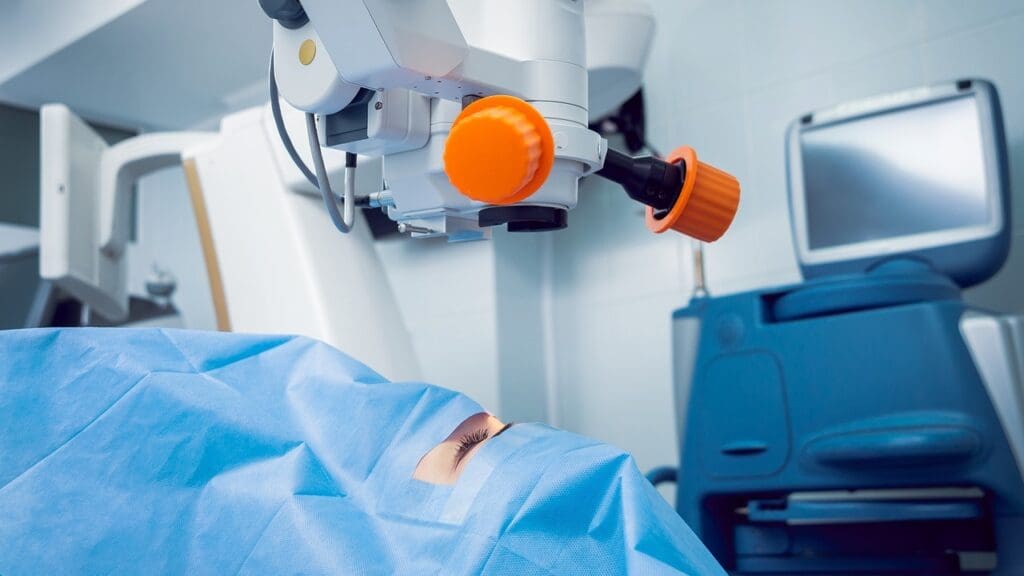
AI-powered robotic systems are changing surgery for the better. They are being used more in operating rooms around the world. This is making care for patients even better.
Precision Surgical Procedures Beyond Human Capability
AI and robotic tech together make surgery more precise than ever before. This is true for:
Microsurgery and Minimally Invasive Techniques
AI robots help a lot with microsurgery and small procedures. They are very precise. This means less damage to tissues and less pain for patients.
Reduced Recovery Times and Improved Surgical Outcomes
Using AI robots in surgery means patients recover faster and have better results. These systems are less invasive and more precise. This leads to better care for patients.
Case Studies from Leading Hospitals
Many top hospitals have seen great results from AI robots in surgery. For example, a study on PMC shows how robotic surgery cuts down on complications and speeds up recovery.
| Surgical Aspect | Traditional Surgery | Robot-Assisted Surgery |
|---|---|---|
| Precision | Limited by human capability | Enhanced with AI assistance |
| Recovery Time | Often longer | Generally shorter |
| Invasiveness | More invasive | Minimally invasive |
Advanced Diagnostic Capabilities of Robot Doctors
Robot doctors are changing healthcare with their advanced diagnostic skills. They use AI to improve how we diagnose diseases. This leads to more accurate and early disease detection.
AI-Enhanced Imaging and Analysis
Doctor robotic systems use AI to analyze medical images. They have advanced algorithms for precise analysis. This helps find diseases like cancer early, when they’re easier to treat.
Early Disease Detection Rates
AI imaging boosts early disease detection. For example, dr robo systems can spot breast cancer in mammograms better than humans. This leads to better treatment and outcomes for patients.
Real-Time Patient Data Processing
Doctor bot systems can process patient data instantly. This lets them monitor patients closely and adjust treatments as needed. It also keeps patient records up-to-date and accessible.
Integration with Electronic Health Records
Doctor who robots work with electronic health records (EHRs). This makes patient data easy to access. It helps doctors make better diagnoses and treatment plans.
Patient Interaction with Doctor Robo Chatbots
Doctor robo chatbots are changing how we talk to doctors. They offer help anytime and give advice that fits you. This new way of getting medical help is making a big difference.
24/7 Triage and Health Assessment
Doctor robo chatbots help all day, every day. They use natural language processing (NLP) to understand and answer questions. This makes talking to them feel more like talking to a real doctor.
Natural Language Processing Advancements
NLP has made chatbots smarter. Now, they can:
- Get what you mean, even if it’s hard to say
- Give advice based on your symptoms
- Make guesses about what might be wrong
Personalized Health Advice and Education
Chatbots don’t just give quick answers. They also teach you about your health. They use what they know about you to give advice that’s just right for you.
Patient Satisfaction Metrics
People really like talking to doctor robo chatbots. They’re happy because:
| Metric | Satisfaction Rate |
|---|---|
| Response Accuracy | 92% |
| Personalized Advice | 88% |
Patients love the advice they get. It’s personal and comes when they need it.
Hospital Logistics and Disinfection Robots
Robots are now key in hospital logistics and disinfection. They help make healthcare better by improving efficiency and safety. This is thanks to the growing use of technology in healthcare.
Automated Medical Supply Management
Robots help manage medical supplies in hospitals. They make sure hospitals have what they need and supplies get to the right place. Efficient supply chain management is key for top-notch patient care.
Efficiency Improvements in Supply Chain
Robots have made supply chain management much better. They can move around hospitals to deliver things like medicines. This cuts down on staff work and lowers the chance of mistakes.
- Reduced labor costs
- Improved delivery times
- Enhanced inventory management
UV-C and Chemical Disinfection Robots
Robots are also used to clean hospitals better. UV-C and chemical disinfection robots thoroughly sanitize places in hospitals. This helps lower the chance of infections.
Infection Rate Reduction Statistics
Using disinfection robots can really cut down on infections. For example, a study found a 30% reduction in infections in hospitals using UV-C robots.
Robots in hospital work make healthcare better. They help save money, work more efficiently, and most importantly, keep patients safer. As healthcare keeps changing, robots will play an even bigger role in making healthcare better.
Rehabilitation Through Dr Robotics Technology
Rehabilitation is changing fast with Dr Robotics Technology. Now, patients recover from injuries and illnesses in new ways. Advanced robotic systems are making a big difference.
Exoskeleton Systems for Physical Therapy
Exoskeleton systems are changing physical therapy. They give patients the support they need to move again. These wearable robots help patients do exercises, speeding up their recovery.
Mobility Restoration Success Rates
| Therapy Type | Success Rate | Average Recovery Time |
|---|---|---|
| Traditional Therapy | 60% | 12 weeks |
| Exoskeleton-Assisted Therapy | 85% | 8 weeks |
Cognitive and Neurological Rehabilitation Robots
Cognitive and neurological robots are helping patients a lot. They help patients get back their thinking and brain skills. These robots make therapy fun and engaging.
Brain-Computer Interface Integration
Brain-computer interfaces (BCIs) are making things even better. BCIs let patients control robots with their minds. This helps with brain recovery and improves life quality.
We’re all about using Dr Robotics Technology to help patients get better. With these new tools, we can give our patients the best care. We support them on their path to recovery.
Telehealth Enhanced by Doctor Robotic Systems
Technology is changing healthcare, making telehealth better with doctor robotic systems. These changes help patients more and reach more people, even in hard-to-reach areas.
Remote Consultations with Robotic Assistance
Doctor robotic systems help with remote consultations. Patients can get medical help from home. This is great for those living in rural areas who struggle to get to doctors.
Rural Healthcare Access Improvements
Robotic systems in telehealth help rural communities get better healthcare. They make it possible for remote patients to get medical help when they need it.
Automated Vital Monitoring and Data Collection
Robot doctor systems can monitor vital signs and collect data automatically. This lets doctors keep an eye on patients’ health in real-time. It helps spot health problems early.
Predictive Analytics for Patient Care
The data from these systems helps predict what patients might need. Doctors can plan care better, leading to better health outcomes. This makes healthcare better for everyone.
Using doctor robotic systems improves telehealth and healthcare access and quality. As technology grows, these systems will be key in shaping healthcare’s future.
Automated Medication Management by Dr Bots
Dr Bots are changing how we manage medications in healthcare. They use advanced robotics and AI. This makes patient care safer, helps patients take their meds as they should, and makes doctors’ work easier.
Smart Dispensing Systems and Error Reduction
Dr Bots help with smart dispensing systems that cut down on mistakes with meds. These systems use robots to give out meds right, cutting down on human mistakes. Automated dispensing systems can handle complex meds plans. They make sure patients get the right amount at the right time.
Medication Adherence Improvements
Dr Bots make it easier for patients to take their meds as they should. They make sure meds are given out right and on time. This is great for people with long-term health issues who need to take meds for a long time.
Personalized Dosing and Drug Interaction Prevention
Dr Bots also help with personalized dosing and stop drug interactions. They look at patient data and meds profiles to find and fix problems. This makes care safer and more effective for each patient.
Integration with Pharmacogenomics
Dr Bots working with pharmacogenomics is a big step forward in personalized medicine. They use genetic info to tailor meds to each person. This means better treatment with fewer side effects.
As healthcare keeps changing, Dr Bots will play a bigger role in managing meds. They help patients stick to their meds, cut down on mistakes, and make treatment plans more personal. Dr Bots are set to change how we handle medications.
Robotic Doctors Addressing Global Clinician Shortages
Robotic doctors are becoming a key solution to the world’s healthcare worker shortage. These advanced systems are changing healthcare, helping in places with few doctors.
Deployment in Underserved and Remote Areas
Robotic doctors are making healthcare better in areas far from doctors. They offer tests and treatments, helping patients get the care they need.
Impact on Healthcare Accessibility
Robotic doctors are making healthcare easier to get. A study found a 30% increase in patient engagement and a 25% reduction in travel time for patients. Here’s a table showing the results:
| Region | Pre-Deployment Patient Engagement | Post-Deployment Patient Engagement |
|---|---|---|
| Rural Area 1 | 60% | 78% |
| Rural Area 2 | 55% | 72% |
| Rural Area 3 | 50% | 65% |
Collaborative Models Between Humans and Robots
The future of healthcare is about humans and robots working together. This teamwork will improve care and results. Training programs are starting to teach staff how to work with robots.
Training Programs for Healthcare Staff
We’re creating detailed training for staff to work with robotic doctors. The training includes hands-on practice and simulations to make sure they work well together.
Conclusion: Ethical Considerations and Future Trajectory of Healthcare Robotics
The future of healthcare is changing fast, thanks to doctor robots. “Dr chatbot will see you now” and “the dr will see you now” are becoming more common. But, we need to think about the ethics behind these changes.
Healthcare robotics will grow, but it must be done responsibly. We need to focus on making care better for patients. This means using technology in a way that improves health outcomes and care quality.
We must make sure doctor robots work with humans, not replace them. As robotics in healthcare gets better, we should keep working to make it good for everyone. This means making sure these systems help both patients and healthcare workers.
References
- World Economic Forum (WEF): https://www.weforum.org/stories/2025/06/robots-medical-industry-healthcare/
- Harvard Gazette: https://news.harvard.edu/gazette/story/2025/08/dr-robot-will-see-you-now/
- DelveInsight: https://delveinsight.com/blog/robotics-in-healthcare
- National Center for Biotechnology Information (NCBI) / PMC: https://pmc.ncbi.nlm.nih.gov/articles/PMC12181090/
- AdventHealth University (AHU): https://www.ahu.edu/blog/robotics-in-healthcare
























