Viral fevers, like those from influenza, dengue, and chikungunya, can be a big worry. It’s key to know how long a viral fever lasts, especially when the fever reaches around 102 fever, to manage it well and understand when to seek medical care. Typically, viral fevers worsen quickly but tend to subside within 3“5 days, with full recovery in 7“10 days if properly treated.
A viral fever usually lasts 3 to 7 days. But how fast you get better can depend on the virus and your health.
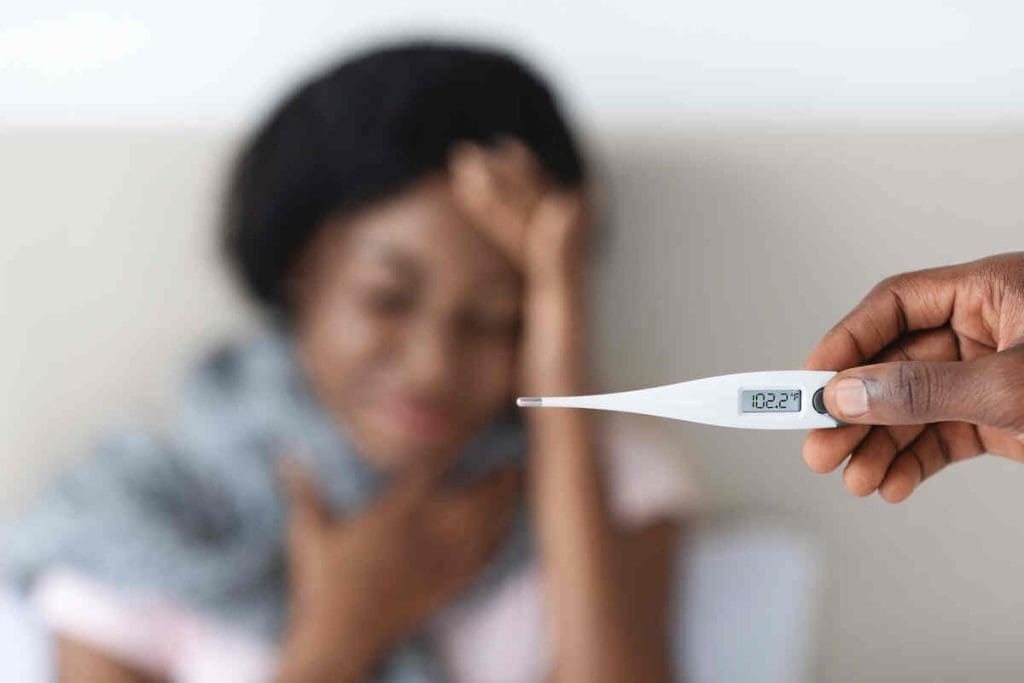
Knowing what to expect can make you feel more in control. It helps you take steps to stay healthy.
Key Takeaways
- Viral fevers usually last 3 to 7 days.
- The time it takes to get better can change based on the virus and your health.
- Understanding the condition helps in managing it effectively.
- Factors such as overall health can influence recovery time.
- Being aware of the typical duration can help individuals plan
Understanding Viral Fevers and Their Typical Duration
It’s important to know how long and why viral fevers last. They are caused by different viruses, each affecting the body in its own way.
What Causes Viral Fevers
Viral fevers happen when our body fights off viruses. Common viruses like the flu, cold, and RSV cause fever. These viruses make our body temperature go up.
The Normal Duration Range of 3-7 Days
A viral fever usually lasts 3 to 7 days. How long it lasts depends on the virus, our immune system, and our health. Usually, the fever goes away once we’ve beaten the infection.
Why Fever Is Actually a Protective Mechanism
Fever is more than just a symptom. It’s a protective mechanism that helps us fight infections. By making our body warmer, fever makes it harder for viruses to spread. This helps us get better.
Common Viral Infections and Their Fever Patterns
Different viral infections have unique fever patterns. Knowing these patterns helps us understand and manage illnesses better. It aids in making the right decisions about diagnosis and treatment.
Influenza and Common Cold Fever Duration
Influenza and the common cold are common causes of fever. Influenza fever usually lasts 3 to 5 days, sometimes up to a week. The common cold’s fever is milder and goes away in 3 to 7 days.
Remember, these fevers are signs that your body is fighting off the infection. They can be uncomfortable, but they are a good sign.
COVID-19 Fever Timeline
COVID-19, caused by SARS-CoV-2, has a varied fever duration. Studies suggest the fever lasts about 7 to 10 days. But some people may have a longer or shorter fever.
Respiratory Syncytial Virus (RSV) and Other Viral Infections
RSV affects all ages but is most severe in young children and older adults. Its fever can last several days to over a week. Other viruses, like dengue and chikungunya, can cause fevers that last up to two weeks.
Knowing the specific virus is key to managing treatment and expectations.
In conclusion, various viral infections have unique fever patterns. Recognizing these patterns helps us understand the illness’s progression. It guides us in making informed decisions about care.
When a 102 Fever Signals a Viral Infection
A fever of 102 °F can mean you have a viral infection. It’s important to know what this temperature means and how it affects different ages.
Understanding Temperature Readings
Body temperature is a key sign of infection. A 102 °F fever is quite high. Normal body temperature is between 97.7 °F and 99.5 °F.
Significance of a 102 °F (38.9 °C) Fever
A fever of 102 °F can mean you have a viral infection. In adults, it might be from the flu or another virus. In children, it could be a sign of a serious infection.
How Long a 1102 °FFever Typically Lasts in Different Age Groups
The length of a 102 °F fever varies by age and health. In healthy adults, it usually lasts 3 to 5 days. In children, it can be similar, but they need close watch for complications.
Key Considerations:
- In adults, a 102 °F fever often goes away with rest and water.
- In children under 5, a fever of 102 °F or higher needs a doctor’s check.
Fever in Children and Infants: Special Considerations
Managing fever in infants and young children is complex. It depends on their age, health, and other symptoms. Fever is a common symptom, but it can be serious in kids because of their developing immune systems.
Normal vs. Concerning Fever Patterns in Babies
In infants under 3 months, a fever over 100.4 °F (38 °C) is a medical emergency. For those 3 to 6 months old, a fever up to 102 °F (38.9 °C) might not be as serious if they seem fine. But any fever in infants under 6 months should prompt a call to the pediatrician.
A pediatrician says, “The younger the infant, the more concerning a fever is, due to their higher risk of serious bacterial infections.”
Toddler Fevers: When to Worry and When to Wait
In toddlers, fevers are common and often come with viral infections. A fever below 102 °F (38.9 °C) is usually not a big worry if the child is okay. But, fevers above 103 °F (39.4 °C) need closer watch and might need a doctor’s visit if the child is irritable, won’t eat, or has trouble breathing.
High Fevers in Kids: Understanding the 103 °F+ Range
High fevers, above 103 °F (39.4 °C), can be scary but are often from viral infections. While they can be uncomfortable, most high fevers are not harmful and will go away once the infection is treated or runs its course. It’s important for parents to watch their child’s overall health and get medical advice if worried about the fever or if it’s accompanied by other concerning symptoms.
As a general rule, if a child has a fever and is under 3 months old, or is showing signs of distress, has a fever lasting more than 3-4 days, or is having trouble breathing, parents should seek medical attention.
Factors That Affect How Long Viral Fevers Last
Many things can affect how long a viral fever lasts. Knowing these factors helps us manage our expectations and take the right steps.
Age and Immune System Strength
The age of a person and their immune strength are key. Older adults and young children often have fevers for longer because their immune systems are weaker. On the other hand, people with strong immune systems tend to get better faster.
Type of Virus and Viral Load
The virus type and how much of it is present matter a lot. Some viruses, like the flu, can cause fevers that last longer. A bigger viral load can also mean more severe and longer-lasting symptoms.
Pre-existing Health Conditions
People with health issues, like heart disease or diabetes, may have fevers for longer. These conditions can weaken the immune system, making it harder to fight off the virus.
Vaccination Status and Its Impact on Fever Duration
Vaccination status is also very important. Being current on vaccines can lessen the severity and length of viral fevers. As
“Vaccines not only protect against specific infections but also reduce the risk of complications and prolonged illness.”
, a health expert points out.
By knowing these factors, we can handle viral fevers better. We can make smarter choices about our care.
Managing and Treating Viral Fevers
Treating viral fevers needs a mix of home care and medical help. It’s important to know when to use home remedies and when to choose over-the-counter treatments.
Home Remedies and Over-the-Counter Options
Home remedies are key in managing viral fevers. Drinking lots of fluids, like water or electrolyte-rich drinks, helps. Rest is also key, as it helps the body fight the infection.
Over-the-counter (OTC) medicines can ease symptoms. Acetaminophen (Tylenol) and ibuprofen (Advil, Motrin) can lower fever and ease pain. But always follow the dosage and talk to a doctor before giving these to kids.
How to Get Rid of a Fever in 24 Hours: What Works and What Doesn’t
It’s hard to get rid of a fever in 24 hours, but some methods can help. Staying hydrated, resting, and using OTC meds as directed can reduce fever. Sponging with lukewarm water might also help, but its effect varies.
Trying to make a fever go away too fast can be harmful.
“Fever is a natural response of the body’s immune system to infection, and it plays a role in helping to fight off invading pathogens.”
So, instead of trying to get rid of the fever, focus on managing symptoms and supporting recovery.
Are Fevers Contagious? Understanding Transmission
Many wonder if fevers are contagious. The truth is, fever itself isn’t contagious. The contagiousness depends on the cause of the fever, such as a virus or bacteria.
Good hygiene, like washing hands often, covering mouth and nose, and staying away from others, can stop infections that cause fever.
Conclusion: What to Expect and When to Seek Help
It’s important to know about viral fevers and how long they last. Viral fevers usually go away in 3 to 7 days. But the exact time can vary based on the virus and the person.
Managing your expectations about fever is key. Knowing when to get help is critical, too. This is true if symptoms get worse or if the fever is very high and lasts too long. Signs like trouble breathing, severe headaches, or a fever over 103 °F need quick medical attention.
Being informed about viral fevers helps you handle them better. If you’re unsure or if the fever doesn’t go away, getting medical help is best. This ensures you get the right care and avoid any serious problems.
FAQ’s:
How long does a viral fever typically last?
A viral fever usually lasts 3 to 7 days. This depends on the virus type and factors like age and immune strength.
What is considered a high fever in children?
A fever over 103 °F (39.4 °C) is high in kids. Watch them closely and get medical help if it doesn’t go down or if they have other symptoms.
Are fevers contagious?
Fevers aren’t contagious. But the virus causing the fever can spread. This happens through respiratory droplets or close contact.
How can I get rid of a fever in 24 hours?
To lower a fever, drink lots of water, rest, and use medicines like acetaminophen or ibuprofen as directed. But, treating the cause is key. If the fever doesn’t go away, see a doctor.
When should I worry about a fever in infants?
For babies under 3 months, a fever over 100.4 °F (38 °C) is serious. Get medical help right away. For older babies, see a doctor if the fever is high or if they have other symptoms.
Can pre-existing health conditions affect the duration of a viral fever?
Yes, health issues before getting sick can change how long and how bad a fever is. People with weak immune systems or health problems may have longer or worse fevers.
How does vaccination status impact fever duration?
Being vaccinated can make fevers from preventable diseases less severe and shorter. Vaccines can also stop some viral infections from happening in the first place.
What are some effective home remedies for managing fever?
Drinking fluids, resting, and using cool compresses can help with fever. Over-the-counter medicines like acetaminophen or ibuprofen can also work when used correctly.
Reference:
Bettocchi, S., Comotti, A., Elli, M., et al. (2025). Probiotics and fever duration in children with upper respiratory tract infections: A randomized clinical trial. JAMA Network Open, 8(3), e250669.https://jamanetwork.com/journals/jamanetworkopen/fullarticle/2831509Belon, L., et al. (2021). Effect of a fever in viral infections”the ˜Goldilocks’ phenomenon? Frontiers in Medicine.https://www.ncbi.nlm.nih.gov/pmc/articles/PMC7812885/Sun, Y., et al. (2024). Duration of fever in children infected with influenza A(H1N1) and B viruses: A systematic approach. Virus Research, 320, 198789.https://www.sciencedirect.com/science/article/pii/S0166354224001475