
Prostate cancer is a big problem for men around the world. But, making some lifestyle changes can help lower your risk. At Liv Hospital, we offer top-notch healthcare and support for patients from abroad.
Studies show that regular exercise can cut prostate cancer risk by up to 30%. Also, having frequent ejaculation might help protect you. We’re all about keeping your prostate healthy with natural and science-backed ways.
Key Takeaways
- Regular exercise can reduce prostate cancer risk.
- Lifestyle changes play a big role in preventing prostate cancer.
- Liv Hospital provides full support for international patients.
- Frequent ejaculation might protect against prostate cancer.
- Using natural methods can help keep your prostate healthy.
Understanding Prostate Cancer and Prevention Possibilities
It’s important to know about prostate cancer and how to prevent it. This knowledge helps men make better health choices. Prostate cancer is common in men, but many risk factors can be changed through lifestyle and choices.
What is Prostate Cancer and Who is at Risk?
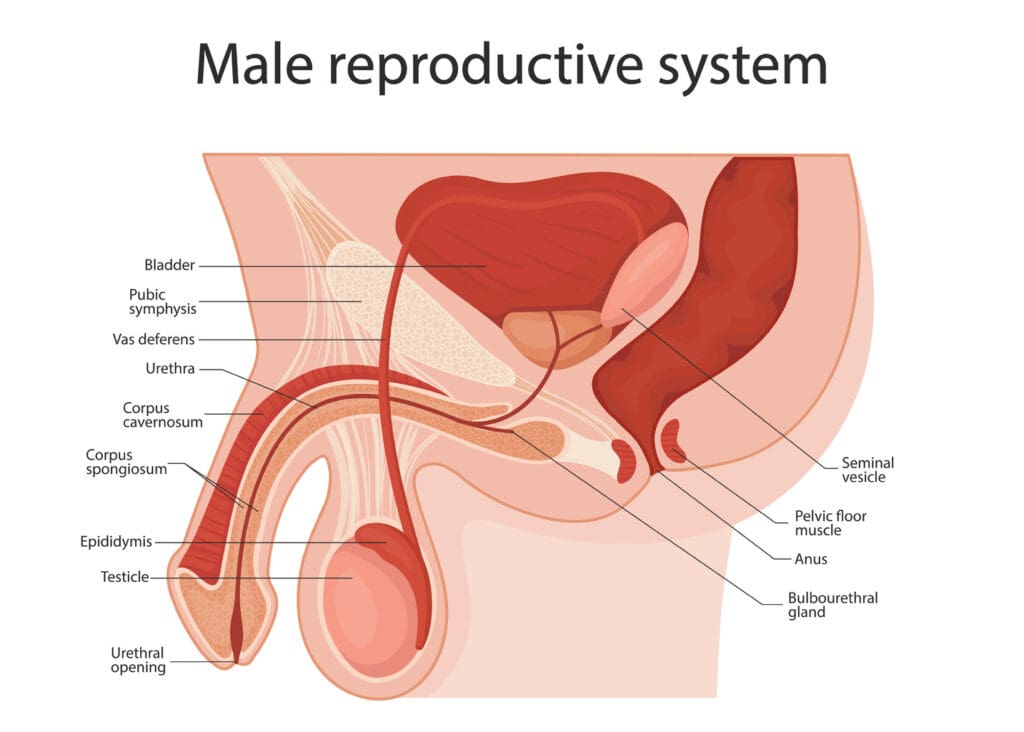
Prostate cancer happens when prostate cells grow too fast and form tumors. The prostate is a small gland below the bladder and in front of the rectum. Several things can raise a man’s risk of getting prostate cancer, including:
- Age: The risk goes up after 50.
- Family History: Men with family members who had it are at higher risk.
- Genetics: Some genetic mutations, like in BRCA1 and BRCA2, increase risk.
- Ethnicity: African American men face a higher risk than others.
Knowing these risk factors helps men take steps to lower their chance of getting prostate cancer.
Can Prostate Cancer Be Prevented? The Science Behind Prevention
While some risks can’t be changed, like age and genetics, lifestyle and diet can help. Staying at a healthy weight and being active are key.
New research on extracellular vesicles (EVs) shows promise in fighting cancer. This could lead to new ways to prevent and catch prostate cancer early.
Here are some ways to lower prostate cancer risk:
- Dietary Changes: Eat more fruits, veggies, and whole grains.
- Physical Activity: Do regular exercise that’s moderate to vigorous.
- Weight Management: Keep a healthy BMI with diet and exercise.
By following these tips, men can lower their risk of prostate cancer and stay healthy.
Powerful Dietary Changes That Protect Your Prostate
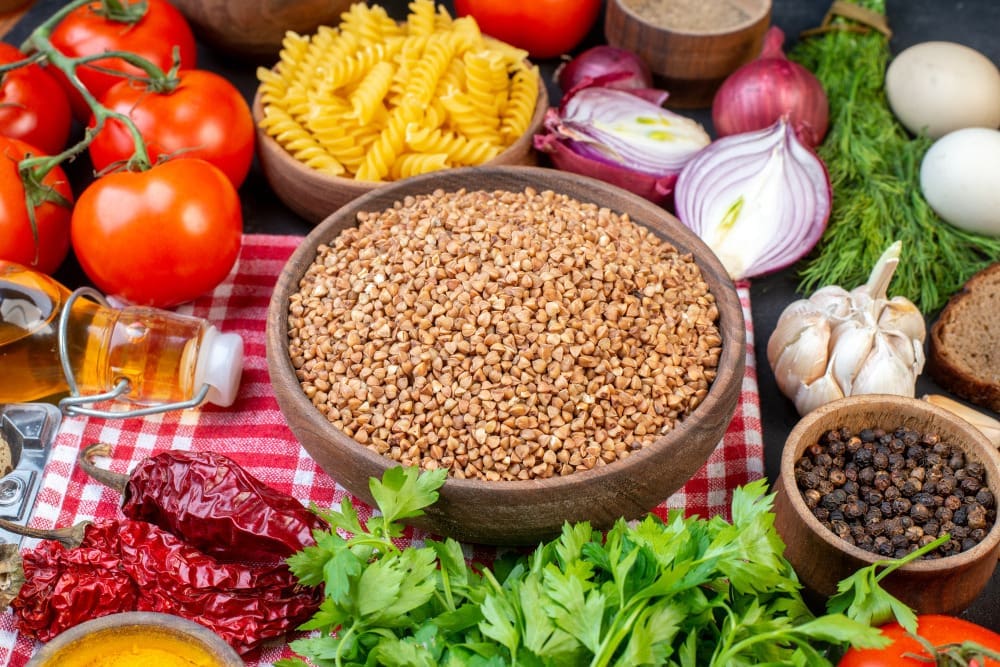
Dietary changes can fight prostate cancer effectively. We’ll show you the best ways to do it. Eating lots of fruits, vegetables, and whole grains can lower prostate cancer risk. Foods high in antioxidants and fiber protect against cancer.
1. Increase Consumption of Fruits and Vegetables
Eating colorful fruits and vegetables is key for prostate health. They’re full of antioxidants, vitamins, and minerals. These help protect cells and fight inflammation. Berries, leafy greens, and broccoli are great choices.
Some fruits and vegetables that fight prostate cancer include:
- Tomatoes, rich in lycopene, an antioxidant that lowers cancer risk
- Cruciferous veggies like cauliflower and Brussels sprouts, with sulforaphane
- Berries like blueberries and raspberries, packed with antioxidants and fiber
2. Add More Whole Grains and Plant-Based Proteins
Whole grains and plant-based proteins are also good for your prostate. Whole grains like brown rice and quinoa offer fiber and vitamins. Plant-based proteins like beans and tofu are low in fat.
Good whole grains and plant-based proteins include:
- Legumes like chickpeas and black beans, high in protein and fiber
- Nuts and seeds, such as almonds and chia seeds, with healthy fats and antioxidants
- Whole grain cereals and bread, for a healthy digestive system
By changing your diet, you can lower your prostate cancer risk. A balanced diet and lifestyle changes are powerful for prostate health.
Foods to Limit or Avoid for Optimal Prostate Health
Eating a balanced diet is key for a healthy prostate. By choosing the right foods, we can lower our risk of prostate cancer. This helps us stay healthy overall.
Reduce Red and Processed Meat Consumption
Research links a diet rich in processed meat to higher cancer risks. Foods like sausages and bacon are full of bad fats and harmful substances. Cutting down on these can help lower risks.
Examples of red and processed meats to limit:
- Beef
- Pork
- Lamb
- Sausages
- Bacon
| Food Type | Potential Risk | Healthier Alternative |
|---|---|---|
| Red Meat | High in saturated fats | Lean proteins like chicken or fish |
| Processed Meat | Contains carcinogenic compounds | Plant-based proteins or unprocessed meat |
Minimize High-Fat Dairy Products and Added Sugars
High-fat dairy and added sugars can harm our prostate health. Too much dairy, like cheese and cream, raises cancer risk. Sugary foods cause inflammation and other problems.
Tips for minimizing high-fat dairy and added sugars:
- Choose low-fat or fat-free dairy products
- Limit sugary drinks and desserts
- Opt for natural sugar sources, like fruits
By watching what we eat, we can protect our prostate health. Avoiding harmful foods helps us avoid prostate cancer. This keeps us healthy and strong.
The Critical Role of Exercise in How to Prevent Prostate Issues
Regular exercise is key for a healthy prostate and lower cancer risk. It offers many benefits, like cutting down cancer risk and boosting health. “Physical activity is not just about keeping a healthy weight or building muscle; it’s also about reducing the risk of chronic diseases like prostate cancer,” says a leading health expert.
We suggest adding regular moderate to vigorous exercise to your routine for prostate health. Studies show that exercise can cut prostate cancer risk by up to 30%. It helps keep hormones balanced, boosts the immune system, and lowers inflammation.
Implement Regular Moderate to Vigorous Physical Activity
Moderate to vigorous exercise is vital for prostate health. This includes activities like brisk walking, cycling, or swimming. The goal is to find fun activities you can keep up with long-term. Aim for at least 150 minutes of moderate-intensity exercise or 75 minutes of vigorous-intensity exercise weekly.
Benefits of Regular Physical Activity:
- Reduces the risk of prostate cancer
- Improves overall health and well-being
- Helps maintain a healthy weight
- Enhances mental health
Incorporate Strength Training for Hormonal Balance
Adding strength training to your routine also benefits prostate health. It helps keep hormones balanced, which is key for preventing prostate problems. It’s advised to do strength training exercises at least two times a week, focusing on all major muscle groups.
“Strength training is not just for bodybuilders; it’s an essential part of a healthy lifestyle, specially for men wanting to protect their prostate health.”
By mixing regular exercise with strength training, men can greatly lower their prostate cancer risk and stay healthy. It’s never too late to begin, and even small lifestyle changes can make a big difference.
Weight Management Strategies for Prostate Protection
Excess weight can raise the risk of health problems, including prostate cancer. This makes managing weight key for prostate health. Studies show that overweight or obese men face a higher risk of aggressive prostate cancer. So, it’s vital to keep a healthy weight through diet and exercise.
Maintain a Healthy BMI Through Diet and Exercise
Keeping a healthy Body Mass Index (BMI) is vital for health and prostate protection. A balanced diet with fruits, vegetables, whole grains, and lean proteins is essential. Regular exercise, both moderate and vigorous, is also important for weight control and health.
A healthy diet for weight management includes:
- Eating plenty of fruits and vegetables
- Incorporating whole grains into meals
- Choosing lean protein sources
- Limiting processed foods and added sugars
A study in the Journal of the National Cancer Institute found a link between obesity and prostate cancer risk. It shows the need for a healthy weight to lower cancer recurrence risk.
“Obesity was associated with an increased risk of biochemical recurrence after radical prostatectomy.” – Journal of the National Cancer Institute
Effective Weight Loss Approaches for Men at Risk
For men at risk of prostate cancer, losing weight is critical. It’s not just about dieting but making lasting lifestyle changes. Regular physical activity and a balanced diet are key. Strength training is also beneficial as it builds muscle, helping burn more calories.
Key strategies for effective weight loss include:
- Setting realistic weight loss goals
- Incorporating strength training into your exercise routine
- Monitoring calorie intake
- Staying hydrated
By adopting sustainable lifestyle changes, men at risk can achieve and keep a healthy weight. This reduces their prostate cancer risk.
Sexual Health and Its Impact on Prostate Cancer Risk
Research shows that sexual health can affect prostate cancer risk. It’s key to know how sexual activity and prostate health are connected.
The Protective Effects of Regular Ejaculation
Studies suggest that regular ejaculation might protect against prostate cancer. Frequent ejaculation could help remove harmful substances from the prostate. This might lower the chance of cancerous cells forming.
The exact reasons for this protection are not clear. Yet, research points to regular ejaculation as a way to clear out harmful substances. This could explain why men who ejaculate more often have a lower prostate cancer risk.
Understanding the Connection Between Sexual Activity and Prostate Health
The relationship between sexual activity and prostate health is complex. Sexual function is vital for overall health. It might also help keep the prostate healthy.
Research links higher sexual activity to a lower prostate cancer risk. This could be because regular ejaculation flushes out harmful substances. This flushing action might prevent cancer from developing.
Understanding the link between sexual health and prostate cancer risk helps men make better health choices. While more research is needed, current evidence supports the importance of good sexual health for prostate health.
Natural Supplements That May Reduce Prostate Cancer Risk
Eating well and staying active are key. But, some natural supplements might also help lower prostate cancer risk. Let’s look at some promising options.
Evidence-Based Supplements for Prostate Health
Some natural supplements have shown promise for prostate health. These include:
- Saw Palmetto: It’s often used to support prostate health. Saw palmetto may help with symptoms of an enlarged prostate.
- Zinc: Zinc is an essential mineral. It helps keep the prostate healthy and boosts the immune system.
- Lycopene: Found in tomatoes, lycopene is an antioxidant. It’s linked to a lower risk of prostate cancer.
Antioxidants and Anti-Inflammatory Compounds
Antioxidants and anti-inflammatory compounds protect cells and reduce inflammation. This can help prevent cancer. Some key supplements include:
| Supplement | Potential Benefits |
|---|---|
| Vitamin D | May help regulate cell growth and reduce prostate cancer risk |
| Omega-3 Fatty Acids | Anti-inflammatory properties may help reduce cancer risk |
| Green Tea Extract | Rich in antioxidants, may help protect against cell damage |
Always talk to a healthcare professional before starting any supplements. They can interact with medications or have side effects.
Additional Lifestyle Factors for Complete Protection
To lower prostate cancer risk, we must look at more than just diet and exercise. Other lifestyle choices are key to keeping the prostate healthy.
Manage Stress and Improve Sleep Quality
Stress and poor sleep can harm our health, including our prostate. Try stress-reducing activities like meditation or yoga to keep stress down.
For better sleep, stick to a routine, make your bedroom sleep-friendly, and avoid caffeine at night. Getting 7-8 hours of sleep is vital for health.
Reduce Exposure to Environmental Toxins and Chemicals
Some environmental toxins and chemicals may raise prostate cancer risk. We can lower this risk by making smart choices about our environment and lifestyle.
- Avoid pesticides and herbicides by choosing organic produce when possible
- Reduce heavy metal exposure by using filtered water and avoiding old paint
- Use less plastic, and avoid BPA-containing plastics by choosing glass or stainless steel
| Lifestyle Factor | Action | Benefit |
|---|---|---|
| Stress Management | Practice meditation or yoga | Reduces chronic stress |
| Sleep Quality | Establish a consistent sleep schedule | Improves overall health |
| Environmental Toxins | Choose organic produce and filtered water | Reduces exposure to harmful chemicals |
By focusing on these lifestyle factors, we can better protect our prostate health. It’s about having a complete plan that includes diet, exercise, stress management, sleep, and avoiding toxins.
Conclusion: Creating Your Personalized Prostate Cancer Prevention Plan
Men can lower their prostate cancer risk by following certain steps. Studies show that a detailed prevention plan works well. Making smart lifestyle choices is key to reducing risk.
Focus on diet, exercise, weight control, and stress reduction to fight prostate cancer. These steps can greatly lower your risk. A good plan includes eating lots of fruits, veggies, and whole grains. Also, stay active and manage stress well.
By following these tips, men can improve their prostate health and lower cancer risk. It’s wise to talk to a doctor to find the best prevention plan for you.
FAQ
Can prostate cancer be prevented?
No, we can’t guarantee you won’t get prostate cancer. But, we can lower the risk. This is by eating well, staying active, and managing stress.
How can dietary changes help protect the prostate?
Eating more fruits, veggies, whole grains, and plant proteins is good. Try to eat less red meat, high-fat dairy, and sugars.
What is the role of exercise in preventing prostate issues?
Exercise, like running or lifting, helps lower prostate cancer risk. It keeps you healthy and balances hormones.
How does weight management impact prostate health?
Keeping a healthy weight is key for the prostate. Diet and exercise help. Losing weight can lower prostate cancer risk.
Is there a connection between sexual health and prostate cancer risk?
Yes, regular ejaculation might protect against prostate cancer. Knowing how sex affects prostate health is important.
Can natural supplements help reduce prostate cancer risk?
Some supplements and antioxidants might help. But, they shouldn’t replace a healthy lifestyle. They’re a good addition to prevention plans.
How can stress management and sleep quality impact prostate health?
Stress and sleep are vital for health. They help protect against prostate cancer.
What are some ways to reduce exposure to environmental toxins and chemicals?
Choose non-toxic cleaners and avoid pesticides. These steps help lower toxin exposure.
How can I create a personalized prostate cancer prevention plan?
Focus on a healthy diet, regular exercise, stress management, and check-ups. These steps help lower your risk.
Is prostate cancer preventable?
Prostate cancer isn’t fully preventable. But, making healthy choices and staying proactive can reduce risk.
What are the best ways to prevent prostate cancer naturally?
The best natural prevention is a healthy diet, exercise, stress management, and regular check-ups.
How can I reduce my risk of prostate cancer?
By choosing a healthy lifestyle, you can lower your risk. This includes a good diet, exercise, stress control, and check-ups.
FAQ
Can prostate cancer be prevented?
No, we can’t guarantee you won’t get prostate cancer. But, we can lower the risk. This is by eating well, staying active, and managing stress.
How can dietary changes help protect the prostate?
Eating more fruits, veggies, whole grains, and plant proteins is good. Try to eat less red meat, high-fat dairy, and sugars.
What is the role of exercise in preventing prostate issues?
Exercise, like running or lifting, helps lower prostate cancer risk. It keeps you healthy and balances hormones.
How does weight management impact prostate health?
Keeping a healthy weight is key for the prostate. Diet and exercise help. Losing weight can lower prostate cancer risk.
Is there a connection between sexual health and prostate cancer risk?
Yes, regular ejaculation might protect against prostate cancer. Knowing how sex affects prostate health is important.
Can natural supplements help reduce prostate cancer risk?
Some supplements and antioxidants might help. But, they shouldn’t replace a healthy lifestyle. They’re a good addition to prevention plans.
How can stress management and sleep quality impact prostate health?
Stress and sleep are vital for health. They help protect against prostate cancer.
What are some ways to reduce exposure to environmental toxins and chemicals?
Choose non-toxic cleaners and avoid pesticides. These steps help lower toxin exposure.
How can I create a personalized prostate cancer prevention plan?
Focus on a healthy diet, regular exercise, stress management, and check-ups. These steps help lower your risk.
Is prostate cancer preventable?
Prostate cancer isn’t fully preventable. But, making healthy choices and staying proactive can reduce risk.
What are the best ways to prevent prostate cancer naturally?
The best natural prevention is a healthy diet, exercise, stress management, and regular check-ups.
How can I reduce my risk of prostate cancer?
By choosing a healthy lifestyle, you can lower your risk. This includes a good diet, exercise, stress control, and check-ups.
References
Harvard Health Publishing. What lifestyle changes can help me avoid prostate cancer? https://www.health.harvard.edu/mens-health/what-lifestyle-changes-can-help-me-avoid-prostate-cancer
American Cancer Society. Can Prostate Cancer Be Prevented? https://www.cancer.org/cancer/types/prostate-cancer/causes-risks-prevention/prevention.html
National Cancer Institute (NCI). Prostate Cancer Prevention (PDQ®)–Patient Version. https://www.cancer.gov/types/prostate/patient/prostate-prevention-pdq
Winship Cancer Institute of Emory University. Prostate Cancer Prevention. https://winshipcancer.emory.edu/cancer-types-and-treatments/prostate-cancer/prevention.php



 Departments
 Related Videos
 Our Doctors
 News
News