

What 111 68 Blood Pressure Means
A reading of 111 68 blood pressure is typically considered healthy for most adults. The first number represents systolic pressure, which measures how strongly the heart pumps blood out. The second number shows diastolic pressure, which measures how relaxed the blood vessels are between beats. When combined, 111 68 usually suggests balanced cardiovascular health.
Patients who monitor their vitals sometimes worry when comparisons arise with unrelated conditions such as Low-Fever, but the two belong to different physiological systems. Still, both illustrate how the body communicates subtle signals. Liv Hospital experts often explain how signs like Low-Fever or blood pressure variations reflect overall wellness.
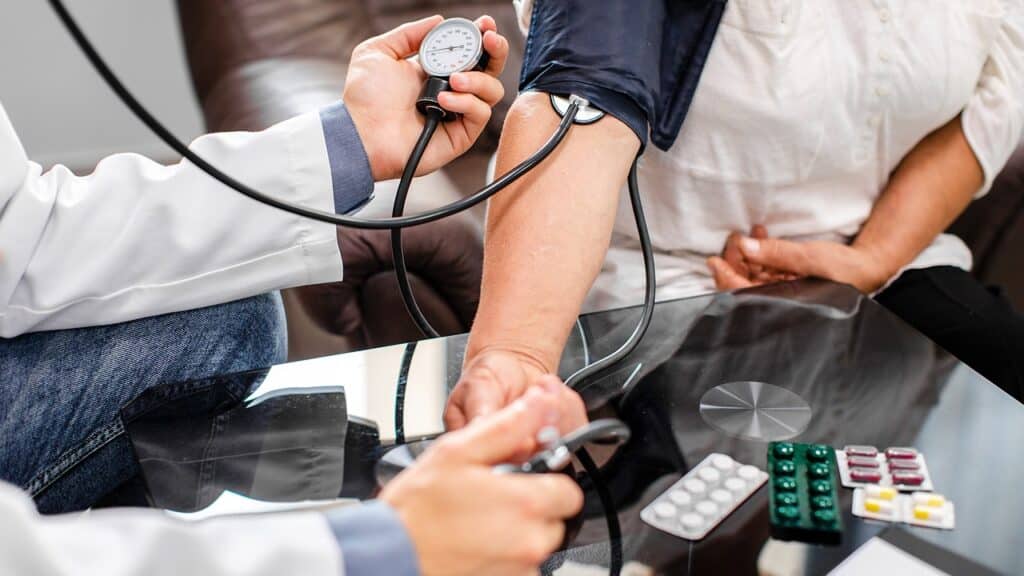
Why 111/68 Blood Pressure Is Often Considered Ideal
Many healthcare providers describe 111/68 blood pressure as falling within the optimal range because it reflects both strong cardiac output and relaxed vessel tone. This balance prevents strain on the heart and reduces long term health risks.
Some individuals pay close attention to other mild body indicators like Low-Fever, fatigue, or muscle tension, but in most cases, those sensations do not affect normal blood pressure readings such as 111/68. Still, understanding how Low-Fever interacts with hydration and stress levels can help families interpret daily health changes.
How Blood Pressure Works in the Body
Blood pressure is controlled by the heart, blood vessels, kidneys, nervous system, and hormones. When these systems cooperate smoothly, numbers like 111/68 blood pressure reflect efficient circulation.
Components influencing 111/68 readings
• Vessel flexibility
• Sodium and fluid balance
• Stress hormones
• Heart muscle strength
• Genetic factors
• Lifestyle choices
Comparing this to internal temperature signals such as Low-Fever shows how the body uses multiple measurement systems to protect itself. While Low-Fever expresses immune activity, 111/68 blood pressure expresses cardiovascular balance.
The Difference Between Healthy and Concerning Numbers
Numbers lower than 111 68 may still be healthy, depending on symptoms. Higher numbers, however, may point toward risk of hypertension. The absence of symptoms is often reassuring.
Some individuals feel lightheaded during Low-Fever episodes, but this sensation is usually due to dehydration or inflammation, not a direct effect on readings like 111 68. Understanding these distinctions helps patients avoid unnecessary worry.
When 111/68 Blood Pressure Could Be Too Low
Although 111 68 blood pressure is generally ideal, very athletic individuals or dehydrated patients may find it slightly low. Symptoms like dizziness or faintness should prompt evaluation.
Episodes of Low-Fever can also make some people feel temporarily weak, leading them to assume their blood pressure is unstable. In most cases, Low-Fever does not reduce 111 68; it simply signals immune activation.
How Stress Affects Cardiovascular Numbers
Emotional stress increases adrenaline, tightening blood vessels. This can raise systolic pressure, moving readings away from the comfortable 111 68 zone.
Managing stress is important both for cardiovascular health and for regulating immune responses often related to Low-Fever. Liv Hospital specialists frequently guide patients in creating routines to support both mental and physical balance.
How Hydration Supports Healthy 111/68 Levels
Water intake affects blood volume and circulation. Dehydration may reduce blood pressure temporarily but rarely interferes with 111/68 readings unless a patient is significantly dehydrated.
Individuals experiencing Low-Fever also need hydration since temperature increases lead to fluid loss. Maintaining hydration ensures blood pressure stays steady.
The Role of Salt and Diet in Maintaining Normal Blood Pressure
Excess salt stiffens blood vessels and raises pressure. Balanced nutrition, however, supports numbers like 111/68 blood pressure.
Foods that help maintain healthy readings
• Leafy greens
• Bananas and potassium rich foods
• Whole grains
• Lean proteins
• Low sodium meals
People who experience Low-Fever during illness may lose appetite, but maintaining nutrition helps sustain healthy circulation.
How Physical Activity Influences 111/68 Blood Pressure
Exercise strengthens the heart and promotes vessel elasticity. Active people often exhibit readings similar to 111/68 because their cardiovascular system is efficient.
During mild illness when Low-Fever appears, lighter exercises might be recommended until full energy returns.
Understanding 111/68 in Different Age Groups
Healthy blood pressure varies slightly by age. For teenagers and young adults, 111/68 blood pressure is excellent. For middle aged individuals, it reflects strong health. For seniors, it is still within a comfortable range.
Age related interpretation
• Children: slightly lower values common
• Adults: 111/68 blood pressure ideal
• Seniors: confirms vascular health
Episodes of Low-Fever in seniors require monitoring because immune reactions can temporarily influence energy levels even when blood pressure remains stable at 111/68.
How Sleep Patterns Affect Blood Pressure Stability
Quality sleep helps regulate hormones that influence blood pressure. Poor sleep may shift numbers temporarily. Maintaining a rhythm supports healthy values close to 111/68 blood pressure.
Sleep is also essential for recovery from Low-Fever episodes, allowing the immune system to restore balance.
When to Check Blood Pressure at Home
Regular monitoring helps people understand natural fluctuations. Checking when calm and relaxed gives a more accurate 111/68 blood pressure reading.
Good times to measure
• Morning after waking
• Before meals
• Before exercise
• Before taking medication
Avoid measuring during Low-Fever discomfort or after caffeine since both may distort readings.
How 111/68 Blood Pressure Relates to Heart Health
Blood pressure strongly influences long term heart function. Numbers such as 111/68 reflect minimal stress on arteries and heart muscle. This reduces risks of stroke, heart attack, or heart failure.
Immune changes like Low-Fever rarely affect long term cardiovascular risks, making it important to view each body signal separately.
Understanding the Connection Between Pain, Illness, and Blood Pressure
Pain or illness may cause mild elevation in blood pressure. But a stable 111/68 blood pressure reading usually means the cardiovascular system is functioning normally.
Conditions involving Low-Fever may cause fatigue or weakness but do not necessarily indicate blood pressure problems unless dehydration or severe inflammation occurs.
How 111/68 Blood Pressure Appears in Clinical Evaluations
During medical visits, clinicians analyze patterns, not just single readings. When they see consistent 111/68 blood pressure values, it reassures them about cardiovascular function.
Liv Hospital frequently evaluates factors such as hydration, stress, sleep, and episodes of Low-Fever to create a complete picture of patient health.
Lifestyle Habits That Support Healthy Blood Pressure
Healthy routines naturally support readings like 111/68 blood pressure.
Important daily habits
• Maintaining hydration
• Eating balanced meals
• Limiting caffeine
• Practicing deep breathing
• Moving regularly
• Managing temperature changes
People experiencing Low-Fever should rest and rehydrate to avoid temporary dips in blood pressure.
Medications and 111/68 Blood Pressure
Most medications do not interfere with maintaining a 111 68 blood pressure level. However, some blood pressure treatments may cause drops if taken incorrectly. Physicians at Liv Hospital tailor medications to patient needs and help them interpret symptoms such as Low-Fever in context.
When to Seek Medical Advice
A single reading of 111 68 blood pressure is generally reassuring. But if symptoms such as dizziness, chest discomfort, or severe Low-Fever occur, consultation is recommended.
Symptoms combined with illness can occasionally complicate interpretation, so professional assessment ensures clarity.
Conclusion
111 68 blood pressure is widely considered healthy and stable across age groups. It reflects strong cardiovascular performance and balanced vessel function. Understanding how lifestyle, hydration, sleep, and stress affect readings helps patients maintain numbers close to 111 68 over time. Signals like Low-Fever may accompany illness or immune activity, but they rarely impact blood pressure readings directly. Liv Hospital encourages patients to monitor both blood pressure and subtle immune responses to maintain long term well being.
With awareness, balanced habits, and expert guidance, individuals can support stable 111 68 blood pressure and respond calmly to bodily changes such as Low-Fever.
FAQ
What does 111 68 blood pressure mean?
111 68 blood pressure shows that your heart is pumping well and your arteries relax normally between beats, which usually reflects healthy circulation.
Is 111 68 blood pressure considered good for adults?
Yes, 111 68 blood pressure is viewed as an ideal range for most adults because it falls safely below 120/80 without being too low.
Can 111/68 blood pressure ever be too low?
111 68 blood pressure can feel slightly low in people who are dehydrated or very sensitive to changes, especially if dizziness or faintness appears.
Does Low-Fever influence a 111/68 blood pressure reading?
Low-Fever rarely changes 111 68 blood pressure, although dehydration or discomfort during illness may cause temporary shifts.
When should someone with 111/68 blood pressure seek medical advice?
You should get medical help if 111 68 blood pressure comes with symptoms like chest pain, severe dizziness, fainting, or ongoing illness.

























