
At Liv Hospital, we get how tough autoimmune diseases can be. We know that changing what you eat can really help. Studies show that eating right can even reverse autoimmune conditions naturally.
Getting rid of processed foods and sugars is key. Starting an autoimmune gut repair diet can make a big difference. Our guide shows you the top 12 foods to help you heal.
We want to help international patients take charge of their health. We teach them natural ways to manage autoimmune diseases.
Key Takeaways
- Discover the 12 best foods for managing autoimmune conditions
- Learn how dietary changes can help reverse autoimmune diseases naturally
- Understand the importance of gut repair in autoimmune disease management
- Explore holistic strategies for overall well-being
- Find out how Liv Hospital’s patient-focused approach can support your health journey
Understanding Autoimmune Disease and the Role of Diet
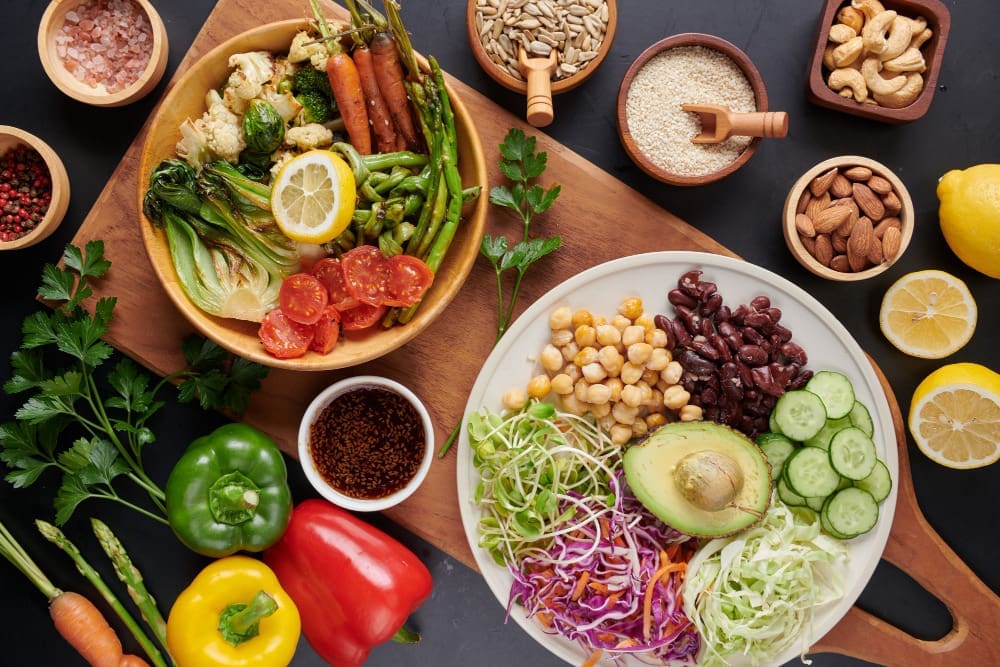
Managing autoimmune diseases is complex, and diet is key. We’ll see how food choices can help treat and manage symptoms. This knowledge is the first step towards natural healing.
What Happens in Autoimmune Conditions
In autoimmune diseases, the immune system attacks healthy cells. This leads to inflammation and tissue damage. Factors like genetics, environment, and immune system issues play a role.
Autoimmune conditions can affect many parts of the body. For example, rheumatoid arthritis mainly hits the joints. Lupus, on the other hand, can harm the skin, kidneys, and heart. Knowing this helps in diagnosing and treating the disease.
The Connection Between Inflammation and Autoimmunity
Inflammation is a big part of autoimmune diseases. It causes tissue damage and worsens symptoms. Diet and lifestyle can trigger or reduce inflammation.
Studies show that diets like the Mediterranean can help. They focus on whole foods, healthy fats, and lean proteins. This diet is good for those with autoimmune diseases.
| Dietary Component | Effect on Autoimmune Diseases | Examples of Foods |
|---|---|---|
| Anti-inflammatory foods | Reduce inflammation and symptoms | Fatty fish, leafy greens, berries |
| Pro-inflammatory foods | Exacerbate inflammation and symptoms | Processed meats, refined sugars, gluten |
| Nutrient-dense foods | Support immune function and overall health | Vegetables, fruits, lean proteins, whole grains |
Why Conventional Treatments May Not Be Enough
Conventional treatments can help, but they may not solve the problem. They can also have serious side effects. This affects a person’s quality of life.
Many are looking at natural ways to manage their diseases. Diet is a big part of this. It helps address the root causes and improves overall health.
Starting an autoimmune gut repair diet is a key step. It focuses on healing the gut, reducing inflammation, and balancing the immune system through food.
The Science Behind Healing Autoimmune Disease Through Nutrition
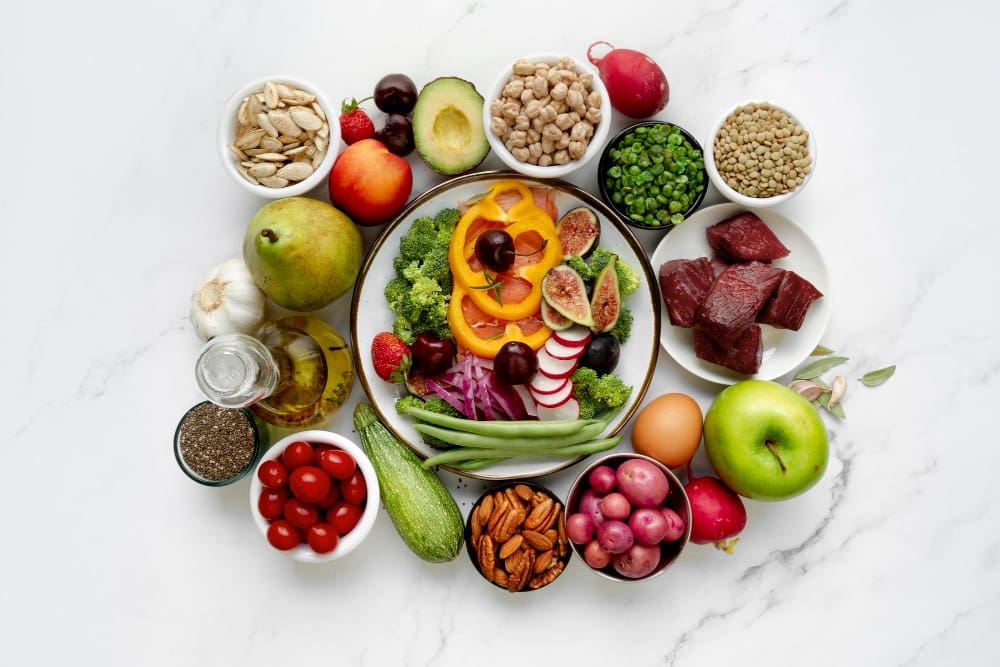
Nutrition plays a big role in fighting autoimmune diseases, research shows. It’s clear that what we eat can change how our bodies react to autoimmunity. This means some foods can help fight the disease.
Research on Anti-Inflammatory Diets
Anti-inflammatory diets are key in reducing symptoms and possibly reversing autoimmunity. These diets cut out foods that cause inflammation. They focus on foods that help fight inflammation.
- Key components of anti-inflammatory diets:
- High intake of fruits and vegetables
- Inclusion of omega-3 fatty acids
- Consumption of whole grains
- Avoidance of processed foods and sugars
How Food Affects Immune Function
What we eat directly affects our immune system. Some foods boost it, while others can weaken it. Choosing the right foods is vital for managing autoimmunity.
Some foods can help control the immune system. For instance:
- Fatty fish rich in omega-3s can help reduce inflammation
- Leafy greens high in antioxidants support overall immune health
- Fermented foods containing probiotics can enhance gut health and, by extension, immune function
The Gut-Immune System Connection
The gut and immune system are closely linked. A lot of our immune system is in the gut. Keeping the gut healthy is key for a strong immune system and fighting autoimmunity.
Key factors in supporting gut health:
- Diet rich in fiber
- Inclusion of fermented foods
- Avoidance of gut irritants like gluten and dairy (for those sensitive)
- Consideration of probiotic supplements when necessary
Understanding the link between nutrition, gut health, and immune function helps us fight autoimmunity naturally. This approach not only treats symptoms but also heals the root causes of autoimmunity.
Principles of an Autoimmune Gut Repair Diet
Fixing the gut and handling autoimmune diseases needs a full diet and nutrition plan. We’ll look at the main ideas behind an effective autoimmune gut repair diet. This will help you make smart choices about what you eat.
Eliminating Inflammatory Triggers
The first move in an autoimmune gut repair diet is to cut out foods that cause inflammation. Processed foods, sugars, and some grains are big offenders that can make symptoms worse. By getting rid of these, we help the body heal.
It’s key to know and avoid foods that cause inflammation. This means not just obvious things like junk snacks but also foods like gluten for some people.
Focusing on Nutrient Density
Eating foods packed with nutrients is key for a strong immune system and health. Foods full of vitamins, minerals, and antioxidants help fight inflammation and aid in healing. We aim for whole, unprocessed foods like veggies, fruits, lean proteins, and healthy fats.
Adding a variety of colorful veggies and fruits to your diet is important. They’re full of vitamins and minerals and also have fiber, which is great for the gut.
Healing the Intestinal Barrier
The gut lining is vital for immune function, and keeping it strong is key to avoiding autoimmune diseases. Some nutrients and foods can help fix and strengthen the gut lining, reducing leaks and inflammation.
Nutrients like omega-3 fatty acids, vitamin D, and probiotics are good for gut health. Foods like fatty fish, leafy greens, and fermented foods are key for an autoimmune gut repair diet.
By knowing and following these principles, people can actively manage autoimmune diseases with diet. It’s about making a diet that’s balanced and nourishing, supporting health and well-being.
Fatty Fish: Essential Omega-3s for Immune Regulation
Eating fatty fish can help manage autoimmune conditions naturally. These fish are full of omega-3 fatty acids. These acids are good for reducing inflammation and keeping the immune system balanced.
Benefits of Salmon, Mackerel, and Sardines
Salmon, mackerel, and sardines are great for people with autoimmune diseases. They are not just full of omega-3s but also have high-quality protein and important nutrients. Salmon is also a good source of vitamin D, which is key for the immune system. Mackerel and sardines have selenium, an antioxidant that protects cells.
How Omega-3s Reduce Autoimmune Inflammation
Omega-3 fatty acids can lower inflammation by stopping the production of harmful substances. This can make symptoms of autoimmune diseases better. They also help keep the gut barrier strong, which is often weak in these conditions.
The anti-inflammatory effects of omega-3s are very helpful for diseases like rheumatoid arthritis. Inflammation is a big part of how these diseases get worse.
Recommended Intake and Preparation Methods
To get the most from fatty fish, eat them at least twice a week. Grilling, baking, or poaching are good ways to cook them. This helps keep their nutrients. It’s also good to mix up the types of fatty fish you eat to get different nutrients.
- Grill salmon with a squeeze of lemon and a sprinkle of herbs for a delicious and healthy meal.
- Add canned sardines to salads or whole grain crackers for a quick omega-3 boost.
- Bake mackerel with vegetables for a nutrient-packed dinner.
Leafy Greens and Cruciferous Vegetables for Healing Autoimmune Disease
Leafy greens and cruciferous vegetables are packed with nutrients. They are great for healing autoimmune diseases naturally. These veggies have vitamins, minerals, and antioxidants that boost the immune system and fight inflammation.
Benefits of Kale, Spinach, and Collard Greens
Kale, spinach, and collard greens are superfoods. They are full of vitamins A, C, and K, and minerals like calcium and iron. These nutrients help keep the immune system balanced and support overall health. Vitamin A in these greens helps protect cells from harm.
It’s easy to add these greens to your meals. You can toss them in salads, blend them into smoothies, or sauté them as a side. For more ideas on adding cancer-fighting foods to your diet, check out Liv Hospital’s guide.
Broccoli, Cauliflower, and Brussels Sprouts for Detoxification
Cruciferous vegetables like broccoli, cauliflower, and Brussels sprouts are detoxifying. They have sulforaphane, which fights inflammation and supports detox. These veggies help the body clean itself, supporting health and easing the immune system’s load.
Key Nutrients That Support Immune Balance
The nutrients in leafy greens and cruciferous veggies that boost immune balance are:
- Vitamin A: Keeps cells strong
- Vitamin C: Boosts immune function and fights free radicals
- Folate: Important for DNA health
- Iron: Vital for immune cells
- Sulforaphane: Detoxifies and reduces inflammation
Creative Ways to Include More Greens
It’s easy and tasty to eat more leafy greens and cruciferous veggies. Here are some ideas:
- Add spinach to your morning smoothie or omelette
- Sauté kale with garlic as a side dish
- Roast Brussels sprouts with olive oil and salt
- Use collard greens as a wrap for your favorite fillings
- Incorporate broccoli into your pasta dishes or stir-fries
Turmeric and Other Anti-Inflammatory Spices
Turmeric and other anti-inflammatory spices are helping people heal from autoimmune diseases. These spices have been used for centuries in cooking. They add flavor and have health benefits.
Curcumin’s Powerful Effects on Autoimmunity
Turmeric has a compound called curcumin. It fights inflammation and is full of antioxidants. Studies show it can calm the immune system and reduce inflammation.
Key benefits of curcumin include:
- Reducing inflammatory markers
- Modulating the immune response
- Antioxidant effects
Ginger, Cinnamon, and Other Beneficial Spices
Spices like ginger and cinnamon also help with autoimmune diseases. Ginger eases pain and inflammation. Cinnamon helps control blood sugar with its antioxidants.
| Spice | Benefit |
|---|---|
| Ginger | Reduces pain and inflammation |
| Cinnamon | Antioxidant properties, regulates blood sugar |
| Turmeric | Anti-inflammatory, immune modulation |
How to Maximize Absorption and Benefits
To get the most from these spices, eat them in ways that boost their absorption. For instance, turmeric works better with fat and black pepper.
Tips for maximizing absorption:
- Consume with fatty foods
- Use black pepper to enhance bioavailability
- Incorporate into daily meals
Berries and Antioxidant-Rich Fruits
Berries are not just tasty; they’re also powerful against autoimmune diseases. They are full of antioxidants, helping to heal and manage these conditions naturally.
Blueberries, Strawberries, and Cherries
Blueberries, strawberries, and cherries are top fruits for fighting autoimmune diseases. Blueberries have anthocyanins that reduce inflammation. Strawberries are full of vitamin C and ellagic acid, both antioxidants. Cherries, like tart cherries, lower inflammation and oxidative stress.
It’s easy to add these berries to your meals. Try adding fresh or frozen berries to oatmeal or yogurt for a nutritious start.
How Antioxidants Combat Autoimmune Damage
Antioxidants are key in fighting autoimmune damage. They neutralize free radicals and reduce oxidative stress. In autoimmune diseases, the body attacks its own tissues, causing inflammation and damage. Antioxidants protect cells from this stress.
The antioxidants in berries and fruits not only fight inflammation but also boost overall health. Eating a variety of these foods can help manage autoimmune conditions and improve life quality.
Best Ways to Incorporate Berries Daily
Adding berries to your daily diet is easy and fun. Here are some tips:
- Add fresh or frozen berries to your breakfast cereal or oatmeal.
- Blend berries into smoothies for a quick and nutritious drink.
- Use berries as a topping for yogurt or salads.
- Bake berries into muffins or cakes for a healthier dessert option.
- Enjoy berries as a snack on their own or mixed with nuts and seeds.
By making berries a regular part of your diet, you can use their antioxidant power to support your health and manage autoimmune diseases better.
Five More Powerful Foods for Reversing Autoimmune Disease Naturally
There are five more foods that help heal and reverse autoimmune conditions. They offer benefits like gut healing and controlling inflammation. You can easily add them to your diet.
Bone Broth for Gut Healing and Collagen Support
Bone broth is full of nutrients that help heal the gut and support collagen. It has amino acids like glycine and proline that reduce inflammation.
Drink bone broth on its own or use it in soups and stews. You can also cook grains like rice or quinoa with it for extra nutrition.
Fermented Foods for Microbiome Health
Fermented foods are packed with probiotics that boost your microbiome. A healthy microbiome is key for a strong immune system and overall health.
Try adding sauerkraut, kimchi, kefir, and yogurt to your meals or snacks. They help keep your gut healthy.
| Fermented Food | Probiotic Benefits | How to Consume |
|---|---|---|
| Sauerkraut | Rich in Lactobacillus | Add to salads or use as a topping |
| Kimchi | High in various probiotic strains | Use in Korean dishes or as a side |
| Kefir | Contains multiple probiotic strains | Drink as a beverage or use in smoothies |
Avocados and Healthy Fats for Inflammation Control
Avocados are full of healthy fats that fight inflammation. They also have lots of fiber, which is good for your gut.
Adding avocados to your meals is easy. You can put them in salads, make guacamole, or use them as toppings.
Garlic and Onions for Immune Modulation
Garlic and onions are tasty and boost your immune system. They have compounds that help your immune function.
To get the most benefits, use raw or lightly cooked garlic and onions. Add them to salads, dressings, or sauté them as a side.
By adding these five foods to your diet, you can help reverse autoimmune disease naturally. Remember, it’s important to be consistent and varied in your food choices.
Implementing Your Autoimmune Healing Diet Plan
Starting an autoimmune healing diet plan means making big changes in what you eat and how you live. It’s not easy, but with the right plan, you can see big improvements.
Creating a Sustainable Meal Plan
Building a good meal plan is key to an effective diet. You need to avoid foods that cause inflammation and eat foods that boost your immune system. A good diet can lessen symptoms and improve your health.
To make a lasting meal plan, think about these tips:
- Eat whole, unprocessed foods like veggies, fruits, and lean meats.
- Add healthy fats like avocados and olive oil to your meals.
- Stay away from foods that trigger inflammation, like gluten and dairy.
Combining Foods for Maximum Benefit
Mixing foods the right way can make your diet even better. Some combinations help your body absorb nutrients better and support your immune system. For instance, eating foods high in vitamin C with iron-rich foods can help your body use iron better.
Tracking Your Progress and Symptoms
It’s important to keep track of how your body reacts to diet changes. Writing down what you eat and how you feel can help spot patterns and food triggers. This way, you can adjust your diet to fit your body’s needs better.
| Symptom | Date | Severity |
|---|---|---|
| Joint Pain | 2023-03-01 | Mild |
| Fatigue | 2023-03-02 | Moderate |
| Skin Rash | 2023-03-03 | Severe |
When to Expect Results
How long it takes to see results from a diet plan varies a lot. Some people see changes in a few weeks, while others take months. Being consistent and patient is important for success.
Working with a healthcare professional is key to tracking your progress and tweaking your diet. This way, you can make your diet plan work best for you and get better health.
Conclusion: Your Path to Natural Autoimmune Healing
Starting to heal autoimmune disease naturally takes commitment and the right help. We’ve looked at how diet plays a big role in managing and even reversing these conditions. Eating certain foods and nutrients can help lower inflammation and balance the immune system.
We talked about the good effects of fatty fish, leafy greens, anti-inflammatory spices, and fruits full of antioxidants. To follow an autoimmune healing diet, you need a lasting meal plan. You should also mix foods for the best results and keep track of how you’re doing.
At Liv Hospital, we offer top-notch healthcare and support for patients from around the world. Our team is here to help you on your way to natural autoimmune healing. By making dietary changes and lifestyle tweaks, you can actively improve your health.
Beginning your journey to natural autoimmune healing is a big step towards better health. With the right support and information, you can make smart choices about your care. This can lead to achieving your best health.
FAQ
What are autoimmune diseases and how can they be managed naturally?
Autoimmune diseases happen when the body’s immune system attacks its own cells. To manage them naturally, you can change your diet, reduce stress, and use holistic methods. These help lower inflammation and aid in healing.
How does diet play a role in healing autoimmune diseases?
Diet is key in managing autoimmune diseases. It helps by cutting down on inflammatory foods, increasing nutrient intake, and fixing the gut. An autoimmune gut repair diet focuses on eating whole, nutrient-rich foods.
What are the best foods for healing autoimmune diseases?
The best foods include fatty fish like salmon, leafy greens, and cruciferous veggies. Turmeric, berries, bone broth, fermented foods, avocados, and healthy fats are also great. These foods help fight inflammation and balance the immune system.
How do omega-3s in fatty fish help with autoimmune diseases?
Omega-3s in fish like salmon, mackerel, and sardines help by reducing inflammation. They promote anti-inflammatory cytokines and help resolve inflammation.
Can spices like turmeric and ginger really help with autoimmune diseases?
Yes, spices like turmeric, ginger, and cinnamon have anti-inflammatory effects. They can help reduce inflammation and aid in healing. Turmeric’s curcumin is very beneficial.
How can I incorporate more leafy greens and cruciferous vegetables into my diet?
Add leafy greens to salads, smoothies, or sauté them with garlic. Roast, steam, or add cruciferous veggies like broccoli and cauliflower to soups.
What is the significance of antioxidants in managing autoimmune diseases?
Antioxidants in foods like berries fight oxidative stress and autoimmune damage. They neutralize free radicals, reducing inflammation and promoting healing.
How long does it take to see results from dietary changes for autoimmune diseases?
Results vary by individual and condition severity. Noticeable improvements can happen in weeks to months.
Are there any specific foods that can trigger or worsen autoimmune diseases?
Yes, gluten, dairy, soy, and processed foods can trigger or worsen autoimmune diseases. Removing these is key in an autoimmune gut repair diet.
How can I create a sustainable meal plan for managing autoimmune diseases?
A sustainable meal plan focuses on whole, nutrient-dense foods and eliminates inflammatory triggers. Include a variety of foods for nutrient balance. Consulting a healthcare provider or nutritionist is helpful.
Can I reverse autoimmune diseases naturally?
While “reverse” is complex, many manage and reduce autoimmune symptoms naturally. This includes dietary changes and holistic strategies.
What are autoimmune diseases and how can they be managed naturally?
Autoimmune diseases happen when the body’s immune system attacks its own cells. To manage them naturally, you can change your diet, reduce stress, and use holistic methods. These help lower inflammation and aid in healing.
How does diet play a role in healing autoimmune diseases?
Diet is key in managing autoimmune diseases. It helps by cutting down on inflammatory foods, increasing nutrient intake, and fixing the gut. An autoimmune gut repair diet focuses on eating whole, nutrient-rich foods.
What are the best foods for healing autoimmune diseases?
The best foods include fatty fish like salmon, leafy greens, and cruciferous veggies. Turmeric, berries, bone broth, fermented foods, avocados, and healthy fats are also great. These foods help fight inflammation and balance the immune system.
How do omega-3s in fatty fish help with autoimmune diseases?
Omega-3s in fish like salmon, mackerel, and sardines help by reducing inflammation. They promote anti-inflammatory cytokines and help resolve inflammation.
Can spices like turmeric and ginger really help with autoimmune diseases?
Yes, spices like turmeric, ginger, and cinnamon have anti-inflammatory effects. They can help reduce inflammation and aid in healing. Turmeric’s curcumin is very beneficial.
How can I incorporate more leafy greens and cruciferous vegetables into my diet?
Add leafy greens to salads, smoothies, or sauté them with garlic. Roast, steam, or add cruciferous veggies like broccoli and cauliflower to soups.
What is the significance of antioxidants in managing autoimmune diseases?
Antioxidants in foods like berries fight oxidative stress and autoimmune damage. They neutralize free radicals, reducing inflammation and promoting healing.
How long does it take to see results from dietary changes for autoimmune diseases?
Results vary by individual and condition severity. Noticeable improvements can happen in weeks to months.
Are there any specific foods that can trigger or worsen autoimmune diseases?
Yes, gluten, dairy, soy, and processed foods can trigger or worsen autoimmune diseases. Removing these is key in an autoimmune gut repair diet.
How can I create a sustainable meal plan for managing autoimmune diseases?
A sustainable meal plan focuses on whole, nutrient-dense foods and eliminates inflammatory triggers. Include a variety of foods for nutrient balance. Consulting a healthcare provider or nutritionist is helpful.
Can I reverse autoimmune diseases naturally?
While “reverse” is complex, many manage and reduce autoimmune symptoms naturally. This includes dietary changes and holistic strategies.
References
NatureMed (Institute for Natural Medicine). Natural Remedies for Autoimmune Disease. https://naturemed.org/natural-remedies-for-autoimmune-disease/ Restorative Medicine. Natural Support for Autoimmune and Inflammatory Disease. https://restorativemedicine.org/journal/natural-support-for-autoimmune-and-inflammatory-disease/ Restorative Medicine