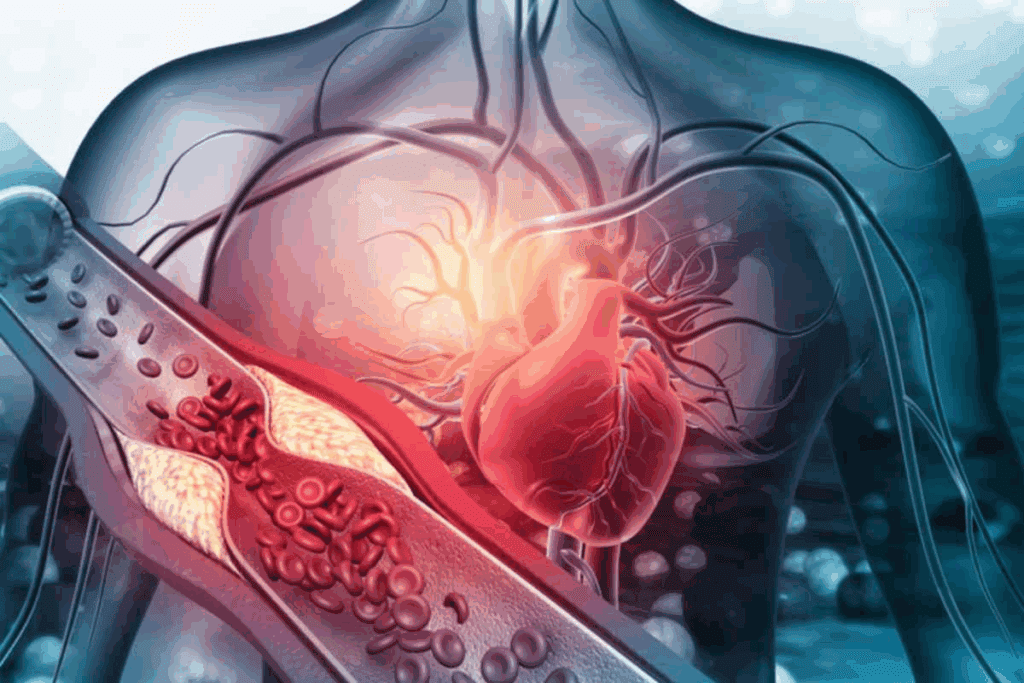
Coronary heart disease (CHD) is a big problem worldwide. Knowing the coronary heart disease risk factors is key to preventing and managing it. At Liv Hospital, we offer top-notch care to help patients grasp and manage these risks.
Studies show that over 99 percent of people who have heart attacks, strokes, or heart failures had at least one risk factor before their event. It’s important to spot and control these risks to lower the risk of heart attack and support heart health for life.
Key Takeaways
- Coronary heart disease is a major global health issue.
- Understanding and managing CHD risk factors is key for prevention.
- Liv Hospital offers advanced care for patients with cardiac risks.
- Identifying nonoptimal cardiac risk factors can prevent cardiac events.
- Controlling risk factors supports lifelong cardiac wellness.
Understanding Coronary Heart Disease and Its Global Impact
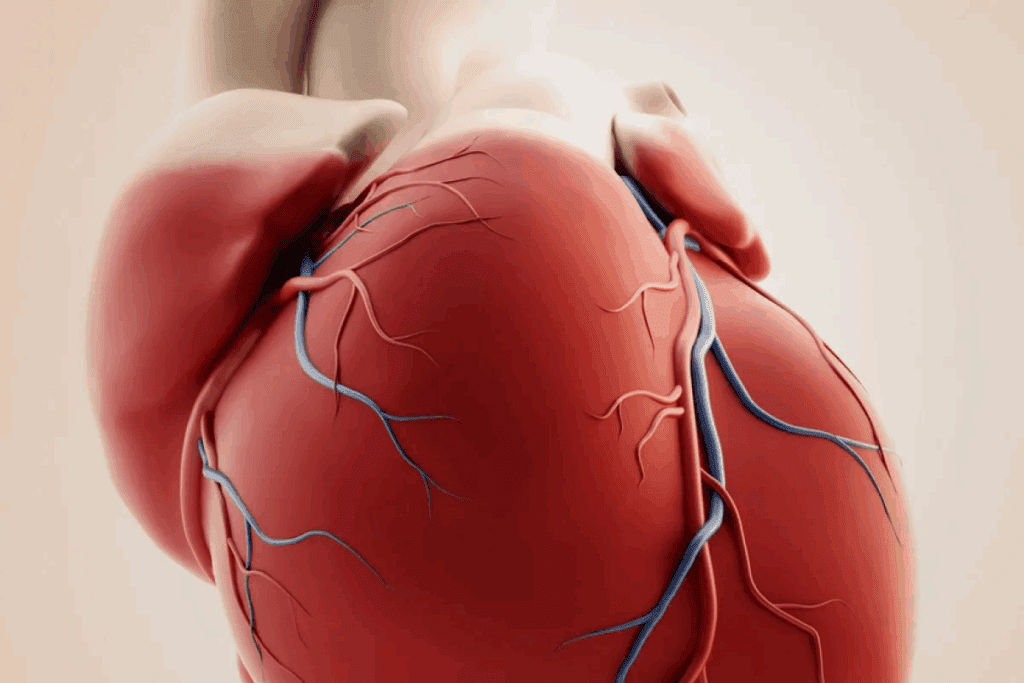
It’s important to understand coronary heart disease to tackle its global health issues. Coronary heart disease (CHD) happens when the heart’s blood supply gets blocked. This can cause heart attacks and strokes.
What is Coronary Heart Disease?
CHD is when plaque builds up in the heart’s arteries, reducing blood flow. This buildup, called atherosclerosis, can be due to genetics and lifestyle. High blood pressure, high cholesterol, smoking, and diabetes are common causes.
There are many risks for coronary heart disease. Some can be changed, like high blood pressure and smoking. Others, like age and gender, can’t be changed.
Prevalence and Mortality Statistics
Coronary heart disease is a major killer worldwide. Cardiovascular diseases cause about 18.6 million deaths each year. A big part of these deaths are due to CHD.
| Region | CHD Prevalence (%) | CHD Mortality Rate (per 100,000) |
| Global | 4.5 | 120 |
| North America | 5.2 | 100 |
| Europe | 5.5 | 130 |
The Burden of Preventable Cardiac Events
Many heart disease events can be prevented. By knowing the causes and risks, we can lower our chances of getting CHD. This includes making healthy lifestyle choices.
We can lessen the impact of coronary heart disease globally. By focusing on prevention and promoting healthy habits, we can make a difference. Eating right, staying active, avoiding tobacco, and managing stress are key.
The 12 Major CHD Risk Factors: An Overview

Knowing the 12 major risk factors for coronary heart disease (CHD) is key to preventing it. These factors can be grouped in different ways to show their impact on heart health.
Primary vs. Secondary Risk Factors
CHD risk factors are divided into primary and secondary. Primary factors directly cause CHD, like high blood pressure and smoking. Secondary factors can lead to primary factors or make them worse. For example, being overweight can cause high blood pressure, a primary risk factor.
Modifiable vs. Non-modifiable Factors
Another key distinction is between modifiable and non-modifiable risk factors. Modifiable factors can be changed through lifestyle or medicine. These include diet, exercise, and smoking status. Non-modifiable factors, like age and gender, can’t be changed but are important for risk assessment.
We will now look at how these risk factors interact and compound. A table will show the complex relationships between various CHD risk factors.
| Risk Factor | Type | Modifiability |
| High Blood Pressure | Primary | Modifiable |
| Elevated Cholesterol | Primary | Modifiable |
| Smoking | Primary | Modifiable |
| Obesity | Secondary | Modifiable |
| Physical Inactivity | Secondary | Modifiable |
| Family History | Primary | Non-modifiable |
| Age | Primary | Non-modifiable |
| Diabetes | Primary | Modifiable |
How Risk Factors Interact and Compound
Having many risk factors greatly increases the chance of getting CHD. For example, someone with high blood pressure, high cholesterol, and smokes is at much higher risk. Understanding these interactions is key for effective prevention and treatment plans.
By knowing the different types of CHD risk factors and how they work together, healthcare providers can give better advice and treatments. This helps lower the risk of coronary heart disease.
Metabolic Risk Factors: The Silent Dangers
Metabolic risk factors have a big impact on heart disease. They often go unnoticed until serious problems show up. These factors include a group of conditions that raise the risk of heart disease, like coronary heart disease (CHD).
Hypertension: The Leading Contributor
Hypertension, or high blood pressure, is a big risk for CHD. It’s called a “silent killer” because it usually doesn’t show symptoms until it’s damaged the heart. It’s important to manage high blood pressure through lifestyle changes and, if needed, medicine to prevent CHD.
Key statistics on hypertension:
| Category | Blood Pressure Reading | Risk Level |
| Normal | Less than 120/80 mmHg | Low |
| Elevated | 120-129/80 mmHg | Moderate |
| Stage 1 Hypertension | 130-139/80-89 mmHg | High |
| Stage 2 Hypertension | 140 or higher/90 or higher mmHg | Very High |
Cholesterol Abnormalities and Atherosclerosis
High levels of LDL cholesterol are a big problem for heart health. They lead to atherosclerosis, where plaque builds up in arteries. This can block blood flow, raising the risk of heart attack and stroke.
“The relationship between cholesterol levels and cardiovascular risk is well established, with LDL cholesterol being a primary target for intervention.”
Lowering cholesterol through diet, exercise, and statins can help prevent CHD.
Diabetes and Insulin Resistance
Type 2 diabetes is a big risk for CHD. Insulin resistance, which can lead to type 2 diabetes, also increases heart disease risk. The reasons include high cholesterol, high blood pressure, and inflammation, all common in diabetes and insulin resistance.
Key risk factors associated with diabetes:
- High blood glucose levels
- Insulin resistance
- Dyslipidemia
- Hypertension
Obesity and Body Mass Index
Obesity, measured by BMI, is a key risk factor for CHD. Being overweight raises the risk of high blood pressure, diabetes, and high cholesterol, all heart disease risks.
Keeping a healthy weight through diet and exercise is key to lowering CHD risk.
By understanding and managing these metabolic risk factors, individuals can significantly reduce their risk of developing coronary heart disease.
Lifestyle Factors That Contribute to Heart Disease
Our daily habits and lifestyle choices greatly affect our heart health. The choices we make can either raise or lower our risk of heart disease. Knowing these factors is key to making heart-healthy decisions.
Tobacco Use and Smoking
Smoking is a big risk for heart disease. It damages blood vessels, making them more likely to block. The American Heart Association says quitting smoking can greatly lower heart disease risk. Quitting smoking is one of the most effective ways to reduce the risk of heart disease.
“Quitting smoking is a powerful step towards a healthier heart,” says a leading cardiologist. “It’s never too late to quit, and there are many resources available to help individuals overcome nicotine addiction.”
Physical Inactivity and Sedentary Behavior
Being inactive is another big risk for heart disease. Regular exercise keeps the heart healthy and lowers the risk of high blood pressure and diabetes. Engaging in at least 150 minutes of moderate-intensity aerobic activity or 75 minutes of vigorous-intensity aerobic activity per week can significantly reduce the risk of heart disease.
Poor Dietary Habits and Nutrition
A diet high in bad fats, sodium, and cholesterol increases heart disease risk. On the other hand, eating more fruits, vegetables, whole grains, and lean proteins can lower this risk. The Dietary Approaches to Stop Hypertension (DASH) diet is a heart-healthy eating plan. A healthy diet is a cornerstone of heart disease prevention.
- Eat a variety of fruits and vegetables daily.
- Choose whole grains over refined grains.
- Limit intake of saturated and trans fats.
Excessive Alcohol Consumption
Drinking too much alcohol can raise blood pressure and increase heart disease risk. The American Heart Association suggests men limit alcohol to two drinks a day and women to one. Excessive alcohol consumption can lead to various health issues, including an increased risk of CHD.
By understanding and addressing these lifestyle factors, individuals can significantly reduce their risk of developing coronary heart disease. Making healthy lifestyle choices is a proactive step towards maintaining cardiovascular health.
Environmental and Emerging CHD Risk Factors
Understanding Coronary Heart Disease (CHD) is complex. Environmental factors greatly increase CHD risk. Studies show how environmental exposures harm our heart health. It’s vital to tackle these new risk factors.
Air Pollution and Particulate Matter
Air pollution is a big risk for CHD. Breathing in small particles, like PM2.5, can harm our heart. Long-term bad air quality worsens breathing problems and raises heart disease risk.
To lower CHD risk, we can reduce air pollution. Use air purifiers, stay away from busy streets, and support clean air policies.
Lead and Heavy Metal Exposure
Lead and heavy metals increase heart disease risk. They can damage blood vessels and raise blood pressure. Sources include work, water, and some products.
Stress and Psychosocial Factors
Stress and mental health also affect CHD risk. Stress can lead to unhealthy habits and harm our body. To reduce stress, try mindfulness, exercise, and social connections.
Sleep Disorders and Coronary Risk
Sleep problems, like sleep apnea, raise CHD risk. Poor sleep can cause inflammation and high blood pressure. Treating sleep issues is key to heart health.
| Environmental Factor | Impact on CHD Risk | Mitigation Strategies |
| Air Pollution | Increases inflammation and atherosclerosis | Use air purifiers, avoid heavily trafficked areas |
| Lead and Heavy Metals | Causes vascular dysfunction and hypertension | Avoid occupational exposure, check water quality |
| Chronic Stress | Leads to unhealthy behaviors and physiological changes | Practice mindfulness, exercise regularly |
| Sleep Disorders | Increases inflammation and insulin resistance | Treat sleep apnea, improve sleep hygiene |
Assessing Your Personal Coronary Risk
Knowing your risk for coronary heart disease is key. We’ll show you how to use tools to understand your risk. This helps find who needs care early.
Validated Risk Assessment Tools
Many models predict heart disease risk. SCORE2 and SCORE2-OP are popular. They look at cardiac risk factors like age, sex, blood pressure, and cholesterol.
Understanding Your Risk Score
After a risk assessment, knowing your score is important. A high score means you’re at higher risk. We’ll explain your score and what risk factor for chd it shows.
Your score comes from your health history, lifestyle, and coronary heart disease risk factors. Knowing these can help you lower your risk.
When to Seek Medical Evaluation
If your score is high, see a doctor. They can help lower your risk. They’ll check your health and suggest ways to reduce cardiac risk factors.
Don’t delay if you’re worried about your heart risk. Talk to a doctor. They’ll help you understand your risk and improve your heart health.
Practical Strategies to Reduce Your CHD Risk
By taking preventative steps and making healthy lifestyle choices, you can lower your risk of coronary heart disease. We will look at simple ways to cut down your CHD risk.
Heart-Healthy Dietary Approaches
Eating a heart-healthy diet is key to reducing CHD risk. Focus on foods like fruits, vegetables, whole grains, and lean proteins. The Mediterranean diet is highly recommended for its heart health benefits.
Here are the main parts of a heart-healthy diet:
- Eat lots of fruits and vegetables
- Choose whole grains over refined ones
- Use healthy fats like olive oil
- Limit foods high in saturated fats and cholesterol
- Drink less sodium
| Dietary Component | Recommended Intake | Benefits |
| Fruits and Vegetables | 5 servings a day | Rich in vitamins, minerals, and antioxidants |
| Whole Grains | At least half of total grain intake | High in fiber, vitamins, and minerals |
| Healthy Fats | Replace saturated fats with unsaturated fats | Lowers bad cholesterol, reduces inflammation |
Effective Exercise Recommendations
Regular exercise is vital for heart health. Aim for at least 150 minutes of moderate-intensity aerobic exercise or 75 minutes of vigorous-intensity aerobic exercise per week.
Good exercises include:
- Brisk walking
- Swimming
- Cycling
- Running
- High-intensity interval training (HIIT)
Stress Management Techniques
Chronic stress can increase CHD risk. Using stress management techniques can help lower this risk.
Effective stress management includes:
- Meditation and mindfulness practices
- Yoga
- Deep breathing exercises
- Progressive muscle relaxation
- Engaging in hobbies and leisure activities
Smoking Cessation Methods
Smoking greatly increases CHD risk. Quitting smoking can significantly lower this risk.
Ways to quit smoking include:
- Nicotine replacement therapy (NRT)
- Prescription medications like bupropion and varenicline
- Counseling and support groups
- Behavioral therapy
By adding these strategies to your daily life, you can greatly reduce your CHD risk.
Medical Interventions for Managing Coronary Risk
Managing coronary heart disease (CHD) needs a mix of medical steps to lower risk. We’ll look at different medical ways to manage coronary risk. These methods are backed by science and help prevent heart problems.
Blood Pressure Management
Hypertension is a big cardiac risk factor. It can be controlled with lifestyle changes and medicine. Keeping an eye on blood pressure and using meds when needed is key. Changes in diet, more exercise, and stress reduction help too.
Cholesterol-Lowering Therapies
High LDL cholesterol is a major risk factor of cad. We talk about statins and other meds to lower LDL. Eating right and exercising also keep cholesterol in check.
Diabetes Control and Prevention
Diabetes mellitus raises cad risk factor levels. Tight blood sugar control is vital. This includes meds, diet, and lifestyle changes. Catching diabetes early and managing it well can lower CHD risk.
Weight Management Approaches
Being overweight is a cardiac risk factor. It leads to other risks like high blood pressure and diabetes. A weight loss plan should include diet, exercise, and sometimes meds or surgery.
By tackling these areas, we can lower CHD risk and boost heart health. Managing coronary risk needs teamwork between doctors and patients. It involves both medical steps and lifestyle changes.
Special Considerations for High-Risk Populations
High-risk groups need special care when looking at coronary heart disease risk factors. They face unique challenges that can greatly affect their heart health.
Genetic Predisposition and Family History
People with a family history of coronary heart disease are at higher risk. Genetic predisposition is a big factor in risks like high blood pressure and cholesterol.
We suggest early risk checks and preventive steps for those with a family history of CHD.
Age and Gender Differences
Age and gender play big roles in CHD risk. Risk goes up with age, and men usually have a higher risk than pre-menopausal women. But, women’s risk goes up after menopause.
| Age Group | Men | Women |
| Under 55 | Higher Risk | Lower Risk |
| 55 and above | High Risk | Higher Risk |
Ethnic and Racial Disparities
Some ethnic and racial groups face more CHD risk. For example, African Americans often have higher blood pressure, which raises their CHD risk.
Pre-existing Cardiovascular Conditions
Those with heart conditions like past heart attacks or strokes are at high risk for more heart problems.
We stress the need to manage these conditions with lifestyle changes and, if needed, medical help to lower the risk of more heart issues.
Conclusion: Taking Control of Your Coronary Health
Knowing the risks of coronary heart disease is key to avoiding heart problems. By handling the causes and reducing risk factors, you can lower your chance of heart disease.
Living a healthy lifestyle is vital for your heart. Eat well, stay active, manage stress, and don’t smoke. These changes can help prevent heart disease.
It’s important to work with doctors to understand and manage your heart disease risk. Taking action can help you control your heart health and lower the risk of heart issues.
Understanding CHD risk and living a healthy lifestyle empowers us to make smart choices for our heart health.
FAQ:
What are the major risk factors for coronary heart disease?
Major risk factors include high blood pressure, bad cholesterol levels, diabetes, and obesity. Smoking, not exercising, and eating poorly also increase risk. Drinking too much alcohol, pollution, stress, and genetics play a role too.
How does hypertension contribute to coronary heart disease?
High blood pressure damages blood vessels. This makes them more likely to narrow or block, leading to heart attacks and strokes.
What is the role of cholesterol abnormalities in coronary heart disease?
High levels of bad cholesterol can cause plaque buildup in arteries. This increases the risk of heart disease.
How can lifestyle changes help reduce the risk of coronary heart disease?
Eating well, exercising, quitting smoking, and managing stress can lower heart disease risk.
What are the benefits of using validated risk assessment tools to assess coronary risk?
These tools identify high-risk individuals. This allows for early prevention and intervention.
How can stress management techniques help reduce coronary risk?
Techniques like meditation and yoga reduce stress and anxiety. This lowers heart disease risk.
What are the benefits of a heart-healthy dietary approach?
Eating fruits, veggies, whole grains, and lean proteins lowers heart risk. It reduces bad fats, sodium, and sugars.
How can medical interventions help manage coronary risk?
Managing blood pressure, cholesterol, diabetes, and weight can lower heart disease risk in high-risk individuals.
What are the special considerations for high-risk populations?
Those with a family history, certain ages, ethnicities, and conditions need tailored prevention strategies.
How can coronary heart disease risk be reduced through physical activity?
Exercise improves heart health, lowers blood pressure, and better lipid profiles. This reduces heart disease risk.
What is the impact of air pollution on coronary heart disease risk?
Air pollution is a major risk factor. Reducing exposure can lower heart disease risk.
How can sleep disorders contribute to coronary heart disease risk?
Sleep disorders like sleep apnea increase heart disease risk. They contribute to high blood pressure and inflammation.
References:
- White, H. J. (2023). Anatomy, Thorax, Superior Vena Cava. In StatPearls. National Center for Biotechnology Information. https://www.ncbi.nlm.nih.gov/books/NBK545255/