
Choosing surgery for a bulging or herniated disc is a big decision. At Liv Hospital, we know how important it is to know the risks.
Bulging or herniated discs can really hurt and cause pain. Surgery can help, but it’s key to know the possible problems. The Mobi-C Cervical Disc Prosthesis is used for cervical disc replacement.
We’ll talk about 12 big risks of bulging disc surgery. This will help you decide on your treatment. Our aim is to give you all the info you need for your health and safety.
Key Takeaways
- Knowing the risks of bulging disc surgery is key for making a good choice.
- Surgery, like disc replacement, can really help with symptoms.
- Complications like infection, bleeding, and nerve injury can happen.
- Knowing the risks helps you get ready for surgery and what comes after.
- Liv Hospital is dedicated to top-notch healthcare and support for international patients.
Understanding Bulging Disc Surgery and When It’s Recommended
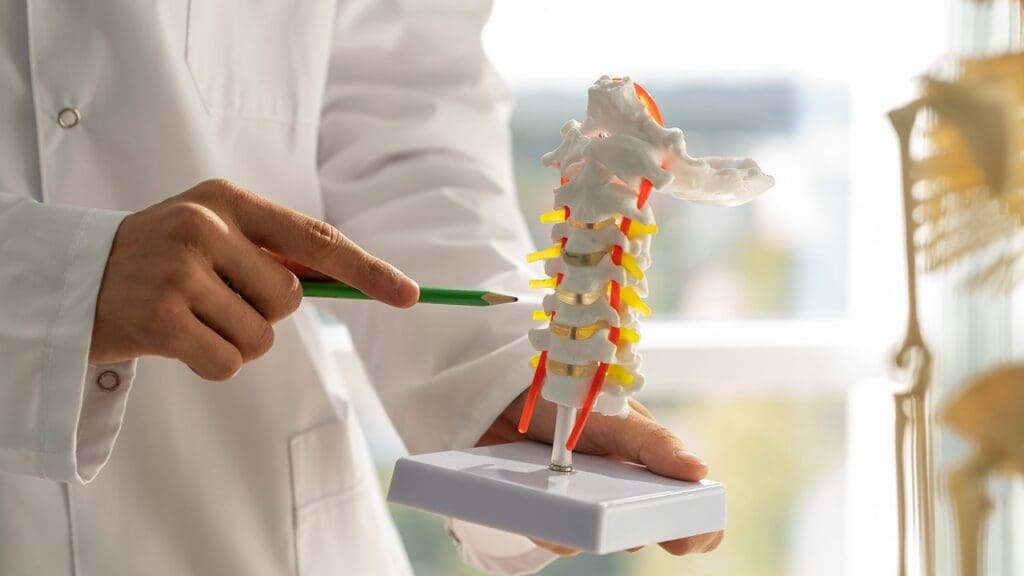
If other treatments don’t work, surgery for a bulging disc might be needed. This choice can be scary. It’s key to know what the surgery is and what it means.
Different Names for Similar Procedures
Surgery for a bulging disc is also called disc herniation surgery and spinal hernia surgery. These surgeries help with symptoms from a bulging or herniated disc. The name depends on the disc’s location and the problem.
Common Surgical Approaches
There are a few ways to fix a bulging disc, like discectomy and spinal fusion. The right surgery depends on the patient’s situation and the disc’s location. For example, the Mobi-C Cervical Disc Prosthesis is used for certain disc problems in the neck.
When Conservative Treatments Fail
First, doctors try treatments like physical therapy and medicine for a bulging disc. But if these don’t help, surgery might be next. We look at how bad the symptoms are and how they affect the patient’s life before suggesting surgery.
Talking to a doctor about the risks and benefits of surgery is very important. This helps make a well-informed choice.
Is Bulging Disc Surgery Safe? Success Rates and General Considerations
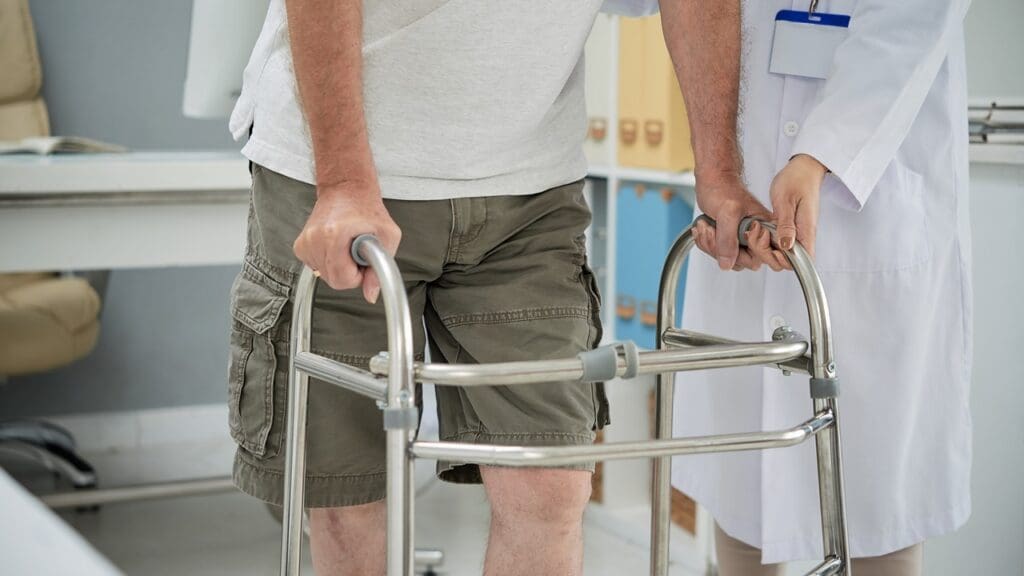
Knowing if bulging disc surgery is safe is key to making smart choices about your spine. We’ll look into how safe and successful this surgery is. We’ll also talk about what affects the results.
Overall Safety Profile
Bulging disc surgery is usually safe if done by skilled surgeons on the right patients. The safety depends on the patient’s health, the surgery method, and the surgeon’s skill.
Success Rates for Different Types of Disc Surgeries
The success of bulging disc surgery changes with the type of surgery and the problem being fixed. For example, the Mobi-C Cervical Disc Prosthesis has shown good results in studies. This shows cervical disc replacement can work well.
| Type of Surgery | Success Rate | Complication Rate |
|---|---|---|
| Lumbar Discectomy | 80-90% | 5-10% |
| Cervical Disc Replacement | 85-95% | 3-8% |
Lumbar vs. Cervical Disc Procedures
Lumbar and cervical surgeries have different safety and success rates. Lumbar surgeries are more common and have a well-known safety record. Cervical surgeries are also safe but have unique risks because of the neck’s anatomy.
Understanding these differences helps patients make better choices about their treatment.
Bulging Disc Surgery Risks: The 5-15% Complication Rate
Thinking about bulging disc surgery? It’s key to know the risks and complication rates. This surgery is often suggested for those with bad or lasting symptoms. It has a complication rate of 5% to 15%.
This means many surgeries go well without problems. But, a big part of patients might face complications.
Understanding the Statistics
The risk of complications with bulging disc surgery depends on several things. These include the patient’s health, the surgery method, and the surgeon’s skill. Research shows the complication rate for disc surgery usually falls between 5% and 15%.
| Complication Type | Estimated Rate | Factors Influencing Risk |
|---|---|---|
| Infection | 1-3% | Patient health, surgical technique |
| Nerve Damage | 2-5% | Surgeon experience, anatomical complexity |
| Dural Tears | 1-2% | Surgical approach, patient anatomy |
Factors That Increase Your Risk
Several things can make surgery riskier. These include age, health problems, and other spinal issues. Knowing these can help you and your doctor decide if surgery is right for you.
How to Interpret Surgical Risk Information
Understanding surgical risks means knowing the stats and what affects your risk. It’s vital to talk to your surgeon about your situation. This way, you’ll understand the surgery’s benefits and risks.
Risk #1: Infection Following Surgery
Infection is a possible problem after any surgery, including bulging disc surgery. It’s important for both patients and doctors to know about this risk. “Infection after disc surgery” can cause serious issues, so it’s key to understand how common it is, what increases the risk, and how to manage it.
Incidence Rates and Risk Factors
The chance of getting an infection after bulging disc surgery is small. But, some things can make this risk higher. These include health issues like diabetes, smoking, and being overweight. Proper preoperative care and sterile surgical techniques help lower this risk.
Prevention and Treatment Options
To prevent infection, we use several steps before, during, and after surgery. These include giving antibiotics, taking good care of the wound, and watching for infection signs after surgery. If an infection happens, treatment usually involves antibiotics. Sometimes, more surgery is needed to deal with the infection.
When we talk about bulging disc surgery, it’s important to remember that infection is a risk, but it’s not common. By knowing the risks and taking steps to prevent them, patients and doctors can work together to avoid complications.
Risk #2: Excessive Bleeding and Hematoma Formation
Excessive bleeding and hematoma formation are big risks with bulging disc surgery. Patients should know about these risks before the surgery. Bleeding can happen during or after the surgery. It’s key to understand what can cause this risk.
Why Bleeding Occurs During Disc Surgery
Bleeding during surgery can be due to several things. These include the surgery method, the patient’s health, and medicines that affect blood clotting. Medicines that prevent blood clotting can raise the risk of bleeding. Doctors try to avoid bleeding, but it’s a risk to think about.
Complications from Postoperative Bleeding
After surgery, bleeding can cause a hematoma. This is when blood gathers outside blood vessels. It can press on nerves, causing pain or problems with movement. It’s important to get medical help right away if you think you have a hematoma.
| Complication | Description | Symptoms |
|---|---|---|
| Hematoma | Collection of blood outside blood vessels | Pain, numbness, weakness |
| Nerve Compression | Pressure on nerves due to hematoma | Numbness, tingling, pain |
| Infection | Infection at the surgical site | Fever, redness, swelling |
A medical expert said,
“Managing bleeding complications is key in spinal surgery. Quick action can stop long-term harm.”
This shows why it’s vital to watch closely and act fast if you see any bleeding or hematoma signs.
Risk #3: Nerve Damage and Neurological Complications
One risk of bulging disc surgery is nerve damage. This can cause neurological problems. It’s important for patients to know about these risks and signs.
Temporary vs. Permanent Nerve Injury
Nerve damage from surgery can be either short-term or permanent. Short-term damage usually heals within a few months. But, permanent damage can lead to lasting neurological issues. We’ll look at what makes nerve damage temporary or permanent.
Signs of Nerve Damage After Surgery
It’s key to know the signs of nerve damage after surgery. Symptoms depend on where and how badly the nerve is damaged.
Motor Function Impairment
One sign is weakness or paralysis in a limb. For example, damage in the lower back can make walking hard.
Sensory Disturbances
Sensory issues like numbness or pain are also signs. These can happen in areas where the nerves are damaged. Damage in the neck might cause problems in the arms or hands.
Some people might have both weakness and sensory issues. A study on spine surgery myths shows why knowing these risks is important.
| Signs of Nerve Damage | Description |
|---|---|
| Motor Function Impairment | Weakness or paralysis in the affected limb |
| Sensory Disturbances | Numbness, tingling, or pain in areas served by the damaged nerves |
Risk #4: Dural Tears and Cerebrospinal Fluid Leaks
During bulging disc surgery, there’s a risk of damaging the dura mater. This can cause cerebrospinal fluid to leak. This complication, known as a dural tear, can lead to various symptoms and may require additional treatment.
How and Why Dural Tears Occur
Dural tears occur when the dura mater is accidentally damaged. This protective membrane surrounds the spinal cord and nerves. It can happen during surgery due to the complexity of the anatomy or the delicacy required during the operation.
A study in the Journal of Neurosurgery: Spine found dural tears in 4.5% to 17.4% of lumbar spine surgeries. Older age, previous spinal surgery, and complex anatomy increase the risk.
Symptoms and Treatment Approaches
Symptoms of dural tears include headache, nausea, and vomiting. These are usually caused by the loss of cerebrospinal fluid. Treatment often starts with bed rest and hydration. In severe cases, surgical repair may be needed.
| Symptoms | Treatment Approaches |
|---|---|
| Headache | Conservative management with bed rest |
| Nausea and vomiting | Hydration and monitoring |
| Severe cases | Surgical repair |
a renowned neurosurgeon, says, “Prompt recognition and appropriate management of dural tears are key to preventing further complications.”
“The key to managing dural tears lies in early detection and tailored treatment strategies.”
Risk #5: Failed Back Surgery Syndrome
For some, bulging disc surgery doesn’t work as hoped, causing failed back surgery syndrome (FBSS). This condition means ongoing or coming back pain after surgery. It can be as bad as the pain before the surgery.
Why Surgery Sometimes Fails to Relieve Pain
There are several reasons why bulging disc surgery might not ease pain. These include:
- Incomplete removal of the herniated disc
- Recurrence of disc herniation
- Scarring or fibrosis
- Instability or misalignment of the spine
- Pre-existing conditions not addressed by surgery
Knowing these reasons is key to understanding what might happen. It helps set realistic hopes and look into other treatments.
Management Options After Failed Surgery
If you’ve had failed back surgery syndrome, there are ways to manage it:
| Management Option | Description |
|---|---|
| Physical Therapy | Targeted exercises to improve mobility and strength |
| Pain Management | Medications and interventions to control pain |
| Revision Surgery | Additional surgery to address the cause of failed initial surgery |
We help patients find the best way to manage their condition. We consider their unique situation and medical history.
Risk #6: Disc Re-herniation and Recurrent Symptoms
Disc re-herniation is a possible complication after bulging disc surgery. It can lead to symptoms coming back. This is a big worry for those who have had surgery, as it might mean more treatment is needed.
Re-herniation Rates and Timeframes
Research shows that disc re-herniation can happen within a few years after surgery. The rate varies, from 5% to 15%. This depends on the surgery method and the patient’s health.
Risk Factors for Recurrence
Several things can make disc re-herniation more likely. These include:
- Age: Older people might face a higher risk because of spine changes.
- Surgical Technique: The surgery method can affect the chance of re-herniation.
- Postoperative Care: Following doctor’s orders and rehab can lower the risk.
Knowing these risk factors helps manage expectations and lower the chance of disc re-herniation. By being proactive and following doctor’s advice, patients can improve their chances after surgery.
Risk #7: Adjacent Segment Disease and Accelerated Degeneration
When thinking about bulging disc surgery, it’s key to know the risks. These include adjacent segment disease and accelerated degeneration. These can harm your spine’s long-term health.
How Surgery Affects Neighboring Discs
Surgery for bulging discs aims to ease symptoms. But, it can change how your spine works. This might stress out the discs next to the treated area. Adjacent segment disease is when these discs start to break down or herniate.
Long-term Implications for Spinal Health
The effects of adjacent segment disease can last a long time. As the discs next to the surgery spot wear out, you might face new or old symptoms. This could mean more surgery is needed. It’s important to know these risks to make good choices about surgery.
Talk to your doctor about these long-term effects. They can help you understand how they might affect your spine.
Risks #8-12: Rare but Serious Complications
Exploring the risks of bulging disc surgery is key. We must know the rare but serious complications that can happen. Most patients don’t face these issues, but knowing about them helps in making the right choice for your health.
Risk #8: Paralysis and Permanent Neurological Damage
Paralysis or permanent neurological damage is a rare but severe risk. It can happen if nerves are damaged during surgery. Talking to your surgeon about your risk factors is vital to understand your chances.
Risk #9: Deep Vein Thrombosis and Pulmonary Embolism
Deep vein thrombosis (DVT) is a blood clot in deep veins, usually in the legs. If it breaks loose, it can go to the lungs, causing a pulmonary embolism. This is very dangerous. Moving early and taking blood thinners can lower this risk.
Risk #10: Anesthesia Complications
Anesthesia complications, though rare, can be serious. They range from mild to severe reactions or breathing problems. Talking to your anesthesiologist about your options can help lessen these risks.
Risk #11: Hardware Failure in Fusion Surgeries
In fusion surgeries, screws or rods are used to stabilize the spine. If these fail, it might need more surgery to fix or replace them. New techniques and hardware designs have made this less common.
Risk #12: Chronic Pain Syndromes
Some patients may get chronic pain after surgery. This can be from nerve damage or ongoing inflammation. A good pain management plan is key to dealing with chronic pain.
Knowing about these rare but serious complications helps in making a well-informed decision about surgery. It’s important to consider these risks against the benefits and talk to your healthcare provider about any worries.
Special Considerations for Lumbar Disc Herniation Surgery
Lumbar disc herniation surgery is effective but comes with risks and recovery needs. It’s key to know the unique aspects of this surgery for a herniated disc in the lower back.
Unique Risks of Lower Back Procedures
Surgery on the lumbar spine has specific risks. The lower back is complex and sensitive. Nerve damage is a big worry, as it affects lower body functions. Also, infection and bleeding risks are present, like with any surgery.
| Risk Factor | Description | Precautions |
|---|---|---|
| Nerve Damage | Potential for injury to nerves controlling lower body functions | Precise surgical techniques, neuromonitoring |
| Infection | Risk of post-surgical infection | Antibiotic prophylaxis, sterile environment |
| Bleeding | Risk of excessive bleeding during or after surgery | Hemostatic agents, careful patient monitoring |
Recovery Expectations for Lumbar Surgery
Recovery from lumbar disc herniation surgery varies. It usually involves rest and physical therapy. Knowing the recovery helps set realistic goals and eases the way back to health.
When Lumbar Surgery Is Worth the Risk
For many, lumbar disc herniation surgery is a game-changer. It relieves chronic pain and improves mobility. We consider the benefits and risks to decide if surgery is right.
Conclusion: Making an Informed Decision About Bulging Disc Surgery
Understanding the risks of bulging disc surgery is key to making a good choice. We’ve looked at many complications, like infections and nerve damage. We’ve also talked about failed back surgery syndrome and adjacent segment disease.
When deciding about surgery, think about your own situation and how bad your condition is. Talk to your doctor about the risks and benefits for you. Knowing all about bulging disc surgery and its risks helps you make the best choice for yourself.
What is bulging disc surgery, and when is it recommended?
Bulging disc surgery is a treatment for bulging or herniated discs in the spine. It’s considered when other treatments don’t work.
What are the different names for bulging disc surgery?
It’s also known as disc herniation operation, spinal hernia surgery, and more. These names all refer to the same procedure.
Is bulging disc surgery safe?
While it can be effective, it has a 5-15% complication rate. Knowing the risks and benefits is key to making a choice.
What are the risks associated with bulging disc surgery?
Risks include infection, bleeding, nerve damage, and more. It’s important to understand these risks before surgery.
How can I minimize the risk of infection after bulging disc surgery?
By knowing the risk factors and following prevention steps, you can lower the chance of infection.
What are the signs of nerve damage after bulging disc surgery?
Signs include numbness, tingling, and pain. If you notice these, seek medical help right away.
What is failed back surgery syndrome, and how is it managed?
It’s when surgery doesn’t relieve pain. There are ways to manage it, and knowing them can help you decide on treatment.
Can disc re-herniation occur after bulging disc surgery?
Yes, it’s a risk that can cause symptoms to come back. Knowing the risk can help prevent it.
How does bulging disc surgery affect neighboring discs?
It can harm nearby discs, leading to disease and faster degeneration. Understanding this can help you think about surgery’s long-term effects.
Are there any rare but serious complications associated with bulging disc surgery?
Yes, serious complications like paralysis and chronic pain can happen. Knowing these risks can help you understand the seriousness of surgery.
What are the unique risks associated with lumbar disc herniation surgery?
Lower back surgery has its own risks. Knowing these and what to expect can help you decide if it’s right for you.
How do I interpret surgical risk information for bulging disc surgery?
By understanding the statistics and what increases your risk, you can make a better decision about surgery.
Should I have surgery for a herniated disc?
The decision depends on your symptoms, treatment success, and health. Knowing the risks and benefits can help you decide.