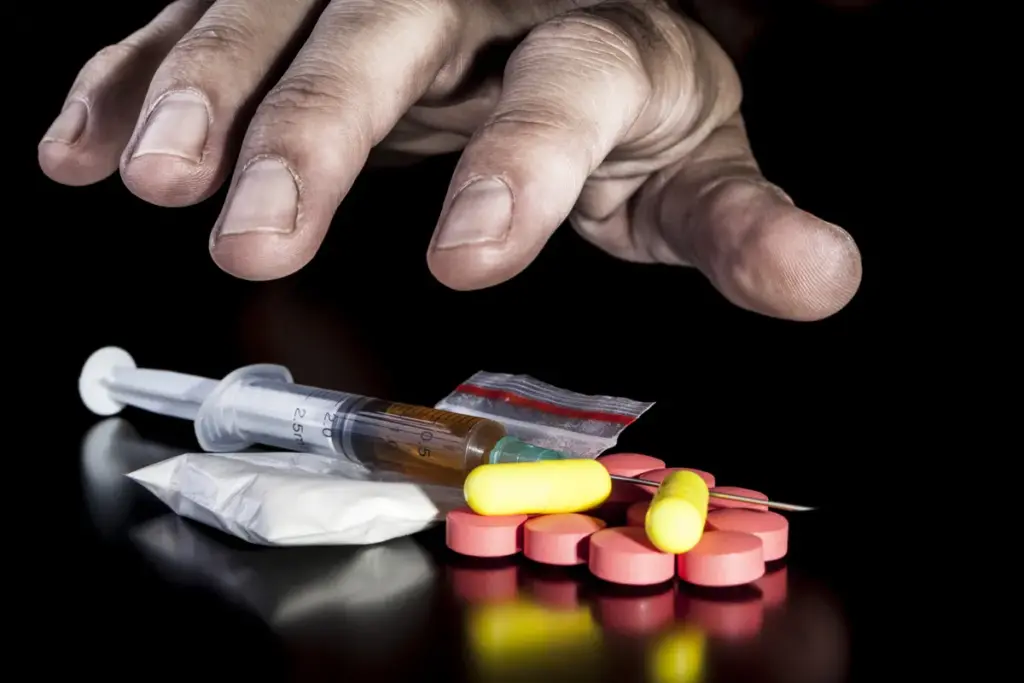
Opioid addiction is a serious condition. It makes people want to use opioids more and more. They also need more to feel the same effect. If they stop, they get withdrawal symptoms.
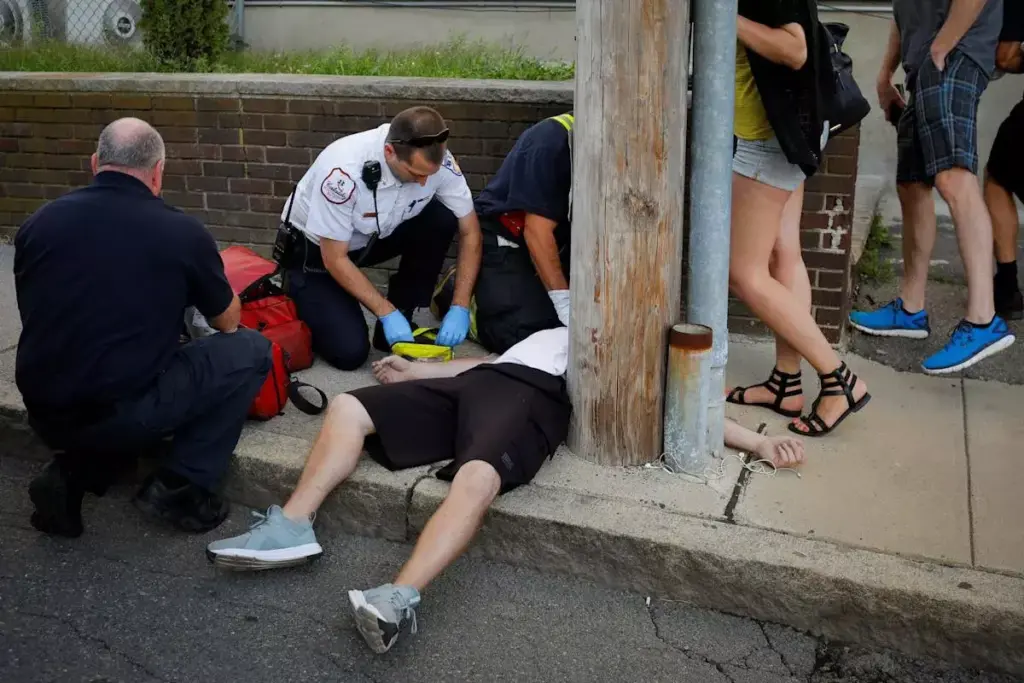
In America, someone dies from an opioid overdose every eleven minutes. This shows how urgent it is to spot opioid dependence early.
Knowing the warning signs can save lives. At Liv Hospital, we offer top-notch medical care. We use proven treatments and care that puts patients first.
We know how hard opioid use disorder affects families. It’s key to spot the signs early to help them.
Key Takeaways
- Opioid addiction is a chronic medical condition with serious consequences.
- Spotting opioid dependence signs early is vital for support.
- Liv Hospital offers full care for those with opioid use disorder.
- Knowing the warning signs can prevent deadly outcomes.
- Proven treatments are essential for beating opioid addiction.
Understanding Opioid Use Disorder (OUD)
Opioid Use Disorder (OUD) is a big problem worldwide. It’s when people misuse opioid medicines, causing a lot of trouble in their lives. Knowing about OUD is key to fighting the opioid crisis.
What Is Opioid Addiction?
Opioid addiction is a big part of OUD. It’s when someone can’t stop using opioids, even when it hurts them. They might need more and more of the drug to feel good.
They might also get withdrawal symptoms when they stop using. These symptoms can be very bad. They make people want to keep using opioids to feel better.
How People Become Addicted to Pain Pills
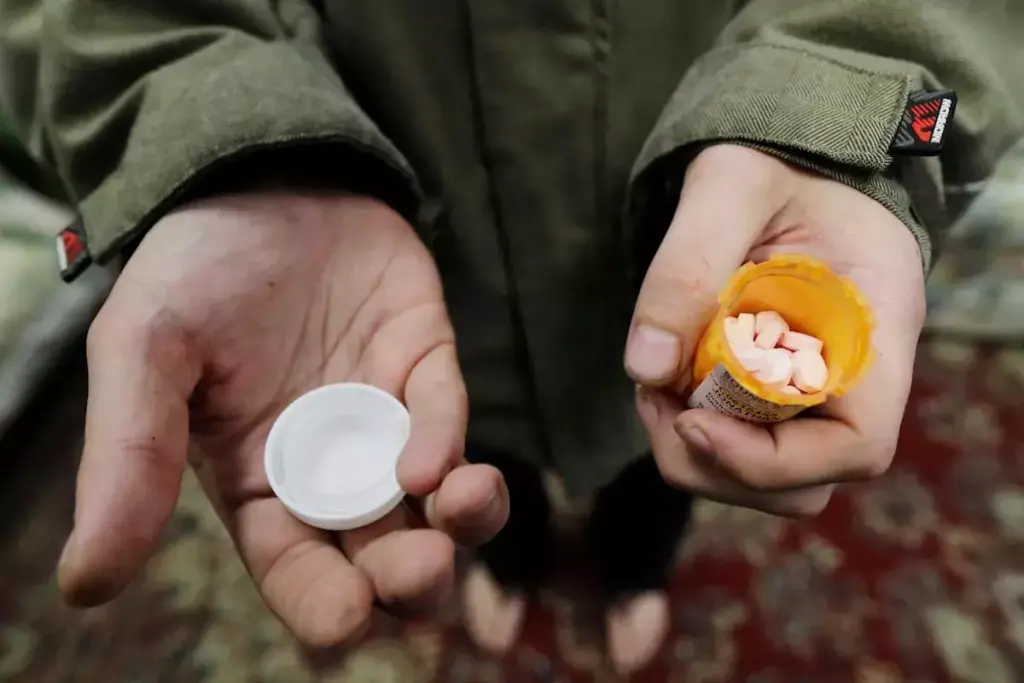
People can start using pain pills for real reasons, like pain. But, the feeling they give can make people want to keep using them. This can lead to addiction.
Using opioids for a short time can make the body depend on them. Without the drug, withdrawal symptoms happen. This can start a cycle of addiction, as people use opioids to avoid these symptoms.
About 3 to 12 percent of people who take opioids for pain get addicted. Knowing how addiction happens is important to prevent it.
Physical Symptoms of Opioid Addiction
Opioid addiction shows clear physical signs that warn of a problem. It’s key to know these signs to help those affected. Let’s look at how opioid dependence shows itself physically.
1. Developing Tolerance to Opioids
One early sign of opioid addiction is tolerance. People need more opioids to feel the same effects. This increased tolerance can start a cycle of needing more and more.
2. Experiencing Withdrawal Symptoms
When someone stops or cuts back on opioids, they might feel withdrawal. Symptoms like body aches, sweating, and insomnia can be tough. These signs show a strong physical need for opioids.
3. Changes in Physical Appearance
Opioid addiction can change how someone looks. They might lose weight or have different pupil sizes. These changes start small but grow as addiction worsens.
4. Sleep Pattern Disruptions
People with opioid addiction often have trouble sleeping. Opioids mess with sleep, causing insomnia or too much sleep. This can make addiction’s physical and mental effects worse.
Spotting these physical signs is vital for spotting opioid addiction. Knowing these signs helps us support those struggling. It’s important to understand the physical signs of opioid dependence to help fully.
Behavioral and Psychological Signs and Symptoms of Opioid Addiction
Opioid addiction shows itself in many ways, not just physical signs. It affects how people act and feel. As addiction grows, changes in behavior and mind can show a person’s fight.
Doctor Shopping and Prescription Behaviors
“Doctor shopping” is a big sign of opioid addiction. People see many doctors to get more prescriptions. They might lie or make up symptoms to get more drugs.
Those struggling with addiction might also take big risks. They might fake prescriptions or buy drugs from the wrong places.
Social Withdrawal and Relationship Changes
Opioid addiction can make people pull away from friends and family. They might lose interest in things they used to love. They might even choose to be alone, preferring the company of others who use drugs.
Neglecting Responsibilities
As addiction gets worse, people might ignore their duties. They might miss work, school, or forget about their family. They might not even take care of their home.
Financial Problems
Dealing with addiction can be very expensive. It can lead to big money problems. People might go into debt, steal, or sell things they own to keep using drugs.
| Behavioral/Psychological Sign | Description |
| Doctor Shopping | Visiting multiple healthcare providers to obtain additional opioid prescriptions. |
| Social Withdrawal | Withdrawing from social interactions, family, and friends. |
| Neglecting Responsibilities | Failing to fulfill obligations at work, school, or home. |
| Financial Problems | Experiencing financial strain due to the cost of maintaining an opioid addiction. |
Conclusion: Recognizing Opioid Dependence and Getting Help
Seeing the signs of opioid dependence is the first step to recovery. Opioid use disorder is a chronic condition where people can’t stop using opioids, even when it hurts them. Knowing the opioid addiction definition and spotting signs like increased tolerance and withdrawal symptoms is key. It helps us support and guide those affected.
There are effective treatments out there. Medications like methadone, buprenorphine, and naltrexone can help reduce cravings and withdrawal symptoms. Behavioral therapies, like cognitive-behavioral therapy, help people understand their addiction and find ways to cope. By recognizing the symptoms of opioid use disorder, we can encourage people to start their recovery journey.
Getting professional help is vital for beating opioid dependence. We offer full support and guidance on the path to recovery. By understanding the signs of opioid dependence and the treatments available, we can tackle this serious public health issue together.
FAQ
What are the common signs of opioid addiction?
Signs of opioid addiction include needing more of the drug to feel the same effect. You might also see withdrawal symptoms. Other signs are changes in how you look, trouble sleeping, and ignoring important tasks.
Financial problems and avoiding friends and family are also common. These signs show a person might be struggling with addiction.
How do people become addicted to painkillers?
People can get hooked on painkillers when they’re given them for pain. Over time, they start to need the drug to feel normal. This is because the drug makes them feel good and their body gets used to it.
What is opioid use disorder (OUD)?
Opioid use disorder (OUD) is a serious condition. It happens when someone uses opioids too much and it starts to control their life. Signs include needing more of the drug, feeling sick when they stop, and using it even when it hurts their life.
What are the physical signs of opioid dependence?
Physical signs of dependence include changes in how you look, like weight changes or poor hygiene. You might also have trouble sleeping. Trying to stop using opioids can make you feel very sick.
Can opioid addiction be treated?
Yes, opioid addiction can be treated. Doctors use medicines like methadone or buprenorphine. They also use therapy to help people manage withdrawal and stay sober.
What are the symptoms of opioid withdrawal?
Symptoms of withdrawal include feeling anxious or agitated. You might also have muscle aches, trouble sleeping, diarrhea, and nausea. How bad these symptoms are can vary from person to person.
How can I identify if someone is struggling with opioid addiction?
Look for changes in behavior and social withdrawal. If someone is ignoring important tasks or looks different, it could be a sign. Also, watch for sleep problems.
What is the difference between opioid addiction and dependence?
Addiction is when someone uses opioids even though it hurts their life. Dependence is when they need opioids to avoid feeling sick. Often, someone can have both at the same time.
References:
National Center for Biotechnology Information. Evidence-Based Medical Guidance. Retrieved from https://www.ncbi.nlm.nih.gov/books/NBK553166/