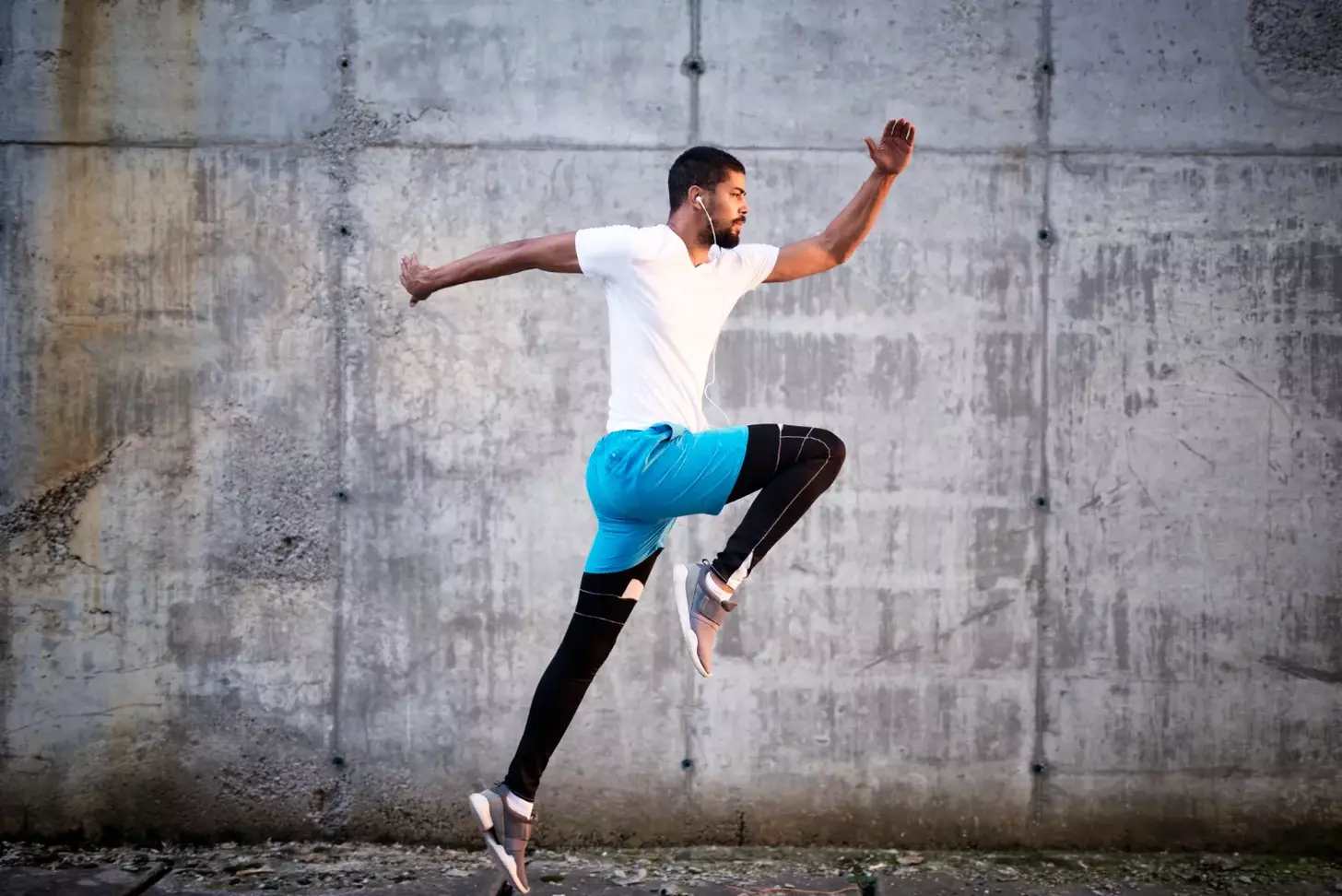
Knee replacement surgery can change a person’s life. It not only relieves pain but also brings back mobility. Thanks to new knee replacement tech, many athletes can get back to their sports quickly. Studies show that about 60 percent of athletes can start sports again after a partial knee replacement surgery, usually in just 10 weeks.
At Liv Hospital, we help athletes and regular people get back to their active lives after knee surgery. We offer top-notch care and a plan that’s tailored to each person. Our goal is to support patients on their recovery path, so they can confidently get back to their favorite sports and activities.
Key Takeaways
- Nearly 60% of athletes return to sports after partial knee replacement surgery.
- Recovery typically occurs within 10 weeks.
- Modern knee replacement technology supports athletic recovery.
- Liv Hospital provides personalized care for patients undergoing knee replacement surgery.
- Athletes and non-athletes alike can benefit from advanced knee replacement procedures.
The Evolution of Knee Replacement Surgery for Athletes
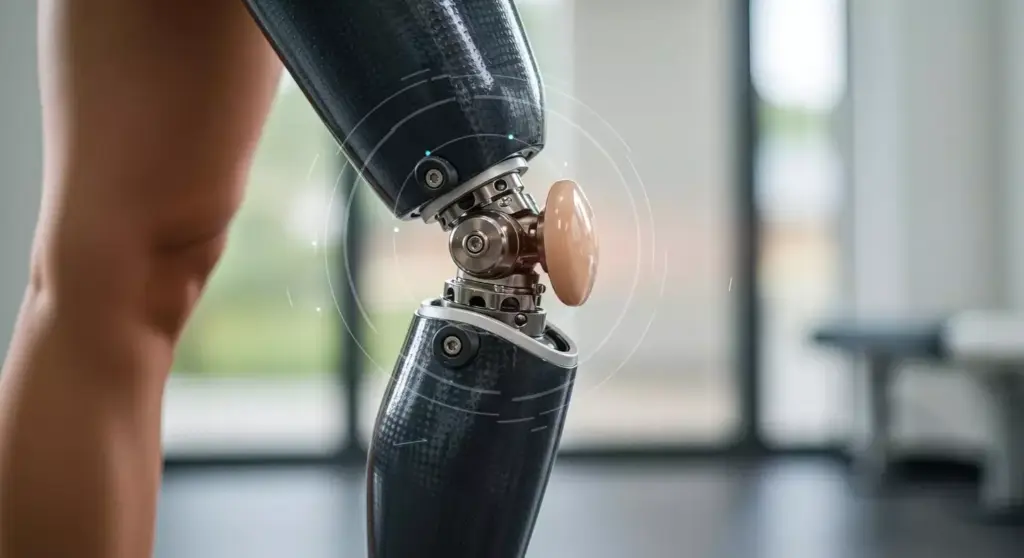
Advances in knee replacement tech have changed how athletes recover and get back to sports. The stories of athletes coming back to sports after knee surgery show how far medicine has come. Now, athletes can regain their strength and compete again more effectively than ever.
Types of Knee Replacements: Partial vs. Total
Knee replacement surgery isn’t the same for everyone. There are mainly two kinds: partial and total knee replacements. Partial knee replacement fixes only the damaged part, keeping the healthy parts. This is less invasive and can lead to faster recovery.
Total knee replacement replaces the whole knee joint with prosthetics. It’s more invasive but needed for severe damage.
Advancements in Athletic Knee Replacement Technology
New tech in knee replacement has greatly improved outcomes for athletes. Improved prosthetic materials and customized implants make knee replacements more durable and functional. Also, minimally invasive surgical techniques cut down on recovery time and tissue damage.
- Enhanced prosthetic materials for durability
- Customized implants for better fit
- Minimally invasive surgical techniques
Why Elite Athletes Often Need Knee Replacements
Elite athletes often get knee injuries because of their sport’s demands. Years of hard training and competition wear down the knee joint, sometimes needing surgery. “Many elite athletes face knee replacement due to years of joint stress,” a top orthopedic surgeon says.
Knowing about knee replacement surgery’s evolution and its parts helps athletes make better choices. As tech keeps improving, athletes have a brighter future returning to their sports after surgery.
Can You Jump After Knee Replacement? The Medical Facts
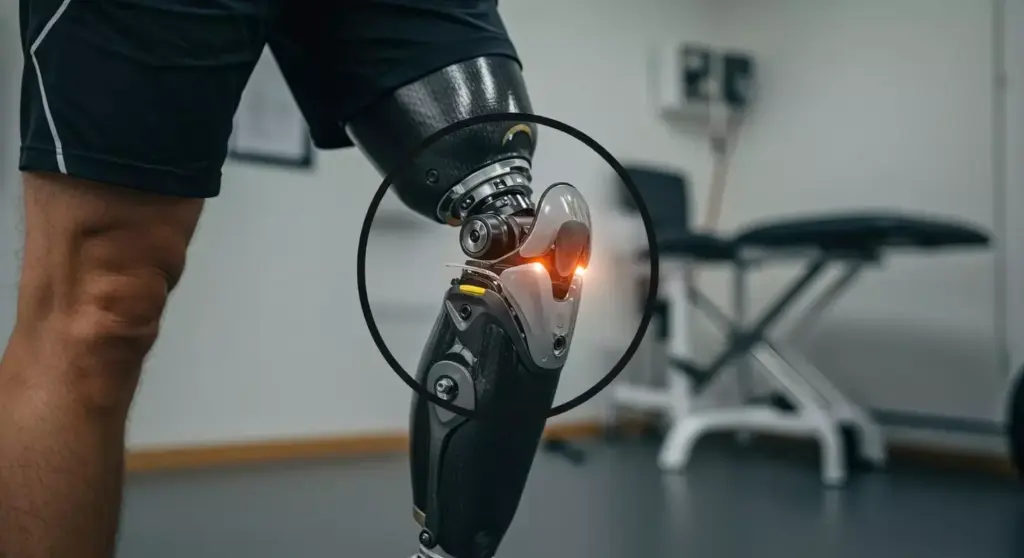
Knee replacement surgery has made big strides. But, can patients jump again after surgery? It’s key to know the medical facts about jumping and prosthetic joints.
Impact Forces and Their Effect on Prosthetic Joints
Jumping is a high-impact activity that puts a lot of stress on the knee. For prosthetic joints, this stress could cause wear and tear or damage. Research shows that high-impact activities can increase the risk of prosthetic loosening over time. So, understanding impact forces is vital for knowing if jumping is safe after knee replacement.
The forces from jumping are big, and how they affect prosthetic joints depends on many things. This includes the type of prosthetic and the patient’s bone quality. Studies say that well-designed prosthetics can handle some impact, but the long-term effects are not fully known.
Differences in Jumping Restrictions: Partial vs. Total Replacements
The type of knee replacement surgery affects how soon you can jump. Partial knee replacements have different recovery and activity rules than total knee replacements. Patients with partial replacements might be able to jump sooner, but it depends on their surgery and rehab.
Total knee replacements replace the whole knee joint. This means different rules for jumping. Even with modern designs, jumping is often not recommended due to the risks.
Research on Long-term Effects of Impact Activities
Research is ongoing to understand the long-term effects of impact activities after knee replacement. Studies look at how well prosthetic joints last, patient outcomes, and complications in those who play high-impact sports. This research will help create guidelines for patients and doctors.
Some studies suggest that some patients can do high-level activities again. But, high-impact sports like running and jumping are usually not recommended after knee replacement. The decision to do these activities should be based on the patient’s condition, the prosthetic type, and their health.
Recovery Timeline: Returning to Sports After Surgery
The journey back to sports after knee replacement surgery is complex and varies among athletes. Knowing the recovery timeline is key for those eager to get back to their sports.
The 60% Success Rate: Athletes Returning After Partial Replacement
About 60% of athletes can return to sports after partial knee replacement surgery. This high success rate comes from the less invasive nature of partial replacements. They often lead to quicker recovery times.
The Critical 10-Week Milestone for Partial Knee Patients
The 10-week mark is a big milestone for athletes with partial knee replacements. By then, most have enough strength and mobility to start intense training.
7-11 Week Recovery Window for Total Knee Replacement
Athletes with total knee replacements face a longer recovery, from 7 to 11 weeks. This period focuses on rebuilding strength and improving joint function.
The recovery timeline for athletes after knee replacement surgery is divided into several phases. Below is a table showing typical recovery milestones for both partial and total knee replacement patients:
| Recovery Milestone | Partial Knee Replacement | Total Knee Replacement |
|---|---|---|
| Initial Recovery Phase | 0-4 weeks | 0-6 weeks |
| Strengthening Phase | 4-10 weeks | 6-12 weeks |
| Return to Sports | 10-12 weeks | 12-16 weeks |
Knowing these recovery timelines helps athletes set realistic goals. It also ensures they work closely with healthcare providers for a successful return to sports.
Safe vs. Risky Sports Activities Post-Knee Replacement
After knee replacement surgery, knowing which sports are safe is key. We help patients understand the risks of different sports. This way, they can choose the right activities for their recovery.
Green-Light Activities: Swimming, Cycling, and Low-Impact Sports
Some sports are safe for those with a new knee. Swimming and cycling are great examples. They’re easy on the knee and boost heart health.
Most people can start swimming and cycling 7 to 11 weeks after surgery. But always listen to your doctor’s advice.
Yellow-Light Activities: Modified Participation Options
Some sports are okay with some changes. Golf is one, if you use the right techniques and your knee is strong enough.
For yellow-light sports, you might need to avoid certain moves or use aids. Always talk to your doctor about what’s best for you.
Red-Light Activities: High-Impact Sports to Avoid
High-impact sports like basketball and soccer are risky. They can harm your new knee. It’s best to avoid them.
While you can play these sports later, the risk is high. It’s wise to choose safer options first.
| Activity | Risk Level | Recommendation |
|---|---|---|
| Swimming | Low | Safe to resume within 7-11 weeks |
| Cycling | Low | Safe to resume within 7-11 weeks |
| Golfing | Moderate | Can be played with modifications |
| Basketball | High | Avoid due to high risk of injury |
| Soccer | High | Avoid due to high risk of injury |
Knowing the risks of sports after knee surgery is important. By understanding the risks, patients can make smart choices. This helps them recover well.
Professional Golfers with Knee Replacements: Success on the Course
Professional golfers have shown amazing resilience after knee replacement surgery. Many have returned to the sport they love. Their journeys offer valuable insights into the possibilities and challenges of knee replacement in golf.
Jack Nicklaus: The Golden Bear’s Knee Replacement Journey
Jack Nicklaus, known as the “Golden Bear,” is a golf legend. After knee replacement surgery, he continued to compete at a high level. His story inspires many with his determination.
“I was back on the course within a few months, and it was a huge relief to be able to play again without pain.” – Jack Nicklaus
Other Golf Legends Who Thrived After Knee Surgery
Many golf legends have successfully returned to the sport after knee replacement surgery. These include golfers who have won numerous tournaments and continued to perform well after surgery.
- Golfers like Arnold Palmer and Tom Watson have shown that knee replacement does not signal the end of a golfing career.
- Many of these athletes have credited their successful recovery to advanced surgical techniques and thorough rehabilitation programs.
How Knee Replacements Affect Golf Swing Mechanics
Knee replacement surgery can change a golfer’s swing mechanics. The surgery aims to alleviate pain and improve joint function. But it can also alter a golfer’s physical abilities.
Some key considerations include:
- The impact of altered biomechanics on the golf swing.
- The need for adjustments in technique to accommodate any changes in flexibility or strength.
- The role of physical therapy in helping golfers regain their optimal swing mechanics.
By understanding these factors, golfers can better prepare for the challenges and opportunities that come with knee replacement surgery.
Olympic Athletes and Their Knee Replacement Comebacks
Olympic athletes have always pushed the limits of what’s possible. Their comeback stories after knee replacement surgery are inspiring. They show us the possibilities and challenges of knee replacement surgery.
Lindsey Vonn: From Olympic Slopes to Knee Replacement Recovery
Lindsey Vonn, a famous Olympic skier, is a great example of an athlete who came back after knee surgery. Her journey shows how important proper rehab and training changes are after surgery. Vonn’s hard work and the latest in knee replacement tech let her keep skiing. This proves that with the right approach, athletes can beat the odds of knee replacement.
“I feel like I’m in the best shape of my life… It’s a lot of hard work, but it’s worth it.” – Lindsey Vonn
Winter and Summer Olympians Who Continued After Surgery
Many Olympic athletes, from both winter and summer games, have made amazing comebacks after knee surgery. They’ve shown that with the right medical care and rehab, it’s possible to get back to top competition. Some have changed their training to fit their new knees, keeping their skills sharp.
- Athletes use strength training to keep their knees healthy after surgery.
- They do special cardio exercises to stay fit without hurting their knees.
- Exercises for flexibility and mobility are key to moving freely and avoiding stiffness.
Training Modifications for Elite Performance Post-Replacement
For Olympic athletes, getting back to their sport after knee surgery needs careful planning. They work with coaches and physical therapists to create a rehab plan that meets their needs. The goal is to build strength, improve flexibility, and slowly increase training intensity.
- First, the focus is on healing and getting basic knee function back.
- Then, they start strength training to support the knee and boost athletic performance.
- They practice movements specific to their sport to prepare for its demands.
By using these strategies, Olympic athletes can overcome knee replacement surgery and keep excelling in their sports.
Young Athletes with Knee Replacements: The New Frontier
The world of sports medicine is changing fast. Young athletes with knee replacements are pushing the limits of what’s possible. New surgery methods and rehab plans are helping them stay in the game.
Modern Protocols Enabling Athletic Careers to Continue
Today’s knee replacement methods are made for young athletes. They use advanced surgery and quick recovery options. Rehab focuses on getting athletes back to their sport, strengthening muscles and improving joint movement.
Young athletes are doing better after knee surgery. Thanks to new surgery and rehab plans, they can play at a high level again.
Can You Play Basketball After Knee Replacement?
Basketball is tough for athletes with knee replacements. But, with the right care, many can play again. A good rehab plan includes exercises, agility training, and a slow return to play.
It’s important for athletes to talk to their doctors about playing basketball. The type of knee replacement, overall health, and competition level all matter.
Balancing Competitive Drive with Joint Longevity
Young athletes with knee replacements face a big challenge. They must balance wanting to compete with keeping their joint healthy. Understanding their body’s limits and managing their training is key.
Working with doctors to plan for the long term is wise. This way, athletes can have successful sports careers without harming their knee replacement.
Selecting the Best Knee Replacement for Active Lifestyles
For athletes and active people, picking the right knee replacement is key. It should ease pain and support an active life.
Material and Design Considerations for Athletes
The materials and design of knee replacements are vital. Advanced materials like titanium and high-grade polyethylene are used for their strength and body compatibility.
The design impacts how well the knee moves and stays stable. Some designs are better for those who are very active, allowing for more flexibility and less wear.
The Multidisciplinary Approach to Rehabilitation
Success in knee replacement surgery goes beyond the surgery itself. A thorough rehab program is just as important. A team of orthopedic surgeons, physical therapists, and sports medicine specialists can greatly improve recovery and getting back to activities.
This team crafts a rehab plan tailored to the patient’s needs and goals. It ensures a safe and effective return to an active lifestyle.
Questions to Ask Your Surgeon as an Active Person
It’s vital to talk deeply with your surgeon about your expectations and options. Key questions include:
- What type of knee replacement is best for my active lifestyle?
- How will surgery and rehab impact my sports or activities?
- Are there specific risks or complications for my activity level after surgery?
By asking these questions, you can make a well-informed choice. This way, you and your surgeon can work together for the best results.
Conclusion: Redefining Athletic Possibilities After Knee Replacement
At Liv Hospital, we aim for top medical results. Our work with knee replacement surgery shows athletes can get back to sports after healing. New tech and rehab methods have opened doors for athletes to regain their strength and move freely again.
Famous athletes like Jack Nicklaus and Lindsey Vonn have made successful comebacks. Their success comes from getting care tailored to them. This allowed them to heal and adjust to their new knees.
Returning to sports after knee replacement depends on the surgery type and rehab. Knowing the differences between partial and total knee replacements helps athletes plan their recovery. This knowledge guides them in making smart choices about getting back to sports.
To redefine what’s possible for athletes after knee replacement, we need a full approach. This includes advanced surgery, custom rehab, and a focus on getting back to sports. With the help of healthcare experts, athletes can reach their goals and keep pursuing their dreams.
Can I jump after knee replacement surgery?
Jumping after knee surgery is usually not recommended, at least not early on. But, some athletes might jump again with the right rehab and caution.
What are the differences in jumping restrictions for partial vs. total knee replacements?
Partial knee replacements often have fewer jumping restrictions than total knee replacements. This is because they keep more of the natural knee structure. Yet, results can vary based on the surgery and rehab.
Can professional athletes return to their sport after knee replacement surgery?
Yes, many pro athletes have gone back to their sports after knee surgery. For example, golfers like Jack Nicklaus and Olympic athletes like Lindsey Vonn.
What sports are safe to participate in after knee replacement surgery?
Sports like swimming, cycling, and golf are usually safe after knee surgery. But, high-impact sports like basketball and running might be harder and need careful thought.
How long does it take to recover from knee replacement surgery?
Recovery time varies based on the surgery and the person. Generally, light activities can start in 6-12 weeks. But, more intense activities might take 3-6 months or more.
What are the key considerations for selecting a knee replacement as an active person?
Active people should think about the material, design, and the surgeon’s experience. Also, the rehab plan is key. Talking to a healthcare professional is essential to find the best option.
Can young athletes continue to play high-impact sports after knee replacement?
Young athletes might keep playing high-impact sports after knee surgery. But, it’s important to balance the desire to compete with protecting the joint. Working with a healthcare team is vital.
What are the long-term effects of high-impact activities on knee replacements?
High-impact activities might affect how long knee replacements last. But, results can vary. Some athletes might do well in these sports without problems.
How can I ensure a successful outcome after knee replacement surgery?
For a good outcome, a team approach to rehab and careful planning are key. Following post-op instructions and working with a healthcare team is essential.