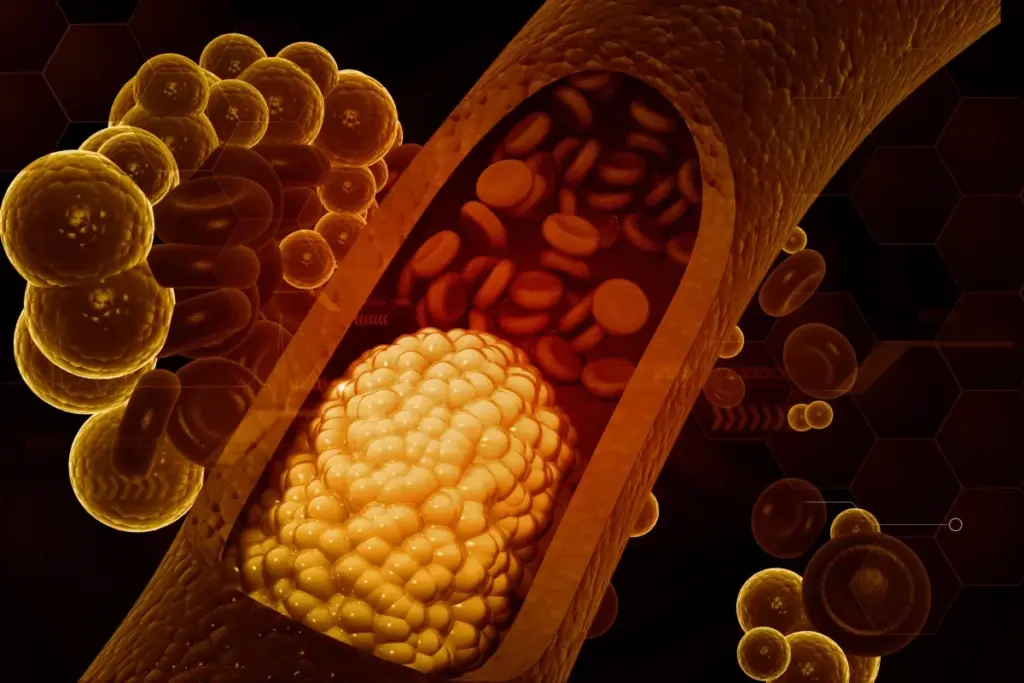
High cholesterol is a big problem in the U.S., affecting over 100 million adults. It raises the risk of heart disease and stroke. But, eating the right foods can help lower cholesterol levels naturally. By choosing wisely, you can manage your cholesterol better.
Some foods are good for your cholesterol. They are full of nutrients that help your heart and overall health. Knowing how diet affects cholesterol is key to a healthy heart.
Key Takeaways
- Incorporating specific foods into your diet can help lower cholesterol levels.
- A diet rich in certain nutrients supports heart health and overall well-being.
- Making informed dietary choices is critical for managing cholesterol.
- Certain foods have a positive impact on cholesterol levels and cardiovascular health.
- A proactive approach to diet can reduce the risk of heart disease and stroke.
Understanding Cholesterol: The Good, The Bad, and The Ugly
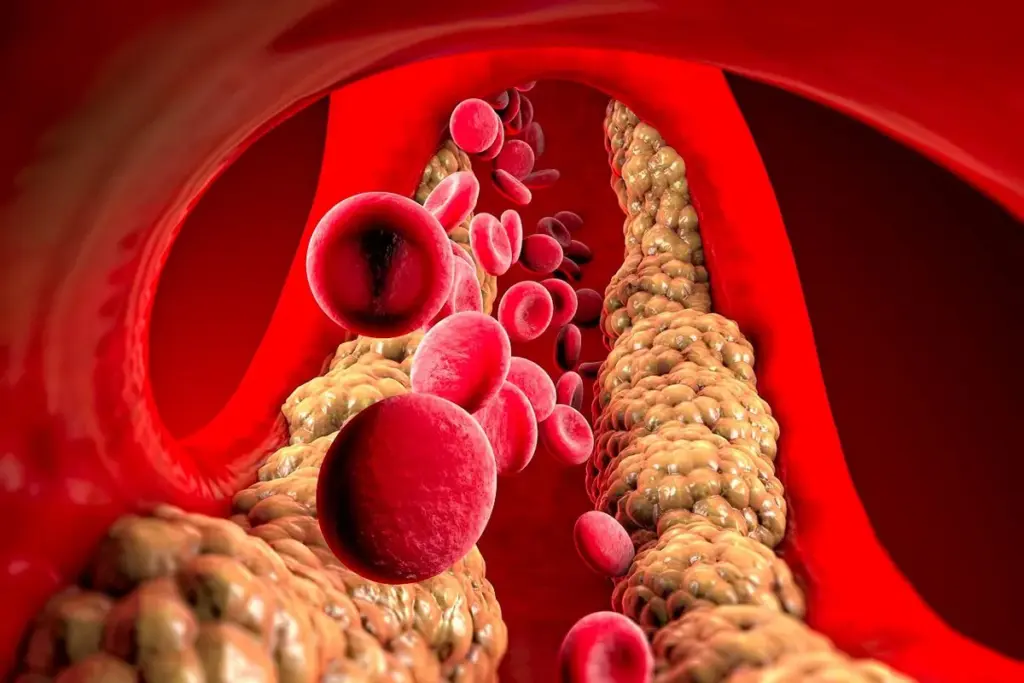
Cholesterol is a waxy, fat-like substance that’s vital for our bodies. But, too much of it can cause health problems. It’s made in the liver and helps make cell membranes, hormones, and vitamin D.
What is Cholesterol and Why Do We Need It?
Cholesterol is key for our bodies. It helps make cell membranes and hormones like estrogen and testosterone. It also aids in fat digestion by making bile acids.
The liver makes all the cholesterol we need. But, eating cholesterol can also raise our body’s levels.
HDL vs. LDL: Understanding the Difference

There are two main types of cholesterol: HDL and LDL. HDL is “good” cholesterol because it helps clear other cholesterol from the blood. LDL is “bad” cholesterol because too much can cause artery blockages.
|
Type of Cholesterol |
Function |
Impact on Health |
|---|---|---|
|
HDL (Good Cholesterol) |
Removes excess cholesterol from the bloodstream |
High levels are associated with lower risk of heart disease |
|
LDL (Bad Cholesterol) |
Transports cholesterol to various tissues |
High levels can lead to plaque buildup and increased risk of heart disease |
When Cholesterol Becomes a Problem
Cholesterol is a problem when there’s too much LDL. This can cause plaque in arteries, leading to heart disease or stroke.
It’s important to keep HDL and LDL in balance for heart health. Making lifestyle changes and eating right can help manage cholesterol levels.
How Your Body Naturally Manages Cholesterol
The human body has a complex system for managing cholesterol. It involves many organs and processes. This system keeps cholesterol levels healthy, which is key for our well-being.
The Liver’s Role in Cholesterol Regulation
The liver is very important in managing cholesterol. It makes cholesterol and also takes out extra cholesterol from the blood. This balance is vital for our health.
The liver’s key functions in cholesterol management include:
- Producing and secreting lipoproteins that carry cholesterol around the body.
- Controlling how much cholesterol it makes based on what we eat and our body’s needs.
- Removing extra cholesterol from the blood to prevent it from building up in arteries.
How Dietary Choices Impact Cholesterol Levels
What we eat greatly affects our cholesterol levels. Foods high in saturated fats and cholesterol can raise our cholesterol. But, eating foods rich in soluble fiber and healthy fats can lower it.
Key dietary components that influence cholesterol levels include:
- Soluble fiber in oats, barley, fruits, and veggies can lower LDL (bad) cholesterol.
- Saturated and trans fats can increase LDL cholesterol and should be limited.
- Healthy fats in nuts, seeds, and avocados support heart health.
Natural Elimination Processes
The body has natural ways to get rid of extra cholesterol. The liver sends cholesterol into the bile, which then leaves the body through digestion. This is important for keeping cholesterol levels healthy.
Supporting the body’s natural elimination processes involves:
- Eating a diet full of fiber to help digestion and bile production.
- Drinking plenty of water to help the liver work well.
- Reducing dietary cholesterol and saturated fats to ease the liver’s job.
15 Foods That Lower Cholesterol Effectively
Some foods can really help lower cholesterol levels. They are key for a heart-healthy diet. These foods work in different ways, like binding to cholesterol or providing antioxidants for heart health.
Fiber-Rich Foods That Bind to Cholesterol
Foods high in fiber can lower cholesterol by binding to bile acids. This removes them from the body. It also means less cholesterol is made in the liver. Top fiber-rich foods include:
- Oats
- Barley
- Fruits like apples and berries
- Vegetables such as broccoli and carrots
- Legumes like beans and lentils
Foods High in Plant Sterols and Stanols
Plant sterols and stanols are found in plants and lower LDL cholesterol. They stop cholesterol from being absorbed in the gut. Foods and products with these can be very effective.
- Fortified margarines and spreads
- Some orange juices and yogurts
- Cereals
Antioxidant-Rich Foods for Heart Health
Antioxidants protect cells and support heart health. They prevent LDL cholesterol from oxidizing, which helps prevent atherosclerosis. Key foods include:
- Berries
- Leafy greens like spinach
- Nuts and seeds
- Fatty fish rich in omega-3 fatty acids
Protein Sources That Support Cholesterol Balance
Some protein sources help manage cholesterol levels. These include:
- Fatty fish like salmon
- Nuts and seeds
- Legumes
- Lean meats
Here’s a summary of some key foods and their benefits in a table:
|
Food Category |
Examples |
Benefits |
|---|---|---|
|
Fiber-Rich Foods |
Oats, barley, fruits, vegetables, legumes |
Lower cholesterol by binding to bile acids |
|
Plant Sterols/Stanols |
Fortified margarines, orange juices, cereals |
Inhibit cholesterol absorption |
|
Antioxidant-Rich Foods |
Berries, leafy greens, nuts, fatty fish |
Protect against cell damage, prevent LDL oxidation |
|
Protein Sources |
Fatty fish, nuts, legumes, lean meats |
Support cholesterol balance |
Eating these foods can be tasty and help manage cholesterol. It’s a great way to improve heart health.
Oats and Whole Grains: The Cholesterol-Fighting Powerhouses
Eating a diet full of oats and whole grains helps manage cholesterol. They are rich in soluble fiber and other nutrients. These foods are not only filling but also packed with vitamins, minerals, and antioxidants that support heart health.
How Soluble Fiber Works Against Cholesterol
Soluble fiber in oats and whole grains is key in lowering cholesterol. It forms a gel-like substance in the digestive system. This gel binds to bile acids and removes them from the body, reducing liver cholesterol production.
This action lowers LDL (bad) cholesterol and keeps cholesterol levels balanced. Adding foods rich in soluble fiber to your diet is a simple way to manage cholesterol.
Best Whole Grain Options for Cholesterol Management
Not all whole grains are the same for cholesterol management. Some top choices include:
- Oats
- Barley
- Quinoa
- Brown rice
- Whole wheat
|
Whole Grain |
Soluble Fiber Content (g/100g) |
Cholesterol-Lowering Benefits |
|---|---|---|
|
Oats |
4.2 |
High |
|
Barley |
3.7 |
High |
|
Quinoa |
1.5 |
Moderate |
|
Brown Rice |
1.4 |
Moderate |
|
Whole Wheat |
3.8 |
High |
Simple Ways to Add More Whole Grains to Your Diet
Adding more whole grains to your diet is easy. Start by swapping refined grains for whole grains in your meals. Choose whole wheat bread over white bread, and pick brown rice instead of white rice.
Other easy ways include adding oats to breakfast, using barley in soups and stews, and trying quinoa as a side dish or salad base. The goal is to make gradual changes that you can keep up with, keeping your diet balanced and enjoyable.
Fatty Fish and Omega-3s: The Heart-Healthy Connection
Fatty fish, rich in omega-3 fatty acids, are key for a healthy heart. They help manage cholesterol levels and prevent heart disease. These nutrients reduce inflammation and improve blood lipid profiles.
Salmon Cholesterol Benefits and Nutrition Profile
Salmon is great for heart health because of its omega-3 fatty acids. These acids lower triglycerides and blood pressure. They also prevent blood clots, reducing heart disease risk.
A 3-ounce cooked salmon has 20 grams of protein and 1.8 grams of omega-3s. It’s a great choice for heart health.
Salmon also has vitamins and minerals like vitamin D and selenium. These support heart health. Eating salmon as part of a balanced diet helps manage cholesterol and improve heart health.
How Often to Eat Fish for Optimal Cholesterol Management
Eating fish like salmon twice a week is recommended for cholesterol management. Adults eat fish 2-3 times a week. This helps keep cholesterol levels healthy and supports heart health.
Choose wild-caught fish for better fatty acid profiles. But, both wild and farmed fish are healthy in moderation.
Salmon Fish and Cholesterol: Cooking Methods That Preserve Benefits
Cooking methods affect salmon’s nutritional value. Use low-heat methods like baking, grilling, or poaching to keep nutrients. This way, you preserve the omega-3s and other nutrients.
Avoid frying or cooking in lots of oil. It can reduce the heart-healthy benefits. Season with herbs and lemon juice, then bake or grill for a healthy meal.
Nuts, Seeds, and Legumes for Cholesterol Control
Nuts, seeds, and legumes are not just good for you; they help control cholesterol too. They are full of healthy fats, fiber, and protein. Adding them to your diet can help manage your cholesterol levels.
Almonds, Walnuts, and Other Cholesterol-Lowering Nuts
Nuts are full of healthy fats and antioxidants. Almonds and walnuts are great for your heart. Almonds have monounsaturated fats that lower bad cholesterol. Walnuts have omega-3s and antioxidants that boost heart health.
Seeds That Pack a Cholesterol-Fighting Punch
Seeds like chia and flax are rich in fiber and omega-3s. These help reduce inflammation and improve heart health. Adding a tablespoon of chia or flax seeds daily can help control cholesterol.
Beans and Lentils: Fiber-Rich Cholesterol Fighters
Legumes, like beans and lentils, are full of soluble fiber. This fiber lowers cholesterol levels. It works by binding to bile acids and removing them, reducing liver cholesterol production.
Some of the best nuts, seeds, and legumes for cholesterol control are:
- Almonds
- Walnuts
- Chia seeds
- Flax seeds
- Kidney beans
- Lentils
Fruits and Vegetables That Combat High Cholesterol
Some fruits and vegetables can help manage cholesterol. Adding them to your diet supports heart health. A diet full of these can lower bad cholesterol and improve heart health.
Avocado Cholesterol Benefits: Nature’s Butter Alternative
Avocados are full of monounsaturated fats. These fats can lower bad cholesterol and increase good cholesterol. The avocado cholesterol benefits come from oleic acid, a fatty acid that’s good for the heart. You can add avocados to your diet by spreading them on toast or blending them into smoothies.
Studies show that eating avocados can greatly improve cholesterol levels. Avocados’ fiber helps bind to bile acids, reducing liver cholesterol production.
Berries, Apples, and Other Cholesterol-Lowering Fruits
Berries like blueberries and strawberries are full of antioxidants and fiber. These make them great for managing cholesterol. The fiber in these fruits binds to cholesterol, preventing it from entering the bloodstream. Apples also help with cholesterol due to their pectin, a type of soluble fiber.
Pears and citrus fruits also offer benefits. Their fiber and antioxidants help manage cholesterol. Adding a variety of these fruits to your diet is a tasty way to support cholesterol management.
Leafy Greens and Cruciferous Vegetables for Heart Health
Leafy greens like spinach and kale are rich in lutein and carotenoids. These can reduce heart disease risk. They’re also low in calories and high in fiber, making them perfect for a heart-healthy diet. Cruciferous vegetables, like broccoli and cauliflower, contain sulforaphane, which is good for the heart.
You can add leafy greens and cruciferous vegetables to salads, sauté them as sides, or blend them into soups. Their versatility makes it easy to enjoy their cholesterol-lowering benefits.
Healthy Oils and Fats That Support Cholesterol Balance
Healthy oils and fats are great for cooking and keeping cholesterol levels healthy. The right mix of fats is key for heart health and cholesterol balance.
Is Olive Oil Good for Cholesterol? Research and Recommendations
Olive oil is famous for its heart benefits, thanks to its monounsaturated fats. These fats lower bad cholesterol and keep good cholesterol levels steady.
Key Benefits of Olive Oil:
- Rich in monounsaturated fats
- Antioxidant properties
- Anti-inflammatory effects
Choose extra virgin olive oil for more nutrients. Use it in salad dressings or as a finishing touch for dishes.
Other Heart-Healthy Oils to Consider
While olive oil stands out, other oils are also good for the heart. Avocado oil, for example, is full of monounsaturated fats and great for high-heat cooking.
Other Beneficial Oils:
- Avocado oil
- Canola oil
- Grapeseed oil
How to Replace Unhealthy Fats in Your Cooking
Switching to healthier fats is easy. Swap saturated and trans fats for monounsaturated and polyunsaturated fats.
Tips for Healthier Cooking:
- Use olive or avocado oil for sautéing
- Choose nuts and seeds as snacks
- Opt for fatty fish rich in omega-3 fatty acids
These small changes can greatly improve your heart health.
Seafood and Cholesterol: Separating Fact from Fiction
Many think all seafood is high in cholesterol. But, the truth is more complex. Different seafood affects cholesterol levels in different ways. Knowing these differences helps us make better food choices.
Is Crab High in Cholesterol? Understanding Shellfish
Crab is a favorite seafood, but its cholesterol is a worry. A 3-ounce crab serving has about 45-60 milligrams of cholesterol. Yet, crab is also packed with protein and has little saturated fat.
Nutritional Benefits of Crab:
- High-quality protein
- Rich in omega-3 fatty acids
- Good source of selenium and vitamin B12
Are Scallops High in Cholesterol? The Truth About Mollusks
Scallops are another mollusk questioned about cholesterol. A 3-ounce serving has about 30-40 milligrams of cholesterol. They are also low in fat and high in protein, making them good for the heart.
|
Seafood |
Cholesterol Content (per 3 oz serving) |
Nutritional Highlights |
|---|---|---|
|
Crab |
45-60 mg |
High in protein, omega-3 fatty acids |
|
Scallops |
30-40 mg |
Low in fat, high in protein |
|
Shrimp |
150-200 mg |
Low in fat, high in selenium and vitamin B12 |
Is Shrimp Low in Cholesterol? Balancing Risks and Benefits
Shrimp gets a bad rap for its cholesterol, with 150-200 milligrams per 3-ounce serving. But, it’s also low in saturated fat and rich in selenium and vitamin B12. The trick is to eat shrimp in moderation and with other heart-healthy foods.
Tips for Healthy Seafood Consumption:
- Choose a variety of seafood to balance nutritional intake
- Be mindful of portion sizes to manage cholesterol intake
- Prepare seafood using heart-healthy cooking methods like grilling or baking
In conclusion, while some seafood is higher in cholesterol, its nutritional benefits can be worth it. By knowing the cholesterol in different seafood and making smart choices, we can enjoy seafood’s benefits while keeping our cholesterol in check.
Common Foods and Their Impact on Cholesterol
Everyday foods can greatly affect our cholesterol levels and heart health. We’ll look at how foods like pasta, rice, and cottage cheese impact our cholesterol.
Is Pasta Bad for Cholesterol? Types and Portions Matter
Pasta can be good for you if you eat it in small amounts. Whole grain pasta is better than regular pasta because it has more fiber. This helps control cholesterol. Just remember to eat small portions and choose heart-healthy sauces.
Is Rice Bad for Cholesterol? White vs. Brown
White rice can raise cholesterol because of its high glycemic index. Brown rice, with its more fiber and nutrients, is a better choice. Switching to brown rice can help manage cholesterol levels.
Is Cottage Cheese Bad for Cholesterol? Dairy Considerations
Cottage cheese is good for your heart when eaten in moderation. It’s full of protein, which helps with weight management. This is key for keeping cholesterol levels healthy. Choose low-fat or non-fat versions for even more benefits.
Lifestyle Changes That Help Flush Out Cholesterol
Healthy habits can greatly help in lowering cholesterol naturally. While diet is key, other lifestyle changes also play a big role. They help manage cholesterol levels well.
Exercise and Physical Activity: Types and Frequency
Regular exercise is vital for heart health and managing cholesterol. Aim for at least 150 minutes of moderate exercise, or 75 minutes of vigorous exercise, each week. Good activities include brisk walking, cycling, and swimming.
Types of Exercise Beneficial for Cholesterol:
- Aerobic exercises like walking, running, and cycling
- Resistance training to build muscle
- High-Intensity Interval Training (HIIT) for improved cardiovascular health
Weight Management Strategies for Cholesterol Control
Keeping a healthy weight is key for cholesterol management. Losing 5-10% of your body weight can improve your cholesterol. Diet, exercise, and lifestyle changes can help you stay at a healthy weight.
Effective Weight Management Tips:
- Set realistic goals and track progress
- Focus on sustainable lifestyle changes
- Seek support from healthcare professionals or a registered dietitian
Stress Reduction Techniques That Support Heart Health
Chronic stress can harm cholesterol levels and heart health. Reducing stress can help. Try meditation, yoga, and deep breathing exercises.
Stress Reduction Techniques:
- Meditation and mindfulness practices
- Yoga and tai chi
- Deep breathing exercises and progressive muscle relaxation
Beverages and Cholesterol: What to Drink and What to Avoid
Drinks can either help or hurt your cholesterol management. The drinks you choose can greatly affect your heart health. We’ll look at how different drinks impact cholesterol and heart health.
Does Drinking Alcohol Raise Cholesterol? The Research
Alcohol can have both good and bad effects on cholesterol, depending on how much you drink. Drinking red wine in moderation can increase “good” cholesterol. But, too much drinking can raise “bad” cholesterol and triglycerides.
Experts say that drinking up to one drink a day for women and two for men is okay. Drinking more than that can undo any benefits and harm your heart.
Cholesterol-Lowering Drinks to Include in Your Diet
Some drinks can help manage cholesterol. Here are some good ones:
- Green tea, rich in antioxidants that may help improve overall heart health.
- Grapefruit juice, which may help lower LDL cholesterol.
- Tomato juice, rich in lycopene, an antioxidant that may help reduce cardiovascular risk.
- Low-fat milk and other dairy beverages, which can be part of a heart-healthy diet.
Beverages to Limit or Avoid for Heart Health
Some drinks can harm cholesterol and heart health. It’s best to limit or avoid:
- Sugary drinks like soda and sweetened teas or coffees, which can contribute to weight gain and increased triglycerides.
- High-fat dairy products and creamy beverages that can raise LDL cholesterol.
- Energy drinks, which often contain high levels of caffeine and sugar.
Knowing how different drinks affect cholesterol can guide your choices. Drinking heart-healthy drinks and avoiding harmful ones can support your heart health.
|
Beverage |
Impact on Cholesterol |
Recommendation |
|---|---|---|
|
Green Tea |
May help improve HDL cholesterol |
Drink 1-2 cups daily |
|
Grapefruit Juice |
May help lower LDL cholesterol |
Consume in moderation (4 oz daily) |
|
Sugary Drinks |
Can increase triglycerides and LDL |
Limit or avoid |
Creating a Low Cholesterol Diet Plan
A good diet plan can lower cholesterol and boost heart health. It’s all about choosing the right foods and avoiding bad ones. This way, you can manage your cholesterol levels better.
First, learn what a low cholesterol diet includes. Focus on foods that help lower cholesterol. These are soluble fiber, plant sterols, and omega-3 fatty acids.
Sample Meal Plans for Borderline High Cholesterol
It’s tough to make a meal plan that’s both healthy and tasty. But, there are ways to make it easier. For example, start your day with oatmeal or whole-grain cereal for soluble fiber.
Also, add fruits and veggies to your meals and snacks. Berries, apples, spinach, and kale are great choices.
Shopping List for Cholesterol-Friendly Foods
Having a well-stocked kitchen is key to a healthy diet. Make sure you have whole grains like brown rice, quinoa, and whole-wheat bread. Nuts and seeds are also important.
Don’t forget to buy fatty fish like salmon and sardines for omega-3s. Plant-based proteins like beans and lentils are also good for cholesterol.
Easy Cholesterol-Friendly Recipes for Everyday Meals
Making healthy meals doesn’t have to be hard. Try grilled salmon with roasted veggies or lentil soup with whole-grain bread. These dishes are tasty and good for you.
Use herbs and spices to flavor your food instead of salt and sugar. This makes your meals healthier. Also, choose cooking methods like baking, grilling, or steaming to keep nutrients in your food.
By following these tips, you can make a low cholesterol diet plan that works well for you. It’s all about making healthy choices every day.
Conclusion: Taking Control of Your Cholesterol Naturally
You can manage your cholesterol levels by choosing the right foods and making lifestyle changes. A diet rich in heart-healthy superfoods and cholesterol-lowering nutrients is key. Foods like oats and barley are great because they help lower cholesterol.
Adding best foods to lower cholesterol like fatty fish, nuts, seeds, and avocados to your diet is beneficial. These foods are not only nutritious but also help keep cholesterol levels healthy. Also, staying active, maintaining a healthy weight, and managing stress are important.
By making smart food choices and lifestyle changes, you can control your cholesterol levels. This reduces the risk of heart disease. Focus on eating whole, nutrient-rich foods and living a balanced lifestyle for your health.
FAQ
Is shrimp low in cholesterol?
Shrimp can be good for your heart, but it has a bit of cholesterol. It’s also low in saturated fat, which is more important for cholesterol levels.
Is crab high in cholesterol?
Crab has a lot of cholesterol, but it’s low in saturated fat. Eating it in moderation is best.
Are scallops high in cholesterol?
Scallops are a great source of protein and have low cholesterol and saturated fat. They’re good for your heart.
Does drinking raise cholesterol?
Drinking can affect cholesterol levels in different ways. A little bit might raise good cholesterol, but too much can be bad.
Is pasta bad for cholesterol?
Pasta itself isn’t bad for cholesterol. But the sauces and toppings you choose can change its healthiness. Opt for whole-grain pasta and veggie sauces.
Is rice bad for cholesterol?
White rice can be bad for your heart because it raises cholesterol. Brown rice, being a whole grain, is better for your diet.
Is cottage cheese bad for cholesterol?
Cottage cheese is good for your heart because it’s high in protein and low in saturated fat. Just pick the low-sodium kind.
Is olive oil good for cholesterol?
Yes, olive oil is full of good fats. It can lower bad cholesterol and keep good cholesterol levels up.
What are some cholesterol-lowering foods?
Foods like oats, barley, fruits, veggies, nuts, seeds, and fatty fish can lower cholesterol.
How can I naturally reduce my cholesterol levels?
Eating right, exercising, staying at a healthy weight, not smoking, and managing stress can all help lower cholesterol.
What are some natural ways to lower cholesterol?
Eating more soluble fiber, plant sterols and stanols, fatty fish, and healthy fats like olive oil and nuts can naturally lower cholesterol.
Are there any specific diets that can help lower cholesterol?
Yes, diets rich in fruits, veggies, whole grains, lean proteins, and healthy fats, like the Mediterranean diet, can lower cholesterol.
References
National Center for Biotechnology Information. Evidence-Based Medical Insight. Retrieved from https://pubmed.ncbi.nlm.nih.gov/30423393/