At Liv Hospital, we focus on top-notch healthcare. We put our patients first, ensuring they get the best care, including advanced heart treatments.
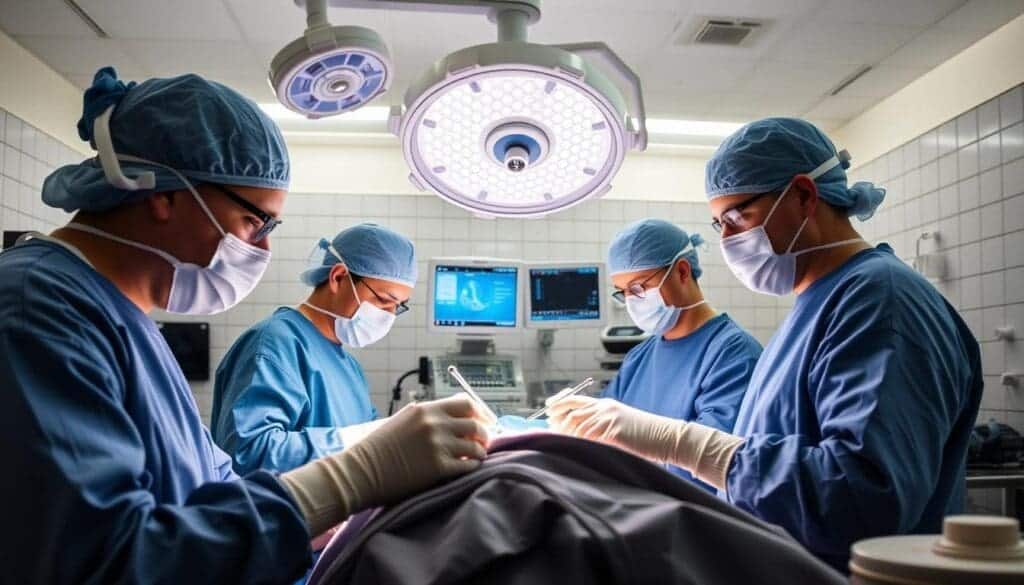
Invasive medical procedures involve going through the skin or body cavities. Every year, over 230 million of these procedures are done worldwide. Knowing about them is key for good treatment. Many procedure names tell you what they do, like gastrectomy, which means removing a part of the stomach.
We’re looking at 15 important invasive surgery examples. Our goal is to give you a clear view of these critical treatments in today’s healthcare.
Key Takeaways
- It’s important to know the difference between invasive and non-invasive procedures. This helps you make better choices.
- Invasive procedures mean going through the skin or body cavities for tests or treatments.
- More than 230 million invasive procedures happen globally every year.
- Procedure names often show what they do with special endings.
- Liv Hospital is all about top care with a focus on our patients.
What Defines an Invasive Medical Procedure
It’s important for both doctors and patients to know what an invasive medical procedure is. These procedures go beyond the body’s natural barriers. They need a lot of medical equipment and skill.
Medical Definition and Anatomical Boundaries
An invasive procedure goes into the body, like through the skin or mucous membranes. It’s done to find or fix a health issue. These actions might enter a body cavity or organ.
Examples include heart surgeries, colonoscopies, and joint replacements. The Veterans Health Administration rates these procedures based on how complex they are.
Global Statistics: 230+ Million Procedures Annually
Every year, over 230 million surgeries are done worldwide. This shows how big a part of healthcare invasive procedures are. It’s key to know the good and bad sides of these treatments.
| Region | Number of Invasive Procedures (in millions) | Percentage of Global Total |
| North America | 50 | 21.7% |
| Europe | 45 | 19.6% |
| Asia | 80 | 34.8% |
| Other Regions | 55 | 23.9% |
| Global Total | 230 | 100% |
Risk Factors Associated with Invasive Interventions
Invasive procedures can save lives but come with risks. These include infections, bleeding, and reactions to anesthesia. They can also harm nearby tissues or organs.
Choosing the right patient and checking them before surgery are key. Knowing how complex a procedure is helps doctors take better care of patients. This can lead to better results.
Comprehensive List of Invasive Surgery Examples
Invasive surgeries are divided into different types. They vary by purpose, urgency, and complexity. Let’s look at these categories to understand the wide range of invasive surgeries.
Classification of Invasive Procedures
Invasive procedures are grouped by their purpose. Diagnostic ones, likebiopsies, aim to find the cause of a problem. Therapeutic ones, like tumor removals, treat diseases. Palliative procedures help improve a patient’s quality of life by easing symptoms.
The complexity of these surgeries also differs. Simple procedures, like appendectomies, are easier. But complex ones, like coronary artery bypass grafting (CABG), need more skill and tools.
Common vs. Specialized Invasive Surgeries
Common surgeries include cesarean sections and hysterectomies. They are often done and well-known in medicine. But specialized surgeries, like neurosurgical procedures and cardiac surgeries, are more complex. They need special training and tools.
Emergency vs. Elective Invasive Procedures
Procedures can be urgent or planned. Emergency surgeries are for immediate needs, like injuries. Planned surgeries, like joint replacements, are for non-life-threatening issues.
Knowing the differences helps patients and doctors make better choices. Understanding the purpose, complexity, and urgency of surgeries helps us see all the treatment options.
Cardiac Invasive Procedures
Cardiac invasive procedures are key for diagnosing and treating heart issues. They involve making incisions or punctures to reach the heart. This lets cardiologists directly access the heart.
Cardiac Catheterization
Cardiac catheterization uses a catheter in a heart chamber or artery. It helps diagnose and treat heart problems, like coronary artery disease.
“Cardiac catheterization has revolutionized cardiology, providing a minimally invasive way to diagnose and treat complex heart conditions.”
The catheter is guided through blood vessels to the heart. Cardiologists use it for interventions like angiography or angioplasty.
Coronary Artery Bypass Grafting (CABG)
CABG is a surgery that uses a graft to bypass blocked or narrowed arteries. It improves blood flow to the heart, lowering the risk of heart attacks.
We suggest CABG for severe coronary artery disease, when other treatments fail.
Angioplasty and Stent Placement
Angioplasty uses a balloon to widen narrowed or blocked arteries. A stent is often placed to keep the artery open, improving blood flow.
Angioplasty and stent placement are common in cardiology. They offer a less invasive option compared to CABG for many patients.
In conclusion, procedures like cardiac catheterization, CABG, and angioplasty with stent placement are essential in cardiology. They help us diagnose and treat heart conditions effectively. This improves patient outcomes and quality of life.
Gastrointestinal Invasive Surgeries
In the world of digestive health, surgeries are key for tackling tough issues. These surgeries help find and fix problems in the digestive system.
Appendectomy
An appendectomy is when doctors remove the appendix. This is usually to treat appendicitis. If not treated, it can lead to serious problems.
Colonoscopy with Biopsy
A colonoscopy lets doctors see inside the colon and rectum. They might take tissue samples for tests. This helps find diseases like colorectal cancer.

Colectomy Procedure
A colectomy means removing part or all of the colon. It’s needed for things like colon cancer or severe diverticulitis.
Gastric Bypass Surgery
Gastric bypass surgery is for weight loss. It makes a small stomach pouch and connects it to the small intestine. This limits how much food you can eat and absorb.
| Procedure | Indications | Benefits |
| Appendectomy | Treats appendicitis | Prevents appendix rupture |
| Colonoscopy with Biopsy | Diagnoses colorectal conditions | Early detection of cancer |
| Colectomy | Treats colon cancer, diverticulitis, IBD | Removes diseased colon portion |
| Gastric Bypass Surgery | Aids in weight loss | Reduces food intake and nutrient absorption |
Gastrointestinal surgeries are essential for dealing with digestive problems. Knowing about these surgeries helps patients make better choices for their health.
Neurological Invasive Procedures
Invasive neurological procedures are advanced surgical methods for serious conditions in the brain and spinal cord. They are key for diagnosing and treating complex brain disorders. These disorders can greatly affect a person’s quality of life.
Cerebral Aneurysm Clipping
Cerebral aneurysm clipping is a precise surgery to stop an aneurysm from bursting. It involves clipping the aneurysm at its neck. This is vital for those with aneurysms at risk of bursting, which can cause severe bleeding in the brain.
Experts say clipping cerebral aneurysms is a major breakthrough in neurosurgery. It offers a sure way to treat bleeding in the brain caused by aneurysms.
We use top-notch imaging and microsurgical tools for accurate clipping. This reduces the chance of harming nearby brain areas. The success of the surgery depends on the aneurysm’s size, location, and the patient’s health.
Brain Tumor Resection
Brain tumor resection aims to remove tumors in the brain. The main goal is to take out as much of the tumor as possible while keeping the brain’s function intact. We use the latest neurosurgical methods, like intraoperative MRI and neuro-navigation, to remove tumors effectively.
The difficulty of removing a brain tumor depends on its type, location, and size. Tumors in important brain areas need careful planning to avoid damage after surgery.
Spinal Cord Interventions
Spinal cord interventions include surgeries to relieve pressure, stabilize the spine, and improve function. These procedures are needed for conditions like spinal cord tumors, herniated discs, and spinal fractures. They help prevent further damage to the spinal cord.
We employ advanced techniques, such as minimally invasive spine surgery, to speed up recovery and improve results. The choice of surgery depends on the condition’s severity and the patient’s health.
Orthopedic Invasive Surgeries
We often turn to orthopedic invasive surgeries to address complex bone and joint issues. They significantly improve the quality of life for patients with musculoskeletal conditions.
Orthopedic invasive surgeries include a range of procedures. They are designed to repair or replace damaged or diseased musculoskeletal tissues. These surgeries are critical for treating various conditions, from degenerative joint diseases to traumatic injuries.
Total Joint Replacement
Total joint replacement is a surgical procedure. It replaces a damaged or arthritic joint with an artificial one, known as a prosthesis. This surgery is commonly performed on hips, knees, and shoulders.
Key benefits of total joint replacement include:
- Significant pain reduction
- Improved joint function and mobility
- Enhanced quality of life
Spinal Fusion Procedure
Spinal fusion is a surgical technique used to stabilize the spine. It joins two or more vertebrae together. This procedure is often necessary for treating spinal deformities, fractures, or degenerative disc diseases.
The spinal fusion process involves:
- Preparation of the vertebrae to be fused
- Insertion of a bone graft or synthetic material
- Stabilization with instrumentation such as rods and screws
Fracture Repair Surgery
Fracture repair surgery involves the realignment and stabilization of broken bones. It often uses plates, screws, or rods. This surgery is critical for restoring function and promoting healing in patients with complex fractures.
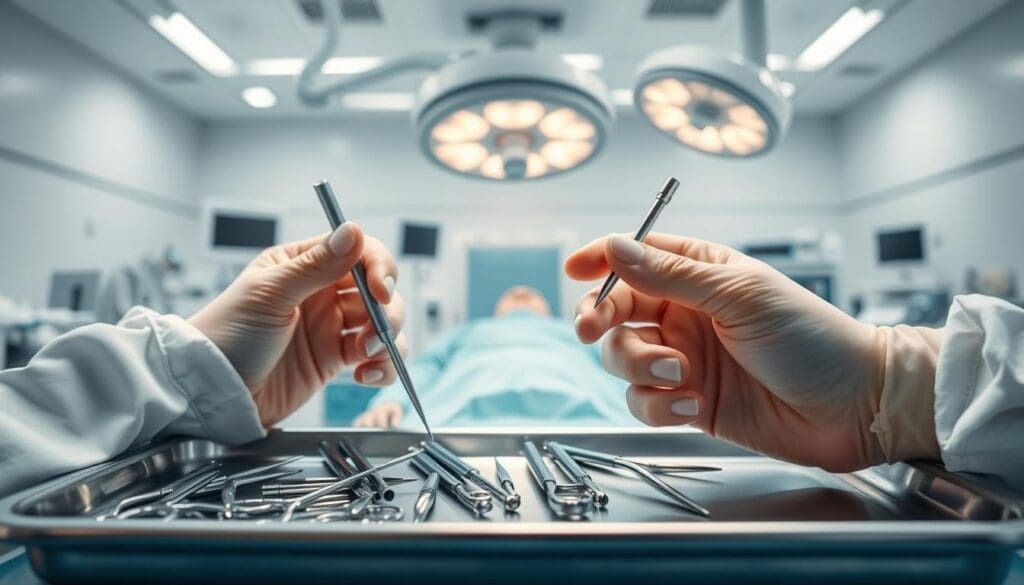
These orthopedic invasive surgeries are vital for addressing a wide range of musculoskeletal conditions. They offer patients significant improvements in pain and function.
Minimally Invasive vs. Traditional Open Procedures
Surgeries are often divided into open and minimally invasive types. Each has its own benefits and drawbacks. The choice depends on the patient’s health, the surgery type, and the surgeon’s skills.
Minimally invasive surgery uses smaller cuts and heals faster. It’s popular for its quick recovery and better results.
Laparoscopic Techniques
Laparoscopic surgery, or keyhole surgery, uses small cuts for a camera and tools. It’s used for gallbladder removal and hernia repair.
It reduces pain, shortens hospital stays, and leaves less scarring. But, it needs special training and tools.
Robotic-Assisted Surgery
Robotic-assisted surgery is a big step forward in minimally invasive surgery. It uses a robotic system for better views, precision, and control.
It offers better dexterity and less shaking, making complex surgeries possible with small cuts.
Endoscopic Procedures
Endoscopic procedures use an endoscope for looking inside organs or cavities. They’re often for checking the gut.
They can also treat problems like removing polyps or placing stents. They’re usually done as day surgeries.
To show the differences, let’s look at a table:
| Characteristics | Minimally Invasive Surgery | Traditional Open Surgery |
| Incision Size | Small (typically | Large (often >10 cm) |
| Recovery Time | Shorter (often 1-2 weeks) | Longer (often 6-12 weeks) |
| Postoperative Pain | Less | More |
| Scarring | Minimal | More pronounced |
| Hospital Stay | Shorter (often same-day or 1-day) | Longer (often several days) |
In conclusion, minimally invasive surgeries like laparoscopic, robotic-assisted, and endoscopic have many benefits. They lead to faster healing, less pain, and less scarring compared to open surgery.
Invasive and Non-Invasive Procedures: Critical Differences
It’s important to know the difference between invasive and non-invasive medical procedures. This knowledge helps in planning the best care for patients. With new medical technology, there are more ways to diagnose and treat diseases.
Non-Invasive Cardiology Procedure Services
Non-invasive cardiology procedures have changed heart medicine a lot. Tests like echocardiograms, cardiac MRI, and stress tests help doctors without surgery. These tests are safer and more comfortable for patients, leading to faster recovery.
Non-invasive cardiology has many benefits:
- Less risk of complications
- Less discomfort for patients
- Shorter recovery times
- Can be done on an outpatient basis
Diagnostic vs. Therapeutic Approaches
Procedures can be for diagnosing or treating. Knowing the purpose helps in choosing the right care. It also helps in preparing the patient.
Here’s a table showing some differences between invasive and non-invasive procedures:
| Procedure Type | Diagnostic/ Therapeutic | Invasive/ Non-Invasive |
| Cardiac Catheterization | Diagnostic | Invasive |
| Echocardiogram | Diagnostic | Non-Invasive |
| Angioplasty | Therapeutic | Invasive |
| Cardiac MRI | Diagnostic | Non-Invasive |
Patient Selection Criteria
Choosing the right procedure for a patient is key. The patient’s health, the severity of their condition, and their medical history matter a lot. Doctors must carefully consider these factors to choose the best option.
“The choice between invasive and non-invasive procedures should be guided by a thorough assessment of the patient’s condition and needs, as well as the latest clinical evidence and guidelines.”
As technology improves, so will the criteria for choosing procedures. This ensures patients get the best care for their needs.
Patient Preparation and Recovery for Invasive Procedures
The journey to successful surgery starts long before the operation. Thorough patient preparation is key. At Liv Hospital, we focus on international standards and patient care. We make sure every step, from start to finish, is handled with care and professionalism.
Pre-Operative Assessment
Pre-operative assessment is vital for invasive procedures. It checks the patient’s health to lower surgery risks. Our team reviews medical history, current health, and diagnostic tests. This helps us spot risks and plan to avoid them.
“The pre-operative phase is key for a successful surgery,” says our team. We make sure patients are well-prepared for their procedures.
Informed Consent Process
The informed consent process is essential. It teaches patients about their condition, treatment, risks, and benefits. We explain everything clearly, so patients understand their choices. This builds trust and respects patient autonomy.
Post-Operative Care Guidelines
Post-operative care is just as important as preparation. Our guidelines help patients recover quickly. We give detailed instructions on wound care, medication, and follow-up appointments. Our team is ready to help with any issues during recovery.
As a leading expert says, “Good post-operative care lowers complication risks and improves outcomes.” We follow the highest care standards, supporting our patients fully.
In conclusion, preparing and caring for patients is key to successful surgery. By focusing on thorough assessment, informed consent, and careful post-operative care, we aim for the best results for our patients.
Conclusion: Advancements in Invasive Surgical Techniques
Advances in surgery, like minimally invasive and robotic-assisted methods, are making a big difference. We’ve looked at many invasive surgical procedures and why they’re important today. These techniques have changed healthcare, helping us give top-notch care to patients from all over.
We’re all about giving the best healthcare possible. Using the newest surgery methods shows our commitment. These advances help patients heal faster, face fewer problems, and live better lives. As we keep improving, we’re ready to meet the needs of patients everywhere.
FAQ
What is an invasive medical procedure?
An invasive medical procedure is a surgery that goes through the skin or body cavities. It’s done for checking or treating health issues.
How many invasive procedures are performed worldwide annually?
Every year, over 230 million invasive procedures are done globally. This shows how big a role they play in healthcare.
What are some examples of invasive surgeries?
Some examples include heart surgeries, like bypass grafting. Also, surgeries like removing the appendix or replacing joints are invasive.
What is the difference between invasive and non-invasive cardiology procedures?
Invasive heart procedures, like catheterization, go through the skin. Non-invasive ones, like echocardiograms, don’t.
What are the benefits of minimally invasive surgical techniques?
Techniques like laparoscopic surgery are less invasive. They lead to quicker recovery, less damage, and better results.
How are patients selected for invasive versus non-invasive interventions?
Doctors choose based on the condition’s severity, the patient’s health, and the risks and benefits of each method.
What is involved in preparing for an invasive procedure?
Preparing includes a check-up before surgery, getting consent, and following guidelines. This ensures a safe and smooth surgery.
What are the key aspects of post-operative care for invasive procedures?
After surgery, care includes watching for problems, managing pain, and following a recovery plan. This helps ensure the best outcome.
Are invasive procedures always necessary?
Invasive procedures are often needed for serious health issues. But, the decision to have one depends on the situation and other options.
How have advancements in invasive surgical techniques impacted patient care?
New techniques have made care better, with faster recovery and more options. This has improved patient care worldwide.
References:
“general surgery procedures worldwide ~59 million in 2017, growing to ~70.5 million by 2022” —https://www.researchandmarkets.com/reports/4658245/general-surgery-trends-and-opportunities Research and Markets
“Number of surgical procedures and global need: 4,664 procedures per 100,000 population worldwide” —https://pmc.ncbi.nlm.nih.gov/articles/PMC5746187/ PMC
“Laparoscopic (minimally invasive) surgery volumes rising; >13 million laparoscopic procedures globally each year” —https://idataresearch.com/over-13-million-laparoscopic-procedures-are-performed-globally-every-year/ iData Research