The world of medical treatments is vast and diverse. Surgical interventions play a key role in treating many medical conditions.
Recent data shows that some surgical procedures are very common. These include eyelid surgery, liposuction, and breast augmentation.
These medical interventions are often done in hospitals. A big part of them are classified as hospital-based interventions.
It’s important to know about the different surgical treatments and when they are used. This knowledge is vital for both doctors and patients.
Key Takeaways
- The most common surgical procedures include eyelid surgery, liposuction, and breast augmentation.
- Surgical treatments are a vital subset of health procedures.
- Hospital-based interventions account for a significant percentage of surgical treatments.
- Understanding surgical treatments is crucial for medical professionals and patients.
- Surgical interventions address various medical conditions.
The Landscape of Modern Surgical Treatments
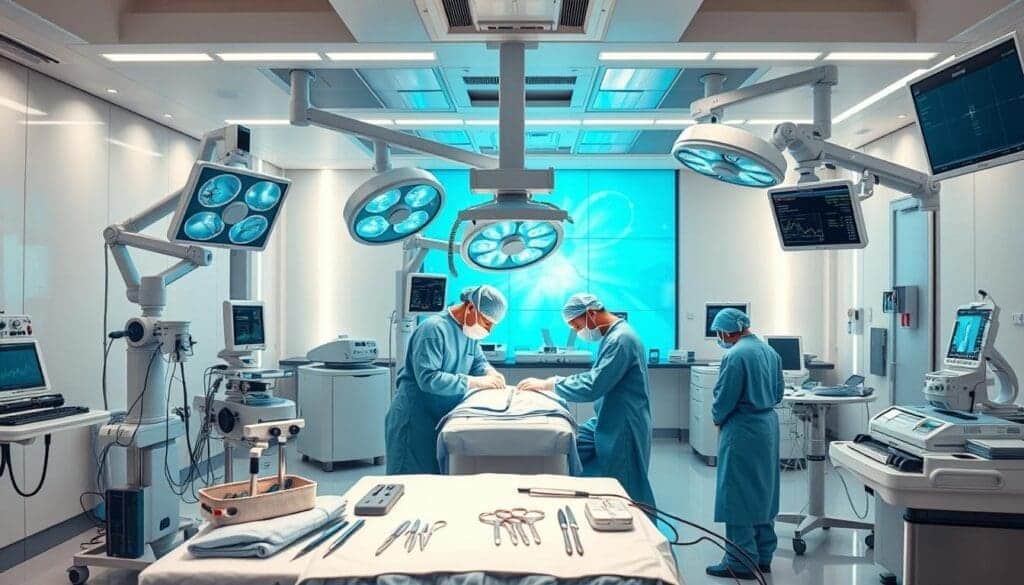
The world of surgery has changed a lot thanks to new tech and better healthcare services. These changes have made surgeries safer and more effective. They’ve also made the whole process more efficient.
The Evolution of Medical Interventions
Surgeries have gotten much better over time. New methods and tools have made them more precise and successful. This progress is thanks to ongoing research and innovation.
- Advancements in minimally invasive surgeries have reduced recovery times and improved patient outcomes.
- The use of robotic-assisted surgeries has enhanced precision and control during complex procedures.
- Improved imaging technologies have allowed for more accurate diagnoses and treatment planning.
How Technology Has Transformed Surgical Procedures
Technology has been key in changing how surgeries are done. New tech has made surgeries more precise, safe, and effective. This has greatly improved patient care.
Key technological advancements include:
- Development of minimally invasive techniques, reducing tissue damage and promoting faster healing.
- Integration of robotic systems, enhancing surgical precision and control.
- Advanced imaging technologies, such as 3D imaging and real-time monitoring, improving diagnostic accuracy and treatment planning.
The Role of Specialized Facilities in Treatment Delivery
Hospitals are crucial for delivering surgical treatments. Over 52% of surgeries happen in hospitals. This shows how important these places are for quality care.
Hospitals have the right tools and teams for complex surgeries. They also have teams from different fields working together. This ensures patients get the best care possible.
Classification of Surgical Treatments in Contemporary Medicine
Surgical procedures vary widely. They are sorted into types based on their purpose, complexity, and the patient’s health. This sorting helps us understand the different surgeries and their roles in today’s healthcare.
Elective vs. Emergency Procedures
Surgeries are mainly split into elective and emergency types. Elective surgeries are planned ahead, allowing for better preparation. Examples include cosmetic surgeries and joint replacements.
Emergency procedures are urgent, needed for life-threatening issues or severe injuries. These include surgeries for trauma, appendicitis, and acute abdominal problems.
Invasive vs. Minimally Invasive Techniques
Another key way to sort surgeries is by their invasiveness. Traditional invasive surgeries use big cuts for direct access.
Minimally invasive surgeries, or keyhole surgeries, use small cuts and special tools. They often use cameras for guidance. This method causes less damage, heals faster, and leaves less scar.
Outpatient vs. Inpatient Surgeries
Surgeries are also divided by whether they need a hospital stay. Outpatient surgeries, or ambulatory surgeries, don’t require an overnight stay. These are usually simpler and have quicker recovery times.
Inpatient surgeries need a hospital stay of at least one night. These are often more complex or need close monitoring after surgery.
Hospital-Based Interventions
About 52% of surgeries happen in hospitals. Hospital-based interventions offer full care, including emergency services and post-op care. These settings are key for complex surgeries and patients with serious health issues.
- Elective procedures are planned, while emergency surgeries are urgent.
- Invasive techniques involve larger incisions, whereas minimally invasive surgeries use smaller incisions.
- Outpatient surgeries do not require an overnight stay, unlike inpatient surgeries.
- Hospital-based interventions are critical for complex and high-risk surgical procedures.
Understanding Common Health Procedures and Their Indications
Advanced medical techniques have led to many surgical treatments. Each has its own purpose. These healthcare procedures help with a wide range of medical needs, from tests to life-saving surgeries.
It’s important to know how clinical procedures are categorized. This helps doctors make better treatment plans. It also improves how well patients do after treatment.
Diagnostic vs. Therapeutic Procedures
Diagnostic procedures help find and diagnose medical issues. Examples include biopsies, endoscopies, and scans like MRI and CT. Therapeutic procedures, on the other hand, treat these conditions. This includes surgeries to fix or remove damaged tissues.
Preventive vs. Curative Interventions
Preventive interventions aim to stop diseases before they start. For example, some surgeries are done to prevent cancer. Curative interventions work to fix existing problems, like removing tumors or fixing birth defects.
Aesthetic Enhancement vs. Life-Saving Operations
Some surgical procedures are for looks, like cosmetic surgeries. Others, like emergency surgeries for serious injuries, are life-saving. Knowing why a procedure is done is key for both doctors and patients.
How Procedure Names Reflect Medical Needs
The names of healthcare procedures often show what they’re for. For example, names like appendectomies or cholecystectomies tell us which organ is being worked on. This helps us understand what the procedure does.
Knowing about clinical procedures helps doctors make better choices. It also helps patients understand their treatment. This knowledge is powerful for both doctors and patients.
Top 5 Cardiovascular Surgical Procedures
Heart disease is a big problem worldwide. Cardiovascular surgery helps manage it. These surgeries treat heart issues and are key in healthcare today.
Coronary Artery Bypass Grafting (CABG)
Coronary Artery Bypass Grafting, or CABG, improves blood flow to the heart. It uses a graft to bypass blocked arteries. This is for those with severe heart disease.
Angioplasty and Stent Placement
Angioplasty opens narrowed arteries. It uses a balloon to clear blockages. A stent is often used to keep the artery open.
Heart Valve Repair and Replacement
Heart valve surgery fixes or replaces diseased valves. It’s for those with valvular heart disease. This surgery helps the heart work right again.
Pacemaker Implantation
A pacemaker is a small device that controls the heartbeat. It’s for people with irregular heartbeats. It ensures the heart beats at the right rate.
These surgeries are key in treating heart disease. Knowing about them helps patients and doctors choose the best treatments.
Leading Orthopedic Surgical Interventions
Musculoskeletal disorders and injuries often need orthopedic surgery to fix function and ease pain. These surgeries are key to better patient outcomes and a better life quality.
Total Joint Replacement
Total joint replacement is a common surgery, especially for hips and knees. It replaces damaged or arthritic joint surfaces with prosthetics. This reduces pain and improves joint function.
Benefits of Total Joint Replacement:
- Significant pain reduction
- Improved joint mobility
- Enhanced quality of life
Arthroscopic Procedures
Arthroscopy is a minimally invasive surgery for joint problems. It uses a small camera and instruments through tiny cuts. This leads to quicker recovery times than open surgery.
Common applications of arthroscopy include:
- Meniscal repair in the knee
- Rotator cuff repair in the shoulder
- Removal of loose fragments in various joints
Spinal Fusion Surgery
Spinal fusion surgery stabilizes the spine and eases pain in patients with spinal conditions. It fuses vertebrae together with bone grafts and sometimes rods and screws.
“Spinal fusion is a highly effective treatment for patients with severe spinal instability or deformity, offering significant relief from pain and improvement in functional ability.”
Fracture Repair Operations
Fracture repair is crucial for restoring bone function and healing. It uses casting, internal fixation, and intramedullary nailing.
Key aspects of fracture repair:
| Technique | Description | Application |
| Casting | Immobilization using a cast | Stable fractures |
| Internal Fixation | Stabilization with plates and screws | Unstable or complex fractures |
| Intramedullary Nailing | Rod inserted into the marrow canal | Long bone fractures |
Most Requested Cosmetic and Plastic Surgery Procedures
The demand for cosmetic and plastic surgery has grown a lot lately. This is thanks to new technology and a desire for better looks. People want to look good and feel more confident.
There are many types of cosmetic and plastic surgery. Some of the most wanted include eyelid surgery, liposuction, breast changes, and nose reshaping.
Eyelid Surgery (Blepharoplasty)
Eyelid surgery, or blepharoplasty, fixes eyelid looks. It removes extra skin, fat, and muscle. This makes eyes look younger and less tired.
The American Society of Plastic Surgeons says, “Blepharoplasty can be done on the upper or lower eyelids. It’s often done without staying overnight in the hospital.”
Liposuction Techniques
Liposuction removes extra fat from the body. It’s used to shape the body better. There are many liposuction methods now, like traditional and laser-assisted.
| Liposuction Technique | Description | Benefits |
| Traditional Liposuction | Standard method using a cannula to suction out fat | Effective for large areas of fat |
| Laser-Assisted Liposuction | Uses laser energy to liquefy fat before suctioning | Less invasive, promotes skin tightening |
| Ultrasound-Assisted Liposuction | Employs ultrasound energy to break down fat | Effective for dense or fibrous fat areas |
Breast Augmentation and Reduction
Breast augmentation and reduction are very common. Augmentation makes breasts bigger, while reduction makes them smaller. Both can greatly improve how someone feels about themselves.
“Breast surgery, whether for augmentation or reduction, is a highly personal decision that can have a profound effect on a person’s body image and confidence.”
Rhinoplasty (Nose Reshaping)
Rhinoplasty changes the nose’s shape or size. It’s for looks or to help breathing. The surgery changes the nose’s bone and cartilage.
These surgeries help people look the way they want. As technology gets better and more people learn about these options, they will likely become even more popular.
Common General Surgical Procedures
General surgery covers many procedures needed to treat different health issues. These surgeries are key in treating conditions in the abdomen and other areas. They are a big part of surgical care.
Appendectomy
An appendectomy is when the appendix is removed. This is usually because of appendicitis, which is when the appendix gets inflamed. If not treated, it can cause serious problems.
The surgery can be done in two ways: open or laparoscopic. The laparoscopic method is more common. It’s less invasive and leads to a quicker recovery.
Gallbladder Removal (Cholecystectomy)
Gallbladder removal, or cholecystectomy, is used to treat gallstones and other issues. It helps prevent pain and serious problems. The surgery can be done in two ways, depending on the situation.
It can be done laparoscopically or as an open surgery. The choice depends on the patient’s health and the surgeon’s advice.
Hernia Repair
Hernia repair fixes hernias, where an organ or tissue bulges through a weak spot. Hernias can be painful and may cause more problems if not treated. The surgery can be open or laparoscopic.
Mesh is often used to strengthen the weak area. This helps the repair last longer.
Colon and Rectal Surgery
Colon and rectal surgery includes treatments for colorectal cancer and other issues. These surgeries can be complex. They might involve removing part of the colon or rectum.
After, the healthy parts are connected again. These surgeries are crucial for managing many conditions and improving health outcomes.
The right procedure depends on the patient’s condition, health, and the surgeon’s expertise.
| Procedure | Description | Common Indications |
| Appendectomy | Removal of the appendix | Appendicitis |
| Cholecystectomy | Removal of the gallbladder | Gallstones, gallbladder disease |
| Hernia Repair | Correction of hernias | Inguinal, umbilical, or incisional hernias |
| Colon and Rectal Surgery | Surgery on the colon and rectum | Colorectal cancer, diverticulitis |
Excellence in Surgical Care: The Liv Hospital Approach
The Liv Hospital focuses on top-notch surgical care. It follows international standards and uses the latest medical tech. This ensures patients get the best care possible.
International Standards and Up-to-Date Protocols
Liv Hospital follows strict international standards in surgery. It makes sure all surgeries are done with great care and precision. The hospital keeps up with new medical research and tech to improve its care.
Key aspects of Liv Hospital’s commitment to excellence include:
- Regular training and education for surgical staff
- Adoption of cutting-edge medical technologies
- Strict adherence to international safety and quality standards
Multidisciplinary Health Services
Liv Hospital uses a team approach to healthcare. Specialists from different fields work together. This ensures patients get care that fits their needs.
The benefits of this approach include:
| Benefit | Description |
| Comprehensive Care | Integration of multiple specialties for holistic treatment |
| Improved Outcomes | Enhanced patient outcomes through collaborative care planning |
| Personalized Treatment | Tailored treatment plans to meet individual patient needs |
Patient-Centered Care Philosophy
Liv Hospital puts patients first in their care. It focuses on what patients need and want. This makes care effective, respectful, and caring.
Ethical Approaches to Surgical Treatments
Liv Hospital values ethical care in surgery. It ensures care is transparent, respectful, and compassionate. This is key to its reputation for excellence.
Liv Hospital’s success in surgery comes from its wide approach. It combines international standards, team care, patient focus, and ethics. This makes Liv Hospital a top choice for surgery, both at home and abroad.
Conclusion: The Future of Surgical Treatments and Health Procedures
The future of surgery and health care is looking bright. New medical technology and changes in how care is delivered are key. These changes will lead to better patient results and a better life for everyone.
New ways of doing surgery and health care are on the horizon. The focus on making care better for patients will keep growing. Liv Hospital shows how important it is to keep up with the latest in health care.
The future of surgery is full of hope for better health and a better life for patients. As health care keeps getting better, we can expect even more positive changes. This will lead to better care and a brighter future for all.
FAQ
What are the most common types of surgical treatments?
Common surgeries include heart procedures, bone surgeries, cosmetic surgeries, and general surgeries.
What is the role of technology in modern surgical treatments?
Technology has changed surgery for the better. It helps with less invasive methods, better imaging, and new medical tools.
What is the difference between elective and emergency surgical procedures?
Elective surgeries are planned ahead. Emergency surgeries are urgent and needed right away.
What are some common cardiovascular surgical procedures?
Heart surgeries include bypass grafting, angioplasty, valve repairs, and pacemaker implants.
What are the benefits of minimally invasive surgical techniques?
These techniques lead to faster recovery and better results. They’re becoming more popular for many surgeries.
What is the significance of hospital-based interventions in surgical care?
About 52 percent of surgeries happen in hospitals. They offer the support needed for complex surgeries.
How do surgical procedure names reflect medical needs?
Procedure names often show what part of the body is being treated. They give clues about the surgery’s purpose.
What are some common orthopedic surgical interventions?
Orthopedic surgeries include joint replacements, arthroscopic surgeries, spinal fusions, and fracture repairs.
What is the Liv Hospital approach to surgical care?
Liv Hospital follows international standards and updates its protocols. It offers a range of health services, focusing on patient care and ethics.
What is the future of surgical treatments and health procedures?
The future will bring new tech, changes in healthcare, and more focus on patient care and ethics.
What are some common cosmetic and plastic surgery procedures?
Cosmetic surgeries include eyelid lifts, liposuction, breast enhancements, and nose reshaping.
What are some common general surgical procedures?
General surgeries include removing the appendix, gallbladder, hernias, and colon and rectal issues.
References
Statista:Leading Surgical Cosmetic Procedures in the US (Statistics)