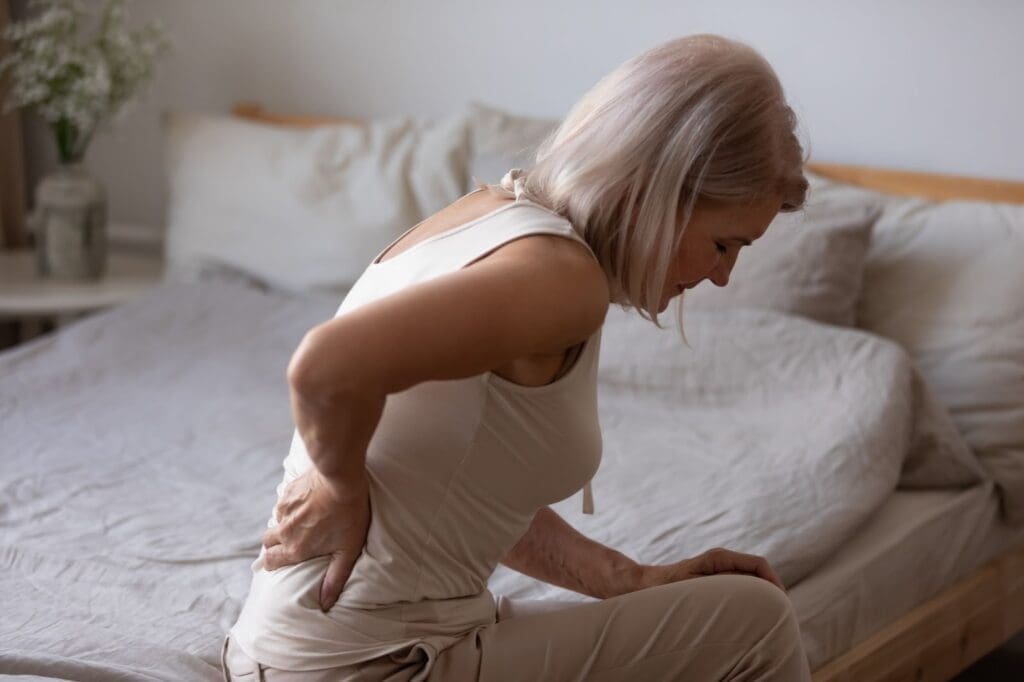
Ever felt pain or discomfort in your buttocks? You’re not alone. AtLiv Hospital, we know how important it is to tacklebuttock pain and find its causes.
Our team is all about top-notch healthcare and support for patients from around the world. In this article, we’ll look at why sore bum cheeks happen and how to feel better.
Knowing why butt pain occurs is key to fixing it. We’ll list 15 reasons for buttock pain and share tips to ease the pain.
Key Takeaways
- Common causes of buttock pain include muscle strain and poor posture.
- Underlying medical conditions can contribute to buttock discomfort.
- Liv Hospital offers top care for international patients.
- Effective relief methods include physical therapy and lifestyle changes.
- Seeking medical attention is vital for the right diagnosis and treatment.
Why Buttock Pain Occurs: An Overview
Understanding why buttock pain happens is key to feeling better. Pain in the buttocks can feel like a dull ache or sharp stabbing. It can be a sign of many health issues, so finding the cause is important.
Common Symptoms and Warning Signs
Knowing the signs of buttock pain is important. Look out for:
- Pain or tenderness in the buttock area
- Numbness or tingling sensations
- Weakness in the legs
- Difficulty walking or standing
These signs can mean different things, like muscle strain or sciatica. A doctor says,
“Early recognition of these symptoms can significantly impact the effectiveness of treatment and patient outcomes.”
When to Consult a Healthcare Professional
Knowing when to see a doctor for buttock pain is important. Look for:
- Severe pain that doesn’t improve with rest
- Pain with fever, swelling, or redness
- Recent injury to the buttock area
- Progressive weakness or numbness in the legs
Seeking medical help quickly is important. It helps find the cause and avoid bigger problems. We stress that early action is essential for managing buttock pain.
Muscle Strain: A Leading Cause of Sore Buttocks
The gluteal muscles can easily get strained, causing a lot of pain in the buttocks. This usually happens when you do too much or move too fast. When these muscles stretch too far, tiny tears happen, leading to pain and swelling.
How Overexertion Affects Gluteal Muscles
Doing too much can really strain your buttock muscles. Running, jumping, or sitting for a long time can put a lot of stress on them. When these muscles get too stressed, they can get inflamed and hurt. It’s important to catch the signs of overdoing it early to avoid more harm.
Signs of strained gluteal muscles include pain when you walk or climb stairs, tenderness, and swelling. If you don’t treat it, it can get worse, causing long-term pain and less mobility.
Recovery Techniques for Strained Muscles
To get better from a strained gluteal muscle, you need rest, physical therapy, and sometimes medical help. The RICE method (Rest, Ice, Compression, Elevation) is a good first step.
- Rest: Stay away from things that make the pain worse.
- Ice: Use ice packs to lessen pain and swelling.
- Compression: Use bandages to help with swelling.
- Elevation: Raise the affected area to lessen swelling.
Physical therapy is also key in getting better. A physical therapist can give you exercises to make your gluteal muscles stronger and more flexible.
“Physical therapy is often the cornerstone of treatment for muscle strain, helping to restore function and reduce pain.”
Sometimes, you might need medical help. This could be anti-inflammatory drugs or, in serious cases, corticosteroid shots to cut down inflammation.
Piriformis Syndrome: When a Small Muscle Creates Big Pain
Piriformis syndrome happens when the piriformis muscle presses on the sciatic nerve. This can cause pain in the buttocks and numbness or tingling in the leg. We’ll look at what causes it, its symptoms, and how to treat it.
Identifying Piriformis Syndrome
Spotting piriformis syndrome is about knowing its signs. The main symptom is pain in the buttocks, which can feel sharp or dull. It often gets worse with activities like running, walking, or getting up from sitting.
Doctors use physical exams to figure out if you have it. They might do tests like the Freiberg or Pace tests. These tests check how the piriformis muscle affects the sciatic nerve.
Effective Stretches and Treatments
Fixing piriformis syndrome needs stretches, physical therapy, and changes in how you live. Stretching the piriformis muscle is key to easing nerve pressure. Try the piriformis stretch by lying on your back, crossing one leg over the other, and pulling the knee toward your shoulder.
Other treatments include physical therapy to build muscle strength and improve flexibility. Sometimes, doctors might suggest anti-inflammatory drugs or corticosteroid shots to cut down pain and swelling.
- Piriformis stretch: Lie on your back, cross the affected leg, and pull the knee toward the opposite shoulder.
- Physical therapy: Strengthen surrounding muscles and improve flexibility.
- Lifestyle modifications: Avoid activities that make it worse.
Sciatica: Understanding Nerve-Related Buttock Pain
Millions worldwide suffer from nerve-related buttock pain, known as sciatica. It’s not a diagnosis but a symptom of a deeper issue. Pain from sciatica follows the sciatic nerve’s path, from the lower back to the hips, buttocks, and down each leg.
How Sciatic Nerve Compression Causes Pain
The sciatic nerve is the largest in the body. Compression or irritation can lead to pain, numbness, tingling, and weakness in the buttocks and legs. Causes include a herniated disk, bone spur, or a narrowed spine.
Compression of the sciatic nerve disrupts its function. This leads to sciatica symptoms. Knowing the cause is key to finding the right treatment.
Long-term Management Strategies
Managing sciatica needs a mix of medical treatments and lifestyle changes. We suggest physical therapy, pain management, and lifestyle adjustments to ease symptoms and prevent them from coming back.
Physical Therapy: A physical therapist can create a plan to strengthen back and core muscles. This improves flexibility and posture, reducing nerve pressure.
Pain Management: Options include steroid injections, nerve blocks, and medications to control pain and inflammation.
Lifestyle Modifications: Keeping a healthy weight, good posture, and regular exercise can lower sciatica risk.
By using these methods, people can manage their sciatica better and live more comfortably.
Herniated Discs and Their Impact on the Buttocks
It’s important to know how herniated discs affect buttock pain. Herniated discs happen when the soft center of the spinal disc leaks out. This can irritate nerves and cause pain in the buttocks.
Recognizing Disc-Related Buttock Pain
Buttock pain from herniated discs has specific signs. These include:
- Sharp or shooting pain in the buttock area
- Numbness or tingling sensations
- Weakness in the legs
- Pain that worsens with certain movements or positions
Spotting these signs is key to finding the cause of buttock pain. A doctor can use tests like an MRI to confirm a herniated disc.
Treatment Options for Herniated Discs
There are many ways to treat herniated discs. The right choice depends on how bad the symptoms are and how they affect daily life.
| Treatment Approach | Description | Benefits |
| Conservative Management | Includes physical therapy, pain management medications, and lifestyle modifications | Avoids surgery, promotes natural healing |
| Surgical Intervention | May involve discectomy or spinal fusion to relieve pressure on nerves | Provides significant relief for severe cases, improves quality of life |
It’s best to talk to a healthcare professional about treatment. Knowing the causes and treatments for herniated discs helps make informed decisions about care.
Bursitis: Inflammation in the Buttock Region
Bursitis in the buttock area is a painful condition. It happens when bursae, fluid-filled sacs, get inflamed. These sacs cushion joints and reduce friction. This condition can make daily activities hard, so it’s important to know its causes and treatments.
Bursitis can really hurt, not just the buttocks but also your mobility and quality of life. It’s key to know the types of bursitis and how to fight inflammation.
Types of Bursitis Affecting the Buttocks
There are several types of bursitis that can hit the buttock area. Each has its own traits. The most common types are:
- Ischial bursitis, which affects the bursa near the ischial tuberosity.
- Trochanteric bursitis, though more common in the hip, can also hit the buttock area.
Knowing the exact type of bursitis is key to finding the right treatment.
| Type of Bursitis | Location | Common Symptoms |
| Ischial Bursitis | Near the ischial tuberosity | Pain when sitting, tenderness |
| Trochanteric Bursitis | Outer hip area | Pain on the outer aspect of the hip, tenderness to touch |
Anti-inflammatory Approaches
Managing bursitis means cutting down inflammation and pain. We suggest a mix of methods, including:
- Medication: Anti-inflammatory drugs can lessen swelling and pain.
- Physical Therapy: Gentle exercises can boost mobility and muscle strength.
- Lifestyle Changes: Staying away from activities that make it worse and keeping a healthy weight can help too.
For some, more serious treatments might be needed. This could include corticosteroid injections or, in extreme cases, surgery.
Coccydynia: When Your Tailbone Is the Source of Pain
Tailbone pain, also known as coccydynia, can come from many causes. This includes trauma and repetitive strain. The coccyx, or tailbone, is at the bottom of the spine. Pain here can really affect your daily life.
It’s important to know what causes coccydynia and how to find relief. We’ll look at common causes and ways to ease coccyx pain.
Common Causes of Tailbone Pain
Tailbone pain can happen for several reasons. These include:
- Trauma or injury to the coccyx, such as falls or direct blows
- Repetitive strain or overuse, in activities that involve sitting or leaning backward
- Childbirth, as the coccyx can be affected during delivery
- Poor posture or abnormal sitting habits
- Infection or tumors in the coccyx area
Finding out why you have coccydynia is key to treating it right.
Specialized Relief Methods for Coccyx Discomfort
There are many ways to ease coccydynia. These include self-care, professional treatments, and sometimes medical help. Some good ways to find relief are:
- Using a coccygeal cushion or a donut-shaped pillow to reduce pressure on the coccyx
- Physical therapy to improve posture and strengthen surrounding muscles
- Applying heat or cold packs to alleviate pain and inflammation
- Medications, such as pain relievers or muscle relaxants, as prescribed by a healthcare provider
- In some cases, corticosteroid injections or surgical removal of the coccyx may be considered
Always talk to a healthcare professional to find the best treatment for you.
| Relief Method | Description | Benefits |
| Coccygeal Cushion | A specialized pillow designed to reduce pressure on the coccyx | Reduces pain and discomfort while sitting |
| Physical Therapy | Exercises to improve posture and strengthen surrounding muscles | Enhances healing and reduces the risk of future pain |
| Heat or Cold Therapy | Applying heat or cold packs to alleviate pain and inflammation | Provides immediate relief from pain and inflammation |
Pelvic Floor Dysfunction and Its Connection to Buttock Discomfort
Pelvic floor dysfunction and buttock discomfort are linked in a complex way. They need a detailed approach for diagnosis and treatment. This condition affects the muscles and nerves in the pelvic floor, causing pain, discomfort, and bladder and bowel issues.
Buttock discomfort is a common symptom of pelvic floor dysfunction. It can feel like pain, aching, or tension in the buttocks. Knowing how these two conditions are connected is key to managing and relieving symptoms.
Diagnosing Pelvic Floor Issues
Diagnosing pelvic floor dysfunction requires a healthcare professional’s thorough assessment. This includes a physical exam, reviewing medical history, and sometimes specialized tests like electromyography (EMG) or urodynamic studies.
A healthcare provider will do a digital rectal exam to check the pelvic floor muscles’ tone and strength. This exam can spot tenderness or spasms that might cause buttock discomfort.
| Diagnostic Method | Description | Purpose |
| Physical Examination | Assessment of pelvic floor muscle tone and strength | Identify areas of tenderness or spasm |
| Electromyography (EMG) | Measures electrical activity of pelvic floor muscles | Assess muscle function and identify dysfunction |
| Urodynamic Studies | Assesses bladder function and urine flow | Evaluate lower urinary tract symptoms |
Therapeutic Exercises for Rehabilitation
Therapeutic exercises are vital for treating pelvic floor dysfunction. They aim to strengthen the pelvic floor muscles, improve coordination, and reduce pain and discomfort.
Kegel exercises are a key part of pelvic floor rehabilitation. They involve contracting and then relaxing the pelvic floor muscles. Doing these exercises regularly can strengthen and control the muscles better.
Biofeedback therapy and manual therapy are also helpful. Biofeedback uses sensors to help control the pelvic floor muscles. Manual therapy uses massage and other techniques to relax tense muscles and improve blood flow.
By tackling pelvic floor dysfunction with diagnosis and exercises, people can find relief from buttock discomfort. This can greatly improve their quality of life.
Trauma-Induced Buttock Pain: Bruises, Fractures, and Injuries
Buttock injuries from trauma can be minor bruises or serious fractures. They need quick attention. Such injuries can really hurt your daily life, making simple tasks hard. It’s important to get help right away.
Immediate Care for Buttock Injuries
First, check how bad the injury is. For small bruises, the RICE method (Rest, Ice, Compression, Elevation) can help. But, if it’s a fracture, you need to see a doctor fast. Look for help if the pain, swelling, or moving is hard.
First aid and quick assessment are key for buttock pain from trauma. Watch how the injury heals and change your care plan if needed. If the pain gets worse, you might need tests like X-rays or MRI scans.
“Prompt and proper care for traumatic buttock injuries can significantly improve recovery outcomes and reduce long-term discomfort.”
Long-term Recovery from Trauma
Recovering from buttock injuries takes time and the right help. Physical therapy is important to get strong and move better. Also, doing exercises that make you more flexible and less tense is good.
- Physical therapy to regain strength and mobility
- Pain management through medication or alternative therapies
- Lifestyle adjustments to prevent further injury
At times, treatments like corticosteroid injections might be needed to cut down swelling and pain. We make a recovery plan that fits each person’s needs for the best healing.
Getting better from trauma-induced buttock pain takes time, care, and expert advice. With the right treatment, people can get better and do things they love again.
Uncommon Causes: Infections, Cysts, and Growths
Infections, cysts, and growths can also cause buttock pain. These are less common than muscle strain or piriformis syndrome. But, they need quick medical care to avoid serious problems.
Bacterial and Fungal Infections
Bacterial and fungal infections can lead to buttock pain. These happen when the skin is broken, like with cuts or surgery. Symptoms include redness, swelling, warmth, and pain. We treat them with antibiotics or antifungal meds.
A common cause is bacterial infections from Staphylococcus or Streptococcus. Fungal infections are less common but can happen in people with weak immune systems.
| Infection Type | Common Causes | Symptoms | Treatment |
| Bacterial | Staphylococcus, Streptococcus | Redness, swelling, pain | Antibiotics |
| Fungal | Candida, Dermatophytes | Itching, redness, rash | Antifungal medications |
Pilonidal Cysts and Abscesses
Pilonidal cysts and abscesses are rare causes of buttock pain. They happen in the natal cleft, often from ingrown hairs. Pilonidal cysts can get infected and turn into painful abscesses. We usually treat them with surgery.
Symptoms include pain, swelling, and redness in the natal cleft. If an abscess forms, it may need immediate medical care.
Tumors and Other Growths
Tumors and growths are rare but can cause buttock pain. They can be benign or cancerous and come from different tissues. Symptoms vary based on the tumor’s location, size, and type. We use MRI or CT scans and biopsies for diagnosis.
Treatment depends on the tumor type. Benign tumors might be watched or surgically removed. Malignant tumors often need surgery, chemo, and radiation.
Lifestyle Factors That Contribute to Buttock Pain
Knowing how lifestyle affects buttock pain is key to managing it. Our daily habits and choices play a big role in buttock pain.
Sedentary Behavior and Poor Posture
Sitting too much can lead to buttock pain. Poor posture while sitting or standing also strains buttock muscles.
- Sitting for long periods without breaks
- Bad setup of workstations
- Not moving enough
To fight sedentary behavior, add movement to your day. Simple steps like short walks or stretches help a lot.
Impact of Athletic Activities
Sports and exercise are good for health but can cause buttock pain if done wrong. Overuse or bad technique can strain buttock muscles.
- High-impact sports like running or cycling
- Activities with sudden stops or changes
- Not warming up or cooling down properly
To avoid buttock pain in sports, use the right techniques, wear the right gear, and start slowly.
Degenerative Conditions and Aging
As we get older, conditions like osteoarthritis can cause buttock pain. Wear and tear on joints and tissues can cause pain and stiffness.
- Keep a healthy weight to ease joint stress
- Do low-impact exercises to keep joints moving
- Think about physical therapy to strengthen muscles
By knowing these lifestyle factors and making smart choices, we can prevent and manage buttock pain.
Conclusion: Effective Strategies for Preventing and Managing Buttock Pain
Knowing why buttock pain happens is key to stopping and handling it. We’ve talked about muscle strain, piriformis syndrome, sciatica, and lifestyle issues that cause pain. At Liv Hospital, we take a full approach to tackle buttock pain, with methods to prevent and manage it.
To avoid buttock pain, living a healthy life is important. This means exercising regularly and keeping good posture. For managing pain, we use physical therapy, anti-inflammatory treatments, and sometimes special treatments. We aim to give top-notch healthcare to all patients, helping them feel better and live better.
Using the right strategies can lower the chance of long-term pain and boost health. Our team at Liv Hospital is here to help you get back to feeling great. We offer personalized care and support every step of the way.
FAQ
Why do I have pain on my buttocks?
Buttock pain can come from many sources. This includes muscle strain, sciatica, and herniated discs. It can also be caused by bursitis, coccydynia, and pelvic floor issues. Lifestyle factors and trauma can also play a role. It’s best to see a healthcare professional to find out why you’re experiencing pain.
What are the common symptoms of buttock pain?
Symptoms of buttock pain include pain, numbness, and tingling. You might also feel discomfort in the area. Sometimes, the pain spreads to your lower back, legs, or thighs.
How can I relieve sore bum cheeks?
The treatment for sore bum cheeks varies based on the cause. For muscle strain, try the RICE method. For piriformis syndrome and sciatica, physical therapy and stretches can help. Other conditions might need medication, lifestyle changes, or surgery.
What is piriformis syndrome, and how is it treated?
Piriformis syndrome happens when the piriformis muscle irritates the sciatic nerve. This causes pain and discomfort. Treatment includes stretches, physical therapy, and sometimes medication to manage pain and swelling.
Can a herniated disc cause buttock pain?
Yes, a herniated disc can irritate the sciatic nerve, leading to buttock pain. Treatment options include conservative management, physical therapy, and sometimes surgery.
What is coccydynia, and how is it treated?
Coccydynia is pain in the tailbone area, often from trauma or repetitive strain. Treatment involves using cushions, physical therapy, and sometimes surgery.
How does pelvic floor dysfunction contribute to buttock pain?
Pelvic floor dysfunction can cause buttock pain by sending pain signals to the area. Diagnosis includes physical exams and imaging tests. Physical therapy and exercises can help the pelvic floor muscles.
What are the uncommon causes of buttock pain?
Uncommon causes include infections, pilonidal cysts, and tumors. These need prompt medical attention and treatment.
How can I prevent buttock pain?
To prevent buttock pain, maintain a healthy lifestyle. This includes regular exercise, good posture, and avoiding sitting too much. Taking breaks to stretch and move can also help.
When should I consult a healthcare professional for buttock pain?
See a healthcare professional if your pain is severe, lasts a long time, or comes with numbness, tingling, or trouble walking. Early treatment can help manage symptoms and prevent complications.
What lifestyle factors contribute to buttock pain?
Lifestyle factors include sitting too much, poor posture, and certain athletic activities. Making changes, like stretching regularly, can help prevent pain.
Why does the space between my buttocks hurt?
Pain between the buttocks can be from pilonidal cysts, infections, or skin irritation. A healthcare professional can help find the cause and suggest treatment.
Why do my buttocks ache after sitting?
Buttock pain after sitting can be from muscle strain or piriformis syndrome. Taking breaks to stand and stretch can help ease the discomfort.
Can buttock pain be a sign of a serious underlying condition?
Yes, buttock pain can signal serious issues like herniated discs, infections, or tumors. If your pain is severe or doesn’t go away, see a healthcare professional for evaluation and treatment.
References
- Healthline. “Pain in Buttocks: What’s Causing It?” Retrieved fromhttps://www.healthline.com/health/pain-in-buttocks — Discusses a variety of potential causes of buttock pain, from muscle strain to nerve issues. (Healthline)
- Brochado, J. F., et al. (2024). “Behind the Pain: Understanding and Treating Piriformis Syndrome.” PubMed. Retrieved fromhttps://pubmed.ncbi.nlm.nih.gov/39493127 — Examines a neuromuscular condition that can cause deep buttock pain via sciatic‑nerve entrapment by the piriformis muscle. (PubMed)
- Gonzalez‑Lomas, G., et al. (2021). “Deep Gluteal Pain in Orthopaedics: A Challenging Diagnosis.” PubMed. Retrieved fromhttps://pubmed.ncbi.nlm.nih.gov/34874333 — Explores pain deep in the buttocks (the “deep gluteal” region), highlighting how inflammation, compression, or injury of structures there can produce persistent buttock pain. (PubMed)