


Many adults are finding out they have autism later in life. They notice patterns of social trouble, intense interests, or being very sensitive to sounds and sights.
Diagnoses of autism in young adults have jumped by 450% in recent years. This means more people are looking for answers about their own or their loved ones’ conditions.
We aim to help you grasp the key signs and symptoms. We’ll give you a detailed look to navigate this complex issue.
Key Takeaways
- Autism spectrum disorder is increasingly recognized among adults.
- Diagnoses among young adults have risen significantly.
- Recognizing signs and symptoms is key to understanding.
- A detailed checklist can help spot important traits.
- Grasping autism in adults is vital for support and guidance.
Understanding Autism in Adults
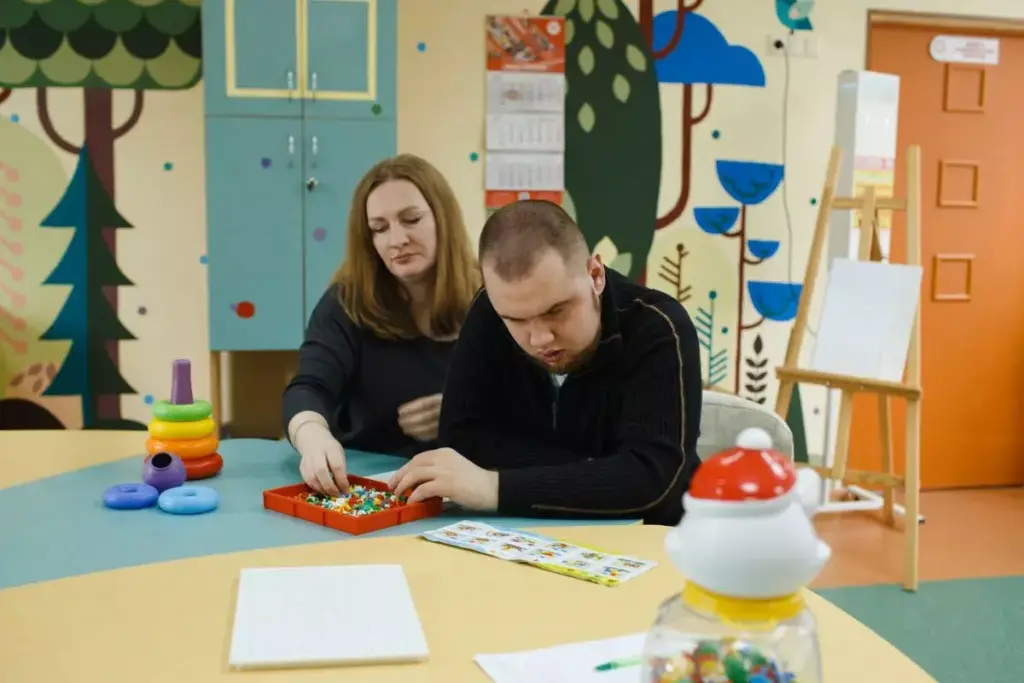
Exploring autism in adults requires understanding Autism Spectrum Disorder (ASD). ASD is a complex condition that affects social interaction, communication, and behavior. It’s not just for kids; it’s a lifelong difference in how people see and interact with the world.
What is Autism Spectrum Disorder?
Autism, or Autism Spectrum Disorder, is not just for kids. It’s a lifelong neurological difference. The term “spectrum” shows the wide range of symptoms people can have. For more info, visit HelpGuide for resources and support.
Key characteristics of ASD include:
- Difficulties in social communication and interaction
- Restricted and repetitive patterns of behavior, interests, or activities
- Differences in sensory processing and integration
Prevalence and Gender Differences
About 1 in 36 people worldwide has Autism Spectrum Disorder. Boys and men are more often diagnosed, at a 4:1 ratio to girls and women. This gap is due to how symptoms are seen and diagnosed.
Understanding these gender differences is key for fair diagnoses and support. Research is ongoing to shed light on ASD’s complexities. It’s important to raise awareness and tailor support for everyone.
Social Communication Signs of Autism in Adults

Understanding autism in adults means knowing certain social signs. Adults with autism show unique traits that change how they interact with others. Let’s look at these traits to spot autism signs.
Difficulty Maintaining Eye Contact
Difficulty maintaining eye contact is a common sign. Adults with autism might struggle to keep eye contact during talks. This can seem like they’re not interested, but it’s often due to sensory issues or trouble with social cues.
Challenges Reading Social Cues and Body Language
Adults with autism often have trouble with reading social cues and body language. This can cause misunderstandings in social situations. They might miss nonverbal signals like facial expressions or posture. We can help improve these skills with practice and awareness.
Trouble Developing and Maintaining Relationships
Building and keeping relationships is hard for adults with autism. They might find it tough to start or keep conversations going. This can impact their personal and work life. Knowing this can help us offer support.
Literal Interpretation of Language
Adults with autism often interpret language literally. They might struggle with sarcasm, idioms, or figurative language. This can cause confusion in social talks. Being aware of this can help us communicate better.
By recognizing these social signs, we can support adults who might be on the autism spectrum. If you’re wondering, “How to tell if I’m autistic?” or concerned about “signs of autism mild,” spotting these traits is the first step to getting help.
Behavioral and Sensory Signs of Autism in Adults
It’s important to know the signs of autism in adults. These signs can help in diagnosis and support. Adults with autism may show behaviors that are comforting but also challenging.
8. Adherence to Rigid Routines and Rituals
Adults with autism often stick to strict routines. These routines give them a sense of security. But, they can make it hard to adapt to changes or surprises.
9. Special Interests and Hyperfocus
Adults with autism have deep interests or hobbies. These can bring joy and expertise. But, they can also cause them to focus too much, missing out on other important things.
10. Repetitive Movements or Self-Stimulatory Behaviors
Some adults with autism do repetitive movements like hand flapping. These actions can be calming but might seem odd to others. This can affect how they interact with people.
11. Hypersensitivity to Sensory Stimuli
Many adults with autism are very sensitive to certain sounds or lights. This sensitivity can cause discomfort or anxiety in some places. They need ways to manage these sensory challenges.
| Behavioral/Sensory Sign | Description | Impact on Daily Life |
| Adherence to Rigid Routines | Following strict daily routines or rituals | Can provide comfort but may hinder adaptability |
| Special Interests | Having intense focus on specific hobbies or topics | Can be a source of expertise but may lead to distraction |
| Repetitive Movements | Exhibiting self-soothing behaviors like hand flapping | Can be calming but may be perceived as unusual by others |
| Hypersensitivity to Sensory Stimuli | Being overly sensitive to noises, lights, etc. | Can cause discomfort or anxiety in certain environments |
It’s key to recognize these signs to support adults with autism. By understanding and accommodating their needs, we can enhance their life quality. This helps them fit better into social and work settings.
Conclusion: Seeking Diagnosis and Support
Recognizing signs of autism in adults is the first step. If you see yourself in several symptoms, it’s time to seek a professional’s help. You might ask, “is my husband autistic” or “how to check if you have autism.” A healthcare professional can guide you through the diagnostic process, which might include an NHS autism test for adults in the UK.
If you think you might be on the spectrum, getting a diagnosis is a big step. Early help is key, as it makes services like speech therapy and behavioral training more effective. Getting a diagnosis can bring clarity and help you get the support you need, improving your life.
We urge you to take action if you’re worried about your symptoms or those of a loved one. Talking to a healthcare professional is easy and can help you understand yourself better. It also opens the door to the right support.
FAQ
What are the common signs of autism in adults?
Adults with autism often struggle with social interactions and communication. They might find it hard to make eye contact or understand social cues. They also might have repetitive behaviors.
Can adults develop autism later in life?
Autism is usually diagnosed in childhood. But, adults can get a diagnosis later. This doesn’t mean they developed autism. It’s just that their symptoms weren’t recognized earlier.
How is autism diagnosed in adults?
Diagnosing autism in adults involves several steps. A professional will conduct interviews and observe behavior. They will also look at the person’s developmental history. This helps determine if the symptoms meet autism criteria.
What is the difference between autism symptoms in adults and children?
Autism symptoms are the same for everyone, but adults might hide them better. Adults face different challenges, like keeping relationships or dealing with sensory issues. These aren’t as big of a deal for kids.
Can people with autism live independently?
Many adults with autism live on their own. Some need more help than others. It depends on their skills and support systems.
How can I get tested for autism as an adult?
Start by talking to your doctor. They can refer you to a specialist. You can also reach out to autism support groups or online resources for help.
What are the benefits of receiving an autism diagnosis as an adult?
Getting a diagnosis can help you understand yourself better. It opens up support services and accommodations. It also helps you see your strengths and work on challenges.
Are there any online resources or tests available to check for autism?
Online tools and tests are out there, but they’re not a full diagnosis. They can suggest if you need a professional check. But, only a doctor can give a real diagnosis.
Can autism be misdiagnosed in adults?
Yes, autism can be mistaken for other conditions in adults. This includes anxiety, depression, or ADHD. A thorough evaluation by a professional is key to get the right diagnosis.
Reference
National Center for Biotechnology Information. Evidence-Based Medical Insight. Retrieved from https://pmc.ncbi.nlm.nih.gov/articles/PMC8814970

























