


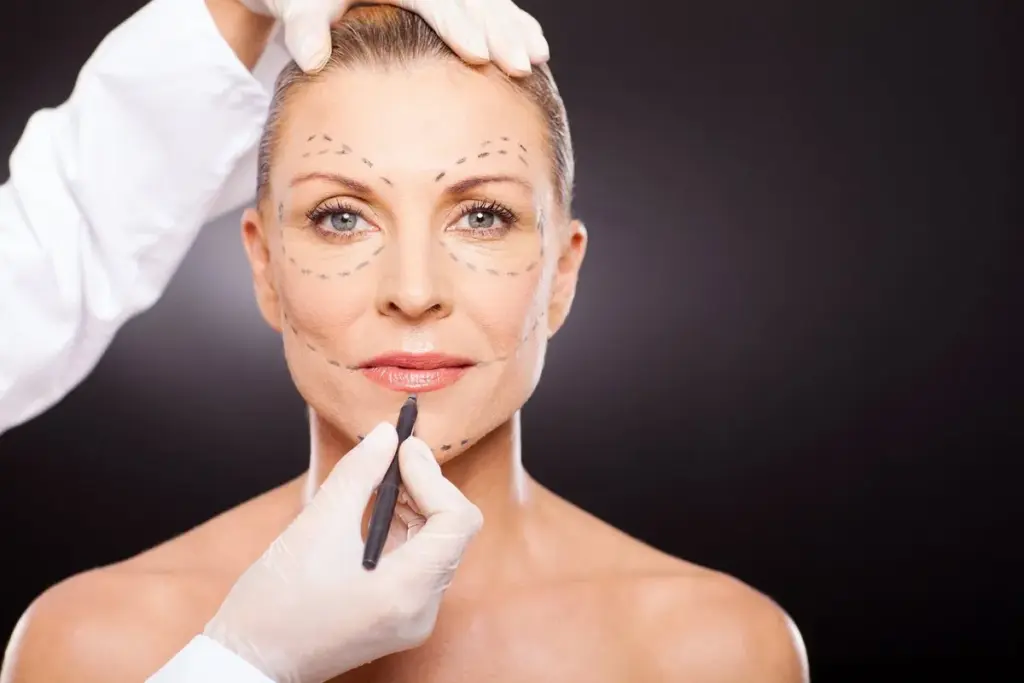
Facial rejuvenation has become a field that focuses on natural-looking results. Many people now look for ways to refresh their look or fix certain features. We think that getting aesthetic care should be a team effort between you and your medical team.
The old days of extreme, fake makeovers are over. Now, we aim for tailored treatments that highlight your unique beauty. Whether you’re looking to tackle aging signs or enhance facial function, knowing your options is key to feeling confident.
In this guide, we dive into 15 different kinds of plastic surgery available today. From quick, non-invasive options to more detailed solutions, we aim to clear up any confusion. Our goal is to help you understand the various types of face surgery with ease and support from professionals.
Key Takeaways
- Facial aesthetic procedures now focus on subtle, natural enhancements instead of drastic changes.
- There are 15 primary face plastic surgery types designed to meet diverse aesthetic goals.
- Modern techniques prioritize patient safety, shorter recovery times, and long-lasting results.
- Choosing the right procedure depends on your specific anatomy and personal desires.
- Professional consultation ensures that your chosen path aligns with your long-term health and beauty objectives.
Understanding Facial Rejuvenation and Structural Procedures

Many people want to look younger and more vibrant. As we age, our skin loses its elasticity and muscles weaken. This leads to sagging skin, jowls, and deep creases. Facial rejuvenation procedures aim to fix these problems, making our faces look smoother and younger.
We’ll look at key facial rejuvenation and structural surgery options. These include facelifts, brow lifts, eyelid surgery, and neck lifts. Each procedure targets different aging concerns.
Facelift (Rhytidectomy)
A facelift tightens the skin and underlying tissue to reduce sagging and deep creases. It makes the face look smoother and younger. It involves repositioning or removing excess facial fat, tightening muscles, and redraping the skin.
Brow Lift (Forehead Lift)
A brow lift elevates the brow to a youthful position. It reduces forehead lines and frown lines. This improves the face’s overall look, making it appear more alert and refreshed.
Eyelid Surgery (Blepharoplasty)
Eyelid surgery removes excess skin and fat from the eyelids. It makes the eyes look brighter and younger. It reduces signs of aging like baggy eyelids and under-eye bags.
Neck Lift (Platysmaplasty)
A neck lift targets the neck area, addressing sagging skin and muscle banding. It tightens muscles and removes excess skin. This enhances the jawline and neck, giving a more youthful and streamlined look.
These facial rejuvenation and structural procedures help address aging signs and improve facial appearance. Understanding these options helps individuals choose the best procedures for their needs.
Comprehensive List of Plastic Surgery Names for the Face

Facial plastic surgery offers many procedures to improve how we look. It helps balance and enhance facial harmony. These surgeries can boost confidence and appearance.
There are many facial plastic surgery options. People can pick what suits their beauty goals best. Let’s look at some common types of plastic surgery for the face.
Rhinoplasty (Nose Reshaping)
Rhinoplasty is a top facial surgery. It reshapes the nose for better looks and breathing. Rhinoplasty can fix looks and breathing issues, making it flexible. There are open and closed rhinoplasty methods, each with its own benefits.
Otoplasty (Ear Surgery)
Otoplasty fixes ear shape, size, or position. It’s for kids and adults with big ears or ear issues. The surgery molds cartilage for a natural look.
Cheek Augmentation (Malar Augmentation)
Cheek augmentation boosts cheek looks, giving a younger face. It’s done with implants or fillers. Cheek augmentation greatly improves facial looks, making it balanced.
Lip Augmentation
Lip augmentation makes lips bigger, fuller, and more defined. It uses fillers or fat transfer. Lip augmentation is popular for fuller lips. The method chosen depends on what you want.
These different kinds of plastic surgery offer many ways to improve facial features. Knowing these options helps make smart choices for cosmetic surgery.
Choosing the Right Procedure and Surgeon
Starting your journey in facial plastic surgery means picking the right procedure and a skilled surgeon. This choice is complex. You need to know your goals, your surgeon’s qualifications, and what the surgery entails.
Evaluating Your Aesthetic Goals
Before surgery, define your aesthetic goals clearly. What do you want to change? Do you want to look younger, fix a feature, or improve your face’s balance? Knowing your reasons and expectations helps pick the best procedure.
Take time to think about what you want. Talk to friends, family, or a counselor about your goals. Looking at before-and-after photos can also help you understand what to expect.
Identifying Qualified Facial Plastic Surgeons
Finding a qualified facial plastic surgeon is key to a successful surgery. Board certification shows a surgeon’s training and commitment to safety and skill.
Look at a surgeon’s experience with your desired procedure. Check patient testimonials and before-and-after photos. Meeting with several surgeons helps you find the right one for you.
Understanding Risks and Recovery Expectations
Every surgery has risks and a recovery time. Knowing these is important for making a good choice. Potential risks include infection, scarring, and reactions to anesthesia.
Recovery times differ by procedure. For example, eyelid surgery might have a shorter recovery than a facelift. Talk to your surgeon about what to expect during recovery.
| Procedure | Typical Recovery Time | Common Risks |
| Facelift (Rhytidectomy) | 2-3 weeks | Swelling, bruising, infection |
| Eyelid Surgery (Blepharoplasty) | 1-2 weeks | Dry eyes, temporary blurred vision |
| Nose Reshaping (Rhinoplasty) | 1-2 weeks | Nasal congestion, swelling |
Conclusion
Facial plastic surgery covers many procedures. These include various types of plastic surgery and cosmetic treatments. They aim to restore balance and confidence while keeping a natural look.
We’ve looked at different options, from rejuvenation to specific surgeries like rhinoplasty and otoplasty. This helps patients understand their choices better.
It’s key to find qualified facial plastic surgeons. They help patients make informed decisions. They explain the risks and what to expect during recovery.
The wide range of facial plastic surgeries helps people improve their looks and feel more confident. Choosing experienced professionals is vital. They ensure results that look natural and feel real, leading to a successful outcome.
FAQ
What is considered plastic surgery when addressing the facial area?
Facial plastic surgery includes both cosmetic and reconstructive procedures that improve the appearance, structure, or function of the face. This can range from wrinkle reduction and contouring to correcting deformities or repairing damage from trauma or disease.
How many different kinds of plastic surgery are available for facial rejuvenation?
There are many options, broadly grouped into:
- Surgical procedures (e.g., facelift, eyelid surgery, neck lift)
- Minimally invasive treatments (e.g., injectables, thread lifts)
-
Non-invasive treatments (e.g., laser resurfacing, chemical peels)
Each category offers different levels of results, downtime, and longevity.
How do I determine what plastic surgery should I get for my concerns?
Start by identifying your main concerns (wrinkles, sagging skin, volume loss, etc.). A consultation with a qualified surgeon helps match your goals with the most appropriate procedure or combination of treatments, based on your anatomy, age, and expectations.
What types of plastic surgeons should I look for when planning a procedure?
Look for a board-certified plastic surgeon or a facial plastic surgeon with:
- Experience in the specific procedure you’re considering
- A strong portfolio of before-and-after results
- Positive patient reviews and a focus on safety
What is the primary difference between various cosmetic surgery types and reconstructive options?
- Cosmetic surgery focuses on enhancing appearance (e.g., facelift, rhinoplasty).
- Reconstructive surgery restores function and normal appearance after injury, illness, or congenital conditions (e.g., scar revision, facial reconstruction).
Are there specific kinds of cosmetic surgery that focus on the skin’s surface?
Yes, several treatments specifically target the skin, including:
- Laser resurfacing
- Chemical peels
- Dermabrasion
-
Microneedling
These improve texture, tone, and fine lines without major surgery.
What are the most common types of face surgery for the jaw and neck?
Common procedures include:
- Neck lift – tightens loose skin and muscles
- Chin augmentation – enhances jawline definition
- Jaw contouring (orthognathic or cosmetic) – reshapes the jaw structure
- Submental liposuction – removes fat under the chin (“double chin”)
If you want, I can create a personalized guide based on your facial concerns (aging, jawline, skin, etc.) to help you decide the best option.
Reference
National Center for Biotechnology Information. Evidence-Based Medical Insight. Retrieved from https://pmc.ncbi.nlm.nih.gov/articles/PMC5553462/


 Departments
 Related Videos
 Our Doctors
 News
News


