
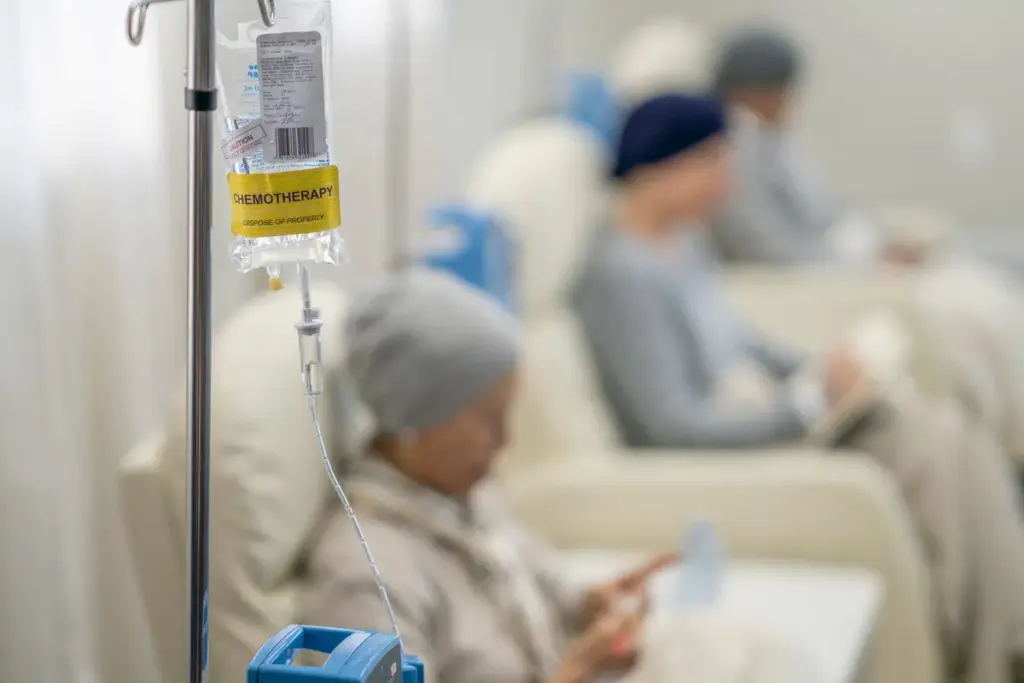
Chemotherapy is a complex cancer treatment that needs careful planning. The time it takes can change a lot. This depends on the cancer type, the drugs, and how they are given.
Getting ready for chemotherapy can feel overwhelming. But knowing what to expect can make things easier. Chemotherapy is given in cycles, often 4–8 cycles. Each cycle lasts 2–4 weeks. For more details, check out Medical News Today.
Key Takeaways
- Chemotherapy session duration varies based on the type of cancer and drugs used.
- The administration method also affects the length of chemotherapy sessions.
- Chemotherapy is typically delivered in cycles, with 4–8 cycles being common.
- Each chemotherapy cycle can last between 2–4 weeks.
- Understanding the factors that influence chemotherapy duration can help patients prepare.
Understanding Chemotherapy: A Brief Overview
Chemotherapy is a key part of cancer treatment. It uses drugs to kill cancer cells all over the body. It can be used alone or with other treatments like surgery and radiation.
What is chemotherapy and how does it work?
Chemotherapy stops cancer cells from growing and dividing. Cancer cells grow fast, and chemotherapy targets them. The drugs used depend on the cancer type, its stage, and the patient’s health.
Chemotherapy drugs work in different ways. Some damage cancer cells’ DNA, while others stop cell division. This targeted approach helps chemotherapy fight many cancers.
Common types of chemotherapy drugs
Chemotherapy drugs are grouped by how they work and their structure. Here are some common types:
- Alkylating agents: These drugs damage cancer cells’ DNA, stopping them from making more cells. Examples include cyclophosphamide and temozolomide.
- Antimetabolites: These drugs block DNA and RNA production, slowing cancer cell growth. Examples include 5-fluorouracil and gemcitabine.
- Anthracyclines: These drugs insert into DNA strands, stopping DNA and RNA production. Examples include doxorubicin and epirubicin.
Each drug has its own side effects. Doctors choose based on the cancer’s specifics.
Factors That Determine Chemotherapy Duration
Chemotherapy treatment time is complex and influenced by many factors. Several critical factors determine how long chemotherapy treatment will last. Knowing these factors helps patients prepare for their treatment journey.
Cancer Type and Stage Considerations
The type and stage of cancer greatly affect chemotherapy duration. Different cancers react differently to treatment, and the cancer stage guides the treatment plan. Early-stage cancers might need shorter treatments, while advanced stages may require longer ones.
Cancer type is also key, as some cancers are more aggressive and need more treatment. We look at the cancer’s growth rate and how likely it is to spread when planning treatment.
Treatment Goals and Protocols
Treatment goals are a big factor in how long chemotherapy lasts. The goal can be to cure the cancer, slow its growth, or ease symptoms. We create personalized treatment plans based on the patient’s needs and the cancer’s type.
Chemotherapy protocols, like the drugs used, dosage, and how often they’re given, also affect treatment time. We stick to established guidelines to ensure effective treatment.
Patient’s Overall Health Condition
A patient’s overall health is very important in determining chemotherapy duration. Patients with health issues or weak immune systems may need treatment adjustments. We watch the patient’s health closely and adjust treatment as needed to reduce side effects and improve outcomes.
We consider factors like age, nutrition, and other medical conditions when planning chemotherapy. This approach helps us optimize treatment duration and effectiveness.
Different Methods of Chemotherapy Administration

It’s important for patients to know how chemotherapy is given. The way it’s given affects how well it works and how the patient feels.
Intravenous (IV) Chemotherapy
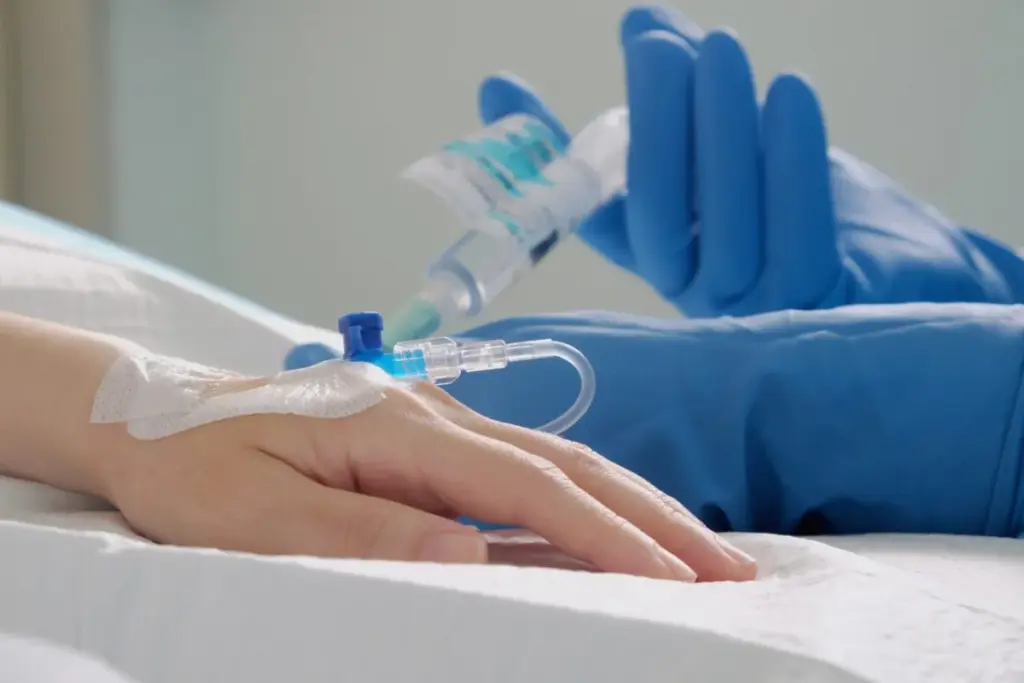
IV chemotherapy is a common way to give treatment. It puts drugs directly into a vein. This method is used for many types of cancer because it can give high doses quickly.
Benefits of IV Chemotherapy: It can give high doses of drugs, which can fight cancer well. It also lets doctors control the treatment closely.
Oral Chemotherapy
Oral chemotherapy means taking drugs in pill or liquid form. This method is growing as new drugs are made. It lets patients take treatment at home, but they must follow the schedule closely.
Considerations for Oral Chemotherapy: Patients need to be able to swallow and absorb the drugs well. If they forget to take their drugs, it can be a problem.
Other Administration Routes
Chemotherapy can also be given in other ways. These include topical application, intra-arterial, intraperitoneal, and intrathecal. These methods are used for specific cancers or when the cancer is in one area.
- Topical chemotherapy is used for skin cancers.
- Intra-arterial chemotherapy is used to deliver high doses directly to a tumor.
- Intraperitoneal chemotherapy is used for cancers within the abdominal cavity.
- Intrathecal chemotherapy is used to treat cancers that have spread to the central nervous system.
The choice of how to give chemotherapy depends on many things. These include the cancer type and stage, the patient’s health, and the drugs used. Our healthcare team works with patients to find the best way to give treatment.
How Long Does a Single Chemotherapy Session Take?
The time it takes for a single chemotherapy session can change a lot. It depends on how the treatment is given. Knowing how long a session lasts helps patients plan their day and set realistic expectations.
IV Infusion Timeframes
Patients getting IV chemotherapy might wait anywhere from 30 minutes to several hours for each session. The exact time depends on the drugs used, the dose, and the patient’s health. Some infusions are quick, while others take longer to ensure the medication is delivered safely.
We know waiting can be tough for many. Our facilities offer a cozy place to wait, with amenities to make the experience better.
Oral Chemotherapy Administration Time
Oral chemotherapy, which is pills or liquids, is quicker. It usually takes a few minutes to swallow the medication. But, patients must follow specific rules for when and how to take their pills, including any food restrictions.
It’s key for patients to stick to their treatment plan. If they have questions or worries about oral chemotherapy, they should talk to their doctor.
Continuous Infusion Duration
Chemotherapy can also be given through continuous infusion, lasting 24 hours or more. This method uses a portable pump to give the medication all day. It helps keep the treatment steady, which is good for some cancer treatments.
We give patients clear instructions on managing their continuous infusion. This includes how to take care of the infusion site and fix any pump problems.
The Concept of Chemotherapy Cycles
Chemotherapy cycles aim to make treatment effective while reducing side effects. This balance is key for patient care. Treatments are given in cycles to let the body rest between sessions.
What is a Chemotherapy Cycle?
A chemotherapy cycle is a treatment period followed by a rest period. This cycle helps the body heal from chemotherapy’s effects on healthy cells. The cycle’s length depends on the cancer type, drugs used, and the patient’s health.
Standard Number of Cycles
Most patients get 4 to 8 cycles of chemotherapy. The exact number depends on the treatment plan, tailored to each patient. The plan considers the cancer type, stage, and how well the patient can handle treatment.
Duration Between Cycles
The break between cycles lasts from 2 to 4 weeks. This time lets the body recover and gives cancer cells a chance to be affected by the next cycle. Regular checks are done to see how well the treatment is working and make needed changes.
Understanding chemotherapy cycles is vital for patients. Knowing what to expect helps them prepare for treatment and its side effects.
Total Duration of Chemotherapy Treatment
Understanding the total duration of chemotherapy is key for patients. It’s a complex process that varies based on several factors. These include the cancer type and stage, treatment goals, and the patient’s health.
Chemotherapy is given in cycles, with breaks in between. This allows patients to recover and for doctors to check treatment progress.
Average Treatment Length
Chemotherapy usually lasts 3 to 6 months. But, this can change a lot. Some might need treatment for less time, while others might need more.
Many things affect how long treatment lasts. These include:
- The type and stage of cancer
- The specific chemotherapy regimen being used
- The patient’s response to treatment
- Any additional therapies being used in conjunction with chemotherapy
Extended Treatment Scenarios
Chemotherapy might last longer than usual in some cases. This happens when:
- The cancer is very aggressive or at an advanced stage
- The patient needs more cycles to reach treatment goals
- There’s a risk of cancer coming back or getting worse
In these cases, doctors and patients work together. They adjust treatment plans to ensure the patient gets the right care and support.
Follow-up Care Timeline
After chemotherapy, patients enter a follow-up care phase. This is important for checking recovery, looking for cancer signs, and managing side effects.
The follow-up care includes:
- Regular check-ups with the healthcare team
- Imaging tests and other diagnostic procedures to monitor for cancer recurrence
- Supportive care to manage any ongoing side effects or complications
Knowing about chemotherapy’s total duration helps patients prepare. It includes understanding average treatment length, possible extended scenarios, and follow-up care. This way, patients can face the challenges and opportunities ahead.
Outpatient vs. Inpatient Chemotherapy
Chemotherapy is given in different places, each with its own benefits. The choice between outpatient and inpatient care depends on the patient’s needs and cancer type. Knowing the differences helps patients get ready for their treatment.
Benefits of Outpatient Treatment
Outpatient chemotherapy is the most common type. It lets patients get care without staying in the hospital. This method has several advantages, including:
- Flexibility: Patients can keep up with their daily life, like work and family.
- Comfort: They can recover at home, which is often more comfortable than a hospital.
- Reduced Risk of Infection: Outpatient care is safer from hospital infections.
Outpatient treatment is best for those in good health with a strong support system at home. It’s also good for treatments that don’t need constant monitoring.
When Inpatient Chemotherapy is Necessary
Inpatient chemotherapy is needed for those who need constant care, have complex treatments, or face severe side effects. Inpatient care offers:
- Continuous Monitoring: Patients get care from a team all day and night.
- Immediate Intervention: Any serious problems or side effects are handled right away.
- Supportive Care: It includes extra help like pain management and nutrition support.
Inpatient care is often needed for advanced cancer, high-dose chemotherapy, or those with serious health issues.
Impact on Patient Quality of Life
The place where chemotherapy is given can greatly affect a patient’s life quality. Outpatient care keeps a more normal life, while inpatient care offers more support for those needing it. We help choose the best setting for each patient based on their needs and wishes.
Our goal is to give full care that covers the physical, emotional, and mental health of our patients, no matter the setting.
Preparing for Your First Chemotherapy Session
Getting ready for your first chemotherapy session might feel overwhelming. But, with the right help, you can feel more confident. It’s important to be ready in many ways: medically, practically, and emotionally.
Medical Preparations
Your healthcare team will do several tests before your first treatment. These tests check if you’re ready for chemotherapy. You might have:
- Blood tests to see your blood cell counts and health.
- Imaging tests like X-rays or CT scans to check your cancer.
- Heart function tests if certain chemotherapy could harm your heart.
Make sure to follow your doctor’s advice about any medicines you’re taking. Also, tell them about any allergies or bad reactions to chemotherapy drugs.
Practical Preparations
Practical steps can make your chemotherapy sessions more comfortable. Think about these:
- Comfortable clothing: Wear loose, comfy clothes to your sessions.
- Nourishment: Bring snacks and water to stay hydrated and energized.
- Support system: Having a friend or family member there can offer emotional support and help with getting there.
- Entertainment: Bring books, magazines, or a tablet with your favorite shows or music to pass the time.
Mental and Emotional Readiness
Getting ready mentally and emotionally is as important as medical prep. Here are some tips:
- Educate yourself: Knowing what to expect can help reduce anxiety.
- Support groups: Joining a support group can connect you with others facing similar challenges.
- Mindfulness and relaxation techniques: Practices like meditation, deep breathing, or yoga can help manage stress and anxiety.
By following these steps, you can better handle chemotherapy’s challenges. This way, you can focus on your recovery.
1st Chemo Treatment Side Effects: What to Prepare For
As you get ready for your first chemotherapy session, you might wonder about side effects. Chemotherapy can affect the body in many ways. Knowing what to expect can help you manage these effects better.
Immediate Side Effects
Side effects that happen right away or soon after treatment include:
- Infusion reactions such as redness, itching, or swelling at the infusion site
- Nausea and vomiting, though anti-nausea meds can help
- Fatigue, which can be mild or severe
- Allergic reactions, closely watched by healthcare pros
Having a friend or family member with you during treatment is key. They can offer support and help you get home safely.
Short-term Side Effects
Side effects that show up a few days after treatment can last for weeks. Common ones are:
- Hair loss, which is often temporary
- Mouth sores or mucositis, managed with good oral care and meds
- Changes in appetite and taste
- Increased risk of infection due to a weakened immune system
Your healthcare team will guide you on managing these side effects. They might suggest treatments or lifestyle changes.
How Side Effects May Change with Subsequent Treatments
Side effects from the first treatment can change with later treatments. Some people’s bodies adjust, and side effects lessen. But others might face new or worse side effects.
Keeping a journal of your side effects can help your healthcare team. They can adjust your treatment plan based on your experience. It’s important to talk to your healthcare providers about any changes or concerns.
Understanding and managing side effects from your first chemotherapy treatment can make your journey easier. It can also improve your quality of life.
Managing Common Chemotherapy Side Effects
Managing chemotherapy side effects needs both medical help and lifestyle changes. Knowing and using these strategies can make treatment better and improve health.
Nausea and Vomiting Management
Nausea and vomiting are common with chemotherapy. Anti-nausea medications are often given to help. It’s important to take these medicines as told, before and after treatment.
Eating small, frequent meals and avoiding strong smells can help. Drinking lots of water is also key.
“Managing nausea effectively can greatly improve a patient’s quality of life during chemotherapy.” –
Oncology Expert
Fatigue and Energy Conservation
Fatigue is a big side effect of chemotherapy. It makes daily tasks hard. Energy conservation techniques are key. Prioritize tasks, take breaks, and do gentle exercise like walking or yoga.
- Plan your daily activities according to your energy levels.
- Take short naps if needed, but avoid long periods of sleep during the day.
- Engage in activities that you enjoy and that give you energy.
Hair Loss Coping Strategies
Hair loss is common with chemotherapy. It can be hard emotionally. Coping strategies can help. Cutting hair short or shaving before hair loss starts can help.
Use gentle hair care products and avoid heat styling. Exploring wig options or head coverings can also help.
Immune System Support
Chemotherapy weakens the immune system. This makes patients more likely to get sick. Boosting the immune system means good hygiene and avoiding sick people.
Eating a balanced diet rich in fruits, vegetables, and lean proteins helps too. Sometimes, doctors might suggest supplements to boost immunity.
|
Immune-Boosting Foods |
Benefits |
|---|---|
|
Fruits (berries, citrus fruits) |
High in vitamins and antioxidants |
|
Leafy Greens (spinach, kale) |
Rich in vitamins and minerals |
|
Lean Proteins (chicken, fish) |
Supports overall health and immune function |
The Day of Treatment: What to Expect
Knowing what to expect on your chemotherapy day can reduce anxiety. It makes the experience smoother. Preparing for your session is key.
The Check-in Process
When you arrive, you’ll start with the check-in. Our staff will help you with paperwork and assessments. Make sure to bring your insurance and ID to speed things up.
Tips for a Smooth Check-in:
- Arrive at least 30 minutes before your appointment.
- Have all necessary documents ready.
- Tell our staff about any health or medication changes.
What Happens During Administration
During treatment, our team will make sure you’re comfortable. They’ll follow your treatment plan. The method of administration will affect the details.
What to Expect During IV Chemotherapy:
- The nurse will insert an IV line into your arm or hand.
- The chemotherapy drugs will be given according to your plan.
- You’ll be watched for any immediate reactions.
Post-session Monitoring
After treatment, we’ll watch you for side effects. This is also a chance to ask questions. You’ll get help with managing side effects at home.
Post-Session Care Tips:
- Have someone drive you home, as you might not feel up to it.
- Follow our advice for managing side effects.
- Drink plenty of water and rest when needed.
Understanding the process and being prepared helps make your treatment day better. Our team is here to support you every step of the way.
The Emotional and Psychological Impact of Chemotherapy
Chemotherapy is more than just treatment. It affects a patient’s mental health and well-being. It also impacts their family and loved ones.
Coping with Treatment Anxiety
Anxiety is common for those undergoing chemotherapy. The fear of the unknown can be overwhelming. Effective coping strategies include:
- Seeking support from loved ones, support groups, or professional counselors
- Practicing relaxation techniques such as deep breathing, meditation, or yoga
- Staying informed about the treatment process and what to expect
Managing Emotional Responses
Chemotherapy can be an emotional rollercoaster. Patients may feel fear, anxiety, sadness, and frustration. Emotional support is key during this time. This can come from:
- Family and friends who provide care and understanding
- Professional counseling or therapy to address specific emotional needs
- Support groups where patients can share their experiences and connect with others
Support Resources for Patients and Families
Access to the right support resources is vital. Key resources include:
- Professional counseling services tailored to cancer patients
- Online forums and support groups for a community of understanding
- Educational materials and workshops on coping with treatment
By acknowledging the emotional and psychological impact of chemotherapy, patients and their families can better navigate this challenging journey.
Balancing Life During Chemotherapy Treatment
Chemotherapy can be tough, but you can keep your life feeling normal. It’s key to balance treatment with daily tasks and activities. This helps both your body and mind.
Work and Daily Activities
Keeping up with work or daily tasks can give you a sense of purpose. But, it’s important to know your limits. Talking to your boss about flexible work or adjusting your schedule can help manage side effects.
- Prioritize tasks based on energy levels and importance.
- Consider delegating tasks when possible to conserve energy.
- Take regular breaks to rest and recover.
Family Responsibilities
Chemotherapy affects not just you but your family too. Talking openly with your family about what you need can help share duties and support each other.
- Share your treatment schedule with your family to plan ahead.
- Ask for help when you need it, whether it’s with household chores or childcare.
- Keep up with family activities that are fun but not too tiring.
Self-Care Strategies
Self-care is essential during chemotherapy. It includes activities that help manage stress and improve life quality. Trying relaxation techniques like meditation, deep breathing, or yoga can be really helpful.
- Practice mindfulness or meditation to reduce stress.
- Stay hydrated and eat a balanced diet as much as you can.
- Do physical activities that are easy and fun, like walking or light stretching.
By using these strategies, you can balance your life during chemotherapy. This makes your treatment experience better and improves your overall well-being.
Liv Hospital’s Approach to Chemotherapy Treatment
Liv Hospital focuses on patient-centered care. We offer advanced chemotherapy treatment options. Our goal is to provide world-class healthcare and support for international patients.
World-Class Protocols and Outcomes
At Liv Hospital, we follow rigorous treatment protocols. These protocols are designed to improve treatment outcomes for our patients. Our team keeps up with the latest in oncology to ensure effective treatments.
Our multidisciplinary team works together to create personalized treatment plans. This approach helps us achieve better treatment outcomes. It also improves our patients’ quality of life.
Multidisciplinary Collaboration
Liv Hospital’s multidisciplinary team includes oncologists, radiologists, surgeons, and support staff. They work together to provide complete care. This team approach considers all aspects of a patient’s condition when planning treatment.
- Oncologists specializing in various types of cancer
- Radiologists for accurate diagnosis and treatment planning
- Surgeons for surgical interventions when necessary
- Nurses and support staff for ongoing patient care
Patient-Centered Care Philosophy
Our patient-centered care philosophy guides everything we do. We treat the whole person, not just the disease. Our aim is to make your chemotherapy journey comfortable and stress-free.
We offer comprehensive support services like counseling and nutritional advice. Our team is committed to providing the care and support you need during treatment.
At Liv Hospital, we are dedicated to delivering high-quality care for international patients. Our team is here to support you every step of the way.
Conclusion: Navigating Your Chemotherapy Journey
Chemotherapy can be tough to handle, but with the right help, patients can make smart choices and get good care. We’ve looked at many parts of chemotherapy in this article. This includes what the treatment is, how it’s given, and how to deal with side effects.
Starting chemotherapy means having a strong support team. This team should include doctors, family, friends, and other resources. Knowing about cancer treatment and having support helps people deal with chemotherapy’s tough parts.
It’s key to manage chemotherapy side effects well. Knowing what side effects might happen and how to handle them helps patients stay comfortable. At Liv Hospital, we aim to give top-notch care and support to our patients during their treatment.
FAQ
How long does a typical chemotherapy session take?
Chemotherapy session times vary. Oral treatments can take just a few minutes. IV infusions can last from 30 minutes to hours.
What factors influence the total duration of chemotherapy treatment?
Several factors affect chemotherapy treatment length. These include the cancer type and stage, treatment goals, and the patient’s health.
How long does it take to administer IV chemotherapy?
IV chemotherapy infusion times vary. They can range from 30 minutes to several hours, based on the drugs and treatment plan.
What is a chemotherapy cycle, and how long does it last?
A chemotherapy cycle includes treatment and recovery periods. Cycle lengths vary, typically lasting weeks, based on the treatment plan.
How many cycles of chemotherapy are typically required?
The number of chemotherapy cycles varies. It depends on the cancer type and stage, and treatment goals. Usually, it’s between 3 to 6 cycles.
What are the common side effects of the first chemotherapy treatment?
Side effects of the first treatment can include nausea, fatigue, hair loss, and emotional changes. These can vary in severity.
How can I manage chemotherapy side effects?
Managing side effects involves several strategies. These include managing nausea, conserving energy, coping with hair loss, and supporting the immune system.
What can I expect on the day of chemotherapy treatment?
On treatment days, you’ll go through a check-in, receive your treatment, and be monitored for any reactions.
How can I balance my life during chemotherapy treatment?
Balancing life during treatment means managing work, family, and self-care. It’s about maintaining well-being during treatment.
What support resources are available for patients and families during chemotherapy?
Support includes counseling, support groups, and educational materials. These help cope with treatment’s emotional and psychological effects.
How does Liv Hospital approach chemotherapy treatment?
Liv Hospital uses world-class protocols and a patient-centered approach. They focus on multidisciplinary care to ensure supportive and effective treatment.
Reference
Common toxicities associated with such agents include myelosuppression, nausea, vomiting, GI side effects, mucositis, alopecia, sterility, https://www.ncbi.nlm.nih.gov/books/NBK564367/