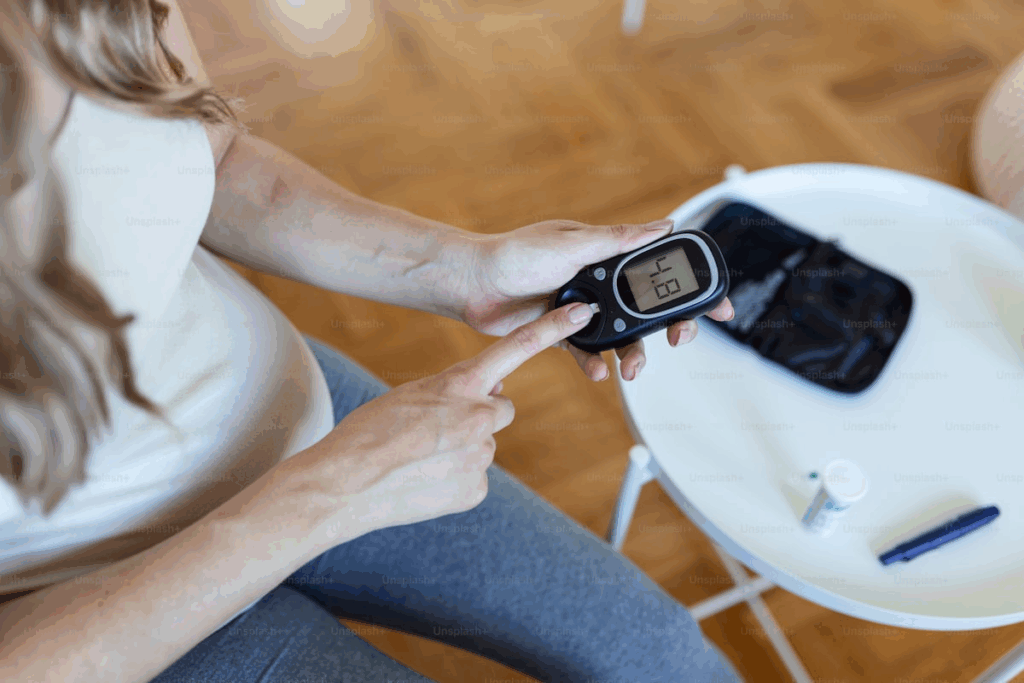
Diagnosing Type 2 Diabetes needs clear and proven methods. We use the 2-hour glucose tolerance test (GTT) as a key tool. It’s combined with fasting blood glucose and HbA1c tests to spot diabetes and prediabetes early.Understand the 2 hour gtt (Glucose Tolerance Test) and the ADA diagnostic criteria used to screen for prediabetes and Type 2 diabetes risk.
The American Diabetes Association (ADA) sets clear rules for diagnosing Type 2 Diabetes Mellitus (T2DM). These ADA diagnostic criteria help doctors accurately diagnose and manage diabetes.
With the 2-hour GTT and other tools, we can find people with T2DM and prediabetes. This lets us start treatment early.
Key Takeaways
- The 2-hour GTT is a key tool for finding Type 2 Diabetes and prediabetes.
- ADA diagnostic criteria offer a standard way to diagnose T2DM.
- Using the 2-hour GTT with fasting blood glucose and HbA1c tests improves accuracy.
- Early diagnosis and treatment can greatly help people with T2DM.
- Getting a correct diagnosis is vital for managing diabetes well.
What Is a 2-Hour GTT and Why It Matters

The oral glucose tolerance test, or 2-hour GTT, is key in checking how our bodies handle glucose. It’s vital for spotting diabetes and helping those at risk. This test helps doctors manage diabetes and find early signs of it.
Definition and Purpose of the Oral Glucose Tolerance Test
The 2-hour GTT checks how well we handle blood sugar after drinking a sweet drink. It measures blood glucose levels at set times to see how well we use and store glucose. Its main goal is to find diabetes, prediabetes, and impaired glucose tolerance.
During the test, a patient drinks a 75-gram glucose solution. Their blood glucose is checked at 1 and 2 hours later. This shows how our bodies react to glucose.
Role in Diabetes Diagnosis and Management
The 2-hour GTT is key in finding and managing diabetes. It shows how our bodies handle glucose, helping doctors diagnose diabetes and prediabetes. The test results guide treatment and lifestyle changes for patients.
Here’s a quick look at how the 2-hour GTT is used in clinics:
Test Outcome | Diagnosis | Clinical Implication |
<140 mg/dL at 2 hours | Normal glucose tolerance | No diabetes or prediabetes |
140-199 mg/dL at 2 hours | Impaired glucose tolerance (prediabetes) | Lifestyle changes recommended |
≥200 mg/dL at 2 hours | Diabetes | Further testing and treatment planning |
Getting ready for the test is important for good results. Patients usually fast for 8-12 hours beforehand. They also avoid some medicines that can change blood sugar levels.
Knowing about the 2-hour GTT helps doctors give better care. This improves patients’ health and life quality.
The Evolution of Diabetes Diagnostic Standards
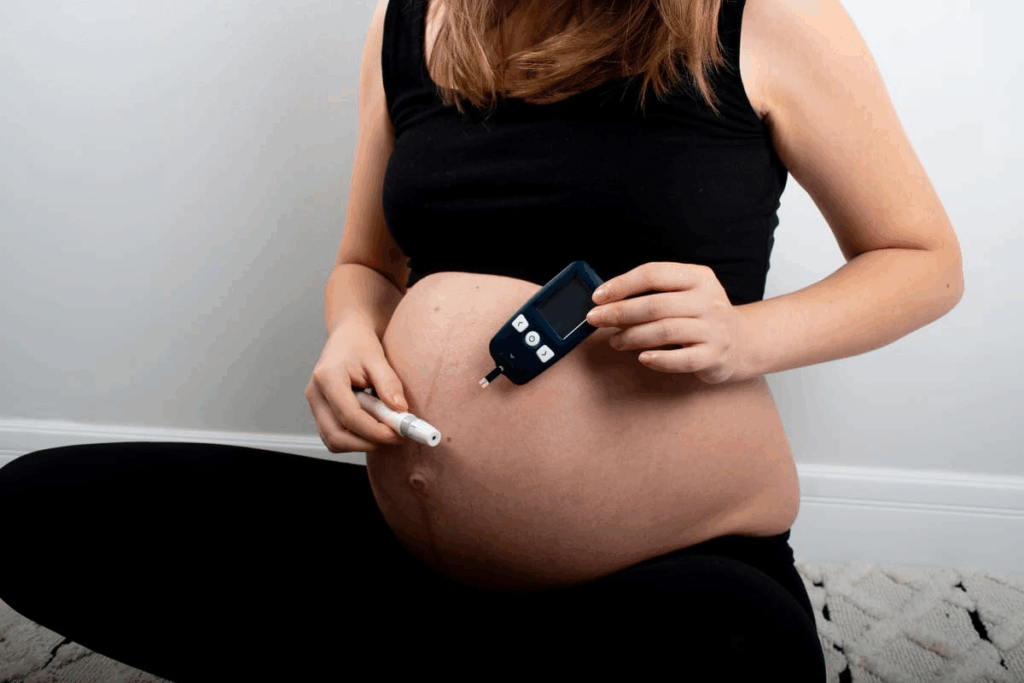
The way we diagnose diabetes has changed a lot. This is because we now understand more about how glucose works in our bodies. As we’ve learned more about diabetes, so have our methods for finding it.
Historical Development of Glucose Testing
Glucose testing started in the early 1900s with the first oral glucose tolerance tests (OGTT). Back then, these tests weren’t the same everywhere, causing different results. Later, scientists worked to make the tests the same everywhere, including how much glucose was used and when blood was taken.
Key milestones in glucose testing include:
- Development of the first glucose meters for self-monitoring
- Introduction of the hemoglobin A1c (HbA1c) test for assessing long-term glucose control
- Standardization of OGTT protocols for diagnosing diabetes and impaired glucose tolerance
How Modern Criteria Were Established
Today’s diabetes diagnosis rules came from big studies and trials. These looked at how high blood sugar levels relate to serious diabetes problems like eye and kidney damage.
The key studies that helped set today’s rules include:
Study | Year | Key Findings |
National Diabetes Data Group (NDDG) | 1979 | Established criteria for interpreting OGTT results |
World Health Organization (WHO) | 1980 | Standardized diabetes diagnosis criteria globally |
American Diabetes Association (ADA) | 1997 | Introduced fasting glucose criteria for diabetes diagnosis |
International Consensus on Diagnostic Thresholds
Health groups like the ADA, WHO, and IDF have worked together. They’ve made sure diabetes diagnosis rules are the same everywhere. This helps doctors around the world give the right care to patients.
Having the same rules for diagnosing diabetes is very important. It helps doctors find and help people at risk faster. This way, everyone gets the care they need, no matter where they are.
ADA Diagnostic Criteria for Type 2 Diabetes
The American Diabetes Association (ADA) has set clear rules for diagnosing Type 2 Diabetes. These rules help doctors make accurate diagnoses. They are based on a lot of research and clinical evidence.
The ADA’s rules are both precise and easy to use in clinics. They include specific glucose levels and tests to help doctors spot diabetes in patients.
Current Official Diagnostic Thresholds
The ADA suggests the following thresholds for diagnosing Type 2 Diabetes:
- Fasting plasma glucose (FPG) ≥126 mg/dL (7.0 mmol/L)
- 2-hour plasma glucose ≥200 mg/dL (11.1 mmol/L) during an oral glucose tolerance test (OGTT)
- Hemoglobin A1c (HbA1c) ≥6.5% (48 mmol/mol)
- Random plasma glucose ≥200 mg/dL (11.1 mmol/L) in patients with symptoms of hyperglycemia
These levels are key for diagnosing diabetes. They are linked to a high risk of diabetes-related problems.
The Three Key Diagnostic Tests
- Fasting Plasma Glucose (FPG) Test: This test checks blood sugar after fasting overnight. It’s a simple and common way to diagnose diabetes.
- Oral Glucose Tolerance Test (OGTT): The OGTT measures blood sugar after drinking a glucose-rich drink. The 2-hour glucose level is key for diagnosing diabetes and impaired glucose tolerance.
- Hemoglobin A1c (HbA1c) Test: The HbA1c test shows average blood sugar levels over 2-3 months. It’s useful for diagnosing and managing diabetes.
When to Use Each Diagnostic Method
The choice of test depends on the patient, their symptoms, and what resources are available.
- The FPG test is easy and widely available, making it a good first test for many.
- The OGTT is best for diagnosing gestational diabetes and checking glucose tolerance in those with normal or near-normal FPG.
- The HbA1c test is handy for its long-term glucose control reflection. But it’s not for everyone, like those with certain hemoglobinopathies.
In summary, the ADA’s criteria for Type 2 Diabetes give doctors a clear guide for diagnosing and managing the condition. By using these criteria, we can ensure patients get the right diagnosis and care.
Comprehensive Blood Glucose Charts and Reference Ranges
Knowing blood glucose levels is key for managing diabetes. Blood glucose charts help spot normal, prediabetic, and diabetic states. They show glucose levels clearly, helping doctors make better care plans.
Normal Blood Glucose Ranges
Normal fasting blood glucose is under 100 mg/dL. Keeping levels in this range is vital for health. Fasting plasma glucose (FPG) levels below 100 mg/dL show the body handles glucose well.
Prediabetes Ranges
Prediabetes has fasting glucose levels of 100-125 mg/dL and 2-hour OGTT levels of 140-199 mg/dL. People in this range are at high risk for type 2 diabetes. Early action can help prevent diabetes. Making lifestyle changes and keeping an eye on glucose levels is important.
Diabetes Diagnostic Thresholds
Diabetes is diagnosed with fasting glucose ≥126 mg/dL or 2-hour OGTT glucose ≥200 mg/dL. These levels show a big problem with glucose control. Confirming diabetes needs repeated tests to be sure. Then, a detailed care plan is made.
Understanding these glucose ranges helps doctors give better care. This improves patients’ lives and health outcomes.
How the 2-Hour GTT Is Performed: Protocol and Procedure
The 2-hour GTT must follow strict guidelines for accurate results. It’s a key test for checking how glucose is used in the body. It helps diagnose conditions like type 2 diabetes.
Patient Preparation Requirements
Before the 2-hour GTT, patients need to prepare carefully. This ensures the test results are reliable. Here are the steps to follow:
- Fasting: Patients must fast for at least 8 hours before the test, usually overnight.
- Dietary Restrictions: They should eat a balanced diet with 150 grams of carbs per day for 3 days before the test.
- Medication: Some medications might need to be stopped or adjusted before the test. Talk to a healthcare provider about this.
- Hydration: Drinking water is important before and during the test.
The 75-Gram Glucose Challenge Process
The 2-hour GTT uses a 75-gram glucose challenge. This test checks how well the body handles blood sugar. Here’s how it works:
- The patient drinks a sweet liquid with 75 grams of glucose.
- They should finish the glucose solution in 5 minutes.
- Blood samples are taken at set times to measure glucose levels.
Blood Sample Collection Timeline
Blood samples are taken at certain times during the 2-hour GTT. This helps measure glucose levels accurately. The usual timeline is:
- Fasting Sample: Taken before drinking the glucose solution.
- 1-Hour Sample: Taken 1 hour after drinking the glucose solution.
- 2-Hour Sample: Taken 2 hours after drinking the glucose solution.
These blood samples help doctors see how the body handles glucose. They help diagnose glucose metabolism disorders.
Interpreting Fasting Blood Glucose Results
Fasting blood glucose tests are key to understanding how our body handles sugar. They help doctors spot diabetes and those at risk. This is vital for managing health.
Significance of Fasting Glucose Measurements
Fasting glucose tests show how well our body controls blood sugar after not eating for hours. This test is important because it shows our body’s natural sugar level. It’s not affected by what we ate last.
These tests are used to find diabetes and prediabetes. They help see if we might face diabetes problems later. They also check if our diabetes treatment is working.
What Different Fasting Levels Indicate
Different fasting glucose levels mean different things about our sugar handling. Here’s what each level usually means:
Fasting Glucose Level (mg/dL) | Indication |
Below 100 | Normal glucose level |
100-125 | Prediabetes (impaired fasting glucose) |
126 or higher | Diabetes |
Knowing these levels helps doctors treat diabetes better. The American Diabetes Association says, “early diagnosis and treatment can significantly reduce the risk of diabetes-related complications.”
Limitations of Fasting Glucose Testing Alone
Fasting glucose tests are useful but have limits. They might not catch everyone with diabetes or prediabetes. Some issues include:
- Glucose levels can change due to stress or illness
- They might miss some cases of impaired glucose tolerance
- More tests are needed to confirm a diagnosis
We often pair fasting glucose tests with other tests. This gives a full view of how our body handles sugar.
The 2-Hour GTT: The Gold Standard for Glucose Tolerance Assessment
The 2-hour glucose tolerance test (GTT) is seen as the top choice for checking how well the body handles glucose. It shows how the body deals with sugar after drinking a sugary drink. This is more than just checking fasting glucose levels.
Why Post-Load Values Provide Critical Diagnostic Information
Post-load glucose values from the 2-hour GTT are key. They show how well the body can handle a sugar challenge. Medical Expert. Nathan said, “The 2-hour glucose value is a more sensitive indicator of glucose intolerance than fasting glucose alone.”
“The oral glucose tolerance test is a more sensitive measure of glucose intolerance than fasting glucose.”
This is vital for spotting people with impaired glucose tolerance who might have normal fasting glucose levels.
Correlation Between Fasting and Post-Load Results
Fasting glucose levels show glucose levels after an overnight fast. But post-load values show how the body reacts to sugar. Studies show that fasting and post-load glucose levels don’t always match. Some people might have normal fasting glucose but high post-load values, showing they can’t handle sugar well.
A study in the Journal of Clinical Endocrinology and Metabolism found, “The 2-hour glucose concentration is a strong predictor of cardiovascular disease and mortality.”
Clinical Significance of the 2-Hour Measurement
The 2-hour GTT is important because it can spot diabetes and prediabetes better than fasting glucose alone. A 2-hour glucose level of 200 mg/dL or higher means diabetes. Levels between 140 mg/dL and 199 mg/dL show impaired glucose tolerance or prediabetes. Medical Expert. DeFronzo said, “The 2-hour GTT is essential for identifying individuals at high risk of developing type 2 diabetes.”
In summary, the 2-hour GTT is the best way to check glucose tolerance. It gives important info that fasting glucose alone can’t. It helps find people with diabetes and prediabetes early, so they can get help sooner.
Identifying Prediabetes: The Critical Window for Intervention
Finding out if you have prediabetes is key. It’s a chance to stop type 2 diabetes before it starts. Prediabetes means your body can’t handle sugar well, which raises your risk of getting type 2 diabetes.
Impaired Glucose Tolerance: The Warning Sign
Impaired glucose tolerance (IGT) means your body can’t control sugar levels after eating. It’s a sign you might get type 2 diabetes. We see IGT as a big warning to act early.
The 2-hour glucose tolerance test (GTT) helps find IGT. If your result is between 140-199 mg/dL, you have IGT.
Clinical Significance of the 140-199 mg/dL Range
The 140-199 mg/dL range shows your body struggles with sugar after meals. This range means you’re at higher risk for heart disease and type 2 diabetes.
People with IGT face a higher risk of heart problems. So, finding and treating IGT early is very important.
Risk Assessment and Prevention Strategies
To figure out your risk for type 2 diabetes, look at your family history, how active you are, what you eat, and your BMI. If you have prediabetes, changing your lifestyle is often the first step.
- Making diet changes and moving more are key steps.
- For those who are overweight or obese, losing weight is advised.
- In some cases, medicine might be needed to control blood sugar.
By making these changes, people with prediabetes can lower their risk of getting type 2 diabetes. We stress the need for early detection and action to avoid serious problems later.
Confirming Type 2 Diabetes Diagnosis
Type 2 Diabetes is diagnosed through a mix of doctor’s checks and lab tests, like the 2-hour Glucose Tolerance Test (GTT). These tools help us find out who has Type 2 Diabetes and start the right treatment.
Pathophysiology Behind Elevated Post-Load Glucose
High glucose levels after eating are a big sign of Type 2 Diabetes. Our body should use or store glucose well. But, in Type 2 Diabetes, it can’t do this right because of insulin resistance and poor insulin making.
Insulin resistance makes our cells less able to take in glucose. This leads to more glucose in the blood, causing high glucose levels. Knowing this helps us see why tests like the 2-hour GTT are important.
When to Repeat Testing for Confirmation
Sometimes, we need to do tests again to be sure of a Type 2 Diabetes diagnosis. This might happen if the first test wasn’t clear or if something else could have affected the results.
Deciding to do tests again depends on the doctor’s opinion. They look at the person’s health, past medical history, and diabetes risk factors. If the first test showed prediabetes or was unsure, we might suggest doing the test again in 3 to 6 months.
Next Steps After Diagnosis
After finding out you have Type 2 Diabetes, we work on a detailed plan to manage it. This plan often includes changing your diet and being more active. Sometimes, you might also need medicine or insulin.
It’s very important to check your blood sugar often to keep your diabetes under control. We also look for any problems that could come from diabetes. And we offer support to help you live better with your condition.
Diagnostic Criteria | Fasting Glucose | 2-Hour Post-Load Glucose |
Normal | <100 mg/dL | <140 mg/dL |
Prediabetes | 100-125 mg/dL | 140-199 mg/dL |
Type 2 Diabetes | ≥126 mg/dL | ≥200 mg/dL |
Special Clinical Applications of the 2-Hour GTT
The 2-hour GTT is used in many special cases, not just for Type 2 Diabetes. It’s a flexible tool for different patient needs.
Gestational Diabetes Screening
The 2-hour GTT is key for checking for gestational diabetes in pregnant women. We test them between 24 and 28 weeks. This helps us catch any issues early to protect both mom and baby.
This test is a good way to see if a pregnant woman has gestational diabetes. Knowing this helps us manage the condition and keep everyone safe.
Pediatric Testing Considerations
For kids, the 2-hour GTT is adjusted to fit their size. We use 1.75 grams of glucose per kilogram, up to 75 grams. We look at the child’s age, weight, and health when we check the results.
Testing kids for diabetes is important because it can show up early. Finding it early means we can start treatment right away.
Monitoring High-Risk Populations
The 2-hour GTT is also great for watching over people at high risk. This includes those with a family history of diabetes or certain ethnic groups. Regular tests help us catch any problems early.
For those at high risk, we focus on lifestyle changes and regular check-ups. The 2-hour GTT helps us understand how glucose is working in their bodies. This lets us create a plan that’s just right for them.
Alternative Diagnostic Methods for Type 2 Diabetes
We’re looking into new ways to find Type 2 Diabetes, beyond the usual 2-hour GTT. The 2-hour GTT is key, but other tests give us useful info. They might be easier or better for some people.
HbA1c Testing: Advantages and Limitations
HbA1c testing is now a big deal for finding Type 2 Diabetes. It checks your blood sugar over 2-3 months. It’s great because you don’t have to fast and can do it anytime.
But, it’s not perfect. It might not work right for people with anemia or certain blood types.
Random Blood Glucose Testing
Random blood glucose testing checks your sugar at any time. It’s good for quick checks when you’re feeling really thirsty or peeing a lot. If your sugar is 200 mg/dL or higher and you’re feeling these symptoms, it might mean you have diabetes.
But, it’s not the best for catching diabetes early or finding prediabetes.
Emerging Technologies in Diabetes Diagnosis
New tech is changing how we find and manage diabetes. Continuous Glucose Monitoring (CGM) systems give us live sugar data. Artificial intelligence and machine learning are also being used to make sense of this data. They might make finding and treating diabetes even better.
These new ways to test for diabetes, like HbA1c, random blood tests, and new tech, are helping us fight Type 2 Diabetes. As we learn more, we’ll find even better ways to catch it early and treat it right.
Conclusion: The Enduring Value of Standardized Glucose Testing
Standardized glucose testing is key for accurate diabetes diagnosis and management. These tests give a clear view of a patient’s glucose levels. This helps healthcare providers make better care decisions.
The 2-hour glucose tolerance test (GTT) is a vital tool. It measures how well the body handles blood glucose after a challenge. Standardized testing ensures results are consistent and comparable across patients.
Standardized glucose testing has a lasting value. It helps detect, diagnose, and treat diabetes early. This leads to better patient outcomes, fewer complications, and higher care quality.
As we move forward in diabetes management, the need for standardized glucose testing will grow. We must keep using these tests to make the best care decisions for our patients.
FAQ
What is a 2-hour GTT, and why is it used to diagnose Type 2 Diabetes?
The 2-hour GTT, or Glucose Tolerance Test, checks how well your body handles sugar after drinking a sugary drink. It’s key for spotting Type 2 Diabetes and prediabetes. It shows how your body reacts to sugar.
What are the ADA diagnostic criteria for Type 2 Diabetes?
The American Diabetes Association (ADA) has clear rules for diagnosing Type 2 Diabetes. You need a fasting blood sugar of 126 mg/dL or more. Or, a 2-hour blood sugar of 200 mg/dL or more from an oral glucose tolerance test. An HbA1c level of 6.5% or higher also counts.
What is the normal fasting glucose range?
Normal fasting blood sugar is under 100 mg/dL. Levels between 100-125 mg/dL mean you might have prediabetes. Anything 126 mg/dL or higher means you have diabetes.
How is the 2-hour GTT performed?
For the 2-hour GTT, you drink a 75-gram glucose drink. Then, you get a blood test 1 or 2 hours later. You must fast for 8-12 hours beforehand and sit quietly during the test.
What does a 2-hour GTT result of 140-199 mg/dL indicate?
A 2-hour GTT result of 140-199 mg/dL shows impaired glucose tolerance, or prediabetes. It means you’re at risk for Type 2 Diabetes. Making healthy lifestyle changes can help prevent or delay it.
Can the 2-hour GTT be used to diagnose gestational diabetes?
Yes, the 2-hour GTT is used to check for gestational diabetes in pregnant women. It’s usually done between 24-28 weeks of pregnancy. The exact criteria might vary based on your healthcare provider.
What are the limitations of fasting glucose testing alone?
Fasting blood sugar tests alone might miss some diabetes or prediabetes cases. This is because some people can have normal fasting blood sugar but abnormal levels after eating. The 2-hour GTT gives more detailed information to spot impaired glucose tolerance.
Are there alternative diagnostic methods for Type 2 Diabetes?
Yes, there are other ways to diagnose Type 2 Diabetes, like HbA1c testing, random blood glucose tests, and new technologies like continuous glucose monitoring. But, the 2-hour GTT is the top choice for checking glucose tolerance.
How often should individuals with prediabetes be tested for diabetes?
People with prediabetes should get tested for diabetes every year. Or, more often if they have other risk factors like being overweight, not active, or having a family history of diabetes.
What are the next steps after a diagnosis of Type 2 Diabetes?
After being diagnosed with Type 2 Diabetes, work with your doctor to create a detailed plan. This plan should include healthy eating, exercise, and might include medication or insulin to manage blood sugar.
References
National Center for Biotechnology Information. Polymenorrhea: Causes and Concerns Regarding Frequent Menstruation. Retrieved fromhttps://www.ncbi.nlm.nih.gov/books/NBK555976