
Getting your period every 2 weeks can be worrying and disrupt your life. But, you’re not alone. Studies show millions of women face this issue, and most causes are treatable. Get fast answers for why you are having 2 menses in a month. Understand spotting vs. true periods and the hormonal causes behind this issue.
Figuring out why your periods are closer together is key to feeling better. At Liv Hospital, our team is here to help. We offer detailed care and proven treatments for having a period every 2 weeks.
Key Takeaways
- Frequent menstrual bleeding, also known as polymenorrhea, affects a significant number of women.
- Research shows that 40 to 60 percent of women experience some irregular periods throughout their lives.
- Understanding the causes of frequent menstrual bleeding is key to managing it.
- Liv Hospital offers detailed care for women with irregular cycles.
- Our healthcare team is dedicated to patient-centered care and evidence-based treatments.
Understanding Frequent Menstrual Cycles
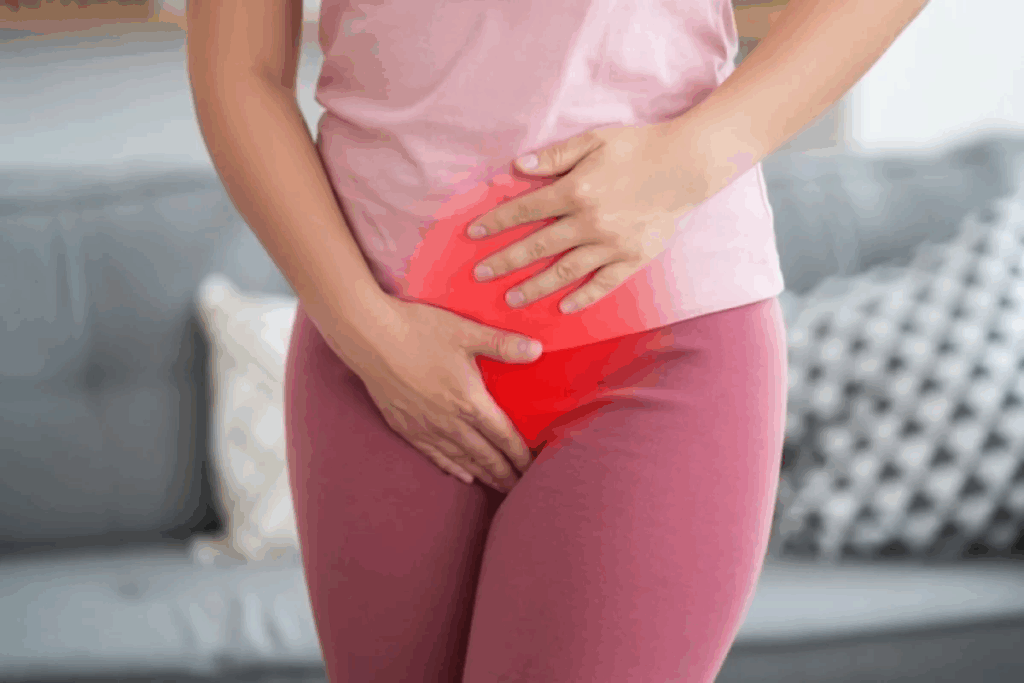
Many women find it confusing and worrying when their menstrual cycles are closer together. This is known as polymenorrhea. It’s a condition that needs to be looked into.
What is Polymenorrhea?
Polymenorrhea means your menstrual cycles are shorter than usual, between 24 to 38 days. This leads to frequent menstrual bleeding. It can be unsettling for those who experience it. Knowing what causes polymenorrhea and how it’s different from normal cycles is important.
Normal vs. Abnormal Menstrual Cycles
A normal menstrual cycle is between 24 and 38 days, with 28 days being average. Cycles that are much shorter or longer are considered abnormal. Hormonal imbalances, stress, and certain medical conditions can cause abnormal cycles.
Characteristics | Normal Menstrual Cycle | Polymenorrhea |
Cycle Length | 24 to 38 days | Less than 24 days |
Frequency of Menstruation | Once a month, typically | More than once a month |
Common Causes | Hormonal regulation | Hormonal imbalances, stress, medical conditions |
It’s key to know if your menstrual cycle is normal or not. If you’re having frequent cycles, seeing a healthcare provider is a must. They can help find out why.
The Science Behind Your Menstrual Cycle

The menstrual cycle is a complex process. It’s controlled by a delicate balance of hormones. This system prepares the body for pregnancy every month.
Hormonal Regulation of Menstruation
Hormones control the menstrual cycle. These are chemical messengers in the body. The main hormones are estrogen and progesterone, made by the ovaries.
Estrogen and progesterone levels change throughout the cycle. They influence the body’s changes. Estrogen helps the uterine lining grow, while progesterone keeps it maintained.
The Role of Estrogen and Progesterone
Estrogen and progesterone are key in the menstrual cycle. Estrogen levels rise in the first half of the cycle. This makes the uterine lining thick, ready for an egg.
After ovulation, progesterone levels go up. This helps keep the uterine lining ready. If there’s no pregnancy, estrogen and progesterone drop, causing menstruation.
The Phases of a Normal Menstrual Cycle
A normal menstrual cycle has four main phases. These are menstruation, the follicular phase, ovulation, and the luteal phase.
- Menstruation: The cycle starts with menstruation. This is when the uterine lining is shed if there’s no pregnancy.
- Follicular Phase: This phase overlaps with menstruation. It’s when follicles in the ovaries grow, producing estrogen.
- Ovulation: Around the cycle’s midpoint, a hormone surge triggers ovulation. This releases an egg from the ovary.
- Luteal Phase: After ovulation, the ruptured follicle forms the corpus luteum. It produces progesterone to keep the uterine lining.
Phase | Hormonal Changes | Physiological Changes |
Menstruation | Low estrogen and progesterone | Shedding of uterine lining |
Follicular Phase | Increasing estrogen | Growth of uterine lining |
Ovulation | LH surge | Release of egg from ovary |
Luteal Phase | Increasing progesterone | Maintenance of uterine lining |
Knowing about these phases and hormones can help women understand their reproductive health better.
Common Causes of 2 Menses in a Month
Having two periods in a month can be due to many reasons. Hormonal and lifestyle factors play a big role. Knowing why this happens can help manage it better.
Hormonal Imbalances
Hormonal imbalances are a main reason for frequent periods. Estrogen and progesterone control our menstrual cycle. If these hormones are off, it can cause irregularities like having two periods in a month.
An extra amount of estrogen can make the uterine lining grow too thick. This can lead to more bleeding than usual.
Stress and Lifestyle Factors
Stress and big changes in life can mess with our menstrual cycles. High stress can upset the balance of hormones in our brain. Big weight changes, intense workouts, or changes in diet can also mess with regular periods.
Medication Side Effects
Some medicines can change how often we have periods. Hormonal birth control can cause bleeding that looks like a period. Other medicines, like blood thinners, can also change how we bleed.
Hormonal Fluctuations During Life Stages
Women go through many life stages, and hormonal changes can affect their menstrual cycles. These changes are natural but can sometimes cause irregular bleeding.
Puberty and Adolescence
In puberty, the body changes a lot as it grows into adulthood. Menstruation, or menarche, usually starts between 11 and 14. At first, cycles can be all over the place because the body is figuring out its hormonal balance.
As the body matures, cycles start to get more regular. But it might take a few years for this to happen. Things like diet, stress, and health can also play a part in how regular your cycles are during adolescence.
Perimenopause and Approaching Menopause
When women get closer to menopause, they go through perimenopause. Hormones swing wildly, causing cycle changes. Some might bleed more or less, while others might skip periods or have irregular cycles.
Perimenopause is all about unpredictable hormone shifts. It can take years to get to menopause. Knowing what’s happening can help women deal with symptoms and get ready for menopause.
Life Stage | Hormonal Changes | Impact on Menstrual Cycles |
Puberty/Adolescence | Establishment of hormonal balance | Irregular cycles, variability in cycle length |
Perimenopause | Fluctuating hormone levels | Irregular cycles, changes in bleeding intensity |
Medical Conditions That Cause Frequent Periods
Frequent menstrual bleeding can be a sign of many health issues. When women have two periods in one month, it might mean they need to see a doctor.
Thyroid Disorders
Thyroid problems can really mess with your menstrual cycle. Both underactive and overactive thyroid can lead to irregular periods. The American Thyroid Association says thyroid issues are more common in women and can affect their reproductive health a lot.
Thyroid hormone is key to keeping menstrual cycles regular. Any imbalance can change how often and how long periods last.
Polycystic Ovary Syndrome (PCOS)
PCOS is a hormonal disorder that affects many women. It causes irregular periods, cysts on the ovaries, and high androgens. Some women with PCOS might also have frequent bleeding because of hormonal imbalances.
The exact cause of PCOS is not known. But it’s thought that genetics and environment play a role in its development.
Uterine Fibroids and Polyps
Uterine fibroids and polyps can cause heavy or frequent bleeding. Fibroids are non-cancerous growths that can vary in size. Polyps are usually benign growths on the uterus lining.
A study in the Journal of Women’s Health found that uterine fibroids are a common cause of abnormal bleeding in premenopausal women. Surgical removal may be needed if these growths cause a lot of symptoms.
Endometriosis and Adenomyosis
Endometriosis is when tissue like the uterus lining grows outside the uterus, causing pain and irregular bleeding. Adenomyosis is when this tissue grows into the uterus wall, leading to heavy or prolonged bleeding. Both can cause frequent or irregular periods.
The Endometriosis Foundation of America says endometriosis affects not just the reproductive system but overall quality of life. Effective management of these conditions is key to reduce symptoms and improve life quality.
In conclusion, many medical conditions can cause frequent menstrual bleeding. Knowing about these conditions is the first step to getting the right diagnosis and treatment. If you’re experiencing irregular periods, seeing a healthcare provider is very important.
Birth Control and Menstrual Frequency
Birth control can change how often you get your period. It can make your cycle more regular or irregular. This change can be confusing and worrying for many women.
How Contraceptives Affect Your Cycle
Hormonal birth control, like the pill, patch, and ring, changes your hormones. This can make your periods lighter or heavier. Sometimes, you might not get your period at all.
Medical Expert, a gynecologist, says, “The type of birth control you use can really affect your periods. For example, some hormonal IUDs can make your periods lighter over time.”
Breakthrough Bleeding vs. Actual Periods
Women on hormonal birth control often deal with breakthrough bleeding. This is bleeding that happens between periods or during the week you don’t take the pill. It’s important to know the difference between breakthrough bleeding and a real period.
Breakthrough bleeding happens as your body gets used to the hormones in birth control. A study in the Journal of Contraception found, “Breakthrough bleeding is more common at first and gets better over time.”
Adjusting to New Birth Control Methods
Starting a new birth control method takes time for your body to adjust. Most side effects, like changes in your period, get better in a few months.
To adjust, women can:
- Keep a menstrual diary to track changes in their cycle.
- Consult their healthcare provider if they experience persistent or heavy bleeding.
- Consider alternative contraceptive methods if side effects are unbearable.
As
“The key to managing menstrual changes due to birth control is patience and open communication with your healthcare provider,”
it’s important to understand and adapt to how birth control affects your cycle.
Why Am I Getting 2 Periods in One Month?
Having two periods in a month can be due to many reasons. Knowing these reasons is key to solving the problem.
Anovulatory Cycles
Anovulatory cycles happen when ovulation doesn’t occur. This disrupts the hormonal balance needed for regular periods. This can cause irregular bleeding, leading to two periods in one month.
Key characteristics of anovulatory cycles include:
- Irregular or absent ovulation
- Hormonal imbalance
- Unpredictable menstrual bleeding
Short Follicular Phase
A short follicular phase can also cause frequent periods. The follicular phase is from the start of menstruation to ovulation. A shorter phase means more frequent bleeding.
The effects of a short follicular phase include:
- More frequent ovulation and menstruation
- Potential hormonal imbalances due to rapid cycle changes
- Increased likelihood of experiencing two periods in one month
Hormonal Sensitivity
Hormonal sensitivity can also lead to irregular periods. Some women are more affected by hormonal changes. This can be due to health and lifestyle factors.
Factors influencing hormonal sensitivity:
- Genetic predisposition
- Lifestyle factors such as diet and stress
- Overall reproductive health
Understanding these factors helps manage two periods in one month. It’s important to see a healthcare provider to find the cause and get the right treatment.
Distinguishing Between Periods and Other Bleeding
Not all bleeding is related to your period. Women may experience different types of bleeding. It’s important to know the differences to keep your reproductive health in check and catch any issues early.
Ovulation Bleeding
Ovulation bleeding happens when a mature egg is released from the ovary. It usually occurs in the middle of your menstrual cycle. This bleeding is light and might look like spotting. Ovulation bleeding is generally not a cause for concern and is a normal part of the menstrual cycle for some women.
Implantation Bleeding
Implantation bleeding occurs when a fertilized egg implants into the uterine lining. It can cause light bleeding or spotting. This usually happens 6-12 days after fertilization and might be mistaken for a light period. Implantation bleeding is usually lighter and shorter than a regular menstrual period.
Abnormal Uterine Bleeding
Abnormal uterine bleeding is not part of the normal menstrual cycle. It includes bleeding between periods, heavy or prolonged menstrual bleeding, or bleeding after menopause. Abnormal uterine bleeding can be caused by various factors, including hormonal imbalances, uterine fibroids, or other medical conditions.
Type of Bleeding | Characteristics | Causes |
Ovulation Bleeding | Light, spotting, mid-cycle | Release of mature egg from ovary |
Implantation Bleeding | Light, spotting, 6-12 days after fertilization | Fertilized egg implanting into uterine lining |
Abnormal Uterine Bleeding | Irregular, heavy, or prolonged bleeding | Hormonal imbalances, uterine fibroids, other medical conditions |
Knowing the differences between these types of bleeding helps women manage their reproductive health better. It also helps them know when to seek medical attention.
When to See a Doctor About Frequent Periods
It’s normal to have occasional changes in your menstrual cycle. But if you’re getting your period more than once a month, it’s time to see a doctor. It’s important to watch your symptoms and know when to get medical help.
Warning Signs and Symptoms
Frequent periods might come with other signs that need a doctor’s check-up. These include:
- Heavy Bleeding: Soaking through a pad or tampon every hour for several hours.
- Severe Pain: Menstrual cramps that don’t get better with over-the-counter pain meds.
- Prolonged Bleeding: Bleeding that lasts more than 7-10 days.
- Intermenstrual Bleeding: Bleeding between periods or after sex.
If you notice any of these signs, seeing a healthcare provider is key to finding out why.
Preparing for Your Appointment
Before your doctor’s visit, track your menstrual cycles and symptoms. A menstrual diary can give your doctor important details, such as:
- The frequency and length of your periods.
- The amount of bleeding (e.g., how many pads or tampons you use).
- Any symptoms like cramps, mood swings, or discomforts.
Having this info ready can help your doctor understand your situation. They can then guide you on what to do next.
Diagnosis of Frequent Menstrual Cycles
Figuring out why menstrual cycles happen often needs a detailed approach. When women have two periods in a month, finding the cause is key. This helps in choosing the right treatment.
Physical Examination
The first step is a thorough physical check-up. A healthcare provider looks at overall health and checks for signs of why cycles are happening often. They might check the pelvic area for any issues.
Laboratory Tests
Labs are vital in finding out why periods are happening too often. Tests might include:
- Hormone level tests: To see if hormonal imbalances are the cause.
- Complete Blood Count (CBC): To check for anemia or infection.
- Thyroid function tests: To check thyroid health, as thyroid issues can affect cycles.
These tests help doctors understand the cause. They then create a treatment plan that works for the patient.
Imaging Studies
Imaging studies might be needed to look deeper into why cycles are happening often. Ultrasound is often used. It looks at the reproductive organs for problems like fibroids or polyps.
By using the findings from physical exams, lab tests, and imaging, doctors can pinpoint the cause. They then tailor a treatment plan for each patient.
Treatment Options for Frequent Periods
Frequent periods can be managed with various treatments. It’s important to know the options to choose the right one.
Hormonal Treatments
Hormonal therapies help regulate menstrual cycles. Birth control pills contain estrogen and progesterone to balance hormones. Other options include progesterone-only treatments and gonadotropin-releasing hormone (GnRH) agonists to reduce bleeding.
These treatments adjust hormonal balance to decrease menstrual frequency. Always talk to a healthcare provider about side effects and benefits.
Non-Hormonal Medications
Non-hormonal meds are for those who can’t or don’t want hormonal treatments. Tranexamic acid reduces heavy bleeding. Nonsteroidal anti-inflammatory drugs (NSAIDs) ease cramps and bleeding.
These meds offer relief without changing hormone levels. They’re a good choice for managing frequent periods.
Surgical Interventions
When other treatments fail, surgery might be an option. Endometrial ablation targets the uterus lining to stop bleeding. In severe cases, a hysterectomy might be considered, but it’s a last resort.
Discussing surgery with a healthcare provider is key. Weigh the benefits against risks and consider fertility and health impact.
Conclusion
Frequent menstrual bleeding, or having two periods in one month, can stem from many sources. These include hormonal imbalances, stress, certain health conditions, and birth control use. It’s key to understand these causes to find the right solution.
This article looked into why periods might come more often. We talked about thyroid issues, polycystic ovary syndrome (PCOS), uterine fibroids, and endometriosis. We also covered treatment options, from hormonal therapies to surgery.
If you’re dealing with irregular or frequent periods, getting medical help is vital. A doctor can diagnose the issue and suggest the best treatment. By knowing your menstrual cycle and tackling any problems, you can improve your reproductive health and overall well-being.
To wrap it up, having two periods in one month might worry you, but there are many reasons and treatments. Being informed and getting medical care when needed helps manage your menstrual health and keeps you healthy overall.
FAQ
Why am I having my period every 2 weeks?
Having your period every 2 weeks can be due to many reasons. Hormonal imbalances, stress, and certain health issues are common causes. It’s best to talk to a doctor to find out why.
What is polymenorrhea?
Polymenorrhea is when you have your period too often, usually less than 21 days apart. It might mean there’s a hormonal imbalance or another health issue.
Can stress affect my menstrual cycle?
Yes, stress can make your periods come more often. It can mess with your hormones, leading to irregular cycles.
How do hormonal treatments help with frequent menstrual bleeding?
Hormonal treatments, like birth control pills, can make your periods more regular. They help balance your hormones, stabilizing your cycle.
What are the warning signs that I should see a doctor about my frequent periods?
You should see a doctor if your bleeding is heavy or lasts too long. Also, if you have severe cramps or symptoms that bother your daily life. Sudden changes in your cycle are another reason to get medical help.
How are frequent menstrual cycles diagnosed?
Doctors use physical exams, lab tests, and sometimes imaging to diagnose frequent periods. They’ll work with you to find the cause of your symptoms.
Can certain medications cause changes in my menstrual cycle?
Yes, some medicines can change your cycle. If you notice changes while taking medication, talk to your doctor about it.
What is the difference between breakthrough bleeding and an actual period?
Breakthrough bleeding is light spotting that can happen with certain birth controls. A real period is a regular bleed. Breakthrough bleeding is lighter and doesn’t usually have the same symptoms as a period.
How can I prepare for a doctor’s appointment about my frequent periods?
Keep a menstrual diary to track your cycles and symptoms before your appointment. This info helps your doctor understand your situation and plan the best treatment.
Are there any non-hormonal treatment options for frequent menstrual bleeding?
Yes, there are non-hormonal meds like tranexamic acid that can help with heavy or frequent bleeding. Your doctor can discuss these options with you and find the best one for you.
Can polycystic ovary syndrome (PCOS) cause frequent menstrual bleeding?
Yes, PCOS can cause irregular cycles, including frequent bleeding. It’s linked to hormonal imbalances that affect your cycle.
What are the treatment options for polymenorrhea?
Treatment for polymenorrhea depends on the cause. It might include hormonal treatments, non-hormonal meds, or surgery. Your doctor will help find the best treatment for you.
References
Government Health Resource. Pituitary Gland: Alternative Names and Functions. Retrieved from https://histology.siu.edu/erg/pituit.htm