

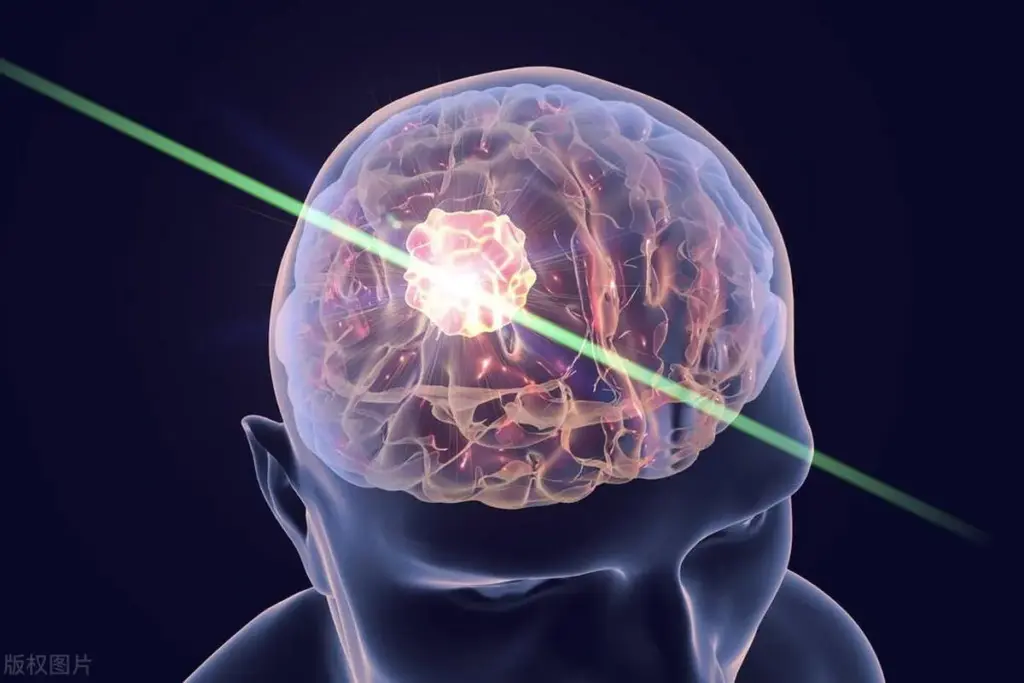
Having brain surgery can change your life. The recovery path is just as important as the surgery. Nearly 80,000 people in the United States undergo brain surgery annually. This makes it a big deal that needs careful care after.
Follow these vital rules! Discover 20 things to expect after brain surgery to avoid scary setbacks and ensure an amazing, fast recovery.
When we deal with craniotomy recovery and brain operation surgery aftercare, knowing what not to do is key. After a brain tumor is removed, listening to your body and following certain rules is crucial. Adhering to these guidelines is critical in preventing complications during recovery.
Key Takeaways
- Understand the importance of post-operative care after brain surgery.
- Learn about the limitations and precautions during the recovery period.
- Discover how to navigate your healing journey after a brain operation.
- Find out what activities to avoid after brain surgery.
- Gain insights into managing your recovery after a brain tumor is removed.
Understanding Brain Surgery Recovery
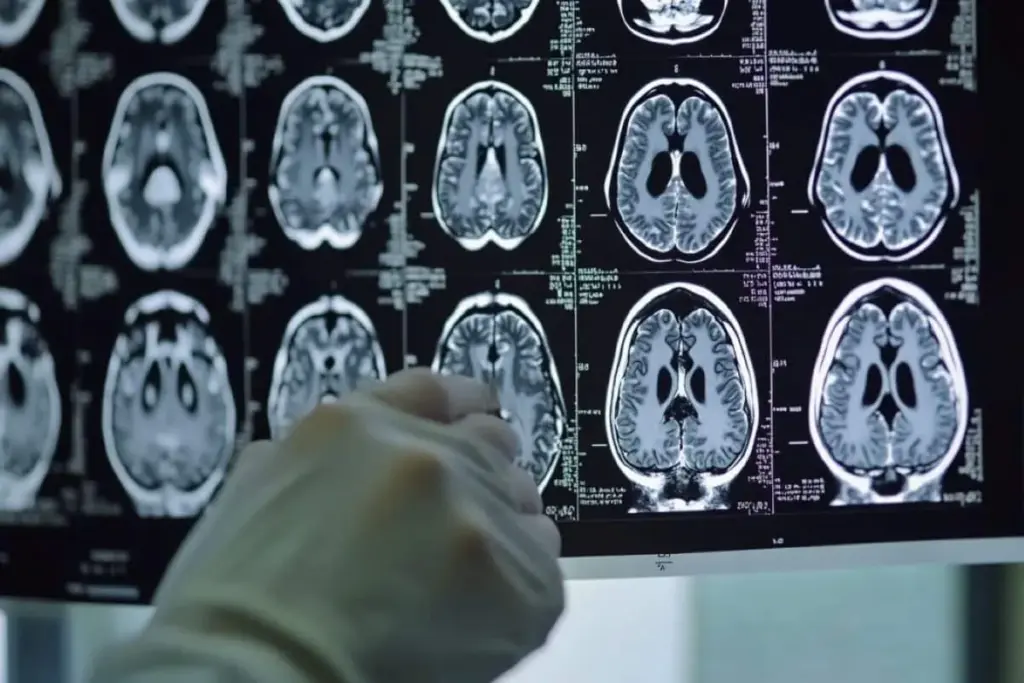
Knowing how to recover after brain surgery is key for patients. The recovery time depends on the surgery type, the patient’s health, and following doctor’s orders.
Types of Brain Surgeries and Their Recovery Timelines
Recovery times vary with different brain surgeries. For example, a craniotomy might take longer than a brain shunt surgery. Brain shunt surgery recovery at home usually takes weeks.
Several factors affect recovery times:
- The surgery’s complexity
- The patient’s age and health
- Any complications during or after surgery
The Critical First Month of Recovery
The first month after surgery is very important. Patients should avoid heavy lifting and bending to prevent bleeding or infection. Eating well and taking medications as directed is also crucial.
Important things to consider in the first month include:
- Watching for signs of infection or complications
- Slowly increasing physical activity as advised
- Going to follow-up appointments to check on progress
Understanding brain surgery recovery helps patients prepare. It also helps them avoid long-term side effects of craniotomy or other brain surgeries.
Immediate Post-Surgery Restrictions
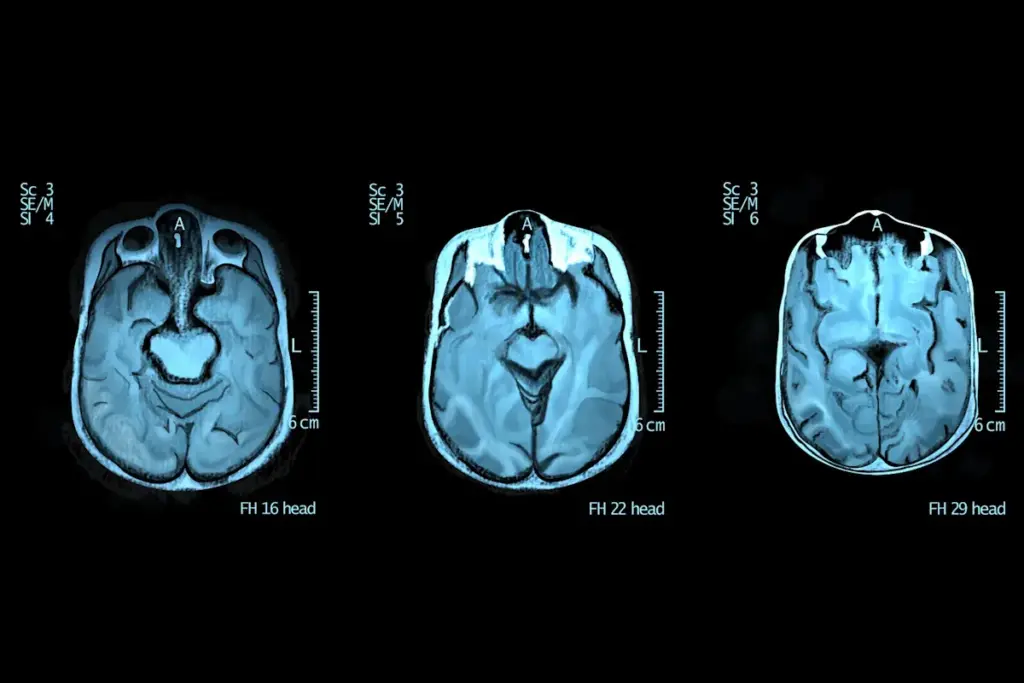
After brain surgery, like a craniotomy, patients have to follow strict rules. These rules help them recover well, both in the hospital and at home.
Hospital Recovery Phase Limitations
In the hospital, patients are watched closely for any problems. Strict bed rest is key to avoid bleeding or other issues. We also limit visitors to keep infections away, as patients’ immune systems may be weak.
- Monitoring for potential complications
- Strict bed rest to avoid strain
- Limited visitors to reduce infection risk
After a craniotomy, doctors keep a close eye on the patient. They manage pain and watch for signs of infection or other problems.
First Week After Discharge
When patients go home, they still need care and support. We might suggest a short-term rehab center to help them get stronger and learn to do daily tasks safely. The first week home is very important, with rules on physical activities and driving.
- Avoid strenuous activities and heavy lifting
- Follow a medication regimen as prescribed
- Attend follow-up appointments as scheduled
Patients may also need ongoing support, like physical therapy, to help them recover after head surgery.
Physical Activities to Avoid
After brain surgery, it’s important to avoid certain physical activities. This helps prevent complications and ensures a smooth recovery. Being careful about the activities you do can greatly affect your health.
Strenuous Exercise and Heavy Lifting Restrictions
Staying away from strenuous exercise and heavy lifting is key after brain surgery. Heavy lifting can raise pressure inside your skull, which could lead to problems. Always follow your doctor’s advice to stay safe.
Usually, doctors tell patients to avoid heavy lifting for weeks after surgery. How long depends on your recovery and the surgery type.
Contact Sports and High-Risk Activities
It’s best to avoid contact sports and high-risk activities that could cause head injuries for a while after surgery. Sports like football or activities that might make you fall, like skiing, should be avoided until your doctor says it’s okay.
Driving Restrictions and Transportation Safety
Driving after brain surgery is usually not okay until your doctor says it’s safe. Your ability to drive safely depends on how well you’re recovering. This includes things like controlling seizures, seeing clearly, and thinking clearly.
|
Activity |
Restriction Duration |
Notes |
|---|---|---|
|
Heavy Lifting |
Several weeks |
Avoid until doctor’s approval |
|
Contact Sports |
Several months |
Avoid high-risk activities |
|
Driving |
Variable |
Doctor’s approval required |
Also, think about transportation safety. When you travel, whether by car or other ways, take precautions. Especially if you’re flying, talk to your doctor first.
Head Position and Movement Limitations
After brain surgery, it’s important to watch your head position and movements. This helps ensure a smooth recovery. “Proper positioning and gentle movement are essential for a safe and effective recovery,” say healthcare professionals.
Proper Sleeping Positions After Craniotomy
Choosing the right sleeping position is key to recovery. It’s best to not lie flat to avoid swelling. When sitting up, bring your head up slowly to prevent headaches or dizziness.
Using extra pillows can help you sleep comfortably. They support your head and upper body, keeping you in a slightly elevated position. This is often advised after certain brain surgeries.
Avoiding Sudden Head Movements and Bending
It’s important to avoid sudden head movements early on. Move slowly and deliberately, especially when changing positions. Sudden movements can cause dizziness or discomfort.
Bending over can also put pressure on your head. Try to avoid bending or straining. Instead, bend at the knees or use a tool to reach for things.
“The key to a successful recovery is patience and careful adherence to the post-operative instructions provided by your healthcare team.”
By following these tips, you can help ensure a safer and more comfortable recovery after brain surgery.
Bathing and Wound Care Restrictions
Knowing the rules for bathing and wound care after brain surgery is key to healing well. Taking good care of the surgical site helps avoid infections and aids in a smooth recovery.
Showering and Hair Washing Guidelines
After brain surgery, it’s best to skip showering or washing your hair for a bit. You can start washing your hair with a mild shampoo 48 hours later. But, always listen to what your doctor says. When showering, make sure to keep the area clean and dry to help it heal.
When washing your hair, be gentle. Avoid using hot water on the incision site. Lukewarm water is safer to prevent irritation.
Incision Site Protection and Monitoring
It’s important to protect the incision site to avoid infections. Keep it clean and dry, and do what your doctor tells you about changing bandages. Watch the incision site for any signs of infection, like redness, swelling, or discharge.
|
Activity |
Guideline |
|---|---|
|
Showering |
Avoid for 48 hours or as advised by your doctor |
|
Hair Washing |
Use mild shampoo after 48 hours |
|
Incision Site Care |
Keep clean and dry, follow doctor’s instructions for bandage changes |
By sticking to these guidelines and your healthcare provider’s advice, you can lower the risk of problems. This helps support your recovery after brain surgery.
Dietary Restrictions After Brain Surgery
What you eat after brain surgery is very important. A balanced diet helps your body heal and get stronger. It gives you the nutrients you need.
Foods and Beverages to Avoid
Some foods and drinks can slow down your recovery. It’s best to avoid or limit:
- High-sodium foods that can cause swelling and high blood pressure
- Processed meats and foods high in saturated fats, which can increase inflammation
- Foods high in sugar, which can lead to energy crashes and mood swings
- Caffeine and carbonated beverages that can cause dehydration
Nutritional Guidelines
|
Food Group |
Recommended Foods |
Foods to Avoid |
|---|---|---|
|
Proteins |
Lean meats, fish, eggs, tofu |
Processed meats, high-fat dairy |
|
Fruits and Vegetables |
Berries, leafy greens, citrus fruits |
Fruits high in sugar, starchy vegetables |
|
Grains |
Whole grains, oats, quinoa |
Refined grains, sugary cereals |
Alcohol and Caffeine Consumption Limitations
Alcohol and caffeine can affect your body after brain surgery. It’s important to avoid or limit them for a smooth recovery.
- Alcohol can interfere with medication and increase the risk of complications
- Caffeine, while generally safer, can cause dehydration and interact with certain medications
By choosing the right foods and avoiding harmful substances, you can improve your recovery after brain surgery.
Medication Management and Restrictions
After brain surgery, managing your meds is key. It helps you recover smoothly and successfully.
Patients get many meds to handle pain, prevent infections, and manage symptoms. It’s important to take them as your doctor says.
Over-the-Counter Medications to Avoid
When you’re recovering, it’s best to avoid OTC meds without a doctor’s okay. Some can mess with your prescribed meds or make things worse.
Aspirin and NSAIDs can raise the risk of bleeding. Always talk to your doctor before taking OTC pain relievers, antihistamines, or cough medicines.
“Take pain medicines exactly as directed. If the doctor gave you a prescription medicine for pain, take it as prescribed. If you are not taking a prescription pain medicine, ask your doctor if you can take an over-the-counter medicine.”
Prescription Medication Compliance
Sticking to your medication schedule is crucial for a good recovery. Missing doses or taking meds wrong can cause problems, like infection, seizures, or a longer recovery.
To stay on track, consider these tips:
- Use a pill box or calendar to keep track of your meds.
- Set reminders on your phone or ask someone to remind you.
- Check your medication list with your doctor at each visit.
By managing your meds well and following your doctor’s advice, you can avoid complications. This supports your body’s healing during recovery from brain surgery, including craniotomy recovery and brain shunt surgery recovery time at home.
20 Things to Expect After Brain Surgery
Recovering from brain surgery brings many changes. These can affect how you feel, think, and move. Knowing what to expect can help you prepare and make the recovery better.
Physical Symptoms and Sensations
Patients often face physical symptoms after brain surgery. These can include:
- Fatigue and tiredness
- Headaches
- Numbness or tingling sensations
- Weakness in certain parts of the body
- Pain at the surgical site
These symptoms are usually short-term and get better as you heal. It’s important to follow your doctor’s advice on managing pain and discomfort.
Emotional and Cognitive Changes
Patients may also feel emotional and cognitive changes. These can include:
- Mood swings
- Anxiety or depression
- Difficulty concentrating
- Memory issues
- Irritability
These changes can be tough, but they often pass. Support from loved ones and healthcare teams can help a lot.
|
Category |
Symptoms/Changes |
|---|---|
|
Physical |
Fatigue, headaches, numbness, weakness, pain |
|
Emotional |
Mood swings, anxiety, depression, irritability |
|
Cognitive |
Difficulty concentrating, memory issues |
Understanding these changes can help you prepare for recovery. It’s key to keep talking to your healthcare team about any issues or feelings you have.
Travel Restrictions Following Brain Surgery
Traveling after brain surgery needs careful planning to avoid problems. Knowing what you can and can’t do is key for a safe recovery.
Air Travel Considerations and Timing
Traveling by air after brain surgery is risky. The air pressure change can cause swelling or bleeding in the brain. Always talk to your doctor before flying to check if it’s safe.
General Guidelines for Air Travel:
- Wait 2-4 weeks after surgery before flying, or as your doctor advises.
- Tell the airline about your medical condition for special arrangements.
- Think about the flight’s length and how it might affect you.
Long-Distance Travel Guidelines and Precautions
Traveling long distances by car, bus, or train needs careful planning. Sitting for a long time can lead to blood clots. It’s also hard to get medical help while traveling. Make sure to get up and move around often.
|
Travel Mode |
Precautions |
Recommended Breaks |
|---|---|---|
|
Car |
Stop every 2 hours to stretch |
Take a 10-15 minute walk |
|
Bus/Train |
Stand and stretch every hour |
Walk up and down the aisle |
Talk to your healthcare provider before traveling. They can give advice based on your surgery and condition.
Work and School Limitations
One key part of brain operation recovery is knowing when to go back to work or school. Everyone recovers differently. It’s crucial to listen to your healthcare provider to make sure you’re ready to return safely.
Most doctors suggest taking 4 to 6 weeks off from work or school after surgery. This time helps with healing and lowers the chance of problems. But, how long you need depends on your surgery, job, school, and health.
Return to Work Timeline and Accommodations
Going back to work after brain surgery needs careful planning. Talk to your doctor about your job to find out what you can handle. Starting with part-time or easier tasks can help you get back into the swing of things.
- Tell your boss about what you can and can’t do.
- Look into working from home or flexible hours.
- Focus on what’s important and manage your work to avoid too much stress.
Academic Accommodations and Cognitive Demands
For students, getting back to school after brain surgery means managing cognitive demands and getting the right help. It’s important for students and their families to work with schools and doctors to make a plan. This plan should help you succeed academically while you recover.
Some common help includes:
- Taking fewer classes or taking a break.
- Having more time to finish assignments and exams.
- Doing assignments that are easier on your brain.
Knowing about these options can help you deal with the challenges of life after brain tumor surgery. It makes going back to your usual routine easier.
Technology Use and Screen Time Restrictions
After brain surgery, it’s key to watch your tech use for a smooth recovery. This time is crucial for your brain to heal. Too much tech can slow down this healing.
Computer and Smartphone Usage Guidelines
When using computers or phones, take breaks to rest your eyes and avoid getting tired. Make sure the display settings are comfortable for your eyes.
Limiting screen time is vital. Too much screen time can cause headaches and eye strain, making recovery harder. Try to set a daily limit and stick to it.
Television and Video Game Limitations
Watching TV or playing video games should be in moderation. These can be relaxing but too much can be overstimulating. Limit these activities to short times and stop if you feel any discomfort or pain.
Think about what you’re watching or playing. Avoid things that are too stimulating or stressful. They can raise your heart rate and blood pressure, which isn’t good during recovery.
Being careful with your tech use and following these tips can make your recovery smoother and more comfortable. Always listen to your healthcare provider’s advice, as they may have specific guidance for you.
Sexual Activity and Physical Intimacy Limitations
After brain surgery, also known as head surgery, many patients wonder about resuming normal activities. One big question is about sexual activity. The recovery time after brain surgery is key, and knowing the limits on sex is vital for healing.
Timeline for Resuming Sexual Activity
The time it takes to start sex again after brain surgery varies. It depends on your health and the surgery type. Usually, doctors say wait until they give the okay, which can be a few weeks to a couple of months. Always follow your doctor’s advice.
Positions and Precautions to Consider
When you start sex again, begin with gentle, easy positions. This helps avoid putting too much pressure on your head or the surgery area. Listen to your body and stop if you feel pain or discomfort. Talking openly with your partner about what you can handle is important.
Some key things to remember include:
- Avoid positions that could cause strain or injury
- Pay attention to your body’s signals
- Talk openly with your partner
The cost and complexity of brain surgery, also known as how much is brain surgery, can vary a lot. But understanding the recovery process is key for a good outcome.
Environmental Factors to Avoid
After brain surgery, it’s important to watch your surroundings. Your environment can greatly affect your healing. Some factors can even risk your health.
Exposure to Loud Noises and Overstimulation
Loud noises and too much stimulation are tough for brain surgery patients. We suggest avoiding:
- Concerts or loud music events
- Crowded places with high levels of noise
- Construction sites or areas with heavy machinery
These places can stress and discomfort you, making recovery harder. Choose quiet, calm places instead.
Extreme Temperatures and Weather Conditions
Extreme temperatures and weather can also impact your recovery. We advise patients to:
- Avoid exposure to very high or low temperatures
- Stay indoors during extreme weather conditions such as heavy rain, snow, or intense heat
- Be cautious of humidity levels, as high humidity can lead to discomfort
Keeping a comfortable and stable environment helps your body heal. Being aware of these factors can reduce risks and aid in your recovery.
We also recommend avoiding germ-prone places and stressful situations. These can harm your immune system. By taking these precautions, you can make a safe space for your recovery after brain surgery.
Long-Term Side Effects of Craniotomy
It’s important for patients and their caregivers to know about the long-term side effects of craniotomy. This surgery, though often necessary, can affect a person’s health in many ways. It can impact their physical, cognitive, and emotional well-being.
Physical Side Effects and Management
Physical side effects after a craniotomy can differ from person to person. Some common issues include:
- Fatigue: Many patients feel very tired for weeks after surgery.
- Headaches: Some may have ongoing or frequent headaches.
- Seizures: The risk of seizures depends on the surgery’s reason and the patient’s health.
It might take 6 weeks or more for energy levels to get back to normal. Noticeable improvements usually start after the first 2 weeks.
|
Physical Side Effect |
Management Strategy |
|---|---|
|
Fatigue |
Gradual increase in activity, rest when needed |
|
Headaches |
Medication as prescribed, avoiding triggers |
|
Seizures |
Anticonvulsant medication, monitoring |
Cognitive and Emotional Long-Term Effects
Craniotomy can also affect a person’s mind and emotions. This includes:
- Memory issues: Some patients may struggle with memory.
- Mood changes: Emotional changes, like depression or anxiety, can happen.
- Cognitive processing: Changes in how the brain processes information may occur.
Managing these effects often needs a team effort. This includes neurological rehabilitation, psychological support, and sometimes medication.
Knowing about these potential long-term side effects helps patients and their families prepare for recovery. It also helps them seek the right support when needed.
When to Contact Your Healthcare Provider
After brain surgery, it’s key to know the warning signs of complications. The recovery period can be tough. Knowing when to ask for help is crucial for a smooth recovery.
Warning Signs and Concerning Symptoms
Keep a close eye on your health and watch for potential symptoms that need medical help. Look out for severe headaches, fever, or signs of infection at the surgery site. If you see these, call your healthcare provider right away.
Also, be on the lookout for confusion, dizziness, or weakness in any part of your body. These could mean you’re experiencing brain surgery side effects that need quick attention.
Emergency Situations Requiring Immediate Care
In some cases, you’ll need to get medical help fast. If you have severe difficulty speaking or understanding speech, loss of vision, or severe vomiting, call emergency services or go to the nearest emergency room. These are serious issues that need immediate care.
As part of your post brain surgery care, have a plan for emergencies. Make sure you have your healthcare provider’s contact info and know how to reach them if you’re worried.
By knowing these warning signs and when to seek help, you can make your recovery safer and more effective.
Conclusion: Life After Brain Surgery
Life after brain surgery needs careful planning, patience, and a supportive team. We’ve talked about the recovery process and following guidelines to help your healing. Whether it’s for a brain tumor or another condition, knowing what to expect is crucial for a good recovery after brain surgery.
Learning about life after brain tumor surgery and taking the right precautions can reduce risks. Your healthcare team is there to offer personalized advice and support.
Remember, brain surgery recovery is different for everyone. Keeping in touch with your healthcare providers and seeking help when needed can greatly improve your recovery.
FAQ
What are the most common restrictions after brain surgery?
After brain surgery, patients should avoid hard work, heavy lifting, and sudden head movements. They need to follow specific rules for bathing and wound care. Also, managing their medications is key.
How long does it take to recover from brain surgery?
Recovery time varies based on the surgery type and individual factors. The first month is crucial. Full recovery can take several months.
Can I drive after brain surgery?
Driving is usually restricted after brain surgery. The doctor will tell you when it’s safe to drive. This depends on the surgery and your recovery.
What are the signs of complications after brain surgery?
Watch for severe headaches, confusion, weakness, numbness, and trouble speaking. Seizures are also a warning sign. If you notice these, call your doctor right away.
How do I care for my incision site after brain surgery?
Keep the incision clean and dry. Avoid water and watch for infection signs. Your doctor will give specific instructions.
Are there dietary restrictions after brain surgery?
Yes, you might need to follow a special diet. Avoid certain foods and limit alcohol and caffeine. This helps with recovery.
Can I travel after brain surgery?
Talk to your doctor about travel plans. Air travel and long trips can be risky. Follow your doctor’s advice for safe travel.
How long before I can return to work or school after brain surgery?
Returning to work or school depends on your recovery and job demands. Talk to your doctor about a safe return date and any needed accommodations.
Are there limitations on technology use after brain surgery?
Yes, limit computer, smartphone, TV, and video game use. This helps your brain recover without overstimulation.
When can I resume sexual activity after brain surgery?
The time to resume sexual activity varies. Talk to your doctor about when it’s safe and any precautions to take.
What are the potential long-term side effects of craniotomy?
Craniotomy can lead to physical, cognitive, and emotional effects. Discuss these risks with your doctor and learn how to manage them.
How do I manage my medications after brain surgery?
Follow your doctor’s instructions for medications. Be careful with over-the-counter drugs. Taking your medications as directed is crucial for recovery.
What environmental factors should I avoid after brain surgery?
Avoid loud noises, overstimulation, extreme temperatures, and certain weather. Create a calm and safe environment for recovery.
National Center for Biotechnology Information. Evidence-Based Medical Insight. Retrieved from https://pubmed.ncbi.nlm.nih.gov/30717045/

























