
Knowing about the different cancer types is key for those facing a diagnosis. At Liv Hospital, we offer a detailed guide to the most common ones. This helps you understand your situation better.
There are over 100 types of cancer, each with its own traits and treatment plans. The top ones are breast, prostate, lung, and colorectal cancer. These make up a big part of new cases and deaths.
Our guide covers 23 common types, giving you insights into their behaviors and treatments. Knowing these differences helps international patients plan their care with us.
Key Takeaways
- There are over 100 distinct types of cancer.
- The most common types include breast, prostate, lung, and colorectal cancer.
- Understanding the different types is key for navigating diagnosis and treatment.
- Liv Hospital provides a detailed guide to the 23 most common types.
- Knowledge empowers patients and families to find the best care.
What Is Cancer and How Does It Develop
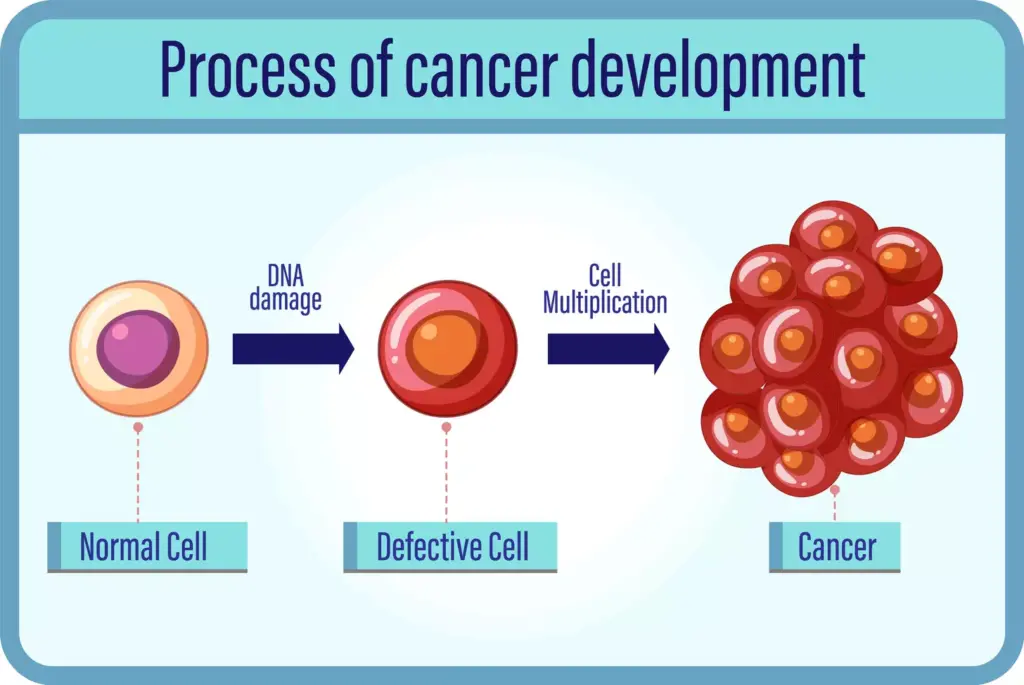
It’s important to know what cancer is and how it starts. Cancer is a disease where cells grow out of control. It can happen in many parts of the body, leading to different types of cancer.
The Hallmarks of Cancer Cell Growth
Cancer cells have special traits that set them apart. They keep growing, ignore growth stops, and don’t die easily. These traits help certain cancers spread quickly.
Another key trait is their ability to make new blood vessels. This is called angiogenesis. It helps the tumor get the nutrients and oxygen it needs to grow and spread.
How Normal Cells Transform Into Cancer Cells
Normal cells can turn into cancer cells due to many factors. Things like carcinogens, genetic changes, and viruses can start cancer. For example, cancer that starts with l, like leukemia, comes from specific genetic changes.
Learning how this happens is key to stopping cancer and finding new treatments. Scientists are always studying the kinds of cancer cells to understand cancer better.
Understanding Cancer Classification and Staging
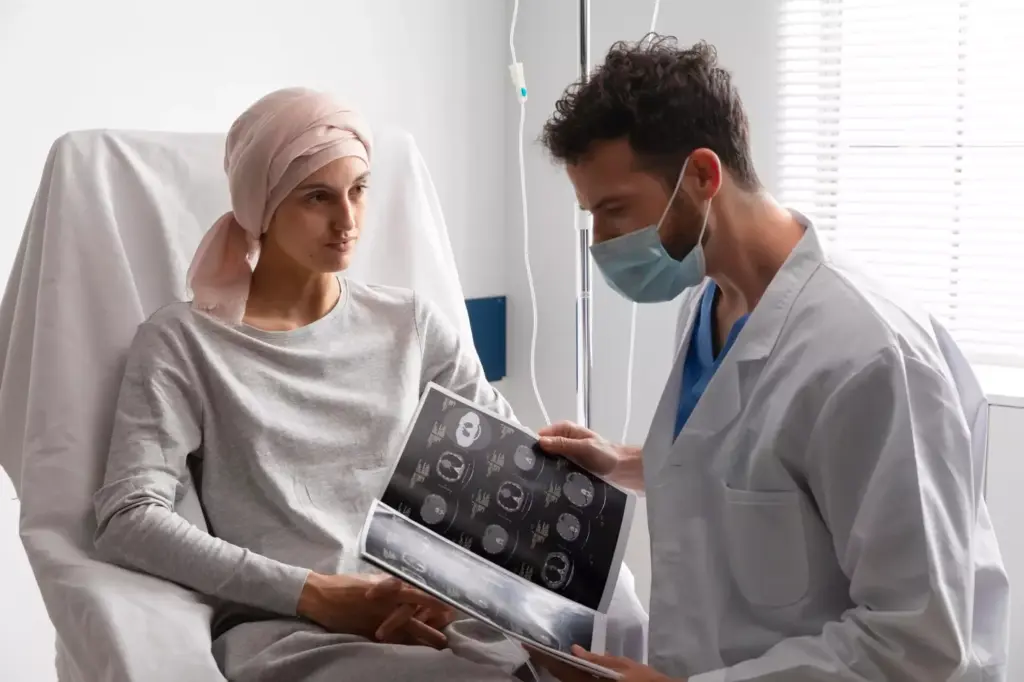
It’s important to know how cancer is classified and staged. This knowledge helps doctors and patients plan the best treatment. It also helps predict how well the patient might do.
How Doctors Categorize Cancer Types
Cancer is sorted into types based on where it starts and what it looks like. Doctors use different systems to find and treat cancer. The main way is by where the cancer begins.
For example, carcinomas start in skin or the lining of organs. Sarcomas start in tissues like bones or muscles. Leukemias affect the blood, and lymphomas the immune system.
The TNM Staging System Explained
The TNM system is a key way to stage cancer. It looks at the tumor size (T), nearby lymph nodes (N), and if it has spread (M).
This system gives a detailed stage for cancer. For instance, a cancer might be T2N1M0. This means the tumor is a certain size, some lymph nodes are involved, and it hasn’t spread far.
The Most Common Cancer Categories in the United States
Knowing the most common cancers is key for preventing and treating them in the US. We look at cancer incidence and leading causes of death to understand cancer’s impact. This helps us see how big a problem cancer is in America.
Statistical Overview of Cancer Incidence
In the US, cancer rates vary by type. Breast, prostate, lung, and colorectal cancers are the top ones. These cancers make up a big part of all cancer cases. For example, breast cancer is about 15% of all new cases.
We study these numbers to see how different cancers affect people.
Leading Causes of Cancer Mortality
Mortality rates show how many people die from cancer. The top causes of death are lung, colorectal, breast, and pancreatic cancers. These cancers are often found late, leading to more deaths. We talk about why this happens and why finding cancer early is so important.
Knowing the common cancers helps us focus on research and treatment. This knowledge is vital for fighting cancer effectively.
Breast Cancer: America’s Most Diagnosed Cancer
Breast cancer is a big health issue in America, with over 300,000 new cases expected in 2025. It’s the most diagnosed cancer in the US. Knowing about it is key for managing and treating it well.
Types of Breast Cancer
Breast cancer isn’t just one disease; it’s many types. These types depend on the cells affected and the tumor’s genetic traits. The most common types are:
- Invasive Ductal Carcinoma (IDC): Starts in the milk ducts and grows into the surrounding tissue.
- Invasive Lobular Carcinoma (ILC): Begins in the lobules and spreads to nearby tissues.
- Ductal Carcinoma In Situ (DCIS): A non-invasive cancer where cells stay in the milk ducts.
- Lobular Carcinoma In Situ (LCIS): Shows a higher risk of breast cancer.
Screening Recommendations and Treatment Options
Screening early is key to better breast cancer outcomes. Women over 40 should get annual mammograms. Those at higher risk might need more screening, like a breast MRI.
Treatment for breast cancer depends on the type, stage, and what the patient wants. Common treatments are:
- Surgery: Removes the tumor and affected breast tissue, either by lumpectomy or mastectomy.
- Radiation Therapy: Kills any cancer cells left after surgery.
- Chemotherapy: Treats cancer cells all over the body.
- Hormone Therapy: Blocks natural hormones for hormone receptor-positive cancers.
- Targeted Therapy: Drugs that target specific cancer cell traits, like HER2-positive cancers.
It’s important for patients to understand these aspects of breast cancer. This helps them make informed choices about their care. We focus on a treatment plan that fits each patient’s unique situation.
Prostate, Testicular, and Male Reproductive Cancers
Prostate, testicular, and other male reproductive cancers are big health risks for men around the world. These cancers have different symptoms, ways to find them, and treatments. It’s very important for men to know their risks and the need for early detection.
Prostate Cancer: Detection and Management
Prostate cancer is a common cancer in men, mostly in older men. Early detection is key to manage it well. Tests like the prostate-specific antigen (PSA) test and digital rectal examination (DRE) help find it early.
How to manage prostate cancer depends on the cancer’s stage and grade, and the patient’s health. Treatment options range from active surveillance for low-risk cancers to surgery, radiation, and hormone therapy for more advanced cases. Choosing the right treatment is a personal decision that needs a talk with a healthcare provider.
Testicular Cancer: Signs and Treatment Success
Testicular cancer is less common but important for young men. Recognizing the signs is key for early detection. Look out for a lump or swelling in the testicle, pain in the testicle or scrotum, and a feeling of heaviness in the scrotum.
Testicular cancer has a high cure rate if caught early. Treatment usually involves surgery to remove the affected testicle. Depending on the cancer’s stage and type, chemotherapy or radiation therapy might also be needed. The success of treatment shows why awareness and self-examination are so important.
Lung and Respiratory System Cancers
It’s important to know about lung and respiratory system cancers. They are very common and deadly, affecting millions yearly.
We’ll look at the types of lung and respiratory cancers. We’ll also talk about their characteristics and treatment options. This info is key for patients, doctors, and researchers to fight these diseases.
Small Cell vs. Non-Small Cell Lung Cancer
Lung cancer is split into two main types: small cell lung cancer (SCLC) and non-small cell lung cancer (NSCLC). NSCLC makes up about 85% of lung cancer cases. It grows slower than SCLC, which is more aggressive and linked to smoking.
Knowing the differences helps pick the right treatment. NSCLC includes subtypes like adenocarcinoma and squamous cell carcinoma, each with its own traits.
Mesothelioma and Pleural Malignancies
Mesothelioma is a rare, aggressive cancer that affects the lungs or abdomen. It’s mainly caused by asbestos exposure.
Mesothelioma and other pleural malignancies are tough to diagnose and treat. But, research into new therapies gives hope for better patient outcomes.
We aim to improve lung and respiratory cancer understanding and treatment. Together, we can make a difference in patients’ lives.
Colorectal and Digestive System Cancers
It’s key to know about colorectal and digestive system cancers for early detection and treatment. These cancers hit different parts of the digestive tract. This includes the colon, rectum, esophagus, stomach, liver, and gallbladder.
Colorectal Cancer: Screening and Prevention
Colorectal cancer is a big deal worldwide. Early detection through screening tests is vital. We suggest starting regular screening at 45 for those at average risk.
Screening Methods:
- Colonoscopy
- Fecal occult blood test (FOBT)
- Stool DNA test
To prevent it, eat a high-fiber diet, stay active, and don’t smoke. Eating lots of fruits and veggies might also help lower your risk.
“The implementation of screening programs has been shown to reduce the incidence and mortality of colorectal cancer.”
Esophageal and Stomach Cancers
Esophageal and stomach cancers are less common but harder to treat because they’re often found late.
| Cancer Type | Common Symptoms | Risk Factors |
|---|---|---|
| Esophageal Cancer | Difficulty swallowing, weight loss | Smoking, Barrett’s esophagus |
| Stomach Cancer | Abdominal pain, nausea | H. pylori infection, smoking |
Liver and Gallbladder Cancers
Liver and gallbladder cancers are rare but tough to beat because they’re often found late. Liver cancer risks include hepatitis B and C. Gallbladder cancer is linked to gallstones.
It’s critical to be aware and catch these cancers early. New medical tech and treatments are helping patients more.
Blood and Lymphatic Cancers
It’s key to understand blood and lymphatic cancers to find better treatments. These cancers mess with the body’s fight against infections and blood health. This greatly affects overall health.
Leukemia: Acute and Chronic Forms
Leukemia is a cancer that grows in the blood and bone marrow. It’s caused by abnormal white blood cells. There are many types, like ALL, AML, CLL, and CML.
Types of Leukemia:
- Acute Lymphoblastic Leukemia (ALL)
- Acute Myeloid Leukemia (AML)
- Chronic Lymphocytic Leukemia (CLL)
- Chronic Myeloid Leukemia (CML)
A study in a medical journal says, “Leukemia is a diverse group of diseases. Each type needs a specific treatment plan.”
“The way we diagnose and treat leukemia has changed a lot. New therapies give patients new hope.”
| Type of Leukemia | Characteristics | Common Treatment Options |
|---|---|---|
| ALL | Rapid progression, affects lymphoid cells | Chemotherapy, targeted therapy |
| AML | Rapid progression, affects myeloid cells | Chemotherapy, bone marrow transplant |
| CLL | Slow progression, affects lymphoid cells | Watchful waiting, targeted therapy |
| CML | Slow progression, affects myeloid cells | Targeted therapy, tyrosine kinase inhibitors |
Lymphoma: Hodgkin’s and Non-Hodgkin’s
Lymphoma is a cancer of the lymphatic system, part of the immune system. There are two main types: Hodgkin lymphoma (HL) and non-Hodgkin lymphoma (NHL). Each has its own treatment.
Key Differences:
- Hodgkin lymphoma has Reed-Sternberg cells.
- Non-Hodgkin lymphoma is more common and has many subtypes.
Multiple Myeloma: Cancer of Plasma Cells
Multiple myeloma is a cancer of plasma cells in the blood. It can weaken bones, causing pain and fractures.
Symptoms and Treatment:
- Symptoms include bone pain, fatigue, and anemia.
- Treatment includes targeted therapy, chemotherapy, and stem cell transplant.
Early treatment can greatly improve life for those with multiple myeloma.
Pancreatic, Thyroid, and Endocrine Cancers
It’s important to understand pancreatic, thyroid, and endocrine cancers. They are complex and can be hard to treat. Healthcare providers face many challenges in managing these cancers.
Pancreatic Cancer: Why Early Detection Is Difficult
Pancreatic cancer is hard to catch early. It’s often found when it’s too late. This is because the pancreas is deep inside the body. Early signs are vague and not clear.
Key challenges in early detection include:
- Lack of specific early symptoms
- Rapid progression of the disease
- Limited screening methods
Thyroid Cancer: Types and Treatment Success
Thyroid cancer is usually more treatable than other cancers. It comes in several types, like papillary, follicular, medullary, and anaplastic. How well it’s treated depends on the type and how early it’s found.
Common types of thyroid cancer include:
- Papillary thyroid carcinoma
- Follicular thyroid carcinoma
- Medullary thyroid carcinoma
Rare Endocrine System Tumors
The endocrine system can have rare tumors. These tumors, like pheochromocytomas and paragangliomas, come from the adrenal glands. They can make too much of certain hormones, causing symptoms.
Characteristics of rare endocrine tumors include:
- Often benign but can be malignant
- Can cause hormonal imbalances
- May require surgical intervention
Skin Cancers and Melanoma
It’s important to know about skin cancers, like melanoma, for early treatment. These cancers are common and their numbers are growing.
We’ll look at the different skin cancers, their signs, and treatment choices. This info helps in preventing and treating these cancers.
Melanoma: The Most Dangerous Form
Melanoma is the most serious skin cancer because it can spread easily. It starts in melanocytes, the cells that make skin color.
Risk factors for melanoma include:
- Exposure to UV radiation from the sun or tanning beds
- Fair skin, light hair, and light eyes
- History of sunburns, specially during childhood
- Family history of melanoma
Spotting melanoma early can save lives. The ABCDE rule helps identify moles that might be cancerous:
- Asymmetry
- Border irregularity
- Color variation
- Diameter > 6mm
- Evolving size, shape, or color
Basal Cell and Squamous Cell Carcinomas
Basal cell carcinoma (BCC) and squamous cell carcinoma (SCC) are common skin cancers. BCC grows slowly and rarely spreads. SCC can grow faster and spread more.
Risk factors for BCC and SCC include:
- Prolonged sun exposure
- Fair skin
- History of radiation therapy
- Immunosuppression
| Type of Skin Cancer | Characteristics | Treatment Options |
|---|---|---|
| Melanoma | Highly metastatic, originates from melanocytes | Surgery, immunotherapy, targeted therapy |
| Basal Cell Carcinoma (BCC) | Slow-growing, locally invasive | Surgical excision, Mohs surgery, topical treatments |
| Squamous Cell Carcinoma (SCC) | Can be aggressive, possible metastasis | Surgical excision, Mohs surgery, radiation therapy |
Preventing skin cancers is key. Regular skin checks, sun protection, and avoiding tanning beds are important.
Gynecological and Female Reproductive Cancers
It’s important to know about gynecological cancers to catch them early. These cancers affect women’s health in many ways. Knowing about them helps prevent and manage them.
There are several types of gynecological cancers. Ovarian, cervical, and endometrial cancers are the most common. Each has its own risks and symptoms.
Ovarian Cancer: The Silent Disease
Ovarian cancer is called the “silent disease” because its symptoms are not clear. We’ll look at what causes it, its symptoms, and how to screen for it.
- Risk Factors: Family history, genetic mutations (BRCA1 and BRCA2), age.
- Symptoms: Bloating, pelvic pain, difficulty eating.
- Screening: Pelvic exams, imaging tests, CA-125 blood test.
Cervical Cancer: HPV Connection and Prevention
Cervical cancer is linked to the Human Papillomavirus (HPV). Knowing this helps prevent it.
Prevention Strategies:
- HPV vaccination
- Regular Pap smears
- Safe sexual practices
Endometrial and Uterine Cancers
Endometrial cancer starts in the uterus lining. We’ll talk about its risks, symptoms, and treatments.
- Risk Factors: Obesity, hormone replacement therapy, tamoxifen use.
- Symptoms: Abnormal vaginal bleeding, pelvic pain.
- Treatment: Surgery, radiation therapy, hormone therapy.
Learning about these cancers helps us understand why early detection is key. Regular check-ups and knowing the risks are important for managing these cancers.
Conclusion: Advances in Cancer Research and Treatment
Cancer is a complex disease with many common types. Each type has its own challenges. Thanks to research, treatments have improved a lot.
New therapies like Osimertinib (TAGRISSO) for lung cancer have been very successful. They brought in $6.6 billion in 2024. Also, ATNM-400 is being studied to fight cancer in new ways.
Knowing about cancer and its treatments helps patients and doctors. We keep finding new ways to fight cancer. It’s important to stay informed about these advances.
What are the different types of cancer?
There are many types of cancer. These include breast, prostate, lung, and colorectal cancers. Skin and blood cancers are also common. We sort these cancers by where they start and how they behave.
How is cancer classified and staged?
Cancer types are based on where they start. Staging uses the TNM system. This looks at the tumor size, lymph node involvement, and if it has spread.
What is the TNM staging system?
The TNM system helps figure out how far cancer has spread. It looks at the tumor size (T), lymph nodes (N), and if it has metastasized (M).
What are the most common cancer categories in the US?
In the US, common cancers are breast, prostate, lung, and colorectal. Skin cancer is also common. Each has different rates of occurrence and death.
What are the risk factors for different types of cancer?
Cancer risks vary by type. Genetic factors, lifestyle, and environmental exposures are common risks. For example, smoking increases lung cancer risk. HPV is linked to cervical cancer.
How is cancer treatment determined?
Treatment depends on the cancer type, stage, and patient health. Options include surgery, chemotherapy, and radiation. Sometimes, a mix of treatments is used.
What are the different types of breast cancer?
Breast cancer types are based on where they start and how they grow. Common types are ductal, lobular, and inflammatory breast cancer.
What are the screening recommendations for breast cancer?
Breast cancer screening varies by age and risk. Women usually start mammograms at 40 or 45.
What are the treatment options for prostate cancer?
Prostate cancer treatment depends on the cancer’s stage and grade. Options include watching and waiting, surgery, radiation, or hormone therapy.
How many kinds of cancer are there?
There are over 100 types of cancer. Each has its own characteristics and growth patterns.
What are the main cancer types?
Main cancer types are carcinomas, sarcomas, leukemias, and lymphomas. These categories are based on where the cancer cells come from.
What are cancers starting with P?
P-cancers include prostate, pancreatic, and pharyngeal cancers. These are just a few examples.
What is the difference between carcinoma and sarcoma?
Carcinomas start in epithelial cells. Sarcomas start in connective tissue or mesenchymal cells.
What are the types of caner that affect the digestive system?
Digestive system cancers include esophageal, stomach, and colorectal cancers. Liver and pancreatic cancers also fall into this category.
What are the types of cancer that affect the respiratory system?
Respiratory system cancers include lung, mesothelioma, and pleural malignancies. These cancers affect the lungs and surrounding tissues.
What are the different types of skin cancer?
Skin cancer types are melanoma, basal cell carcinoma, and squamous cell carcinoma. These are the main types.
What are the risk factors for skin cancer?
Skin cancer risks include UV radiation, fair skin, family history, and previous skin cancer. These factors increase the risk.
What are the types of cancer that affect the female reproductive system?
Female reproductive system cancers include cervical, ovarian, endometrial, and uterine cancers. These cancers affect the female reproductive organs.
What are the types of cancer that affect the male reproductive system?
Male reproductive system cancers include prostate, testicular, and penile cancers. These cancers affect the male reproductive organs.
What are the types of blood and lymphatic cancers?
Blood and lymphatic cancers include leukemia, lymphoma, and multiple myeloma. These cancers affect the blood and lymphatic systems.
What are the types of endocrine cancers?
Endocrine cancers include thyroid, pancreatic, and adrenal gland cancers. These cancers affect the endocrine system.
References
- National Cancer Institute. (n.d.). Common cancers — Cancer types. Retrieved from https://www.cancer.gov/types/common-cancers
- Cancer Therapy Advisor. (2025). Cancer statistics for 2025. Retrieved from https://www.rheumatologyadvisor.com/news/cancer-statistics-for-2025/
- UDSHealth. (n.d.). Cancer statistics 2025. Retrieved from https://udshealth.com/blog/cancer-statistics-2025/
- American Cancer Society. (2025). Cancer Facts & Figures 2025. Retrieved from https://www.cancer.org/research/cancer-facts-statistics/all-cancer-facts-figures/2025-cancer-facts-figures.html Cancer.org
- American Association for Cancer Research. (2025). Cancer in 2025 (Cancer Progress Report 2025). Retrieved from https://cancerprogressreport.aacr.org/progress/cpr25-contents/cpr25-cancer-in-2025/