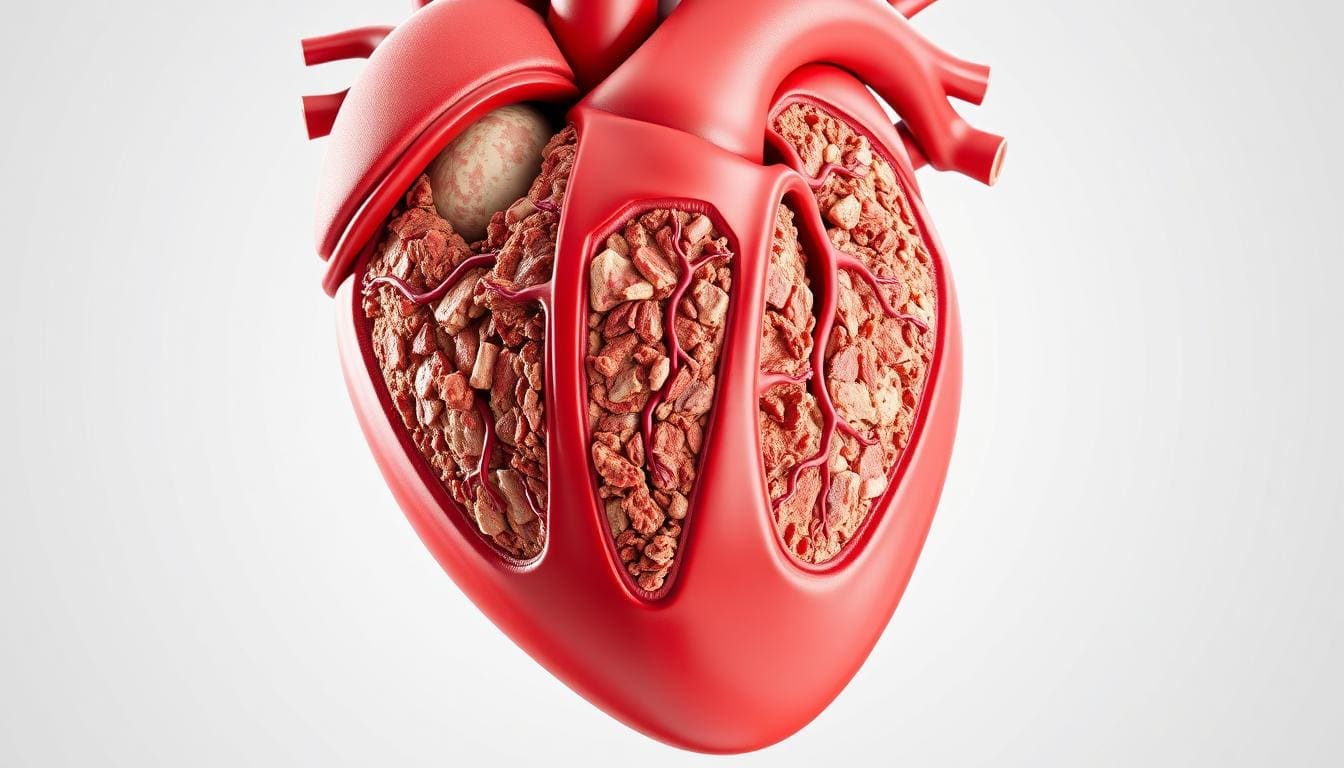
At Liv Hospital, we know how complex coronary artery disease is. Multivessel coronary artery disease (MVCAD) affects many arteries, raising the risk of heart failure and death.
Multivessel coronary artery disease can turn into 3 vessel disease. This is when all three major arteries are affected. We aim to give detailed care and info to those with this condition.
It’s important to know the facts about 3 vessel disease. This knowledge helps both patients and doctors. We’ll look into why this condition matters and its effects on heart health.
Key Takeaways
- Multivessel coronary artery disease includes 2 vessel CAD and can escalate to 3 vessel CAD.
- 3 vessel disease increases the risk of heart failure and death.
- Understanding the condition is key for patients and healthcare professionals.
- Liv Hospital is dedicated to giving full care to MVCAD patients.
- Early diagnosis and treatment are vital in managing the condition.
- Patients with 3 vessel disease need ongoing care and monitoring.
- Advanced treatment options are available for managing MVCAD.
Understanding Coronary Artery Disease Fundamentals
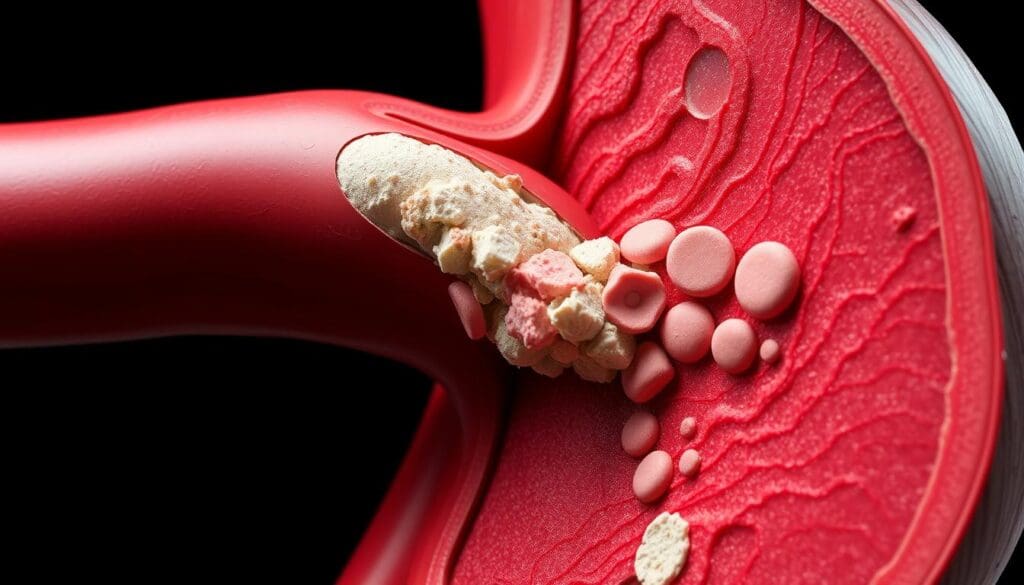
It’s important to know about coronary artery disease to understand its effects on the heart. This disease happens when the arteries that carry blood to the heart get blocked by plaque. This blockage, called atherosclerosis, can reduce blood flow to the heart. It might cause heart attacks or other serious heart problems.
The Role of Coronary Arteries in Heart Function
The coronary arteries are key to the heart’s health. They bring oxygen and nutrients to the heart muscle. This lets the heart pump blood well throughout the body.
The heart needs oxygen and nutrients to work right. The coronary arteries make sure it gets them. There are three main coronary arteries: the left anterior descending, the left circumflex, and the right coronary artery. These arteries split into smaller ones that cover the heart muscle. A blockage or narrowing in these arteries can cause heart problems, from angina to heart attacks.
How Atherosclerosis Develops
Atherosclerosis is what causes coronary artery disease. It starts with cholesterol and fatty substances building up on the artery walls. Over time, this plaque hardens and narrows the arteries, cutting off blood flow to the heart. High blood pressure, smoking, diabetes, and high cholesterol can make it worse.
As atherosclerosis gets worse, it can cause plaque to rupture. This can lead to a blood clot that blocks the artery. This blockage can cause a heart attack. Knowing how atherosclerosis works is important for preventing and managing coronary artery disease.
What Is 3 Vessel Disease?
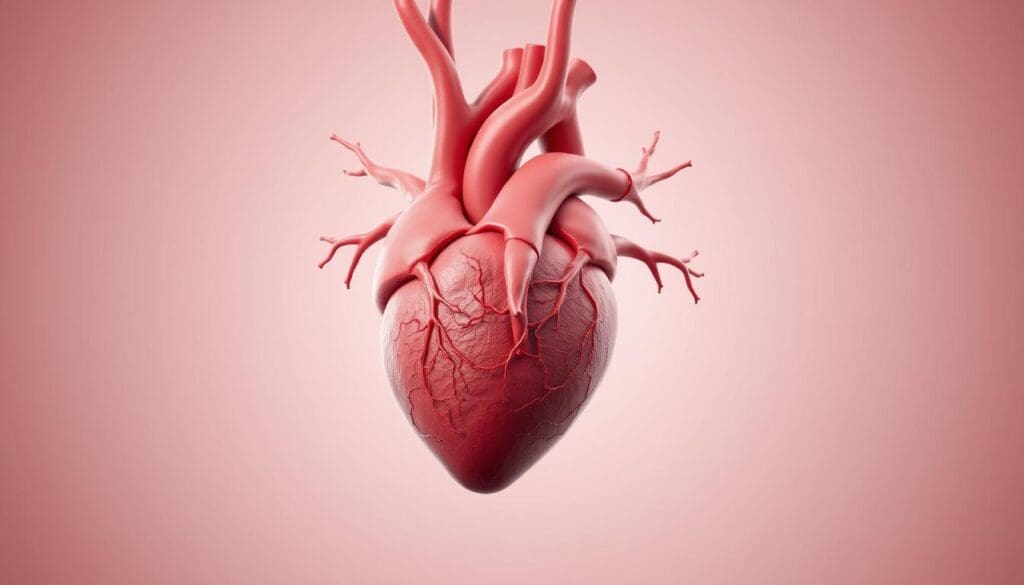
Exploring 3 vessel disease means looking at the coronary arteries and their importance for heart health. We’ll dive into what this condition is and the three main coronary arteries it affects.
Definition and Terminology
Three-vessel disease, also known as 3 vessel disease or triple vessel disease, is when all three major coronary arteries are impacted by coronary artery disease (CAD). This happens when these arteries narrow or get blocked by atherosclerosis. Atherosclerosis is when plaque builds up in the artery walls.
The term highlights the involvement of the right coronary artery (RCA), the left anterior descending artery (LAD), and the left circumflex artery (LCx). When all three are affected, the risk of heart problems grows a lot.
The Three Major Coronary Arteries
The coronary arteries are key in supplying blood to the heart muscle. The three main ones are:
- The Right Coronary Artery (RCA)
- The Left Anterior Descending Artery (LAD)
- The Left Circumflex Artery (LCx)
These arteries branch from the aorta and spread blood across the heart. If they get sick, it can cut down blood flow to the heart muscle. This can cause symptoms like angina or even a heart attack.
The table below highlights the main points about the three major coronary arteries:
| Coronary Artery | Area of Heart Supplied | Significance in 3 Vessel Disease |
|---|---|---|
| Right Coronary Artery (RCA) | Right atrium, right ventricle, and parts of the left ventricle | Involvement in 3 vessel disease significantly increases cardiovascular risk |
| Left Anterior Descending Artery (LAD) | Anterior wall of the left ventricle and interventricular septum | |
| Left Circumflex Artery (LCx) | Lateral and posterior walls of the left ventricle |
Key Fact #1: 3 Vessel Disease Affects All Major Coronary Arteries
Three-vessel disease is a severe form of heart disease. It happens when all three major coronary arteries are blocked. This greatly reduces blood flow to the heart.
Anatomy of Coronary Circulation
The heart needs a network of blood vessels to get oxygen and nutrients. The Left Anterior Descending (LAD), Left Circumflex (LCx), and Right Coronary Artery (RCA) are key. Knowing how these arteries work is important.
In a healthy heart, these arteries are open. But, in heart disease, plaque builds up. This narrows or blocks the arteries. When all three are blocked, the heart struggles to function.
Distinguishing Features of Triple Vessel Disease
Triple vessel disease is marked by blockages in all three major arteries. It raises the risk of heart problems and death more than other types.
Key Features of Triple Vessel Disease:
- Multi-vessel involvement leading to extensive ischemia
- Increased risk of myocardial infarction and cardiac death
- Often associated with more severe symptoms and reduced quality of life
- Typically requires more aggressive treatment strategies
People with three-vessel disease face a poorer outlook. The disease’s advanced stage means they need thorough treatment.
| Disease Extent | Number of Arteries Affected | Prognosis |
|---|---|---|
| Single Vessel Disease | 1 | Generally better prognosis with appropriate treatment |
| Double Vessel Disease | 2 | Moderate risk; treatment often involves intervention or surgery |
| Triple Vessel Disease | 3 | Higher risk; often requires aggressive management strategies |
Healthcare providers must understand coronary circulation and triple vessel disease. This knowledge helps them create better treatment plans. It ensures patients get the care they need to improve their health.
Key Fact #2: The Spectrum of Multivessel Coronary Artery Disease
Multivessel coronary artery disease is a serious condition where many coronary arteries are affected. This leads to big health problems for the heart. We will look at how it starts with one artery and grows to involve many. We will also see what makes it spread.
From Single Vessel to Multiple Vessel Involvement
Coronary artery disease (CAD) often starts with one artery getting narrowed or blocked. This is called single vessel disease. But, as it gets worse, it can affect more arteries, leading to multivessel disease. This makes the risk of heart problems higher and treatment more complicated.
Many things can make CAD move from one to many arteries. These include:
- Underlying health conditions: Diabetes, high blood pressure, and high cholesterol can make CAD worse.
- Lifestyle factors: Smoking, not moving enough, and eating badly can also help the disease grow.
- Genetic predisposition: If your family has a history of CAD, you might be more likely to get it and see it spread.
How 2 Vessel CAD Can Escalate to 3 Vessel Disease
Two-vessel CAD means two main coronary arteries are affected. If not treated, it can turn into three-vessel disease. This is when all three main arteries are involved. This makes the risk of serious heart problems, like heart attacks, much higher.
Things that can make 2 vessel CAD turn into 3 vessel include:
- Inadequate management of risk factors: Not keeping blood pressure, diabetes, and cholesterol under control can make the disease worse.
- Progression of atherosclerosis: More plaque building up in arteries can cause more narrowing and blockage.
It’s important for doctors to understand multivessel coronary artery disease. This helps them create good treatment plans. It also helps patients take care of their heart health. Catching the disease early and acting fast is key to stopping it from getting worse and to lower the risk of heart problems.
Key Fact #3: Prevalence and Demographics
Coronary artery disease with multiple vessels is a big worry for heart health. Looking at the numbers and who’s at risk shows us some groups face a bigger challenge.
Statistics on Multivessel Involvement in CAD Patients
About 20 to 30 percent of people with coronary artery disease have it in multiple vessels. This shows managing CAD is more complex when it affects many vessels.
Having disease in multiple vessels means a higher chance of heart problems. This is why finding and treating it early is so important.
High-Risk Population Groups
Some groups are more likely to get coronary artery disease in multiple vessels. These include:
- Individuals with a history of smoking
- Patients with diabetes mellitus
- Those with hypertension
- Older adults
- Individuals with a family history of coronary artery disease
Spotting these high-risk groups is key to stopping disease before it starts. Knowing who’s at risk helps us focus our efforts and create better treatment plans.
Early detection and management of risk factors are critical in reducing the burden of multivessel coronary artery disease. As we dive deeper into CAD, it’s vital to stress the importance of heart health and the need for full care.
Key Fact #4: Symptoms and Clinical Presentation
Knowing the symptoms of 3 vessel disease is key to getting help quickly. This condition can show up differently in each person. This makes it hard to diagnose and treat.
Common Symptoms of 3 Vessel Disease
People with 3 vessel disease often have various symptoms. This is because the blockages in their coronary arteries affect their heart’s blood flow. Common symptoms include:
- Chest pain or discomfort (angina)
- Shortness of breath
- Fatigue
- Pain or discomfort in the arms, back, neck, jaw, or stomach
These symptoms happen because the heart muscle doesn’t get enough oxygen. Spotting these symptoms early is critical for heart health and preventing more problems.
Silent Ischemia and Atypical Presentations
Some people with 3 vessel disease may not feel any symptoms, even with big blockages. Others might have symptoms that don’t seem like typical heart pain. This makes diagnosis tricky.
We need to watch for these different ways the disease can show up. The table below shows the differences between typical and atypical symptoms of 3 vessel disease.
| Characteristics | Typical Presentation | Atypical Presentation |
|---|---|---|
| Chest Pain | Often triggered by exertion or stress | May not be related to exertion or stress |
| Symptom Description | Pressure or tightness in the chest | Variable; may include discomfort in other areas |
| Associated Symptoms | Shortness of breath, sweating | May include nausea, fatigue, or dizziness |
By understanding the wide range of symptoms and presentations of 3 vessel disease, we can better diagnose and treat it. This helps improve heart health and lowers the risk of heart attacks.
Key Fact #5: Diagnosis and Assessment Methods
We use many ways to check for 3 vessel disease. To find out how bad the disease is, we do a detailed check.
The Role of Coronary Angiography
Coronary angiography is key for checking 3 vessel disease. We inject dye into the arteries to see blockages on an X-ray. This helps us know how bad the disease is and what to do next.
With coronary angiography, we see how many arteries are affected. This is important for figuring out the best treatment. It could be medicine, a procedure, or surgery.
Additional Diagnostic Tools
Other tools also help us check for 3 vessel disease. These include:
- Stress Tests: These check how the heart works when stressed to see if it’s getting enough blood.
- Echocardiograms: Ultrasound pictures of the heart to see how it’s working.
- Cardiac MRI or CT Scans: Detailed pictures of the heart and arteries.
These tools give us all the info we need to make a good treatment plan for each patient.
By using coronary angiography and other tools, we can really understand 3 vessel disease. This detailed approach helps us give the best care for heart health.
Key Fact #6: Increased Risk Profile of 3 Vessel Disease
3 vessel disease greatly raises the risk of serious heart problems. This is because it affects all three main arteries, severely limiting blood flow to the heart.
Mortality and Morbidity Statistics
Research shows that those with 3 vessel disease face higher death and illness rates. This is mainly because of the widespread atherosclerosis, which increases the risk of heart attacks and death.
Also, 3 vessel disease often comes with other health issues like diabetes, high blood pressure, and high cholesterol. These conditions make the risk even higher.
Complication Risks After Cardiac Events
People with 3 vessel disease are more likely to face serious complications after heart attacks. These can include heart failure, irregular heartbeats, and more heart attacks.
The risk of these issues is higher because of the heart’s reduced ability to function. Also, there’s a greater chance of more plaque buildup or erosion in widespread coronary disease.
Long-Term Prognosis Factors
The long-term outlook for 3 vessel disease patients depends on several factors. These include how well the left ventricle works, the presence of other health conditions, and the treatment plan.
Effective treatments like medication, lifestyle changes, and procedures like CABG or PCI are key. They help improve long-term results.
By understanding these factors and using the right management plans, we can better the lives of those with 3 vessel disease.
Key Fact #7: Treatment Approaches for Multivessel CAD
Treating multivessel CAD is complex. It requires different strategies. These include medical management, surgery, and minimally invasive procedures.
Medical Management Options
Medical management is key in treating multivessel CAD. It uses medicines to control symptoms and slow disease growth. We recommend a mix of:
- Aspirin and other antiplatelet agents to prevent clot formation
- Beta-blockers to reduce heart rate and blood pressure
- ACE inhibitors or ARBs to manage blood pressure and reduce heart strain
- Statins to lower cholesterol levels
Coronary Artery Bypass Grafting (CABG)
CABG is a surgery that bypasses blocked arteries. It’s often chosen for complex cases, like those with diabetes. CABG offers:
| Benefits | Description |
|---|---|
| Improved Survival | CABG can improve long-term survival in complex cases |
| Symptom Relief | CABG can greatly reduce angina symptoms and improve life quality |
| Reduced Risk of Cardiac Events | CABG can lower the risk of heart attacks and other cardiac issues |
Percutaneous Coronary Intervention (PCI)
PCI is a minimally invasive procedure. It uses a catheter to open blocked arteries. PCI is considered for those not suited for CABG or preferring a less invasive method. It can be done in various ways.
Choosing between CABG and PCI depends on several factors. These include disease complexity, patient health, and personal preferences. We help our patients choose the best treatment for them.
Advanced Treatment Protocols: CABG vs. PCI for 3 Vessel Disease
When it comes to 3 vessel disease, choosing between CABG and PCI is a big decision. It depends on many factors. These include the latest research, the patient’s health, and advice from a team of heart experts.
Evidence from Clinical Trials
Many important studies have looked at how CABG and PCI work for 3 vessel disease. They’ve shown us how well each method works and how safe they are.
One important thing is that CABG might mean fewer times you need more surgery. But, PCI is often chosen because it’s less invasive and you can recover faster.
| Trial Name | CABG Outcomes | PCI Outcomes |
|---|---|---|
| SYNTAX Trial | Lower repeat revascularization | Higher repeat revascularization |
| FREEDOM Trial | Better long-term survival | Comparable short-term outcomes |
Patient-Specific Considerations
The choice between CABG and PCI really depends on the patient. Things like how complex the heart’s blood vessels are, if the patient has diabetes, and what they prefer are important.
For example, people with complex heart anatomy or diabetes might do better with CABG. This is because CABG can bypass more blockages and might lead to better long-term results.
Multidisciplinary Heart Team Approach
Getting the right treatment for 3 vessel disease often involves a team of experts. This team includes cardiologists, cardiac surgeons, and others. They work together to figure out the best plan for each patient.
By looking at all the facts and the latest research, this team can offer care that’s tailored to each person. This helps make sure patients get the best possible results.
Modern Approaches to Multivessel Disease Management
Cardiovascular treatment has seen big changes. Now, we have new ways to manage multivessel disease. These methods help patients get better and keep their hearts healthy.
Internationally Competitive Protocols
Cardiac centers lead in using top protocols for multivessel disease. These plans come from the latest research and trials. They ensure patients get the safest and most effective treatments.
We stick to strict guidelines that keep up with new research. This lets us offer top-notch care to patients from around the world.
Emerging Treatments and Technologies
Cardiovascular medicine is always changing. New treatments and tech come out all the time. We make sure to use these new things to help our patients.
New treatments include better stents, less invasive surgeries, and new medicines. These help patients with multivessel disease get better results.
Key Emerging Treatments:
- Advanced stent technologies
- Minimally invasive surgical techniques
- Novel pharmacological agents
The Role of Specialized Cardiac Centers
Specialized cardiac centers are key in managing multivessel disease. They have the latest equipment and teams of experts. These teams focus on giving complete care.
We work with patients to create plans that fit their needs. By using the newest treatments, we aim to improve health and outcomes.
We’re dedicated to top-notch healthcare. We use the best protocols and treatments. Our goal is to make a big difference in our patients’ lives by giving them the best care.
Conclusion
Understanding 3 vessel disease is key to caring for patients with coronary artery disease. We’ve looked into its definition, how common it is, its symptoms, how it’s diagnosed, and how it’s treated.
Managing 3 vessel disease well needs a team effort. This includes medical care, CABG, and PCI. Knowing how coronary artery disease works helps us give top-notch care to those affected.
As we keep improving in heart health, we must focus on caring for 3 vessel disease patients fully. We aim to give them the best care possible. Our commitment shows in our advanced treatment methods and patient-focused approach.
What is 3-vessel disease, and how does it affect the heart?
3 vessel disease, or triple vessel disease, affects all three major coronary arteries. This leads to significant blockage and can severely harm the heart. Our team is dedicated to providing top-notch care for those with this condition.
What are the symptoms of 3 vessel disease?
Symptoms can include chest pain, shortness of breath, and feeling tired. Some people might not show any symptoms at all. Regular check-ups and screenings are key to catching this disease early.
How is 3 vessel disease diagnosed?
Coronary angiography is used to see the arteries and find blockages. Stress tests and echocardiograms might also be used. Our team uses the latest techniques for accurate diagnosis and treatment planning.
What are the treatment options for 3 vessel disease?
Treatments include medical management, CABG, or PCI. The right choice depends on the disease’s severity, the patient’s health, and their preferences. We work with patients to find the best treatment.
What is the difference between CABG and PCI for treating 3 vessel disease?
CABG is surgery to bypass blocked arteries. PCI uses a catheter to open them. The choice depends on the patient’s needs and the latest research. Our team keeps up with the latest to provide the best care.
Can 3 vessel disease be managed without surgery?
Yes, some patients can manage with lifestyle changes and medications. We help patients create personalized plans to manage their condition.
What lifestyle changes can help manage 3 vessel disease?
Eating well, exercising, quitting smoking, and managing stress can help. We offer support to help patients live a healthy lifestyle.
What is the prognosis for patients with 3 vessel disease?
Outcomes vary based on disease severity, treatment, and overall health. With proper care, many patients can live active lives. We’re committed to supporting patients for the best outcomes.
How can I reduce my risk of developing 3 vessel disease?
Managing risk factors like high blood pressure and cholesterol is key. A healthy lifestyle, including a balanced diet and exercise, also helps. We provide resources to help manage risk factors.
What is the role of a multidisciplinary heart team in managing 3 vessel disease?
A team of cardiologists, surgeons, and other experts is vital. They work together to create personalized treatment plans. We believe in a collaborative approach to care.
References:
PubMed (NCBI): Article on Coronary Artery Disease Management (Specific PubMed ID)