
As a parent, you might wonder what happens at your child’s 3-year-old checkup. You’re probably thinking about whether they’ll get shots. At this visit, your child will likely get some important toddler vaccines to protect against serious diseases.
Thinking about your child getting shots can be scary. But, these preschool shots are key to their health. They help fight off diseases that could be very dangerous. The 3 year old vaccines are safe and work well, and we’re here to help you through it.
Key Takeaways
- Your child will likely receive vaccinations at their 3-year-old checkup.
- These shots are vital for protecting against serious diseases.
- Knowing why these vaccinations are important can ease your worries.
- We’re here to support you and your child through this.
- The vaccines given are safe and effective.
Understanding the 3-Year-Old Checkup
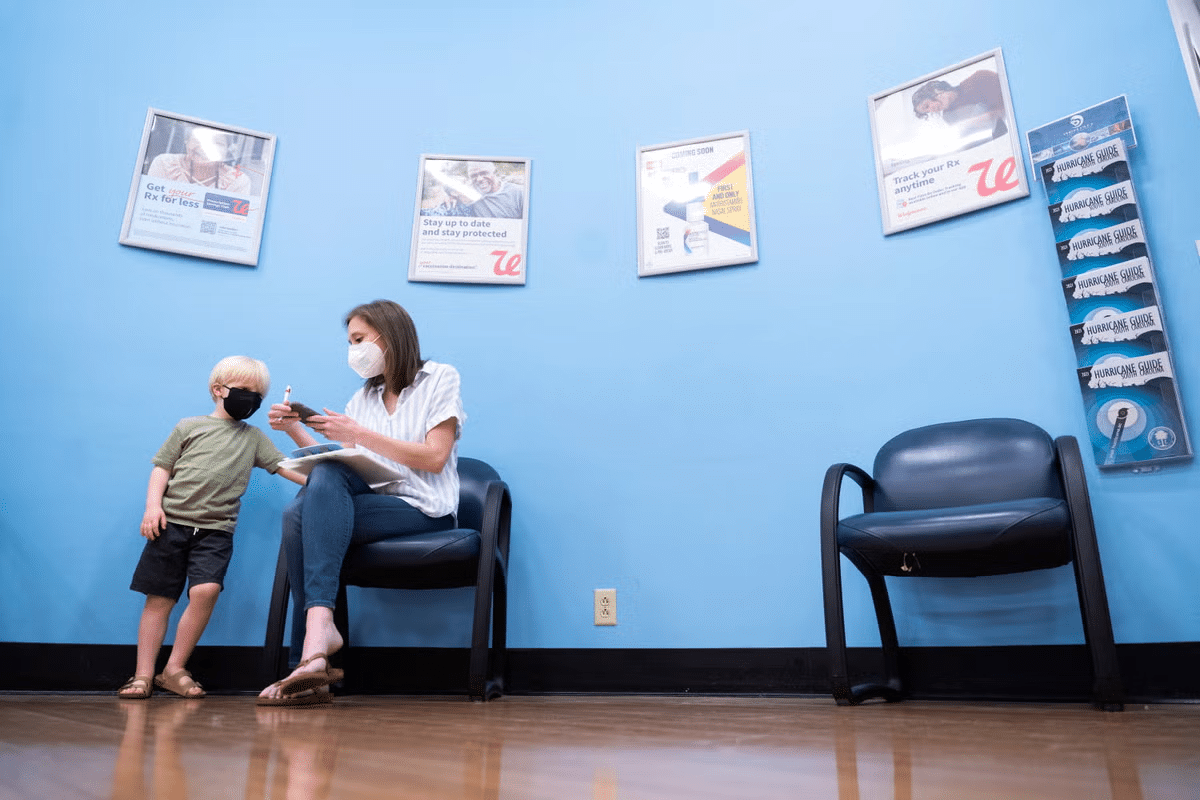 As your child grows, regular checkups with their pediatrician are key. They help monitor development and address concerns. The 3-year-old checkup is a big milestone. It lets you see how your child is doing, spot any problems early, and check if they’re meeting their milestones.
Importance of Regular Pediatric Visits
Regular visits to the pediatrician are vital for your child’s health. They help catch problems early and keep your child on track. Your pediatrician can check growth, offer advice on nutrition and safety, and give vaccines. These visits keep you updated on your child’s development and let you ask questions.
Benefits of Regular Checkups:
- Monitoring growth and development
- Early detection of health issues
- Guidance on nutrition and safety
- Administration of necessary vaccinations
- Opportunity to discuss concerns with your pediatrician
Milestones Checked During the Appointment
At the 3-year-old checkup, your pediatrician will look at many areas. They’ll check physical, emotional, and cognitive development. This helps find out if your child needs extra help in any area.
|
Developmental Area |
Milestones |
|---|---|
|
Physical Development |
Kicking a ball forward, throwing a ball overhead, using utensils to feed |
|
Emotional Development |
Showing affection for friends and family, expressing a range of emotions |
|
Cognitive Development |
Following simple instructions, identifying basic shapes and colors, demonstrating an understanding of simple games |
Knowing what to expect at the 3-year-old checkup helps you prepare. It makes the visit more meaningful for your child.
Recommended Vaccines for 3-Year-Olds
 The third year of life is key for getting vaccinated. At this age, kids are at risk for serious diseases. Vaccines help keep them safe.
DTaP: Protecting Against Dangerous Diseases
The DTaP vaccine fights off diphtheria, tetanus, and pertussis. These diseases can be very serious for young kids. Diphtheria can harm the breathing, tetanus can stiffen muscles, and pertussis can cause long coughing fits.
Getting the DTaP vaccine helps prevent these serious conditions. The vaccine is given in a series, with a final booster at three years old. This booster keeps immunity strong.
MMR: Importance of Measles, Mumps, and Rubella Immunization
The MMR vaccine guards against measles, mumps, and rubella. Measles can cause pneumonia and brain problems, mumps can lead to meningitis and deafness, and rubella can harm babies if caught by their mom during pregnancy. The MMR vaccine is given in two doses, with the first at one year and the second between four to six years old. It’s important for 3-year-olds to get the second dose if their schedule is accelerated.
- Measles can lead to severe complications, including pneumonia and encephalitis.
- Mumps can cause meningitis, deafness, and orchitis.
- Rubella infection during pregnancy can lead to miscarriage, miscarriage, or congenital rubella syndrome.
Varicella: Keeping Your Child Safe from Chickenpox
The Varicella vaccine fights chickenpox, a contagious infection. While chickenpox is often mild, it can cause serious problems like skin infections, pneumonia, and brain infections. The Varicella vaccine is given in two doses, with the first at one year and the second between four to six years old. Some kids may get the vaccine earlier, based on their risk and the doctor’s advice.
Vaccinating your child against chickenpox protects them from its risks. It also lowers the chance of getting shingles later in life.
Timing of 3-Year Vaccines
The Centers for Disease Control and Prevention (CDC) has a recommended vaccination schedule. This includes the timing for 3-year-old vaccines. It’s key to know this schedule to make sure your child gets the right protection against serious diseases.
When to Schedule the Checkup
The CDC says kids should get certain vaccines by age 3. The DTaP (diphtheria, tetanus, and pertussis) vaccine, MMR (measles, mumps, and rubella) vaccine, and Varicella (chickenpox) vaccine are given around this time. Always talk to your pediatrician to find the best schedule for your child.
Factors That Can Affect Vaccine Timing
Several things can change when vaccines are given to 3-year-olds. These include:
- Health Status: Kids with certain health issues might need different vaccine schedules.
- Previous Reactions: If your child had a bad reaction to a vaccine before, it might change when they get vaccines later.
- Travel Plans: If you’re planning to travel to places where certain diseases are common, your doctor might suggest specific vaccines.
Vaccine Myths and Facts
There’s a lot of wrong information about vaccines out there. It’s important to look at the facts. As parents, we face a lot of conflicting info. We need to know what’s true for our kids’ health.
Common Myths Surrounding Vaccines
Many myths have scared parents about vaccines. Let’s clear up some of these:
- Myth: Vaccines cause autism. Fact: Many studies have found no link between vaccines and autism.
- Myth: Vaccines have harmful ingredients. Fact: The ingredients in vaccines are tested for safety.
- Myth: Herd immunity will protect my unvaccinated child. Fact: While herd immunity is important, it doesn’t always protect unvaccinated kids.
Evidence-Based Benefits of Vaccination
Vaccines have many benefits, supported by science. Some key advantages are:
- Disease Prevention: Vaccines have helped control and even wipe out serious diseases.
- Community Protection: Vaccinating our kids helps protect others who are more at risk.
- Long-term Health: Vaccines also offer long-term health benefits, lowering the risk of serious disease complications.
It’s key to understand the truth about vaccines for our kids’ health. By staying informed and talking to doctors, we can make sure our kids are safe.
Preparing for the Checkup
Preparing your child for their three-year checkup can help reduce stress. There are steps you can take to make the visit smooth. This is important for a good experience.
Discussing Concerns with Your Pediatrician
Talking to your pediatrician about your concerns is key. This is a chance to ask about your child’s health and vaccines. You should discuss:
- Any fears or anxieties your child may have
- Previous experiences with vaccinations or medical procedures
- Your child’s current health status and any ongoing issues
How to Prepare Your Child for the Appointment
Helping your child feel ready for the toddler visit or preschool visit is important. Here are some tips:
- Explain the process in simple terms, using language your child can understand.
- Reassure your child that the visit is a normal part of staying healthy.
- Bring comfort items, such as a favorite toy or blanket, to help your child feel more at ease during the 3 year visit.
By following these steps, you can make the checkup a positive experience for your child. Remember, your pediatrician is there to support you and your child.
Post-Vaccine Care
Knowing how to care for your child after a vaccine is key. It helps them feel better and recover well. As a parent, you play a big role in their health and comfort.
What to Expect After Vaccination
After getting vaccines, your child might feel some side effects. But these are usually mild and short-lived. They might have:
- Redness, swelling, or pain at the injection site
- Fever, which is usually low-grade
- Fussiness or irritability
- Drowsiness or fatigue
These signs mean the vaccine is working. Keep an eye on your child’s temperature and mood. Make sure they feel okay.
Handling Any Side Effects
If your child has side effects, there are ways to help them feel better:
- For pain or redness at the injection site: Use a cold compress or massage gently.
- For fever: Give acetaminophen if your pediatrician says it’s okay. Keep your child lightly dressed.
- For fussiness: Offer extra comfort and reassurance. A change of scene or a favorite toy can help.
Healthcare experts say most kids only have mild side effects. Serious reactions are rare. Always listen to your pediatrician for advice on side effects. If you notice anything unusual or severe, seek medical help right away.
“Vaccines are rigorously tested for safety, and the benefits of vaccination far outweigh the risks.”
Centers for Disease Control and Prevention (CDC)
Being ready and knowing what to expect can make your child’s vaccine experience better. Always talk to your healthcare provider if you have any health concerns or worries about vaccine reactions.
The Role of Parents in Vaccination
As parents, we have a big role in making sure our kids get vaccinated on time. It’s important for us to be involved in their vaccination schedules. This helps keep them healthy.
Staying Informed About Vaccine Schedules
It’s key to know the recommended vaccine schedule. Vaccines are given at specific times to protect against serious diseases. Check the Centers for Disease Control and Prevention (CDC) website or talk to your pediatrician to stay current.
Importance of Keeping Records
Keeping accurate vaccination records is very important. Immunization records help healthcare providers make informed decisions about your child’s health. They are also needed for school and travel.
Alternate Vaccine Schedules
Parents need to understand alternate vaccine schedules if they’re thinking about not following the usual vaccination plan. It’s key to know the risks and benefits of such choices.
Understanding Delayed or Alternative Vaccination Plans
Delayed or alternative vaccination plans are different from what doctors usually suggest. They might spread out vaccines over more time or skip some vaccines.
“The decision to follow an alternative vaccine schedule should be made with a thorough understanding of the possible consequences,” highlights the need for knowledge.
Parents looking into these plans should know the risks. This includes being more likely to get sick from diseases vaccines prevent. Also, not following the usual schedule might not protect as well.
Consulting with Healthcare Providers
Talking to a pediatrician or healthcare provider is a big step for parents thinking about different vaccine schedules. They can give advice based on the child’s health and past medical issues.
“A healthcare provider can help parents make an informed choice by talking about the good and bad sides of different vaccine plans.”
When you talk to your healthcare provider, share your worries and ask questions. This way, you can make sure you’re making the best choice for your child’s health.
Resources for Parents
Parents looking for accurate vaccine info have many reliable options. Finding the right information can be tough. But knowing where to start is key to making smart choices.
Reliable Sources for Vaccine Information
Several organizations are top choices for trustworthy vaccine info. The Centers for Disease Control and Prevention (CDC) and the World Health Organization (WHO) are leaders. They offer detailed, science-backed info on vaccine safety and schedules.
Key resources include:
- The CDC’s vaccine info pages give deep insights into different vaccines and their benefits.
- The WHO’s global vaccine recommendations offer a wide view on vaccine use around the world.
- Peer-reviewed journals like the Journal of Infectious Diseases publish studies on vaccine safety and effectiveness.
Support Groups for Vaccine Education
Support groups are also key for vaccine education. They offer a place for parents to share experiences, ask questions, and get support from others.
Benefits of joining support groups include:
- Access to a community that gets the vaccine concerns and questions.
- Chances to learn from others’ vaccine experiences.
- A safe space to talk about vaccine fears and myths.
By using these resources, parents can make informed health choices for their kids. They can also stay current with the latest vaccine advice.
The Future of Vaccines
The future of vaccines for kids is looking bright. New discoveries and research are changing the game. They aim to keep kids healthy all over the world.
Innovations in Pediatric Vaccination
Recently, remarkable progress has been made in vaccine tech. This includes safer, more effective, and easier-to-give vaccines. For example, combination vaccines can fight off several diseases at once. This means fewer shots for kids and less stress for families.
New ways to give vaccines are also being explored. Think nasal sprays and patches. These methods could make getting vaccinated less scary for kids. This could lead to more kids getting vaccinated, which is a big win for everyone.
Preparing for New Vaccine Recommendations
New vaccines and tech mean health guidelines are always changing. It’s key for parents to keep up with the latest vaccine recommendations. This affects their child’s vaccination plan.
Keeping in touch with your doctor is a good idea. Talking about any worries or questions about new vaccines is important. This way, kids get the best care based on the latest science.
By staying current and adapting to new advice, we can all help keep kids and communities safe and healthy.
Conclusion: Prioritizing Your Child’s Health
Timely vaccination is key to keeping your child healthy, most importantly in preschool years. Making sure your child gets their shots on time is essential for their health.
Vaccination and Child Health
Getting your child vaccinated on schedule is vital for their health. Following the vaccine schedule can greatly lower the chance of serious diseases. We suggest you stay in close touch with your healthcare providers to keep your child’s vaccinations up to date.
Open Communication with Healthcare Providers
Talking openly with your healthcare providers is important. It helps address any health or vaccination concerns you might have. This way, you can make choices that help your child stay healthy and happy.
FAQ
What vaccines are typically administered during a 3-year-old checkup?
At the 3-year-old checkup, your child gets booster shots. These include DTaP, MMR, and Varicella. They protect against diseases like diphtheria, tetanus, pertussis, measles, mumps, rubella, and chickenpox.
Why are regular pediatric visits important for my child’s health?
Regular visits help track your child’s growth and health. They catch problems early and make sure your child gets vaccines on time. This protects them from serious diseases.
What can I expect during my child’s 3-year-old checkup?
At the 3-year-old checkup, your pediatrician checks on your child’s growth and health. They look at physical, emotional, and cognitive development. They also give the recommended vaccines.
Are there any side effects associated with the vaccines given at the 3-year-old checkup?
Vaccines are usually safe, but some kids might feel a little off. They might have redness or swelling where they got the shot, or feel a bit feverish or fussy. These symptoms usually go away in a few days.
Can I delay or follow an alternate vaccine schedule for my child?
You can talk to your doctor about delaying or changing the vaccine schedule. But, it’s important to make sure your child is protected. Not following the recommended schedule can leave them at risk for serious diseases.
How can I prepare my child for the 3-year-old checkup and vaccinations?
Talk to your child about the visit and what will happen. Bring something they like to help them feel better during the appointment.
What are some reliable sources of information on vaccines and vaccination schedules?
For accurate info on vaccines, check out the CDC and WHO websites. They are trusted sources for vaccine information and schedules.
How can I stay informed about updates to vaccine recommendations and schedules?
Keep up with vaccine news by talking to your doctor and visiting the CDC and WHO websites. Joining vaccine education groups can also help you stay current.
Why is it essential to maintain accurate records of my child’s vaccinations?
Keeping up with your child’s vaccination records is key. It makes sure they get the right vaccines on time. It also helps with their future health needs.
What is the importance of parental involvement in the vaccination process?
As a parent, your role in vaccination is vital. It lets you make informed choices and stay updated on vaccine schedules. This ensures your child gets the protection they need against serious diseases.
References
National Center for Biotechnology Information. Measuring the timeliness of childhood vaccinations: uptake and delays in infant and pre‑school booster vaccines — a cohort study. Retrieved from https://pmc.ncbi.nlm.nih.gov/articles/PMC5720480/