

Did you know your feet can show signs of heart health problems before you feel other symptoms? Research shows that some foot symptoms can warn of serious heart issues.
At Liv Hospital, we stress the need to spot these signs early. Foot symptoms like pain, swelling, or sores that won’t heal can mean you’re at risk for a heart attack. We offer care that looks at all aspects of your health.
Watching for changes in your feet is key to catching heart problems early. We aim to give top-notch healthcare and support to patients from around the world.
Key Takeaways
- Certain foot symptoms can be early warning signs of heart attack and cardiovascular disease.
- Recognizing these signs is key for early detection and treatment.
- Liv Hospital provides care that looks at all aspects of your health.
- Foot pain, swelling, and sores that won’t heal can signal heart health issues.
- Early detection and treatment can greatly improve your chances of recovery.
Understanding the Connection Between Foot Symptoms and Heart Health
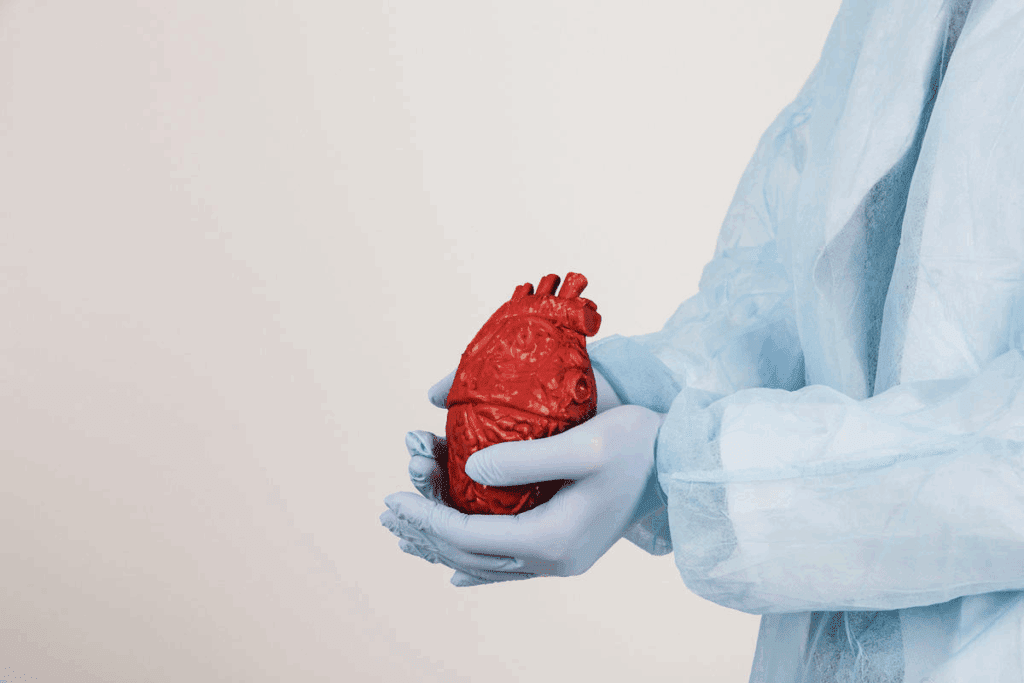
Our feet can tell us a lot about our heart health. Looking at foot symptoms can help spot heart problems early. This is because our feet and heart are closely linked.
How Cardiovascular Issues Manifest in Extremities
Heart problems can show up in our feet in different ways. Poor circulation is a big sign, causing cold feet, pain when walking, or skin color changes. This happens because the heart isn’t pumping well, reducing blood flow to our feet.
The Importance of Early Detection
Spotting heart problems through foot symptoms early can save lives. Catching these signs early means we can get help fast. This could stop serious heart events like heart attacks.
Recent Research Findings
New studies show a strong link between foot symptoms and heart health. People with Peripheral Artery Disease (PAD) have a higher risk of heart attacks. This shows why we should watch our foot health closely for heart care.
| Condition | Heart Attack Rate Over 30 Months |
| With PAD | Significantly Higher |
| Without PAD | Lower |
Cardiovascular Disease: A Silent Threat

Cardiovascular disease is a big health threat worldwide. It often goes unnoticed until symptoms are severe. Heart disease is a key part of this condition. Knowing the risks and early signs is key for early action.
Statistics on Heart Disease in America
Heart disease is the top cause of death in the U.S. It leads to a lot of deaths each year. Almost half of all adults in the U.S. have some form of cardiovascular disease. This shows how important it is to be aware and take preventive steps.
Heart disease risk goes up with age. Factors like high blood pressure, diabetes, and lifestyle choices also play a big role. These can increase your chance of getting heart disease.
Why Early Warning Signs Are Often Missed
Early signs of heart disease can be hard to spot. They might be missed until a big event, like a heart attack. Symptoms like tiredness, shortness of breath, and swollen feet can be mistaken for other things.
Some people might not notice symptoms until the disease is advanced. Regular health checks and knowing your risk factors are key for catching it early.
The Cost of Delayed Diagnosis
Not catching heart disease early can lead to serious problems. It can cause more deaths and higher healthcare costs. Finding it early means you can get help sooner, which can make a big difference.
It’s important to link foot symptoms to heart health. Foot pain, swelling, and sores that won’t heal can hint at heart problems. Spotting these signs early can lead to quick medical help and might save lives.
The 4 Signs Heart Attack Foot: Key Indicators to Watch For
Knowing the warning signs of a heart attack in your feet can save your life. Heart disease is often linked to chest pain or shortness of breath. But, certain foot symptoms can also signal a higher risk of heart problems.
Overview of Critical Foot Symptoms
There are four main foot symptoms that may mean you’re at risk for a heart attack:
- Persistent foot pain: Pain that doesn’t go away or is very severe
- Swelling or pitting edema: Fluid buildup causing swelling in the feet and ankles
- Non-healing sores or ulcers: Wounds that don’t heal right
- Changes in skin or toenail color: Discoloration or unusual changes in the skin or nails
These symptoms often point to reduced blood flow, which can be a sign of heart problems.
Why These Signs Shouldn’t Be Ignored
Ignoring these foot symptoms can lead to serious issues. They are often linked to peripheral artery disease (PAD). This condition raises the risk of heart attack and stroke. By catching these signs early, you can get medical help and possibly avoid a heart event.
Early detection is key because it allows for quick action. If you notice any of these symptoms, see a doctor right away.
How These Symptoms Develop
These foot symptoms come from reduced blood flow to the extremities, often due to atherosclerosis. When arteries narrow or block, it causes these symptoms.
Knowing how these foot symptoms relate to heart health helps you take care of your heart. By being aware of the 4 signs of heart attack feet, you can protect your heart and overall health.
Sign #1: Persistent Foot Pain
We often overlook the connection between persistent foot pain and heart health. Foot pain can signal cardiovascular issues that need quick attention.
Types of Pain Associated with Heart Issues
Heart problems can cause different types of pain in the feet. It might feel like a dull ache, a sharp pain, or a heavy feeling. People with peripheral artery disease (PAD) often feel pain in their feet or legs when they move. This is because they have less blood flow.
Distinguishing Cardiovascular Pain from Other Foot Problems
Not all foot pain is from heart problems. Issues like plantar fasciitis, arthritis, or injuries can also hurt. But, heart-related pain usually doesn’t go away and might come with other signs like cold feet or numbness. It’s important to see a doctor to figure out why your feet hurt.
| Symptom | Cardiovascular Cause | Other Causes |
| Pain Type | Dull ache, sharp pain during activity | Sharp pain upon stepping, constant pain |
| Additional Symptoms | Coldness, numbness, discoloration | Swelling, redness, warmth |
Case Studies: When Foot Pain Signaled Heart Problems
Many case studies show how important it is to see foot pain as a heart disease warning. For example, a study in the Journal of the American Heart Association found PAD patients were more likely to have heart attacks or strokes. Early treatment can greatly improve their chances.
A 55-year-old man had foot pain that seemed like an orthopedic problem. But, it turned out to be PAD, which showed he had coronary artery disease too.
Sign #2: Swelling and Pitting Edema
Swelling and pitting edema in the feet are signs that need attention. Swelling can have many causes, but heart health issues are serious. It’s important to know why and what it means.
What Causes Fluid Retention in the Feet
Edema, or fluid retention, happens when the body’s fluid balance is off. Heart failure is a big reason for swelling in the feet. If the heart can’t pump well, fluid leaks into tissues, causing swelling.
Other things like kidney or liver disease, and some medicines, can also cause fluid buildup.
How to Identify Pitting Edema
Pitting edema leaves an indentation when you press on it. To check, press your thumb on the swollen area for a few seconds and then let go. If the area stays indented for a bit before filling back up, it’s pitting edema.
When Swelling Is Most Concerning
Swelling is more serious if it lasts a long time, is very bad, or comes with other symptoms. Symptoms like shortness of breath, chest pain, or feeling very tired might mean a heart problem that needs a doctor.
| Symptom | Description | Concern Level |
| Mild Swelling | Swelling that is barely noticeable and doesn’t leave an indentation | Low |
| Pitting Edema | Swelling that leaves an indentation upon applying pressure | Moderate to High |
| Severe Swelling with Pain | Swelling that is painful and significantly limits mobility | High |
Knowing about swelling and pitting edema can help spot heart problems early. If you have ongoing or bad swelling, see a doctor right away.
Sign #3: Non-Healing Sores or Ulcers
Sores or ulcers on your feet that don’t heal might mean poor blood circulation. This is linked to heart health. Such sores or ulcers are a big worry and can show circulatory problems.
Why Poor Circulation Affects Wound Healing
Poor circulation means less blood flow to the sore area. This area gets less oxygen and nutrients needed for healing. This can make healing take longer or even stop it from healing.
Factors Affecting Wound Healing:
- Reduced blood flow
- Inadequate oxygen supply
- Insufficient nutrients
- Increased risk of infection
Recognizing Problematic Sores
It’s important to spot sores or ulcers that won’t heal. Look for signs like:
- Persistent redness or inflammation
- Increased pain or tenderness
- Pus or discharge
- Failure to show signs of healing after several weeks
The Connection to Diabetes and Heart Disease
Diabetes, heart disease, and foot ulcers are closely related. Diabetes can damage nerves and reduce blood flow, raising the risk of foot ulcers. Heart disease can make these circulatory problems worse, making it harder for ulcers to heal.
| Condition | Effect on Foot Ulcers |
| Diabetes | Increases risk due to nerve damage and poor circulation |
| Heart Disease | Exacerbates circulatory issues, hindering healing |
Knowing these connections is key to managing and preventing problems. If you have diabetes or heart disease and see non-healing sores or ulcers on your feet, see your doctor right away.
Sign #4: Changes in Skin or Toenail Color
The fourth sign of heart issues in the feet is changes in skin or toenail color. This is a sign that needs immediate attention. Such changes can point to serious heart problems, like poor circulation, which is a big risk for heart disease.
Blue Toe Syndrome and Its Significance
Blue Toe Syndrome is linked to changes in toe color. It happens when blood vessels get blocked, causing toes to turn blue. This condition often shows up in atherosclerosis, where arteries get clogged with plaque, reducing blood flow to the toes.
Purple or Dusky Discoloration
Purple or dusky skin or toes can warn of poor circulation. This happens when tissues don’t get enough oxygen, often due to heart problems. It’s key to know the cause of discoloration, as some are harmless, while others are serious.
Pale or Shiny Skin as Warning Signs
Pale or shiny skin on the feet can signal circulatory issues. Reduced blood flow makes skin pale or shiny. This condition, called ischemic skin, can lead to more serious problems if not treated.
| Color Change | Possible Cause | Concern Level |
| Blue or Purple | Blocked blood vessels, Blue Toe Syndrome | High |
| Pale or Shiny | Poor circulation, reduced blood flow | High |
| Dusky Discoloration | Inadequate oxygen delivery | High |
Spotting these color changes is key to catching heart disease early. If you see unusual colors in your feet, see a doctor right away. They can figure out what’s wrong and how to fix it.
Additional Warning Signs in Your Feet
Our feet can show us signs of heart health problems. Changes in our feet can mean we need to see a doctor early. This can help avoid serious heart issues.
Hair Loss on Feet and Toes
Hair loss on the feet and toes might mean poor circulation. This is often linked to heart disease. If your heart isn’t pumping well, blood flow to your feet and toes can decrease, causing hair loss.
Temperature Changes in the Feet
Feeling temperature changes in your feet can be a sign of circulation problems. If one foot feels colder than the other, or both are cold, it might mean blood flow issues. This could be due to peripheral artery disease (PAD), which often goes hand in hand with heart disease. Keep an eye on your feet’s temperature to spot any unusual changes.
Weak or Absent Pulse in the Feet
A weak or missing pulse in your feet is a clear sign of circulation issues. To check your pulse, feel for it on the top of your foot or behind your ankle. A weak pulse can mean blocked or narrowed arteries, which increases the risk of heart attack and stroke. If you can’t find a pulse or it feels very weak, see a doctor.
| Warning Sign | Description | Possible Implication |
| Hair Loss | Significant reduction in hair growth on feet and toes | Poor circulation, possible heart disease |
| Temperature Changes | One foot colder than the other or both feet feeling cold | Compromised circulation, possible PAD |
| Weak or Absent Pulse | Difficulty feeling pulse on top of foot or behind ankle | Poor circulation, risk of heart attack or stroke |
Knowing these warning signs in your feet can help you take care of your heart. If you notice any of these symptoms, seeing a doctor is key for a full check-up.
The Left Foot Connection: Special Considerations
Knowing how left foot symptoms relate to heart problems can save lives. The left foot often gives important clues about heart health. Being aware of these signs can lead to early treatment.
Why Left-Sided Symptoms May Be More Significant
Studies show left-sided symptoms, like those in the left foot, often point to heart issues. This is because the heart’s layout and its link to the left side of the body can make symptoms appear more on the left.
Key reasons why left foot symptoms are significant include:
- The heart’s influence on the left side of the body
- The possible reduction in blood flow to the left limbs
- The appearance of cardiovascular disease in left-sided symptoms
How to Check Pulse at the Top of Your Foot
Checking the pulse at the top of the foot is a simple way to check circulation. Here’s how to do it:
- Find the dorsalis pedis artery on the top of your foot, between the first and second toes.
- Put your index and middle fingers on this spot.
- Look for the pulse; it should be steady and strong.
A weak or missing pulse can mean poor circulation, which might be linked to heart problems.
Left Foot Pain vs. Right Foot Pain
Both left and right foot pain can signal underlying issues. But left foot pain is sometimes more linked to heart health. It’s important to check both feet and consider other symptoms.
| Symptom | Left Foot | Right Foot |
| Pain | Often linked to heart issues | Can be due to local or systemic problems |
| Pulse Strength | May show heart health | Can be affected by local circulation issues |
| Swelling | Can be a sign of heart failure | May be due to local injury or fluid retention |
By understanding these differences and noticing signs in both feet, people can better assess their risk. They can then talk to healthcare professionals about it.
Risk Factors: Who Should Be Most Vigilant
Heart disease risk is not random; it is linked to specific factors that we need to be aware of. Certain individuals are more prone to heart disease due to various risk factors that need to be identified and managed.
Age and Gender Considerations
Age is a significant risk factor for heart disease. As we age, the risk of developing cardiovascular issues increases. Men are generally at higher risk of heart disease at an earlier age compared to women. But, after menopause, women’s risk becomes comparable to that of men. It’s essential for both men and women to be aware of these changes and monitor their heart health.
According to the American Heart Association, men are more likely to experience heart attacks at a younger age than women. Yet, heart disease remains one of the leading causes of death among women, mainly after the age of 55.
Medical Conditions That Increase Risk
Certain medical conditions significantly increase the risk of heart disease. These include:
- Diabetes: People with diabetes are at higher risk of developing heart disease due to high blood sugar levels damaging blood vessels.
- Hypertension: High blood pressure can lead to heart disease by putting extra strain on the heart.
- High Cholesterol: Elevated levels of bad cholesterol can lead to plaque buildup in arteries, increasing the risk of heart disease.
“The presence of these conditions necessitates a more vigilant approach to monitoring foot health and overall cardiovascular well-being.”
Lifestyle Factors That Affect Foot and Heart Health
Lifestyle choices play a big role in heart health. Smoking, physical inactivity, and an unhealthy diet can significantly increase the risk of heart disease. Smoking, in particular, is a major risk factor as it damages the inner lining of blood vessels, making them more susceptible to blockage.
A sedentary lifestyle contributes to various risk factors, including obesity and high blood pressure. Regular physical activity, on the other hand, can help maintain a healthy weight, lower blood pressure, and improve overall cardiovascular health.
“A holistic approach to heart health includes managing medical conditions and adopting a healthy lifestyle.”
When to Seek Medical Attention
It’s key to know when foot symptoms need quick medical help. Spotting signs that mean you should act fast is vital for your heart health.
Emergency Warning Signs
Certain symptoms mean you should get medical help right away. These include:
- Chest pain or discomfort
- Extreme shortness of breath
- Confusion or loss of consciousness
- Severe pain or swelling in one or both legs
If you or someone you know has these symptoms, call for emergency help.
Preparing for Your Doctor’s Appointment
Before your doctor visit, do the following:
- Write down your symptoms, when they started, and what makes them better or worse
- Make a list of any medicines you’re taking
- Think of questions to ask your doctor
This helps you have a good talk about your health.
Diagnostic Tests You May Undergo
Your doctor might suggest several tests to check your heart health. These include:
| Test | Purpose |
| Electrocardiogram (ECG) | Measures the electrical activity of your heart |
| Echocardiogram | Uses sound waves to create images of your heart |
| Stress Test | Evaluates how your heart functions under stress |
These tests help your doctor understand your heart and plan the best treatment.
Conclusion: Taking Action for Heart Health
Spotting early signs of heart issues in your feet is key to keeping your heart healthy. We’ve looked at signs like foot pain, swelling, sores, and changes in skin or toenails. These could mean heart problems.
Acting early for heart health means being proactive. If you notice these symptoms, get medical help fast. Liv Hospital offers top care for heart issues, using the newest methods and treatments.
By watching your foot health closely, you can lower heart problem risks. We urge you to focus on your heart health. If you’re worried, talk to a doctor.
FAQ
What are the 4 signs of a heart attack in the feet?
The 4 signs of a heart attack in the feet are persistent foot pain, swelling, and pitting edema. Also, non-healing sores or ulcers, and changes in skin or toenail color. These symptoms can show underlying cardiovascular issues and should not be ignored.
Can toe pain be related to heart problems?
Yes, toe pain can be related to heart problems. Poor circulation, a sign of cardiovascular disease, can cause toe pain. Also, conditions like blue toe syndrome can warn of heart disease.
Is left foot pain more significant than right foot pain in relation to heart health?
Left foot pain might be more significant than right foot pain for heart health. This is because the left side is closer to the heart. Yet, both sides can show cardiovascular issues. Any unusual or persistent pain should be checked by a doctor.
How can I check the pulse at the top of my foot?
To check the pulse at the top of your foot, find the dorsalis pedis pulse. It’s usually on the top of the foot. Place your index and middle fingers there and feel for the pulse. A weak or absent pulse can mean poor circulation and might show cardiovascular disease.
What are the risk factors that make certain individuals more vigilant for heart disease?
Risk factors for heart disease include age, gender, and medical conditions like diabetes and high blood pressure. Lifestyle factors like smoking and a sedentary lifestyle also play a role. People with these risk factors should watch their foot health closely and seek medical help for unusual symptoms.
When should I seek medical attention for foot symptoms?
Seek medical attention right away for emergency warning signs like severe pain, trouble breathing, or chest pain. Also, if you have persistent or unusual foot symptoms, make an appointment with your doctor. Discuss your symptoms and get any needed tests.
What diagnostic tests may I undergo to assess my heart health?
Tests to check heart health might include electrocardiograms, echocardiograms, stress tests, and blood tests. Your doctor might also do a physical exam, like checking your pulse and blood pressure. This helps assess your heart health.
Can foot pain be a sign of a heart attack?
Yes, foot pain can be a sign of a heart attack, if it’s with other symptoms like chest pain or trouble breathing. Persistent or severe foot pain should be checked by a doctor to rule out heart disease.
Are there any additional warning signs in the feet that I should be aware of?
Yes, more warning signs in the feet include hair loss, temperature changes, and a weak or absent pulse. These can mean poor circulation and heart disease. Talk to a doctor about these symptoms.
References
Government Health Resource. (2025). 4 Signs Heart Attack Foot Early Warning Symptoms. Retrieved from https://www.ahajournals.org/doi/full/10.1161/CIRCRESAHA.116.303849



 Departments
 Related Videos
 Our Doctors
 News
News