
Dehydration is a big worry in taking care of kids, hitting millions of children every year. Proper fluid management is key to stop dehydration and keep kids healthy. The 4-2-1 rule is a simple way to figure out how much fluid kids need, based on their weight 421 rule pediatrics.
This rule helps us know how much fluid kids should get each hour. It’s based on their weight: 4 mL/kg for the first 10 kg, 2 mL/kg for the next 10 kg, and 1 mL/kg for each kilogram after that. Knowing and using this pediatric fluid calculation right is very important to avoid dehydration and its problems.
Key Takeaways
- The 4-2-1 rule simplifies pediatric fluid calculation based on a child’s weight.
- It’s vital for preventing dehydration in children.
- Healthcare providers and parents can use this rule to ensure proper fluid management.
- The calculation is based on the child’s weight, categorized into three segments.
- Proper application of the 4-2-1 rule helps in maintaining the overall health of children.
Understanding the 4-2-1 Rule in Pediatric Care
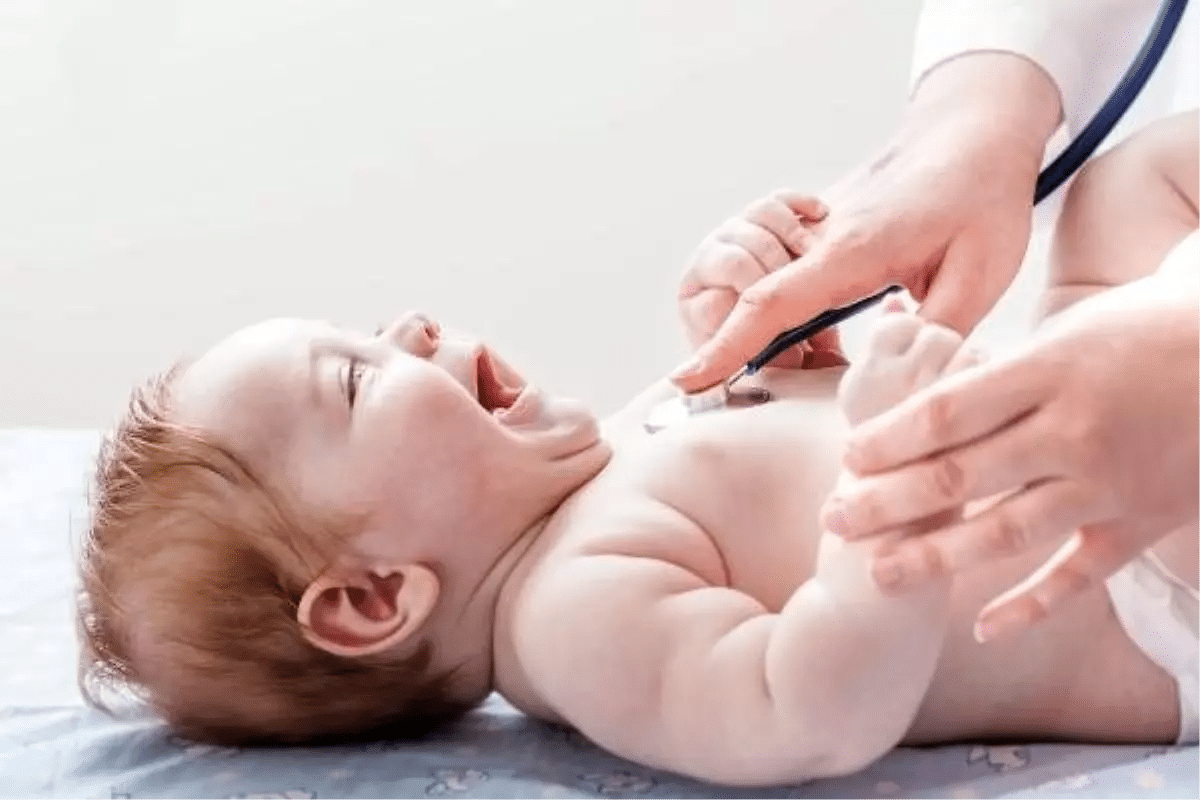 The 4-2-1 rule is key in pediatric care. It helps calculate fluid needs easily. Healthcare providers use it to manage fluid needs in kids well.
Understanding the 4-2-1 rule is important. Pediatric fluid management is critical for a child’s hydration and health. It keeps the balance in children, who are more prone to dehydration.
Definition of the 421 rule pediatrics
The 4-2-1 rule estimates daily fluid needs for kids based on their weight. It says for the first 10 kg, it’s 4 mL/kg/h. For 11-20 kg, it’s 2 mL/kg/h. And for over 20 kg, it’s 1 mL/kg/h. This makes it easy to figure out how much fluid kids need.
For example, a 15 kg child needs (10 kg x 4 mL/kg/h) + (5 kg x 2 mL/kg/h). That’s 40 mL/h + 10 mL/h = 50 mL/h. This helps doctors give the right amount of fluids to kids.
Importance of Pediatric Fluid Management
Good fluid management is key to prevent dehydration in kids. Dehydration can cause serious problems like low blood volume and electrolyte imbalances. It’s important to use the 4-2-1 rule right to keep kids healthy.
It helps kids recover from illnesses and grow well.
“Fluid therapy is a cornerstone of pediatric care, and its proper management can significantly impact patient outcomes.”
– Pediatric Care Guidelines
Breakdown of the 4-2-1 Rule
 The 4-2-1 rule serves as a widely accepted method for determining the fluid requirements for children. It’s based on the child’s weight. This rule helps doctors give the right amount of fluid.
Explanation of the Numbers
The 4-2-1 rule gives fluid amounts in milliliters per kilogram of weight per hour. For the first 10 kg, it’s 4 mL/kg/h. For 11-20 kg, it’s 2 mL/kg/h. And for more than 20 kg, it’s 1 mL/kg/h.
A leading pediatric guideline says,
“The 4-2-1 rule is a widely accepted and straightforward method for estimating fluid requirements in pediatric patients.”
Fluid Requirements by Age Group
The 4-2-1 rule changes as children grow because their weight and fluid needs change. Infants need more fluid because they have a high metabolic rate and a big surface area for their weight.
Here are some examples:
- For a 5 kg child, the fluid need is 4 mL/kg/h * 5 kg = 20 mL/h.
- For a 15 kg child, it’s (4 mL/kg/h * 10 kg) + (2 mL/kg/h * 5 kg) = 40 + 10 = 50 mL/h.
- For a 25 kg child, it’s (4 mL/kg/h * 10 kg) + (2 mL/kg/h * 10 kg) + (1 mL/kg/h * 5 kg) = 40 + 20 + 5 = 65 mL/h.
Application of the 4-2-1 Rule in Clinical Settings
Healthcare providers use the 4-2-1 rule to figure out how much fluid kids need. This helps them create treatment plans that are just right for each child. It’s key for kids to get the right amount of fluids to help them get better and stay healthy.
Assessing Pediatric Patients
When checking on kids, doctors look at how much fluid they need based on their weight and health. The 4-2-1 rule makes it easy to figure out how much fluid a child needs, based on their weight in kilograms.
For example, a 10 kg child would need 40 mL/h of fluid. This is because 4 mL/kg/h is needed for the first 10 kg.
Implementing the Rule in Treatment Plans
After figuring out how much fluid a child needs, doctors add this to their treatment plan. They make sure to give the right amount of fluids and watch how the child is doing.
Using the 4-2-1 rule well in treatment plans means looking at the child’s health and any special needs they might have. This helps make sure the treatment is just right for them.
A top pediatrician says, “The 4-2-1 rule is a great tool in taking care of kids, but it’s important to use it carefully. Every child is different, and their needs should be considered.” It’s important to keep an eye on how the treatment is working and make changes as needed.
|
Weight (kg) |
Fluid Requirement (mL/h) |
|---|---|
|
5 |
20 |
|
10 |
40 |
|
15 |
60 |
Disparities in Fluid Requirements
The 4-2-1 rule is a good start, but every child is different. We need to adjust fluid needs based on age, weight, and health. This ensures each child gets the right amount of fluids.
Influencing Factors in Different Age Groups
When we look at kids, we see how their fluid needs change with age. Babies need more fluids because their kidneys aren’t fully developed. As kids get older, their fluid needs adjust, and the 4-2-1 rule helps us figure out how much they need.
Several factors affect these differences, including:
- Metabolic rate: Kids burn energy faster than adults, which affects how much fluid they need.
- Body composition: The amount of water in a child’s body changes as they grow, impacting fluid needs.
- Environmental factors: Things like the weather, how active they are, and their surroundings also play a role.
Special Considerations for Preterm Infants
Preterm babies face special challenges when it comes to fluids. Their needs are different from those of full-term babies and older kids. We must carefully plan their fluid intake to prevent dehydration and support their growth.
Important things to consider for preterm babies include:
- Immature kidney function: Preterm babies can’t concentrate urine well, making fluid balance tricky.
- Higher evaporative losses: Their thin skin and large surface area to weight ratio mean they lose more water.
- Nutritional needs: Preterm babies need a lot of fluids to support their high nutritional needs for growth.
By understanding these differences and tailoring our approach, we can better manage fluids for kids. This helps improve their health and well-being.
Calculating Maintenance Fluids Using the Rule
Using the 4-2-1 rule is key for keeping kids hydrated. It’s a simple way to figure out how much fluid a child needs based on their weight.
Step-by-Step Calculation Methods
To use the 4-2-1 rule, just follow these steps:
- For the first 10 kg of body weight, the fluid requirement is 4 mL/kg/h.
- For the next 10 kg (from 11-20 kg), the requirement is 2 mL/kg/h.
- For every kilogram above 20 kg, the requirement is 1 mL/kg/h.
Let’s say a child weighs 25 kg. Here’s how to figure out their fluid needs:
- For the first 10 kg: 10 kg * 4 mL/kg/h = 40 mL/h
- For the next 10 kg: 10 kg * 2 mL/kg/h = 20 mL/h
- For the remaining 5 kg: 5 kg * 1 mL/kg/h = 5 mL/h
Total fluid requirement = 40 mL/h + 20 mL/h + 5 mL/h = 65 mL/h.
|
Weight (kg) |
Fluid Requirement (mL/h) |
|---|---|
|
5 |
20 |
|
15 |
40 + 10 = 50 |
|
25 |
40 + 20 + 5 = 65 |
Common Mistakes in Fluid Calculation
One big mistake is not changing the fluid rate when the child’s condition changes. Another error is ignoring the child’s overall health, like fever or temperature, which can change fluid needs.
To avoid these mistakes, healthcare providers should:
- Regularly check the patient’s fluid status.
- Change the fluid rate as needed based on clinical judgment.
By sticking to the 4-2-1 rule and watching out for common errors, healthcare providers can make sure kids get the right amount of fluid.
Monitoring Fluid Balance in Children
Keeping fluids balanced in children is very important. It’s key for their health and how they react to treatment. We watch their fluid balance closely to help them stay well.
Key Indicators of Fluid Status
We look at several important signs to check fluid balance. These signs include:
- Urine output: Making enough urine shows they are well-hydrated.
- Clinical signs: We check how fast their skin goes back to normal after pressing it. We also look at their tears and skin turgor.
- Vital signs: Watching their heart rate, blood pressure, and breathing rate helps us see if they are balanced.
- Laboratory tests: Tests like serum electrolytes and blood urea nitrogen give us more information about their fluid balance.
By watching these signs, we can spot any problems early. Then, we can change their treatment to help them better.
Techniques for Accurate Monitoring
We use both clinical checks and tools to monitor fluid balance. Here are some ways we do it:
- Regular clinical assessments: We check on them often to catch small changes in their fluid balance.
- Precise input/output measurement: We track how much fluid they take in and out. This helps us see if they are balanced.
- Diagnostic imaging: Sometimes, we use imaging like ultrasound to check their fluid balance and decide on treatment.
Using these methods, we make sure our young patients get the right amount of fluids. We tailor their care to meet their specific needs.
Adjusting Fluid Therapy for Special Cases
Pediatric fluid management isn’t a one-size-fits-all approach. Certain clinical conditions require adjustments to the standard 4-2-1 rule. We must consider these special cases to provide optimal care.
Conditions Requiring Altered Fluid Needs
Certain clinical conditions can significantly alter a pediatric patient’s fluid requirements. For instance, patients with heart failure may need fluid restriction to prevent overload. Those with diabetes insipidus may need increased fluids to compensate for excessive urine output.
Other conditions, such as nephrotic syndrome or severe burns, also demand tailored fluid management strategies. In these cases, the 4-2-1 rule serves as a starting point. Adjustments are made based on the patient’s clinical status and response to therapy.
Key Conditions Requiring Adjusted Fluid Therapy:
- Heart failure
- Diabetes insipidus
- Nephrotic syndrome
- Severe burns
Managing Dehydration and Overhydration
Dehydration and overhydration are two critical complications in pediatric fluid management. Dehydration occurs when fluid loss exceeds intake. Overhydration results from excessive fluid administration.
|
Condition |
Clinical Signs |
Management Strategy |
|---|---|---|
|
Dehydration |
Dry mucous membranes, decreased urine output, sunken eyes |
Administer oral rehydration solutions or IV fluids based on severity |
|
Overhydration |
Edema, weight gain, pulmonary congestion |
Restrict fluids, administer diuretics if necessary |
Accurate assessment and timely intervention are key in managing these conditions. We must closely monitor patients’ fluid status. Adjust therapy as needed to prevent complications.
The Role of Parents in Fluid Management
Teaching parents about their child’s fluid needs is key in pediatric care. Parents are vital in watching their child’s hydration and spotting dehydration signs. Knowing the 4-2-1 rule helps parents support their child’s health better.
Educating Parents on Hydration Needs
Talking to parents about their child’s hydration needs means explaining the 4-2-1 rule. This rule changes with age. We stress the need to base fluid needs on the child’s weight and age. Things like fever or hot weather can change these needs.
To help manage their child’s hydration, parents need to learn:
- Watch their child’s urine output and color
- Spot dehydration signs like dry mouth or fewer wet diapers
- Adjust fluids based on their child’s activity and the weather
Recognizing Signs of Dehydration
It’s important for parents to know the signs of dehydration. Look out for:
- Excessive thirst or dry lips
- Dark yellow or brown urine
- Dizziness or irritability
- Decreased urine output
If dehydration is suspected, parents should seek medical help right away. Quick action can prevent serious problems and help the child recover fast.
By teaching parents about fluid management and dehydration signs, we improve pediatric care. With this knowledge, parents can be more involved in their child’s health, ensuring top-notch care.
Challenges in Implementing the 4-2-1 Rule
The 4-2-1 rule is useful but faces many challenges in pediatric care. We look at these issues and how to solve them.
Variability in Patient Response
Pediatric patients vary greatly in their fluid needs. This depends on their age, weight, and health. For example, a study found that “children with certain medical conditions may need different fluid therapy” (Source: Pediatric Fluid Management Guidelines). We must think about these differences when using the 4-2-1 rule.
Barriers in Clinical Practice
There are several obstacles to using the 4-2-1 rule in practice. These include:
- Limited staff training on pediatric fluid management
- Inadequate resources for monitoring fluid balance
- Complexity in calculating fluid needs for patients with comorbidities
To overcome these barriers, we need a variety of solutions. This includes training healthcare providers, investing in monitoring tools, and creating easier ways to calculate fluid needs.
A pediatric expert once said,
“understanding the nuances of pediatric fluid management is key to good care.”
We stress the need for personalized fluid therapy approaches.
Alternatives to the 4-2-1 Rule
Pediatric fluid management is key, and there are many guidelines beyond the 4-2-1 rule. The 4-2-1 rule is common in pediatric care for fluid needs. But, other methods might better fit specific patient needs.
Every child is different, and their fluid needs change based on age, weight, and health. It’s important to know other guidelines that can help or replace the 4-2-1 rule in some cases.
Other Pediatric Fluid Guidelines
There are many other ways to figure out pediatric fluid needs. These include:
- Body Weight Method: This method uses the child’s weight to calculate fluid needs, often with other tools.
- Body Surface Area Method: This method uses the child’s body surface area to estimate fluid needs, useful in some cases.
- Clinical Assessment Guidelines: These guidelines focus on clinical signs of dehydration and overall judgment to decide fluid needs.
These alternatives give healthcare providers more options for fluid therapy, leading to more personalized care.
When to Use Alternative Approaches
There are times when other methods are better than the 4-2-1 rule. For example:
- Preterm Infants: Preterm babies have unique fluid needs due to their kidney issues and high water loss, needing special fluid plans.
- Children with Complex Medical Conditions: Kids with heart problems, kidney failure, or other serious conditions might need fluid plans that differ from the 4-2-1 rule.
- Dehydration or Overhydration: When a child is too dry or too wet, fluid management must adjust based on their health, sometimes using different methods.
By using these alternative guidelines, healthcare providers can give more tailored and effective fluid management to their pediatric patients.
Research and Evidence Supporting the 4-2-1 Rule
The 4-2-1 rule in pediatric fluid therapy is backed by growing evidence. It’s a key part of caring for kids and has been studied a lot. This research shows it works well in different situations.
Key Studies and Clinical Trials
Many studies have looked into the 4-2-1 rule for kids’ fluid needs. A major study found it accurately helps with fluid needs in surgery. Other trials show it lowers dehydration and overhydration risks in kids. It’s also important to adjust fluid therapy based on a child’s age, weight, and health.
New trials have also backed the 4-2-1 rule. They compared it with other methods and found it’s effective and simple to use. This makes it a top choice for pediatric care providers.
Updates in Pediatric Fluid Therapy Research
Pediatric fluid therapy research keeps growing, aiming to improve the 4-2-1 rule. New studies look at how new tech and fluids affect care. For example, research on micro-drip chambers and advanced monitoring is promising.
It’s key to keep up with new research on the 4-2-1 rule. Ongoing trials and studies are making it better and more relevant. By using the latest findings, healthcare can better care for kids, leading to better results.
Conclusion: Optimizing Pediatric Care with the 4-2-1 Rule
As we wrap up our look at the 4-2-1 rule in pediatric care, it’s clear it’s a key part of managing fluids in kids. This rule helps doctors figure out how much fluid a child needs. It’s vital for keeping kids hydrated and avoiding dehydration problems.
Key Takeaways
The 4-2-1 rule makes it easy to know how much fluid a child needs based on their weight. It’s a must-know for doctors to give kids the right amount of fluid. This rule is a big deal in making sure kids get the best care.
Future Directions
Research is always looking to improve how we manage fluids in kids. As new studies come out, the 4-2-1 rule might change to include the latest info. We’re excited to see how these updates will help doctors give even better care to kids.
FAQ
What is the 4-2-1 rule in pediatric care?
The 4-2-1 rule helps doctors figure out how much fluid kids need. It’s based on their weight to keep them hydrated.
How do you calculate pediatric fluid requirements using the 4-2-1 rule?
First, you use 4 mL/kg/h for the first 10 kg of weight. Then, 2 mL/kg/h for the next 10 kg. After that, 1 mL/kg/h for each kilogram.
Why is the 4-2-1 rule important in pediatric care?
It’s key because it helps doctors know how much fluid kids need. This prevents dehydration and keeps them healthy.
How does the 4-2-1 rule apply to preterm infants?
Preterm babies need special care because their bodies are not fully developed. Doctors must adjust their fluid therapy carefully.
What are the common mistakes in fluid calculation using the 4-2-1 rule?
Mistakes include wrong weight measurements and miscalculating fluid rates. Also, not adjusting for each patient’s needs.
How can parents be educated on their child’s hydration needs?
Doctors can teach parents about the importance of hydration. They can also explain dehydration signs and how to check if their child is getting enough fluids.
What are the signs of dehydration in children?
Dehydration signs include dry mouth and fewer wet diapers. Also, sunken eyes, lethargy, and in serious cases, fast heartbeat and breathing.
Are there alternative guidelines to the 4-2-1 rule for pediatric fluid management?
Yes, there are other guidelines. The choice depends on the patient’s condition and what the healthcare team prefers.
How is fluid balance monitored in pediatric patients?
Doctors check fluid balance through vital signs and urine output. They also use diagnostic tools to see if the patient is hydrated.
What are the challenges in implementing the 4-2-1 rule in clinical practice?
Challenges include how patients react differently and the complexity of some cases. Also, limited resources or training can be barriers.
How does the 4-2-1 rule need to be adjusted for special cases like dehydration or overhydration?
For dehydration or overhydration, the rule needs adjusting. Doctors must monitor and adjust fluid therapy closely.
References
National Center for Biotechnology Information. Evidence-Based Medical Insight. Retrieved from https://pubmed.ncbi.nlm.nih.gov/13426609/