
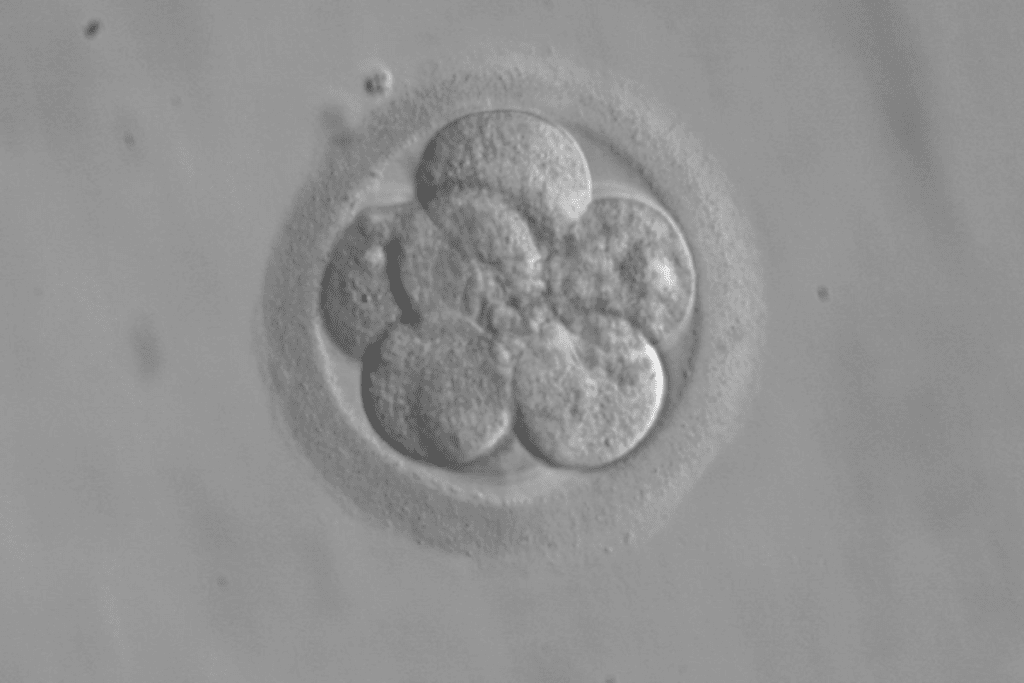
Understanding embryo grading and its link to IVF success rates is key for those going through fertility treatments. Detailed guide to the 4aa euploid embryo success rate and what the grading means for your transfer outcome.
At Liv Hospital, we use a set grading system to check embryo quality. This helps both patients and doctors make better choices about embryo selection and how to transfer them.
A 4AA euploid embryo is of top quality. It has great expansion and the best inner cell mass and trophectoderm quality. This leads to IVF success rates of 63-65%.
Key Takeaways
- Embryo grading is a key part of IVF treatment, showing how likely an embryo will implant.
- A 4AA euploid embryo is considered of very high quality.
- Knowing about embryo grading helps patients make smart choices.
- IVF success rates greatly depend on embryo quality.
- Liv Hospital offers top-notch medical care in reproductive medicine.
The Science Behind Embryo Grading in Modern IVF

In modern IVF, embryo grading is key for checking embryo health. It helps us pick the best embryos for transfer. This increases the chance of a successful pregnancy.
Why Embryo Quality Assessment Matters
Checking embryo quality is very important. It affects IVF success rates. By looking at cell number, symmetry, and fragmentation, we can judge an embryo’s quality. This helps us choose the best embryo for transfer, boosting pregnancy chances.
Embryo quality is a big factor in its ability to implant and grow into a healthy baby. High-quality embryos are more likely to lead to a successful pregnancy. So, precise embryo grading is vital in IVF.
Evolution of Grading Standards in Reproductive Medicine
Grading standards for embryos have changed a lot over time. At first, they were simple, focusing on a few traits. But, with new advances in reproductive medicine, we now have more detailed grading systems.
The Gardner scoring system is a common way to check blastocyst-stage embryos. It looks at blastocoel expansion, inner cell mass quality, and trophectoderm quality. These updates in grading have made predicting embryo viability more accurate, leading to better IVF results.
As we keep improving in reproductive medicine, refining embryo grading is key. By better understanding embryo quality, we can make IVF even more successful. This will help more people achieve their fertility goals.
Decoding the Blastocyst Grading System

Understanding the blastocyst grading system is key to knowing if IVF treatments might work. The Gardner scoring system is used a lot in reproductive medicine. It grades blastocysts based on three main things: how much they’ve expanded, the quality of the inner cell mass (ICM), and the quality of the trophectoderm.
Expansion Grades: Understanding the 1-6 Scale
The expansion grade looks at how much the blastocyst has grown. It’s scored from 1 to 6. A higher score means the blastocyst is more developed. Here’s what each grade means:
- Grade 1: The blastocyst cavity is less than half the volume of the embryo.
- Grade 2: The blastocyst cavity is at least half the volume of the embryo or fully expanded.
- Grade 3: The blastocyst is fully expanded, and the cavity completely fills the embryo.
- Grade 4: The blastocyst is expanded, with the cavity larger than the original embryo volume.
- Grade 5: The blastocyst is fully hatched from the zona pellucida.
- Grade 6: The blastocyst is completely hatched and expanded.
Inner Cell Mass Grading: A to C Classification
The inner cell mass (ICM) is very important for the growth of the fetus. ICM grading looks at the number and how the cells are arranged:
- Grade A: Many tightly packed cells.
- Grade B: Several cells, loosely grouped.
- Grade C: Few cells, sparse or loose arrangement.
A higher ICM grade means better embryo quality and a higher chance of successful implantation.
Trophectoderm Grading and Its Significance
The trophectoderm is important for making placental tissues and for implantation. Trophectoderm grading looks at the number and how uniform the cells are:
- Grade A: Many cells, forming a cohesive epithelial layer.
- Grade B: Few cells, loose arrangement.
- Grade C: Few or very few cells, very loose or sparse arrangement.
Good quality trophectoderm means a better chance of implantation and a successful pregnancy.
| Grade | Expansion | ICM Quality | Trophectoderm Quality |
|---|---|---|---|
| 4AA | Expanded | Many tightly packed cells | Many cells, cohesive layer |
| 3BB | Fully expanded | Several cells, loose | Few cells, loose |
| 5AC | Expanded, larger than original volume | Many tightly packed cells | Few cells, very loose |
By understanding the blastocyst grading system, doctors can better judge embryo quality. This helps them decide which embryos to transfer. It can improve the chances of a successful IVF outcome.
What Makes a 4AA Euploid Embryo Special
The 4AA euploid embryo is a top choice in IVF treatments. It shows excellent growth and quality in both inner cell mass and trophectoderm. This makes it a key factor for IVF success.
Defining the 4AA Classification
A 4AA euploid embryo is graded based on its growth, inner cell mass, and trophectoderm quality. The ‘4’ means it’s a fully expanded blastocyst. The ‘A’s show top-notch inner cell mass and trophectoderm. This helps find embryos with the best chance of implantation and pregnancy.
Key characteristics of a 4AA euploid embryo include:
- Expansion level 4, indicating a fully expanded blastocyst
- Grade A inner cell mass, signifying a tightly packed, cohesive layer of cells
- Grade A trophectoderm, representing a high-quality epithelial layer surrounding the blastocyst
The Importance of Expansion Level 4
Expansion level 4 is key because it shows the blastocyst has fully grown. This growth is linked to better implantation chances. It means the embryo is ready to start implanting.
Studies show 4AA and 5AA embryos have pregnancy success rates of 63-65% for single transfers. Here’s a table comparing success rates of different embryo grades:
| Embryo Grade | Success Rate (%) |
|---|---|
| 4AA | 63-65 |
| 5AA | 63-65 |
| Other Grades | Varying success rates |
While a 4AA euploid embryo has a high success rate, results can vary. This depends on many factors like patient health and clinic practices. Knowing about the grading system helps patients make better choices for their IVF journey.
Understanding Embryo Euploidy and Genetic Testing
The chromosomal normality of an embryo, known as euploidy, is key in IVF success. Euploidy means the embryo has the right number of chromosomes. This is vital for its growth and ability to implant.
PGT-A Testing Explained
Preimplantation Genetic Testing for Aneuploidy (PGT-A) checks if embryos are chromosomally normal. It involves taking a few cells from the embryo. Then, it analyzes their genetic material to see if they have the right number of chromosomes.
PGT-A testing is important because it finds euploid embryos. These embryos have a better chance of implanting and leading to pregnancy. By choosing these embryos for transfer, IVF patients can boost their success rates.
How Euploidy Affects Implantation
Euploidy is a big factor in an embryo’s ability to implant. Embryos with the wrong number of chromosomes (aneuploid) often don’t implant or cause miscarriages. On the other hand, euploid embryos are more likely to implant and grow into healthy pregnancies.
Using PGT-A testing lets fertility experts pick the best embryos. This is very helpful for those who have had miscarriages or failed IVF cycles. It helps them make better choices about which embryos to use.
Understanding embryo euploidy and using genetic tests like PGT-A can greatly improve IVF success. This knowledge helps both patients and fertility specialists make better choices. It leads to better results in assisted reproduction.
4AA Euploid Embryo Success Rate: A Detailed Look
Knowing the success rates of 4AA euploid embryos is key for both IVF patients and doctors. These embryos are top-notch, with their genetic health making them the best choice for transfer.
Studies show that 4AA euploid embryos lead to high pregnancy and live birth rates. They have pregnancy success rates between 63-65% and live birth rates around 50%. This highlights their strong role in IVF success.
Clinical Pregnancy Rates for 4AA Embryos
Clinical pregnancy rates are a key indicator of IVF success. For 4AA euploid embryos, these rates are very promising. Clinical pregnancy rates for 4AA embryos range from 63% to 65%, showing a strong chance of successful implantation and pregnancy.
Several factors contribute to these high rates. These include the embryo’s growth, inner cell mass quality, and trophectoderm grade. Together, these factors make a 4AA euploid embryo ideal for implantation and pregnancy.
Live Birth Outcomes with 4AA Euploid Embryos
Live birth rates are the ultimate goal of IVF. For 4AA euploid embryos, these rates are significantly higher than lower-grade embryos. Studies indicate that 4AA euploid embryos achieve live birth rates around 50%, giving patients a realistic hope for success in IVF treatment.
| Embryo Grade | Clinical Pregnancy Rate | Live Birth Rate |
|---|---|---|
| 4AA Euploid | 63-65% | 50% |
| Other Top-Grade Euploid | 55-62% | 45-48% |
| Lower-Grade Euploid | 40-54% | 30-44% |
The table above shows the success rates of 4AA euploid embryos compared to other grades. This information is critical for both patients and doctors when deciding on embryo transfer.
Comparing Success Across Top-Grade Embryos
Understanding the differences in top-grade embryos is key to IVF success. The grade of an embryo greatly affects the chance of a successful pregnancy. We will look at the success rates of 5AA, 4AA, and 6AA embryos to see which is best.
5AA vs. 4AA vs. 6AA: Which Performs Best?
Embryos are graded based on their shape and health. The top grades, like 5AA, 4AA, and 6AA, have the best chance of implanting. Studies show that embryos with higher grades and better inner cell mass and trophectoderm quality have higher success rates.
A study compared 5AA, 4AA, and 6AA embryos. It found that 5AA embryos have slightly higher pregnancy rates than 4AA embryos. But, the difference is small, and both are very successful.
“The key to success lies not just in the grade of the embryo, but in the overall health and receptivity of the uterus.”
This shows that many factors affect IVF success, not just the embryo’s grade.
Success Patterns in AA, AB, BA, and BB Embryos
The quality of the inner cell mass and trophectoderm also matters a lot. AA, AB, BA, and BB embryos have different success rates. AA embryos, with the best ICM and TE, have the highest success rates, followed by AB and BA embryos.
Research shows that embryos with at least one high-quality parameter (either ICM or TE) tend to have better outcomes than those with lower quality parameters. For example, AB embryos, with good ICM but not TE, may have lower success rates than AA embryos.
Knowing these patterns helps doctors and patients choose the best embryo for transfer. By comparing success rates, we can improve IVF outcomes and increase the chances of a successful pregnancy.
Grade B and C Embryo Success Rates
Knowing the success rates of grade B and C embryos is key for IVF patients. Grade A embryos are often the first choice, but B and C can also lead to success. We’ll look into what these grades mean for patients.
Realistic Expectations for Grade B Embryos
Grade B embryos have a good chance of leading to a successful pregnancy. Their success rate is lower than grade A, but many factors can change this. These include the patient’s age, health, and the quality of the IVF process.
Key factors influencing grade B embryo success rates include:
- The quality of the inner cell mass and trophectoderm
- The patient’s age and reproductive health
- The expertise of the IVF clinic and embryologist
| Embryo Grade | Success Rate Range | Influencing Factors |
|---|---|---|
| Grade B | 30-50% | Patient age, ICM quality, TE quality |
| Grade C | 10-30% | Patient health, embryo development day |
When Grade C Embryos May Be Viable Options
Grade C embryos have a lower success rate than A and B. Yet, they might be considered in some cases. This is usually when there are few embryo options or other factors suggest a chance of success.
The decision to transfer a grade C embryo should be made after careful consideration and consultation with a fertility specialist.
Understanding the success rates of different embryo grades helps patients make better choices for IVF. While B and C embryos may not have the same success rates as A, they can offer chances for a successful pregnancy.
The Critical Impact of Blastocyst Development Day
The day a blastocyst develops can greatly affect its chances of success in IVF. This day is key in deciding if an embryo transfer will work.
Timing of blastocyst formation is very important for IVF success. The day a blastocyst forms is linked to its quality and how well it can implant.
Day 5 Blastocyst Success Advantages
Day 5 blastocysts often have better outcomes than those that develop later. They have several advantages:
- Higher Implantation Rate: Day 5 blastocysts have a higher chance of implanting because they are more developed.
- Better Synchronization: The uterus is more ready for day 5 blastocysts, which helps them implant better.
- Improved Euploidy Rates: Studies show day 5 blastocysts have higher chances of being genetically normal.
These benefits lead to higher success rates for day 5 blastocyst transfers.
Day 6 and Day 7 Blastocysts: Adjusted Expectations
Day 6 and 7 blastocysts can also be good options, but we need to adjust our expectations.
Day 6 blastocysts have:
- Comparable Euploidy Rates: They can have similar genetic quality to day 5 blastocysts, but might implant less often.
- Successful Outcomes: Many pregnancies have been achieved with day 6 blastocysts, even more so if they are genetically normal.
For day 7 blastocysts, there’s less data, but they can be considered for transfer if they are genetically normal and of high quality.
It’s important to understand the role of blastocyst development day in making decisions for embryo transfer. By looking at development day, euploidy, and quality, we can improve IVF success rates.
Inner Cell Mass Quality: The Foundation of Fetal Development
Understanding the quality of the inner cell mass is key to knowing if an embryo will work in IVF. The inner cell mass (ICM) is a group of cells in the blastocyst that will become the fetus. Its quality is very important for a successful pregnancy.
Grade A vs. B vs. C Inner Cell Mass Characteristics
The inner cell mass is graded based on how many cells there are and how they stick together. The grading system usually has three levels: A, B, and C.
- Grade A: Many tightly packed cells, indicating high-quality ICM.
- Grade B: Several cells, loosely grouped, representing moderate ICM quality.
- Grade C: Few cells, sparse or loose, signifying poor ICM quality.
A high-quality ICM (Grade A) means better embryo development and a higher chance of successful implantation.
How ICM Quality Influences Pregnancy Outcomes
The quality of the inner cell mass directly affects pregnancy outcomes. Studies show that embryos with higher ICM grades have better implantation rates and a higher chance of a live birth.
Key factors influenced by ICM quality include:
- Implantation ability
- Fetal growth
- Pregnancy success rates
By checking the ICM quality, embryologists can give more accurate info about an embryo’s viability. This helps couples make better choices for their IVF journey.
Trophectoderm Quality and Successful Implantation
The quality of the trophectoderm is key to IVF success. This outer layer of the blastocyst is vital for implantation and placenta development.
Identifying Optimal Trophectoderm Morphology
Good trophectoderm has many cells that stick together well. The grading system checks these cells, with A being the best. A high-quality trophectoderm is essential for successful implantation, as it helps the embryo attach to the uterine lining.
Embryologists look for:
- A sufficient number of cells
- Cohesive cell arrangement
- Minimal or no fragmentation
The Trophectoderm’s Role in Placenta Formation
The trophectoderm is key for implantation and placenta formation. A well-developed trophectoderm ensures proper placenta formation, vital for fetal development.
| Trophectoderm Grade | Characteristics | Implantation Potentia |
|---|---|---|
| A | Many cells, cohesive | High |
| B | Fewer cells, less cohesive | Moderate |
| C | Few cells, loose arrangement | Low |
In conclusion, the quality of the trophectoderm is a significant predictor of successful implantation and subsequent placenta formation. By identifying optimal trophectoderm morphology, we can better assess the IVF outcomes.
Embryo Grading and Gender Correlation: What We Know
Understanding how embryo grading relates to gender can help IVF patients. Recent studies have looked into this connection. They offer insights into reproductive medicine’s complexities.
Research on Embryo Quality and Gender Distribution
Research has explored if embryo quality affects gender. Some studies suggest that certain grades might be linked to higher male or female likelihoods. But, the evidence is not solid yet.
A study in a top reproductive medicine journal found a link. Higher-grade embryos might have a different gender mix than lower-grade ones. Yet, it’s key to remember these findings aren’t universal. More research is needed.
“While there’s evidence suggesting a possible link between embryo grading and gender, it’s essential to approach this topic with caution and recognize that IVF success is influenced by multiple factors.”
4AB, 5AB and Other Grades: Boy or Girl Tendencies
Grades like 4AB or 5AB have been studied for gender tendencies. Some research suggests that 4AB or 5AB embryos might lean more towards being male. But, these results are not consistent.
A study looked at gender distribution in embryos with different grades. It found that some morphological features were linked to one gender more than the other. But, the differences were small, and the study sizes were small too.
It’s also important to note that 5AB embryos have a high success rate. The success rate of a 5AB embryo is among the highest in IVF. This makes the gender correlation interesting but secondary.
In conclusion, while there’s some evidence of a link between embryo grading and gender, the research is not clear. Patients should be aware of these findings. But, they should also know that IVF success depends on many factors.
Conclusion: Making Informed Decisions About Embryo Selection
It’s important to understand embryo grading, euploidy, and other factors that affect IVF success. This knowledge helps both patients and doctors make better choices about embryo selection. It can lead to a more successful IVF outcome.
Choosing the right embryo is key in IVF. Knowing about embryo grading and euploidy helps us make better decisions. This way, we can tailor our approach to each person’s needs.
Using advanced genetic testing and expert grading, we can pick the best embryos. This approach boosts the chances of a successful IVF cycle. It lets patients be more involved in their fertility journey, working with their doctors for the best results.
FAQ
What is embryo grading, and why is it important in IVF treatment?
Embryo grading is key in IVF. It lets experts check embryo quality and guess how well it might implant. This is vital for IVF success, affecting the chance of getting pregnant.
What is the Gardner scoring system, and how is it used to assess blastocyst-stage embryos?
The Gardner scoring system is used for blastocyst-stage embryos. It looks at how well the embryo has grown, the quality of its inner cells, and its outer layer. This helps experts judge the embryo’s quality and chances of success in IVF.
What makes a 4AA euploid embryo special, and what are its success rates?
A 4AA euploid embryo is special because it has grown well and has high-quality cells. This makes it a top choice for IVF success. Success rates for these embryos are high, with good pregnancy and birth rates.
How does embryo euploidy affect implantation, and what is the role of PGT-A testing?
Euploid embryos have a better chance of implanting and getting pregnant. PGT-A testing finds these embryos, which are chromosomally normal. This reduces the risk of pregnancy failure and miscarriage.
What are the success rates associated with different embryo classifications, such as 5AA, 4AA, and 6AA?
Success rates vary with embryo grades. Top grades like 5AA, 4AA, and 6AA have higher success rates. Knowing these rates helps improve IVF outcomes.
What are the success rates associated with grade B and C embryos?
Grade A embryos are preferred, but B and C embryos can also work for IVF. It’s important to understand their viability for making informed decisions.
How does blastocyst development day impact IVF success rates?
The day an embryo develops into a blastocyst affects success rates. Day 5 embryos have an edge over day 6 and 7 ones. Knowing this helps in choosing the best transfer day.
What is the significance of inner cell mass quality, and how does it influence pregnancy outcomes?
Inner cell mass quality is key for fetal growth and successful pregnancy. High-quality inner cells lead to better outcomes, while poor quality can cause implantation failure or miscarriage.
How does trophectoderm quality impact successful implantation and placenta formation?
Trophectoderm quality is critical for implantation and placenta formation. High-quality trophectoderm is essential for successful implantation and healthy placenta development.
Is there a correlation between embryo grading and gender?
Research on embryo grading and gender is ongoing. Some studies hint at possible links, but more research is needed to confirm these findings.
What is the 4AA embryo success rate compared to other top-grade embryos?
The 4AA embryo success rate is high, with favorable pregnancy and birth rates. Success rates vary among embryo grades, influenced by several factors.
What is the expanded blastocyst success rate?
Expanded blastocysts have a high success rate. They are considered high-quality and have a good chance of successful implantation and pregnancy.
How does the day 3 embryo grading affect IVF success rates?
Day 3 grading gives insights into embryo quality but has less impact on success rates. Blastocyst-stage grading is more predictive of IVF success.
What is the success rate of a 6aa embryo?
The success rate of a 6aa embryo is high. It is considered a top-grade embryo with excellent growth and quality cells.
What is the success rate of a grade C embryo?
Grade C embryos have lower success rates than A and B ones. Yet, they can be viable options. Success rates vary based on several factors.
References
National Center for Biotechnology Information. 4AA Euploid Embryo Grading: IVF Success Rate Prediction. Retrieved from https://www.ncbi.nlm.nih.gov/pmc/articles/PMC10936908/



 Departments
 Related Videos
 Our Doctors
 News
News