
Bilateral otitis media is a serious infection that affects both ears at the same time. It’s a big concern for kids’ health. We’ll look into what causes it, its symptoms, and how to treat it. The National Center for Biotechnology Information says knowing how to diagnose and treat it is key.
Ear infections usually get better on their own. But, doctors might start by helping with pain and watching the infection, as the Medical organization advises. We’ll talk about why acting fast is important and the risks of not treating it.
Key Takeaways
- Bilateral otitis media is a big deal for kids’ health and needs careful handling.
- It’s important to understand its causes, symptoms, and treatments for good care.
- Doctors usually diagnose it by listening to the patient’s history and doing an ear exam.
- The goal of treatment is to ease pain and get rid of the infection.
- Preventing it includes getting vaccinated against pneumococcal and flu diseases.
Understanding Bilateral Otitis Media and Its Significance
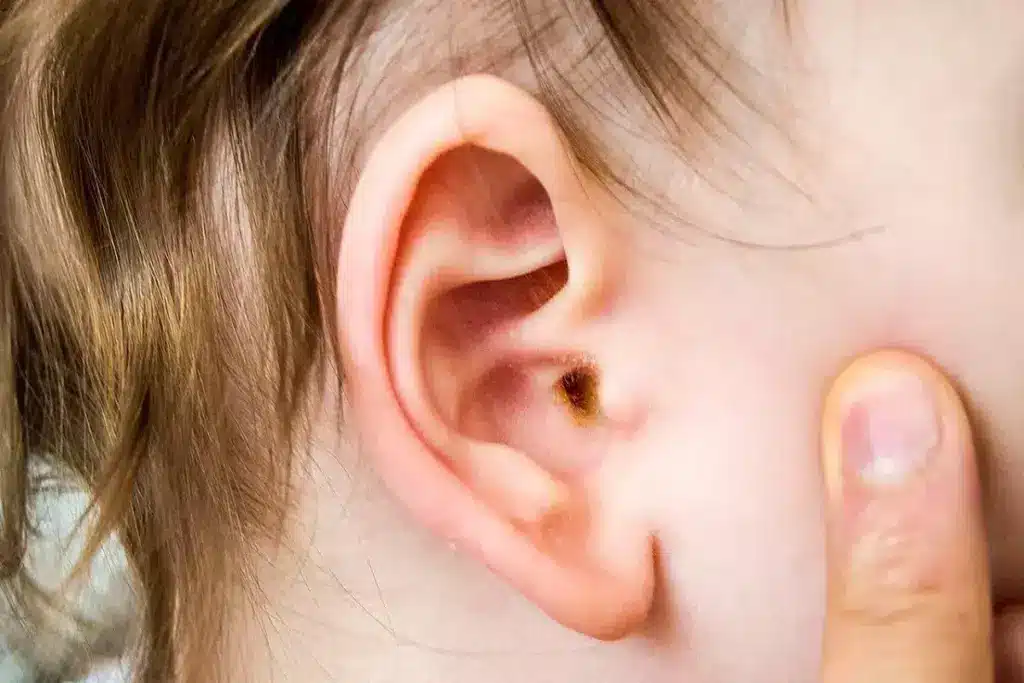
It’s important to understand bilateral otitis media to diagnose and treat it effectively. This condition affects both ears and can lead to serious complications if not treated right.
Definition and Characteristics of Middle Ear Infections
Acute otitis media (AOM) is an infection in the middle ear that happens suddenly. It causes fluid and mucus to get trapped, leading to swelling, redness, pain, and fever. Otitis media includes different types, like otitis media with effusion (OME) and AOM.
Common symptoms of middle ear infections are ear pain, fever, and hearing loss. These symptoms can vary, but they often include pain, fever, and trouble hearing.
Key Characteristics of Otitis Media:
| Type | Symptoms | Duration |
| Acute Otitis Media (AOM) | Ear pain, fever, hearing loss | Less than 3 weeks |
| Otitis Media with Effusion (OME) | Hearing loss, sometimes no symptoms | More than 3 months |
Why Bilateral Cases Require Special Attention
Bilateral otitis media needs extra care because it can harm hearing and speech in young children. When both ears are affected, the risk of hearing loss and developmental delays goes up. So, quick diagnosis and treatment are key to avoid these problems.
We know that managing bilateral otitis media is critical to prevent long-term issues. By understanding its definition, characteristics, and importance, we can improve how we diagnose and treat it. This helps us get better results for our patients.
The 5 Essential Facts About Bilateral Otitis Media
Knowing about bilateral otitis media is key to treating it well. It’s a common ear problem in kids that can affect their hearing and life quality.
Fact 1: Second Most Common Childhood Disease
Otitis media is a big problem in kids, second only to colds. It’s the top reason kids see doctors. So, it’s important to know how to handle it.
Fact 2: Affects Children Under 3 Years Most Frequently
Kids under 3 are hit hard by bilateral otitis media. Their ears and immune systems are not fully grown, making them more prone to infections.
Fact 3: Immature Eustachian Tube Structure as Primary Cause
The main reason for bilateral otitis media is the young Eustachian tube. This tube is key for ear pressure and draining mucus. Kids’ tubes are not ready for this job, leading to infections.
Eustachian tube problems can cause serous otitis media, where fluid builds up in the ear. This is different from suppurative otitis media, which has pus and is a bacterial infection.
Fact 4: 82% of Cases Resolve Without Antibiotics
Studies show that 82% of middle ear infections clear up on their own. AOM, or acute otitis media, is what doctors call these infections. They often start with strong antibiotics, unless there’s a risk of antibiotic resistance.
- This shows we should be careful with antibiotics.
- It’s important to know the difference between suppurative and nonsuppurative otitis media for the right treatment.
- The SOM medical term means serous otitis media, showing the need for accurate diagnosis.
By grasping these key facts, doctors and parents can better manage bilateral otitis media. This helps avoid serious problems and improves kids’ health.
Recognizing and Managing Middle Ear Infections
Knowing how to manage bilateral otitis media starts with spotting its symptoms. We’ll look at the signs that show a middle ear infection. We’ll also talk about how to handle this condition well.
Common Symptoms to Watch For
Middle ear infections show clear signs that can be different in each person. You might feel ear pain, fever, or hearing loss. Babies might just seem upset or have trouble eating.
The Medical organization says these symptoms can come on fast. They include ear pain, pulling at an ear, trouble sleeping, and fever.
Knowing these signs is key to getting help early. This can stop problems and make things better.
Treatment Options and Best Practices
Handling bilateral otitis media means managing pain and sometimes using antibiotics. Doctors decide on antibiotics based on how bad the infection is and the patient’s health. For more on ear infections, check out ear infection page.
Here’s a table showing common treatments:
| Treatment Approach | Description | Applicability |
| Pain Management | Using over-the-counter pain relievers to alleviate ear pain | Commonly used for all patients |
| Antibiotic Treatment | Prescribing antibiotics to combat bacterial infections | Used based on severity and patient health |
| Watchful Waiting | Monitoring symptoms without immediate antibiotic treatment | Applicable for mild cases |
In summary, knowing the symptoms of bilateral otitis media and the treatments is key. By understanding these, caregivers can give the right care on time.
Conclusion: Prevention and Long-Term Management
Knowing about bilateral otitis media, or middle ear infection, is key to good care. Studies show that over 82 percent of middle ear infections clear up without antibiotics. But, for babies under 24 months, antibiotics can help more than they harm.
To stop future infections, teach kids to wash their hands often and well. Also, avoid secondhand smoke and encourage breastfeeding. These steps can greatly lower the chance of otitis media, as shown by trusted sources like otitis media wikiem.
For long-term care, keep an eye on symptoms and change treatments if needed. By understanding the condition and its treatments, we can offer the best care for those with bilateral otitis media.
FAQ
What is bilateral otitis media?
What are the common symptoms of bilateral otitis media?
What causes bilateral otitis media?
How is bilateral otitis media treated?
What is the difference between suppurative and serous otitis media?
Can bilateral otitis media be prevented?
What is the role of antibiotics in treating bilateral otitis media?
How is bilateral otitis media diagnosed?
What is the significance of understanding bilateral otitis media?
References
National Center for Biotechnology Information. Evidence-Based Medical Insight. Retrieved from https://www.ncbi.nlm.nih.gov/pmc/articles/PMC3919847/