
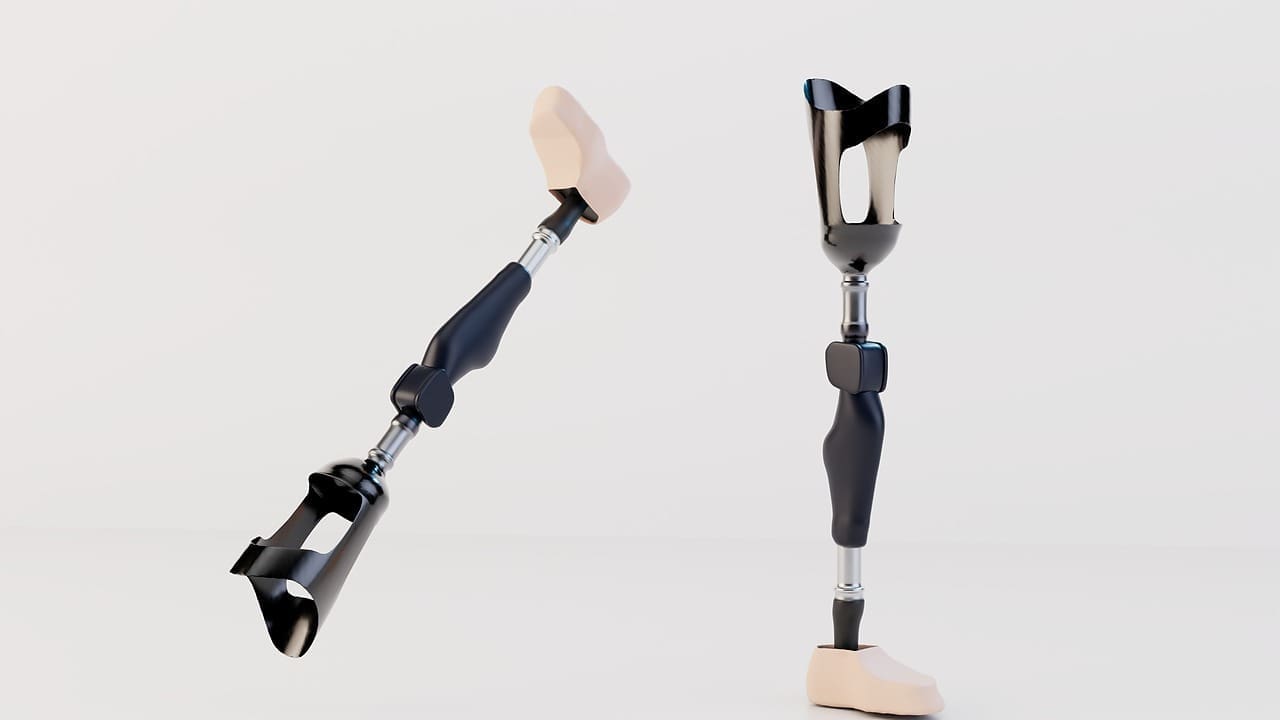
Modern hip replacement surgery uses advanced materials and parts to help patients move better and feel less pain. At Liv Hospital, we use the latest technology to give our patients the best care.
The hip prosthesis is made to work like the natural ball-and-socket of the hip joint. It’s designed to last and work well. The key parts are the stem, ball, cup, and liner. They’re made from titanium, cobalt-chromium, ceramics, and polyethylene.
Medical technology has gotten much better, making hip replacement surgeries more successful. We focus on giving our patients the right info and care they need. This way, they get the best results possible.
Key Takeaways
- Modern hip prostheses are made from a combination of metals, ceramics, and polymers.
- The main components of a hip prosthesis include the stem, ball, cup, and liner.
- Materials used include titanium, cobalt-chromium, ceramics, and polyethylene.
- Advances in medical technology have improved the durability and effectiveness of hip replacements.
- Liv Hospital is dedicated to providing world-class care for international patients.
The Anatomy and Function of Hip Replacement Systems
Hip replacement systems are made to work like the real hip joint. They help patients all over the world. To make these systems work, we need to know how the real hip joint works and how to make prosthetics that mimic it.
How Natural Hip Joints Work
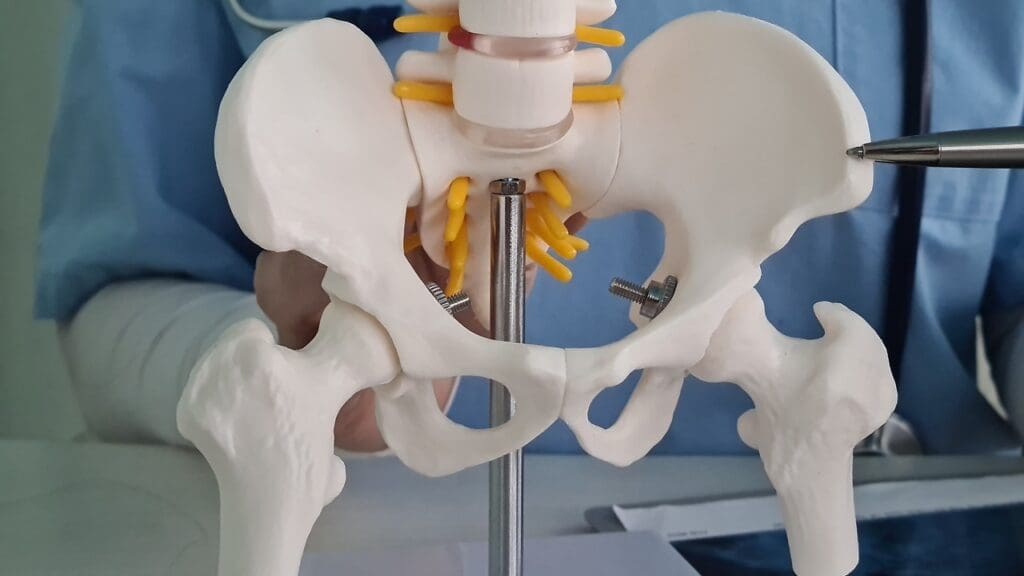
The hip joint is a ball-and-socket joint. The ball is the femoral head, and the socket is the acetabulum of the pelvis. This design lets the hip move in many ways while supporting our weight. The joint has a capsule and is supported by ligaments and muscles for stability and movement.
The articular cartilage on the femoral head and acetabulum reduces friction and absorbs shock. This makes movement smooth. But, conditions like osteoarthritis can damage this cartilage, causing pain and less mobility.
Simulating Ball-and-Socket Mechanics with Prosthetics
Hip replacement systems try to copy the natural ball-and-socket mechanics. They use prosthetic parts like the femoral stem, ball (femoral head), acetabular cup, and liner. These parts work together to help the hip move naturally and reduce pain.
The femoral stem goes into the femur, giving a stable base for the femoral head. The acetabular cup goes into the pelvis and holds the liner. The liner moves with the femoral head. Materials like titanium alloys and ceramics are used because they are strong and safe for the body.
Hip replacement systems can greatly improve life for those with hip damage or disease. The right hip replacement materials and design of hip prosthesis parts are key to the success of total hip arthroplasty surgeries.
What Are Hip Prosthesis Made Of: The Essential Materials
Hip prosthesis materials have changed a lot. They now use metals, ceramics, and polymers. This is because they need to last long and be comfortable for patients.
The Evolution of Hip Replacement Materials
Materials for hip prostheses have changed a lot over time. At first, they were not very good. Now, thanks to science, we have better materials like strong metals, hard ceramics, and durable polymers.
Today, we use materials that are better for the body. For example, titanium alloys are strong and light. Ceramic components are hard and don’t wear down easily.
Key Material Requirements for Successful Implants
For a hip prosthesis to work well, it needs to meet certain criteria:
- Biocompatibility: The materials must be safe for the body.
- Durability: They must last a long time under stress.
- Wear Resistance: They should not wear down too much.
- Corrosion Resistance: They must not corrode in the body’s environment.
Choosing materials for hip prostheses is complex. For example, new 3D printing tech helps make implants fit better. This could lead to better results for patients.
Learning about different materials helps us see the innovation in hip replacement surgery. It shows how important it is to make these devices work well for people.
Titanium Alloys: Cornerstone of Modern Hip Implants
Titanium alloys are key in modern hip replacement surgery. They are strong, durable, and safe for the body. This makes them perfect for hip prosthetics.
The role of titanium alloys in hip replacement is huge. They handle the hip’s stresses well and bond with bone. This makes them great for femoral stems and acetabular shells.
Biocompatibility and Strength Properties
Titanium alloys are known for being biocompatible. This means they are safe for the body and don’t cause bad reactions. It’s important for the implant to last long and keep the tissue healthy.
These alloys are also very strong for their weight. They’re perfect for parts that bear a lot of weight, like femoral stems. Plus, they don’t corrode, which helps them last longer.
“Titanium alloys have revolutionized the field of orthopedic surgery, providing a durable and biocompatible solution for hip replacement patients.”
Applications in Femoral Stems and Acetabular Shells
Titanium alloys are used a lot in making femoral stems. They bond well with bone, which is key for the implant’s stability and success.
In acetabular shells, titanium alloys offer a strong and stable base for the artificial hip socket. Their strength and resistance to wear keep the shell secure over time.
| Property | Titanium Alloys | Other Metals |
|---|---|---|
| Biocompatibility | High | Variable |
| Strength | High | High |
| Corrosion Resistance | High | Variable |
| Osseointegration | High | Variable |
In conclusion, titanium alloys are essential for modern hip implants. They offer biocompatibility, strength, and durability. Their use in femoral stems and acetabular shells has greatly improved hip replacement surgery outcomes.
Cobalt-Chromium Alloys: Superior Wear Resistance
Cobalt-chromium alloys are key in hip replacement systems because of their great wear resistance. We use these alloys to make hip prosthetics last longer and work better.
Mechanical Properties and Advantages
Cobalt-chromium alloys are known for their high strength and resistance to corrosion. They can handle heavy loads well. This makes them perfect for parts in hip replacements that bear a lot of weight.
These alloys are also biocompatible, meaning they’re safe for the body. This reduces the chance of bad reactions and helps patients recover faster. They can also handle daily stresses for a long time.
Use in Femoral Heads and Load-Bearing Components
Cobalt-chromium alloys are often used for femoral heads and other parts that bear weight. The femoral head is key because it moves with the acetabular cup like a natural hip joint. Using these alloys helps the implant last longer by reducing wear.
Using these alloys in load-bearing parts also makes the hip replacement more stable and functional. These parts are made to handle the stresses of different activities. This lets patients move freely without harming the implant.
In short, cobalt-chromium alloys are essential for better hip replacement systems. Their strong mechanical properties, safety for the body, and resistance to wear make them great for femoral heads and other parts.
Ceramic Components: Advanced Solutions for Longevity
In the world of hip prosthesis, ceramic components are known for their hardness and low wear rates. This makes them last longer for patients. We’re seeing a big move towards ceramic materials in hip arthroplasty because of their great properties.
Alumina and Zirconia Ceramic Varieties
Ceramic parts in hip replacements are mostly made from alumina and zirconia. Alumina ceramics are popular because they’re very hard and resistant to wear. Zirconia ceramics, though, are even better at not breaking easily.
Choosing between alumina and zirconia depends on many things. These include the patient’s age, how active they are, and the surgeon’s choice. Both have shown great results in long-term studies.
Delta Ceramic and Oxidized Zirconium Innovations
New tech in ceramics has brought us delta ceramic and oxidized zirconium parts. Delta ceramic mixes the best of alumina and zirconia, giving it more strength and wear resistance.
Oxidized zirconium parts have better surfaces, which means less wear on the moving parts. These new materials are great for younger, more active people who need hip replacements that last.
We’re always looking to improve, making sure our patients get the best treatments out there.
Polyethylene: The Critical Articulating Surface
Polyethylene is key in hip prosthetics, mainly for its low-friction surface. We use polyethylene liners in hip replacements. They help in smooth movement and lessen wear on the implant.
Standard vs. Highly Crosslinked Polyethylene Liners
There are two main types of polyethylene liners: standard and highly crosslinked. Standard polyethylene liners have been around for years, providing a good but not perfect solution. On the other hand, highly crosslinked polyethylene liners offer better wear resistance and lower osteolysis risk.
We look at these two types based on their material properties and how they perform in the body:
| Characteristics | Standard Polyethylene | Highly Crosslinked Polyethylene |
|---|---|---|
| Wear Resistance | Moderate | High |
| Osteolysis Risk | Higher | Lower |
| Clinical Longevity | Variable | Improved |
Reducing Friction and Wear Particle Generation
Minimizing friction and wear particles is a big challenge in hip replacement. A study in a top orthopedic journal says, “Cutting down wear particles is key to avoiding osteolysis and making hip replacements last longer.”
“The introduction of highly crosslinked polyethylene has been a significant step forward in reducing wear and improving the overall performance of hip prosthetics.”
We choose highly crosslinked polyethylene liners because they cut down wear particles more than standard ones. This is vital for making hip replacements last longer and reducing complications.
Understanding the differences between standard and highly crosslinked polyethylene liners helps us see the progress in hip replacement tech. It also shows how it affects patient care.
The Femoral Stem: Design and Material Considerations
The femoral stem is a key part of hip prostheses. It needs careful thought about design and materials. Its main job is to connect the prosthetic femoral head to the patient’s femur securely and last long.
Cemented vs. Cementless Fixation Methods
The femoral stem can be fixed in two ways: cemented or cementless. Cemented fixation uses a bone cement, like PMMA, for stability. It’s good for older patients or those with weaker bones.
Cementless fixation works by the stem’s surface helping bone grow around it. This method is better for younger patients with stronger bones. It lets the bone adapt to the implant over time.
Material Selection Based on Bone Quality and Patient Age
The material for the femoral stem depends on the patient’s bone and age. Titanium alloys are often chosen for cementless stems. They’re strong, biocompatible, and help bone grow.
Cobalt-chromium alloys are used for cemented stems. They’re strong and resist wear well. The right material must be durable and match the patient’s bone and tissue.
The design and material of the femoral stem are vital for hip replacement success. Knowing the different options helps doctors make the best choice for each patient.
The Acetabular Cup System: Components and Materials
We look at the acetabular cup system, a key part of hip prosthetics. The acetabular cup, or acetabular component, is essential in hip replacement surgery. It works with the femoral head to restore hip function.
The system has two main parts: metal shells and polyethylene liners. Metal shells are the outer layer, made from materials like titanium alloys. They are strong and biocompatible. The inner surface of the metal shell holds the polyethylene liner, which moves against the femoral head.
Metal Shells and Polyethylene Liners
Metal shells and polyethylene liners have been used in hip surgery for years. The metal shell is fixed in the pelvis, providing a stable base for the artificial joint. The polyethylene liner, made from ultra-high molecular weight polyethylene (UHMWPE), is inside the metal shell. It makes a smooth surface for movement.
A study in the Journal of Arthroplasty found that new polyethylene materials reduce wear. This means less debris and fewer problems with the implant.
“The reduction in wear debris has led to a decrease in the incidence of osteolysis and subsequent loosening of the implant.”
Alternative Cup Designs and Materials
New designs and materials are being explored to improve hip replacements. Some options include:
- Ceramic-on-ceramic bearing surfaces
- Metal-on-metal hip replacements (though less common due to past issues)
- Porous tantalum acetabular components
- 3D-printed acetabular cups with customized porosity
These new designs aim to better osseointegration, reduce wear, and improve implant survival. For example, ceramic-on-ceramic bearings have shown to lower wear rates, as a study in the Journal of Orthopaedic Research found.
| Material | Advantages | Disadvantages |
|---|---|---|
| Titanium Alloys | High strength, biocompatibility, corrosion resistance | Potential for stress shielding |
| Ultra-High Molecular Weight Polyethylene | Low friction, good wear resistance | Potential for wear debris, osteolysis |
| Ceramic Materials | Low wear rates, high hardness | Risk of fracture, squeaking in some cases |
In conclusion, the acetabular cup system is a key part of hip prosthetics. Research and development aim to improve materials and designs. This is to better patient outcomes and implant longevity.
Bearing Surface Combinations: Research on Optimal Pairings
Recent studies have focused on finding the best bearing surface pairings for total hip arthroplasty. The choice of bearing surface is key to the success and longevity of hip replacement implants. We will look at common pairings like metal-on-polyethylene, ceramic-on-ceramic, and ceramic-on-polyethylene. We’ll discuss their outcomes and how often they need to be replaced.
Metal-on-Polyethylene Systems
Metal-on-polyethylene (MoP) systems have been used in hip surgery for years. They consist of a metal femoral head and a polyethylene liner. While they work well, they have some drawbacks. Polyethylene wear can cause osteolysis and implant loosening over time.
To make MoP systems better, highly crosslinked polyethylene (HXLPE) was developed. HXLPE has lower wear rates than regular polyethylene. This could lead to better long-term results. Studies show HXLPE liners can reduce osteolysis and the need for implant replacement.
Ceramic-on-Ceramic and Ceramic-on-Polyethylene Options
Ceramic-on-ceramic (CoC) and ceramic-on-polyethylene (CoP) systems are becoming more popular. They are known for low wear and good biocompatibility. CoC bearings, in particular, are used in younger patients because of their low wear rates. But, there are concerns about ceramic fracture and squeaking.
CoP bearings are a mix of ceramic’s wear resistance and polyethylene’s toughness. They offer good wear characteristics and lower fracture risk. CoP bearings are becoming more common in hip surgery.
Clinical Outcomes and Revision Rates by Material Type
Clinical outcomes and revision rates vary by bearing surface combination. A detailed analysis of studies shows the following:
| Bearing Surface Combination | 5-Year Revision Rate | 10-Year Revision Rate | Wear Rate |
|---|---|---|---|
| Metal-on-Polyethylene | 2.5% | 5.2% | 0.1 mm/year |
| Ceramic-on-Ceramic | 1.8% | 3.1% | 0.01 mm/year |
| Ceramic-on-Polyethylene | 2.1% | 4.0% | 0.05 mm/year |
The data shows CoC bearings have the lowest revision and wear rates at 5 and 10 years. MoP bearings have higher rates due to wear and osteolysis. CoP bearings offer a balance between wear resistance and fracture risk.
We conclude that the choice of bearing surface should match the patient’s needs. Factors like age, activity level, and bone quality are important. Ongoing research and material advancements are improving hip replacement surgery outcomes.
Conclusion: Advances in Hip Prosthesis Materials and Future Directions
Recent improvements in hip prosthesis materials have greatly enhanced outcomes. Now, we use more durable and body-friendly materials like titanium alloys and ceramics. These materials last longer and work better.
Choosing the right hip replacement material depends on several factors. These include the patient’s age, bone health, and how active they want to be. Knowing what hip replacements are made of helps pick the best one for each person.
New designs and materials in hip prosthetics have led to better results and fewer surgeries needed later. As research keeps going, we’ll see even more advancements. These will make hip replacements even more effective.
The future of hip prosthesis materials and designs will aim to make implants last longer and work better. We’re expecting new materials and designs that will give patients even better outcomes after hip surgery.
What are hip prostheses made of?
Hip prostheses are made from materials like titanium, cobalt-chromium, ceramics, and polymers. These are chosen for their ability to work well with the body and last long.
What is the role of titanium alloys in hip replacement?
Titanium alloys are used because they are strong, fit well with bone, and are safe for the body. They are often used in the stem and shell of the hip replacement.
Why are cobalt-chromium alloys used in hip replacements?
Cobalt-chromium alloys are strong and wear well, making them great for parts that bear a lot of weight. They help the hip replacement last longer by reducing wear.
What are the benefits of ceramic components in hip replacements?
Ceramic parts, like alumina and zirconia, are low-wear and safe for the body. They are durable and can work well for a long time.
What is the difference between standard and highly crosslinked polyethylene liners?
Highly crosslinked polyethylene liners wear less than standard ones. This reduces the risk of bone loss and makes the hip replacement last longer.
How are femoral stems designed and what materials are used?
Femoral stems are designed based on bone quality and age. They can be made from materials like titanium alloys. The choice of how they are fixed also depends on these factors.
What materials are used in the acetabular cup system?
The acetabular cup system usually has a metal shell and a polyethylene liner. There are also other designs and materials available, each with their own benefits and challenges.
What are the most common bearing surface combinations used in hip replacements?
Common combinations include metal-on-polyethylene, ceramic-on-ceramic, and ceramic-on-polyethylene. The choice affects how long the hip replacement will last and its success.
Are hip replacements made entirely of metal?
No, hip replacements are not all metal. While some parts, like the stem, are metal, others, like liners, are made from polyethylene or ceramics.
What is the significance of material selection in hip replacement?
Choosing the right materials is key for a successful hip replacement. Different materials offer different benefits and challenges. The choice depends on the patient’s age, bone quality, and lifestyle.
References
https://hiphttps://www.google.com/search?q=https://www.benjamindombmd.com/blog/the-best-hip-replacement-materials%3Fbp33325kneeinfo.org/hip-care/what-are-hip-replacements-made-of



 Departments
 Related Videos
 Our Doctors
 News
News