
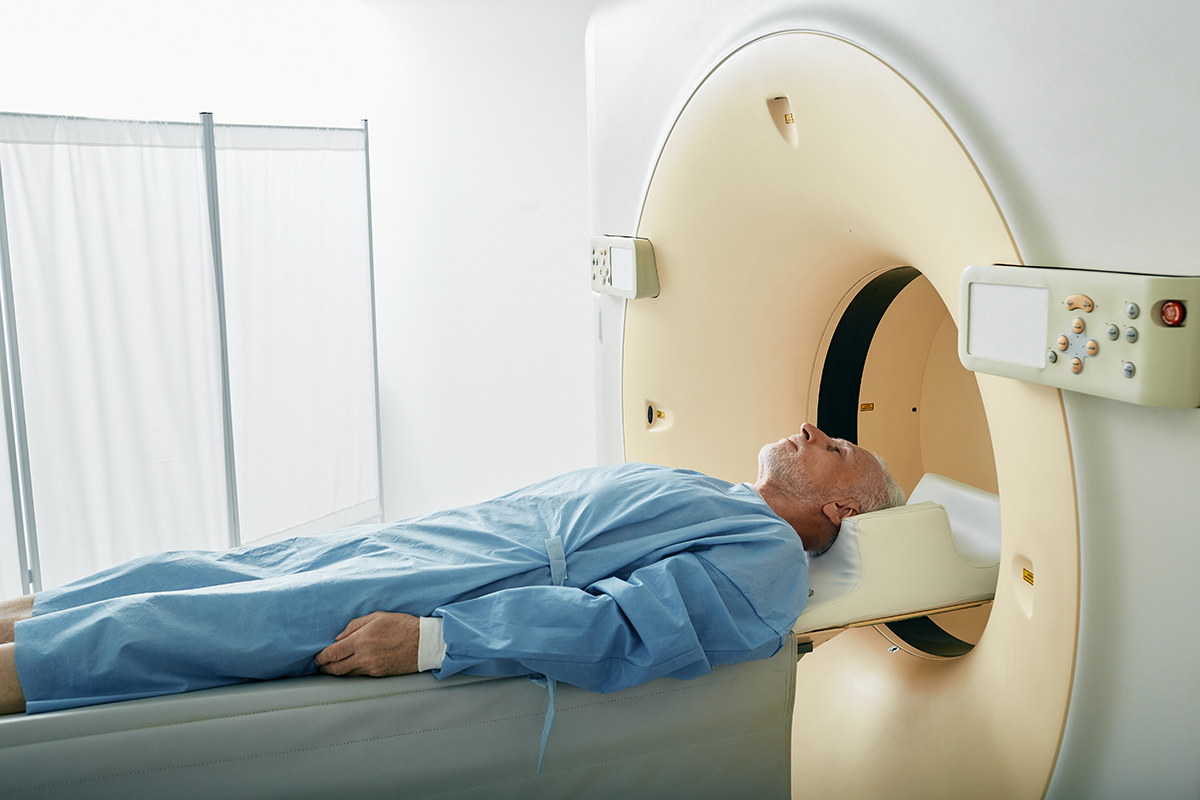
Radiation is all around us, coming from nature and human activities. Knowing how it affects our health helps us make better choices for our well-being.
Liv Hospital believes in being open with our patients. We want to give you the right info about radiation. Learning about it helps you understand your daily exposure better.
Exploring radiation is key to understanding its role in our lives. It’s everywhere and can affect our health. We want to give you the facts so you can make smart choices.
Key Takeaways
- Radiation is present in our daily lives, originating from natural and man-made sources.
- Understanding radiation’s impact on health is vital for informed decision-making.
- Liv Hospital is dedicated to providing transparent and accurate information about radiation.
- Knowledge about radiation can help individuals navigate everyday exposure.
- Being informed about radiation’s effects on human health is important.
Understanding Radiation: What It Really Is

‘Radiation’ means the release or sending of energy as waves or fast particles. This energy surrounds us, coming from both nature and human activities.
The Science Behind Radiation Energy
Radiation energy is key in our universe, affecting many physical events. It’s about energy moving through space, in forms like electromagnetic waves and particle radiation. Research shows knowing about radiation is vital for understanding its effects on life and the environment.
Different Types of Radiation
Radiation falls into two main types: ionizing and non-ionizing. Ionizing radiation has enough power to take electrons from atoms, making ions. This includes X-rays, gamma rays, and some ultraviolet radiation. In contrast, non-ionizing radiation has lower energy and can’t ionize atoms. It includes radio waves, microwaves, and visible light.
Knowing the difference between these types is key to understanding their effects. Ionizing radiation can harm DNA and raise cancer risks. But non-ionizing radiation is generally safer, though it can cause heating or tissue damage in some cases.
5 Facts About Radiation Everyone Should Know
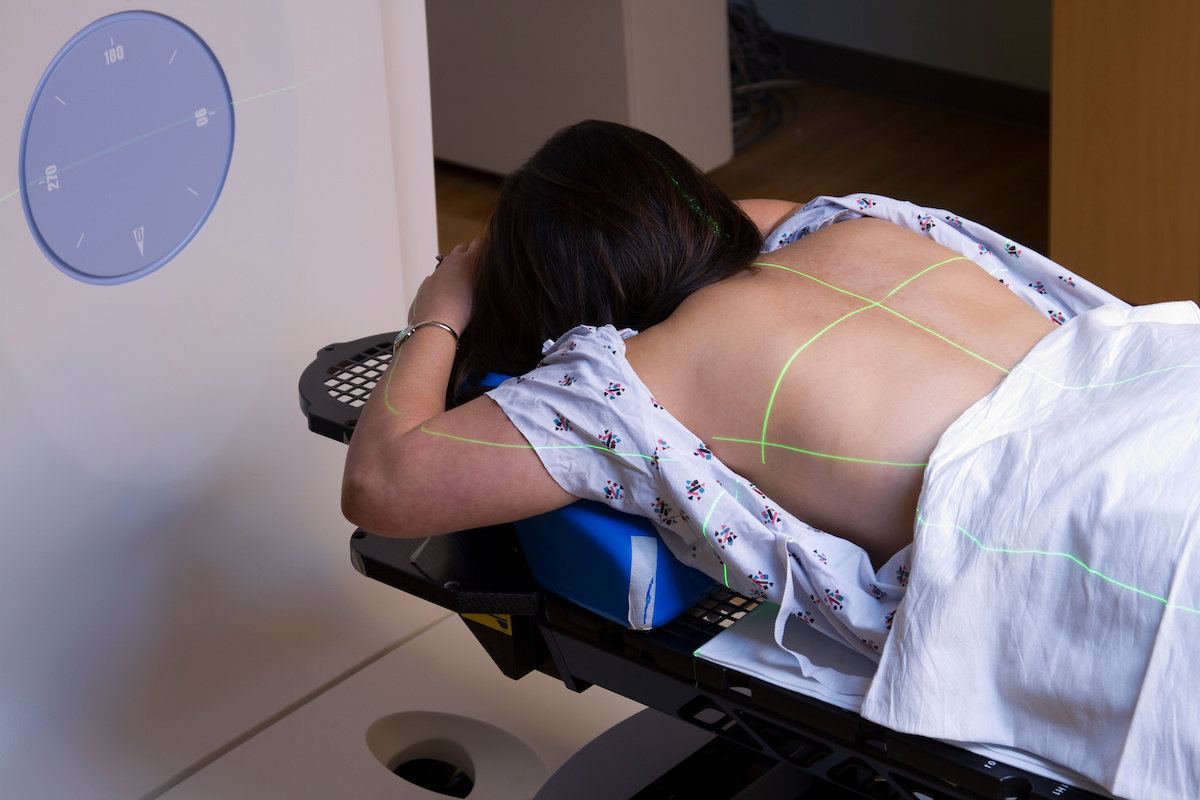
Radiation is everywhere, and knowing some key facts is important. These facts help us understand radiation better and its part in our lives.
Fact 1: Daily Exposure from Natural Background Sources
We get radiation from natural sources like cosmic rays and radon gas. This radiation is always around us.
Sources of Natural Background Radiation:
- Cosmic radiation from space
- Radon gas from soil and rocks
- Radioactive materials in food and water
Fact 2: Medical Imaging Is the Largest Man-Made Exposure
Medical imaging like X-rays and CT scans give us a lot of radiation. These tools are vital for health checks but also increase our radiation levels.
| Imaging Procedure | Average Dose (mSv) |
|---|---|
| Chest X-ray | 0.1 |
| CT Scan (Abdomen) | 10 |
| PET Scan | 7 |
Fact 3: Radiation Can Both Heal and Harm
Radiation can help and hurt us. High doses can harm, but the right amount can treat cancer.
It’s important to find the right balance between using radiation for good and avoiding harm.
Fact 4: Occupational Exposures Are Strictly Regulated
People working with radiation, like in nuclear plants, follow strict rules. These rules protect them from radiation’s dangers.
Learning these facts helps us see how complex radiation is. It’s key to know where radiation comes from and how to stay safe.
Natural Radiation Sources in Our Environment
Radiation isn’t just from human tech; it’s also natural. We face various types of natural radiation every day. These come from different sources.
Cosmic Radiation from Space
Cosmic radiation comes from outside our atmosphere. It includes high-energy particles from the sun and deep space. At higher altitudes, we get more cosmic radiation because the air is thinner.
For example, people who fly a lot get more cosmic radiation. This is because they are higher up in the air.
Terrestrial Radiation from Soil and Rocks
Terrestrial radiation comes from the Earth’s crust. It’s mainly from radioactive materials like uranium and thorium in soil and rocks. The amount of terrestrial radiation changes based on where you are.
Places with more of these elements have higher radiation levels.
Radon Gas in Homes
Radon is a radioactive gas that gets into homes from the soil. It’s a big part of indoor radiation. Places with a lot of uranium in the soil have more radon.
Using good ventilation and sealing up holes can help reduce radon in homes.
| Source | Description | Exposure Level |
|---|---|---|
| Cosmic Radiation | High-energy particles from space | Increases with altitude |
| Terrestrial Radiation | Radioactive materials in soil and rocks | Varies by location |
| Radon Gas | Radioactive gas seeping into homes | Depends on ventilation and soil composition |
Knowing about these natural radiation sources helps us see how common radiation is in our lives. By understanding and managing our exposure, we can handle our radioactive world better.
Medical Radiation: Benefits and Considerations
Radiation is a double-edged sword in medicine. It provides critical benefits but also poses risks. Its use in medical practices is essential, helping diagnose and treat various conditions.
Diagnostic Imaging Technologies
Medical imaging technologies like X-rays, CT scans, and PET scans use radiation. They give valuable insights into the body’s internal structures. These technologies have changed diagnostics, allowing for early disease detection and treatment.
For example, CT scans use X-rays to create detailed images of the body. They help diagnose diseases like cancer and heart disease.
| Imaging Technology | Use | Radiation Level |
|---|---|---|
| X-ray | General diagnostic imaging | Low |
| CT Scan | Detailed cross-sectional imaging | Moderate to High |
| PET Scan | Functional imaging of body processes | Low to Moderate |
Radiation Therapy for Cancer Treatment
Radiation therapy is key in cancer treatment. It uses high doses of radiation to kill cancer cells or slow their growth. It can be used alone or with other treatments like surgery and chemotherapy.
Advances in radiation therapy have made it more effective and reduced side effects.
Balancing Diagnostic Benefits with Exposure Risks
Medical radiation offers great benefits but also risks. It’s important to balance these. Efforts to reduce exposure while keeping treatment effective are ongoing.
This includes optimizing imaging protocols and using alternative techniques when possible.
In conclusion, medical radiation is vital in modern healthcare. It provides both diagnostic and therapeutic benefits. Understanding its role and managing its risks are key to its full use while ensuring patient safety.
Everyday Technology and Radiation Exposure
We live in a world filled with technology that makes our lives easier. But, it also exposes us to different kinds of radiation. This part talks about how common tech adds to our radiation levels.
Cell Phones and Wireless Devices
Cell phones and wireless devices are everywhere today. People worry about the radiation they might give off. But, it’s important to know these devices send out non-ionizing radiation. This is not the same as the ionizing radiation from nuclear or medical tests.
Microwave Ovens and Household Appliances
Microwave ovens are common in our homes and can give off radiation. But, they are made to keep the radiation inside. Other appliances like TVs and computers also send out some radiation. Yet, the levels are usually very low.
Airport Security Scanners
Airport scanners, like X-ray and millimeter wave machines, check passengers. They do use radiation, but the amount is very small. X-ray machines, for example, use low doses to scan people and luggage.
| Device | Type of Radiation | Exposure Level |
|---|---|---|
| Cell Phones | Non-ionizing | Low |
| Microwave Ovens | Non-ionizing | Low (when functioning properly) |
| Airport Security Scanners | Ionizing (X-ray) or Non-ionizing (millimeter wave) | Very Low |
Knowing about radiation from everyday tech helps us make better choices. Even though the levels are safe, being informed is key to managing our radiation exposure.
Radiation Energy Facts: How It Affects Living Tissue
It’s important to know how radiation energy affects living tissue. This knowledge helps us understand its impact on human health. Radiation can change the DNA in cells, leading to health problems.
Ionization Process at the Atomic Level
Radiation works by removing electrons from atoms, creating ions. This can harm DNA in cells, causing mutations or cell death. Understanding this process is key to grasping how radiation affects life.
Acute vs. Chronic Exposure Effects
The impact of radiation on living tissue depends on the type of exposure. Acute exposure means a high dose over a short time, causing immediate harm. Chronic exposure, with lower doses over longer periods, also leads to health issues due to ongoing damage.
| Exposure Type | Duration | Dose Level | Health Effects |
|---|---|---|---|
| Acute | Short | High | Immediate damage, possible acute radiation syndrome |
| Chronic | Extended | Low to Moderate | Build-up of damage, higher risk of cancer and genetic mutations |
Radiation Hormesis Debate
The idea of radiation hormesis proposes that low doses of radiation could be beneficial. They might help cells repair themselves. Yet, the scientific community debates this, questioning the evidence supporting it.
In summary, understanding radiation’s effects on living tissue is vital for managing risks. Recognizing the differences in acute and chronic exposure and studying radiation’s interaction with life is key. This way, we can lessen its health impacts.
Occupational Radiation Exposure: Who’s at Risk?
Many jobs come with a higher risk of radiation exposure. It’s important to know these risks to stay safe.
Healthcare Workers
Healthcare workers, like those in radiology and nuclear medicine, face radiation risks. Radiologists and nuclear medicine technicians must stick to strict safety rules.
| Occupation | Common Radiation Sources | Safety Measures |
|---|---|---|
| Radiologists | X-ray machines, CT scanners | Lead aprons, shielding |
| Nuclear Medicine Technicians | Radioactive isotopes | Personal dosimeters, safe handling practices |
Nuclear Industry Professionals
People working in the nuclear industry, like in power plants, face radiation risks. Strict safety protocols and regular monitoring are key to their safety.
Research and Laboratory Personnel
Those working with radioactive materials or equipment in research and labs are also at risk. Knowing about radiation and its dangers is vital for their safety.
Learning some 3 fun facts about radiation can also help. For example, radiation is everywhere, and understanding it can help reduce exposure.
By understanding facts on radiation and following safety rules, workers can lower their exposure risks.
Measuring and Monitoring Radiation Levels
It’s vital to measure radiation levels for safety and to protect the environment. We use different tools and units to do this.
Units of Measurement
There are several ways to measure radiation, like sieverts (Sv), rems, and grays (Gy). Sieverts and rems show how radiation affects living things. Grays measure how much radiation is absorbed. Knowing these units helps us understand radiation risks.
| Unit | Description | Application |
|---|---|---|
| Sievert (Sv) | Measures biological effect | Radiation protection |
| Rem | Older unit for biological effect | Used in some places |
| Gray (Gy) | Measures absorbed dose | Used in medicine and science |
Personal Dosimeters and Monitoring Devices
People working with radiation wear personal dosimeters. These devices track how much radiation they get. You can learn more about staying safe from radiation at the U.S. Million Person Study page.
Environmental Radiation Monitoring
Monitoring radiation in the environment is key to keeping us safe. We use special stations and technology to do this. It’s important to watch for changes in radiation levels.
By using these methods, we can handle radiation risks better. This makes our environment safer for everyone.
Current Research on Low-Dose Radiation Effects
Research into low-dose radiation is uncovering new risks from long-term exposure. Studies like the U.S. Million Person Study are giving us insights into these effects. They help us understand how low-dose radiation impacts our health.
The U.S. Million Person Study
The U.S. Million Person Study is a big research project. It looks at the health effects of low-dose radiation. By studying a large group of workers and veterans, it aims to clarify the risks. Its findings will help update safety guidelines and rules.
Emerging Findings on Chronic Exposure
New research shows chronic low-dose radiation can harm our health. Studies are looking into how it affects our DNA and repair mechanisms. Knowing these effects is key to better radiation protection.
Gaps in Scientific Understanding
Even with progress, there’s a lot we don’t know about low-dose radiation. More research is needed to understand the risks and improve safety standards. As we learn more, we must keep updating our knowledge of facts about radiation and its health impacts.
By deepening our understanding of low-dose radiation, we can improve safety and reduce risks. This means sharing accurate radiation info with the public. It also means making sure safety measures are based on the latest science, including interesting facts about radiation that guide public health decisions.
Radiation Safety Standards and Regulations
Radiation safety rules are key to keeping people safe from radiation harm. These rules help limit how much radiation we’re exposed to. This reduces the chances of getting sick from radiation.
Many international and national guidelines exist to help with this. They give us a clear plan for safe handling and exposure to radiation.
International and National Safety Guidelines
Groups like the International Commission on Radiological Protection (ICRP) and the Nuclear Regulatory Commission (NRC) in the U.S. set these standards. They cover many areas, like how much radiation workers and the public can handle. They also talk about how to safely deal with radioactive materials and what to do in emergencies.
- Occupational Exposure Limits: Workers get strict limits to keep them safe.
- Public Exposure Limits: The public has lower limits to avoid accidental exposure.
- Safe Handling Practices: Rules are set for safely storing, handling, and getting rid of radioactive stuff.
ALARA Principle: As Low As Reasonably Achievable
The ALARA principle is a big deal in radiation safety. It says we should keep radiation exposure as low as we can, considering costs and society. It pushes for using the best methods and tech to cut down on exposure.
- Find ways to reduce radiation exposure.
- Use shields to block radiation when it’s safe.
- Stay away from radiation sources as much as you can.
Regulatory Bodies Overseeing Radiation Safety
Many groups make sure we follow these safety rules. These include:
- Nuclear Regulatory Commission (NRC): Watches over nuclear safety and security in the U.S.
- International Atomic Energy Agency (IAEA): Works to improve nuclear safety and security worldwide.
- Occupational Safety and Health Administration (OSHA): Makes sure workplaces, including those with radiation, are safe.
By following these safety standards, we can lower the risks of radiation. This keeps workers in radiation fields and the public safe.
Conclusion: Living Safely in a Radioactive World
It’s important to know about radiation today. By learning 5 facts about radiation, we can handle our daily exposure better. This includes both natural and man-made sources.
Radiation is all around us, from cosmic rays to medical scans. Knowing radiation information helps us make smart choices about our health and safety.
Some radiation fun facts show how common radiation is in our lives. It’s in our food and the tech we use. Understanding this helps us lower our risk of radiation exposure.
By staying informed and following safety tips, we can cut down our radiation exposure. This knowledge lets us take charge of our health in a world full of radiation.
FAQ
What is radiation?
What are the main sources of radiation exposure?
How does radiation affect living tissue?
What is the difference between ionizing and non-ionizing radiation?
How is radiation exposure measured?
What are some common technologies that contribute to radiation exposure?
Who is at risk from occupational radiation exposure?
What is the ALARA principle?
Are there any benefits to low-level radiation exposure?
How can I minimize my radiation exposure?
References
- Akram, S. (2022). Radiation Exposure Of Medical Imaging. In StatPearls. https://www.ncbi.nlm.nih.gov/books/NBK565909/
- U.S. Food and Drug Administration. (2023, February 21). Medical X-ray Imaging. https://www.fda.gov/radiation-emitting-products/medical-imaging/medical-x-ray-imaging U.S. Food and Drug Administration