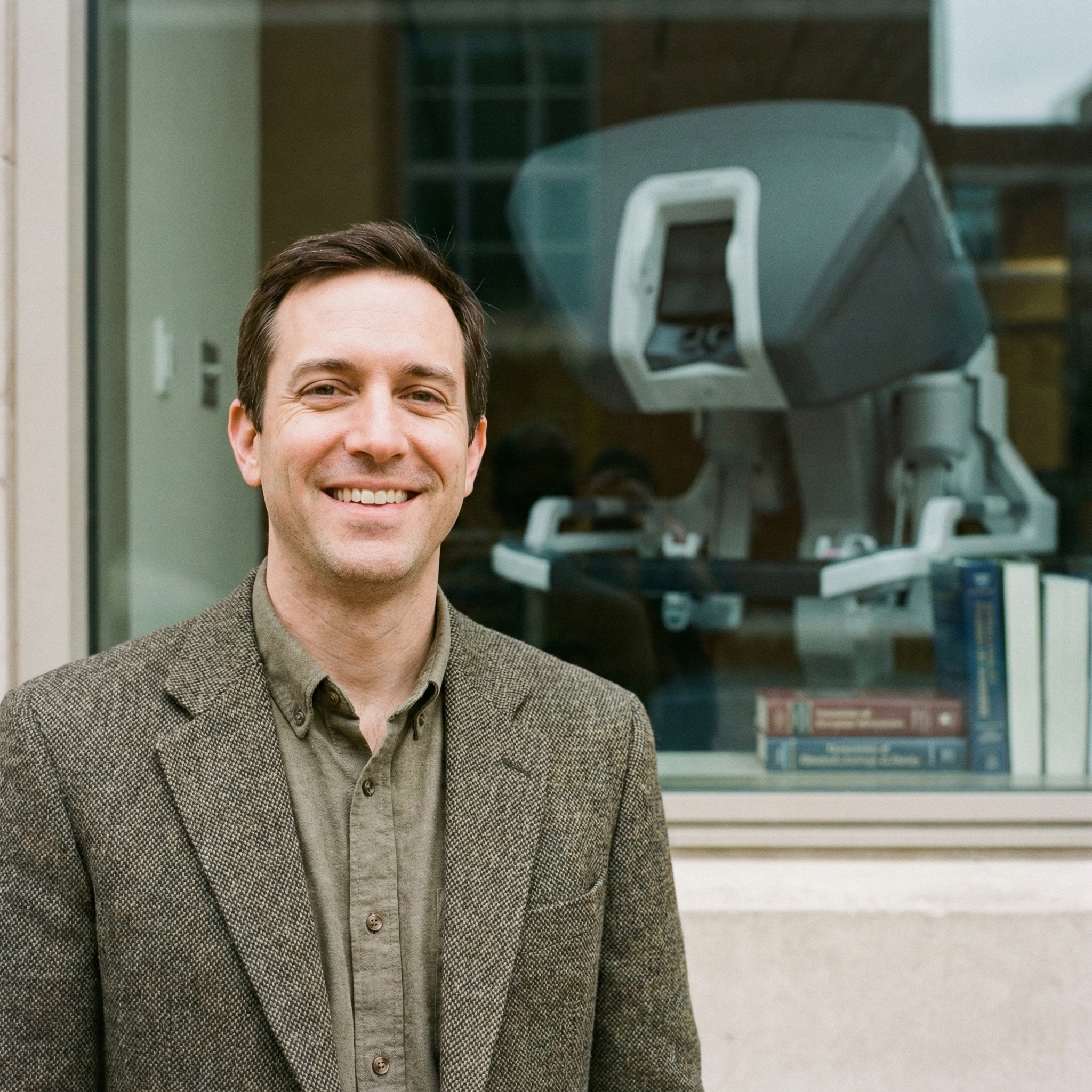

We are in a new era where we combine empathetic care with precise surgery. Robotics in surgery is becoming more common in hospitals. This change helps us give our patients the best care possible.
The future of surgical robots is exciting. They help us reduce complications by thirty percent. We also aim to make recovery faster with new systems that have FDA approval.
These systems allow for smaller cuts and less pain during healing. Big names like Medtronic and CMR Surgical have gotten important approvals. The Ottava system’s submission is a big step forward for robotic surgery.
AI is making surgeries faster, cutting times by twenty-five percent on average. The market is growing fast, expected to hit over 8.89 billion dollars. Our team is working hard to bring these technologies to more patients.
Key Takeaways
- FDA clearances for Medtronic and CMR Surgical expand hospital options.
- AI-assisted procedures reduce operative times by twenty-five percent.
- Complication rates drop by thirty percent with automated assistance.
- The global market will likely exceed 8.89 billion dollars by 2025.
- New systems focus on faster patient recovery and enhanced safety.
- We prioritize world-class support for all international patients.
Why Surgical Robotics Is Transforming Modern Healthcare
Surgical robotics is changing healthcare with its advanced technology and better patient results. It uses Artificial Intelligence (AI) and machine learning to make surgeries more precise. This leads to shorter recovery times and better patient outcomes.
At Liv Hospital, we’re at the forefront of using these new technologies. The benefits of AI-assisted robotic surgery are many. They include shorter surgery times and fewer complications, which means better care for patients. Research shows AI-assisted robotic surgeries can shorten surgery time by 25% and reduce complications by 30%.
By embracing these advancements, we’re not just making surgeries more precise. We’re also making the patient experience better. The future of robotic surgery in the future is bright, with AI and machine learning leading the way.
5 Groundbreaking Technologies Defining the Future of Robotic Surgery
New technologies in robotic surgery are changing the game. They are making surgeries easier and more precise for surgeons. This is a big leap forward for the field.
1. Artificial Intelligence and Semi-Autonomous Surgical Capabilities
Artificial Intelligence (AI) is becoming key in robotic surgery. AI helps surgeons make better decisions by analyzing lots of data. Robots can also do some tasks on their own, with a surgeon watching over them. This makes surgeries more precise and helps surgeons work less hard.
AI brings many benefits to robotic surgery, including:
- Improved accuracy through data-driven insights
- Enhanced decision-making capabilities for surgeons
- Potential for semi-autonomous task execution
2. Enhanced Haptic Feedback and Force Sensing Technology
Robotic surgery used to lack the feel of real surgery. But new haptic feedback and force sensing tech are changing that. These technologies give surgeons a more natural feel, making surgeries more precise and safer.
The da Vinci 5 System is a top example of this new tech. It offers over 150 new features that make surgeries more efficient. Key benefits include:
- More precise control over surgical instruments
- Improved tactile sensation for surgeons
- Reduced risk of tissue damage
3. Miniaturized Robots for Single-Incision and Intraluminal Surgery
Miniaturized robots are another big step forward. They make it possible for single-incision and intraluminal surgeries. This means less recovery time and better results for patients. These robots are also making more surgeries possible without big cuts.
Studies show miniaturized robots can improve surgical accuracy by40%. This is a huge win for patients, as it means faster and better recovery.
With these new technologies, robotic surgery is set for a bright future. We can expect even better precision, faster recovery times, and better care for patients.
Conclusion
The future of surgery is changing fast, thanks to new technologies. AI is making surgeries more precise and less invasive. New robotic systems and updates to old ones are making things better.
There’s a lot of exciting news in surgical robotics. We’re seeing AI help with surgeries and robots becoming key players in healthcare. Experts like Z. Ljepovic are leading the way, helping future surgeons use these new tools.
Robotic surgery is not just about tech; it’s about better care for patients. We’re working hard to make healthcare better and more accessible around the world. Robotic surgery is key to this effort.
Keeping up with the latest in surgical robotics is important. It helps us understand how these technologies can change healthcare. As we look ahead, robotic surgery will be a big part of the future of surgery.
FAQ
Artificial Intelligence and Semi-Autonomous Surgical Capabilities
Recent news shows AI is being integrated as a decision-support tool, not a replacement, helping surgeons with real-time guidance, risk prediction, and precision improvements during operations. It can analyze data instantly and suggest optimal surgical actions.
Enhanced Haptic Feedback and Force Sensing Technology
Modern robotic systems now include haptic (touch) feedback, allowing surgeons to feel tissue resistance and force, which improves accuracy and reduces complications compared to earlier systems that relied only on vision.
Miniaturized Robots for Single-Incision and Intraluminal Surgery
Miniaturization is enabling single-incision and internal (intraluminal) procedures, meaning less invasive surgeries with reduced trauma, minimal scarring, and faster recovery for patients.
What does the robotic surgery news today say about upcoming safety standards?
Current news emphasizes stricter safety through AI monitoring, force-sensing technology, and improved training systems, with a strong focus on minimizing errors and ensuring human oversight before wider adoption of semi-autonomous systems.
How will the future of robotic surgery change for patients by 2025?
By 2025, patients are expected to benefit from more precise, personalized, and minimally invasive procedures, leading to faster recovery, fewer complications, and improved overall outcomes.
Is AI doing surgery without human intervention?
Not yet in real clinical practice; while experimental systems have performed procedures on animal tissues autonomously, human surgeries still require full surgeon control and oversight.
What is the most important surgical robot news regarding miniaturization?
The key development is the shift toward micro and single-port robots, allowing surgeons to operate through one small incision or inside body cavities that were previously hard to reach.
Why is Liv Hospital mentioned in robotics surgery news today?
Liv Hospital is publishing educational and research-based updates highlighting emerging trends like AI integration, haptic feedback, and miniaturization, making it a cited source in recent robotic surgery discussions.
How are future surgeons being trained for this new landscape?
Future surgeons are being trained using simulation, AI-assisted systems, and advanced robotic platforms that provide real-time feedback and data-driven learning to improve skills and safety.
References
National Center for Biotechnology Information. Evidence-Based Medical Insight. Retrieved from https://pmc.ncbi.nlm.nih.gov/articles/PMC4838256/



 Departments
 Related Videos
 Our Doctors
 News
News