
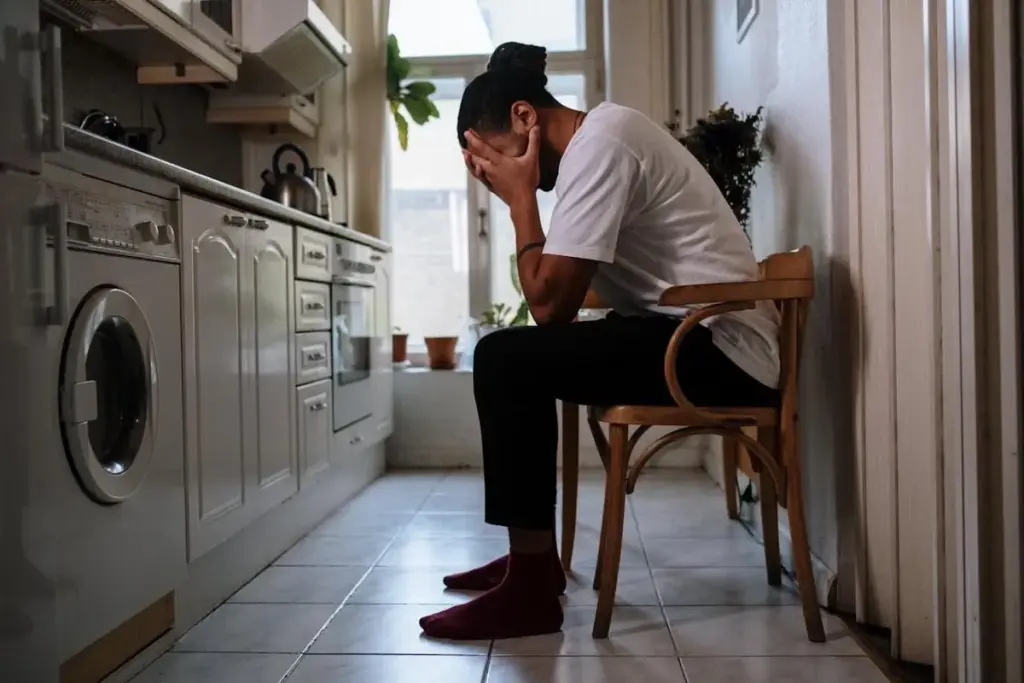
Do you feel really anxious when you’re in crowded places or away from home? You might have mild agoraphobia. This anxiety disorder affects up to 2% of adults. It makes people very scared when they can’t get away.
Knowing the signs of agoraphobia is key to getting help early. At Liv Hospital, we focus on patient care. We understand that anxiety in crowded spaces or fear of public transport can really affect your life.
Spotting the symptoms of agoraphobia is the first step to managing it. We’ll give you a detailed look at its main signs. This will help you know if you or someone else has it.
Key Takeaways
- Agoraphobia affects about 0.9% to 2% of adults every year.
- Signs include fear of being alone outside and anxiety in crowded areas.
- Fear of public transport is also common.
- Having trouble in queues or lines is another sign.
- Severe anxiety when expecting these situations is typical.
What Is Agoraphobia? A Brief Overview

Agoraphobia is a complex anxiety disorder that makes everyday tasks hard. It’s when people fear situations where they might not be able to escape or get help.
Definition and Prevalence
Agoraphobia makes people anxious in public places, crowds, or when traveling. Studies show it affects about 1.7% of people. For more on treatment, check out NHS UK.
Who Is Most Affected
Research shows agoraphobia often starts before 35, hitting women more than men. Important factors include:
- Age: Symptoms usually start before 35 years.
- Gender: Women are more likely to be affected.
- Family History: Those with anxiety in their family are more at risk.
5 Common Agoraphobia Symptoms to Recognize

It’s important to know the signs of agoraphobia to help those affected. This anxiety disorder goes beyond just fearing certain situations. It can really change someone’s life.
Fear of Being Alone in Public Places
One key symptom of agoraphobia is the fear of being alone in public. People might feel scared in crowded areas or open spaces without a trusted person nearby. This fear can be so strong that it stops them from going out or doing everyday things.
Intense Anxiety in Crowded Spaces
Those with agoraphobia often feel very anxious in crowded places. They might have panic attacks, a fast heartbeat, or feel like they’re going to die. These feelings can happen in places like malls, on public transport, or busy streets.
Avoidance of Public Transportation
Another agoraphobia symptom is avoiding public transport. This includes buses, trains, subways, or planes. The fear of being in a crowded, closed space is so bad that people might avoid using these, limiting their freedom and independence.
Distress When Standing in Lines or Queues
Standing in lines or queues can also cause a lot of distress for those with agoraphobia. Feeling trapped or stuck in a crowded area can lead to anxiety attacks or a strong urge to get out. This can make everyday tasks, like shopping or waiting at a bank, very hard.
Understanding these symptoms of agoraphobia helps us support those who are struggling. Recognizing these signs is the first step to getting help and finding ways to cope.
From Mild to Severe: Understanding Agoraphobia Levels
Agoraphobia can affect people in different ways, from mild to severe. It’s important to understand and address it in a detailed way.
Mild Agoraphobia: Signs and Management
Mild agoraphobia means avoiding some situations or places, but it’s not too hard. People with mild agoraphobia can usually handle daily tasks with a bit of effort. To manage it, they can try facing their fears slowly and use relaxation methods.
Severe Agoraphobia: When Home Becomes a Refuge
Severe agoraphobia makes it hard to leave the house. It can cause a lot of fear or anxiety about going out. Getting help from family, friends, or mental health experts is key.
The Agoraphobia-Panic Connection
About 30 to 50 percent of people with agoraphobia also have panic disorder. It’s important to treat both conditions together for the best results.
| Agoraphobia Level | Characteristics | Management Strategies |
| Mild | Manageable avoidance, mild anxiety | Gradual exposure, relaxation techniques |
| Severe | Significant impairment, housebound | Professional help, support networks |
When to Seek Help for Agoraphobia Symptoms
If agoraphobia symptoms are holding you back, it’s time to get help. Fear or anxiety that stops you from doing things you want is a sign to talk to a therapist. Without treatment, agoraphobia can get worse, making it harder to face everyday situations.
Getting treatment for agoraphobia can greatly improve your life. You might wonder, “Am I agoraphobic?” or “Do I have agoraphobia?” A healthcare professional can help figure this out and guide you on what to do next.
It’s important to seek help early to manage agoraphobia symptoms. By doing so, you can learn how to handle your fears better and take back control of your life. Don’t wait to reach out to a therapist or healthcare professional for support.
FAQ
What are the common symptoms of agoraphobia?
Symptoms of agoraphobia include fear of being alone in public. People also fear crowded spaces and public transportation. They might feel anxious in lines or fear situations where escape is hard.
What is mild agoraphobia?
Mild agoraphobia is a milder form of the condition. People with it can go out but feel anxious in some situations. Strategies can help manage these feelings.
How does agoraphobia relate to panic disorder?
Agoraphobia often goes hand in hand with panic disorder. The fear of a panic attack in public can lead to agoraphobic symptoms. It’s important to understand this link for effective treatment.
When should I seek help for agoraphobia symptoms?
Seek help if your symptoms affect your daily life. If they cause significant distress or make you avoid certain situations, it’s time to get help. A therapist or healthcare professional can offer the support you need.
Can agoraphobia be treated?
Yes, agoraphobia can be treated. Cognitive-behavioral therapy (CBT) and other therapies can help manage symptoms. They can improve your quality of life.
What are the 5 levels of agoraphobia?
Agoraphobia can range from mild to severe. Understanding its spectrum helps tailor support and treatment to individual needs.
Why do I feel dizzy in crowded places?
Feeling dizzy in crowded places can be a symptom of agoraphobia. It’s often due to intense anxiety or panic. The overwhelming environment can cause physical symptoms like dizziness or lightheadedness.
References
World Health Organization. Evidence-Based Medical Guidance. Retrieved from https://icd.who.int/en



 Departments
 Related Videos
 Our Doctors
 News
News