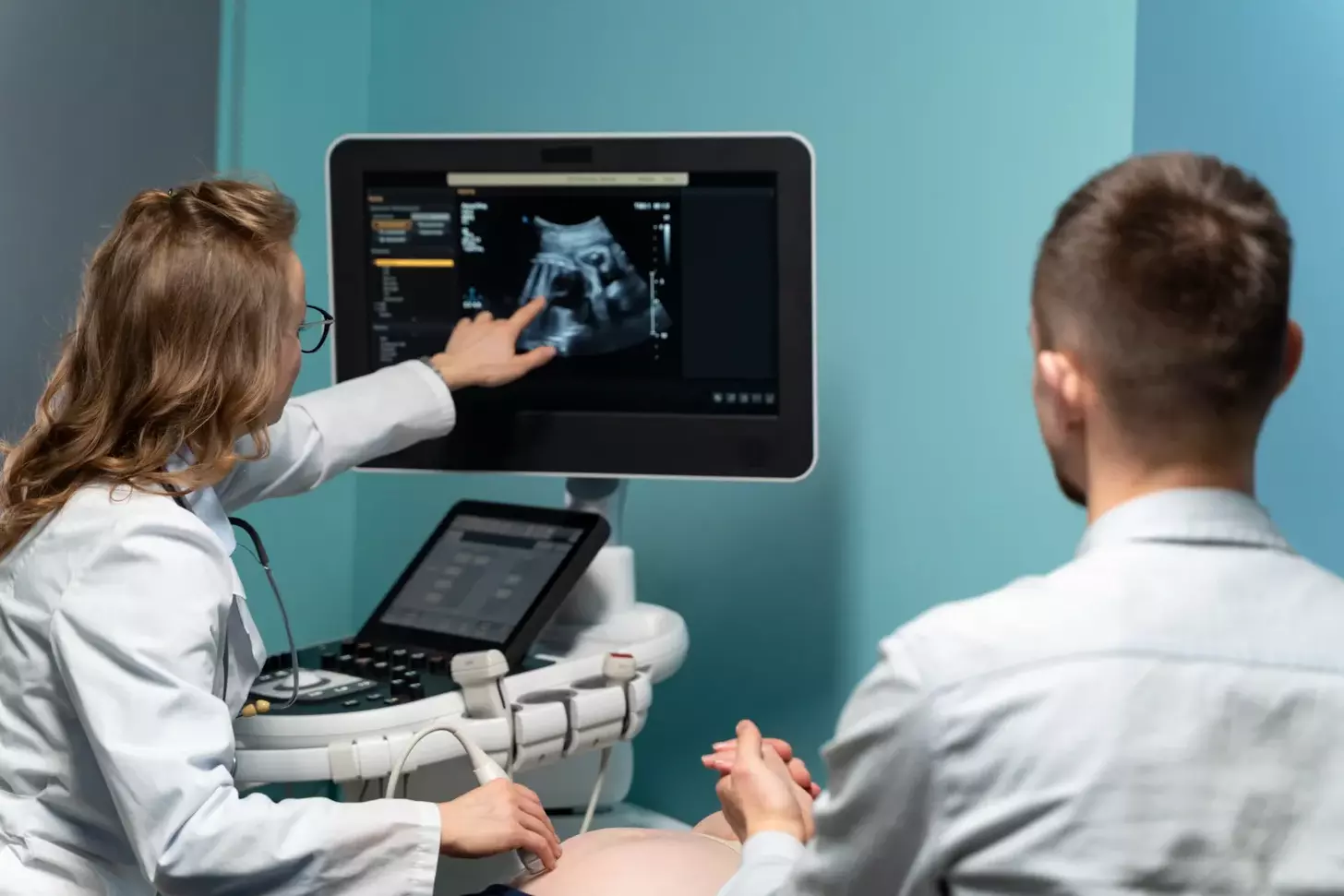
At Liv Hospital, we are committed to providing our patients with the most advanced and effective treatments available. The Da Vinci Robotic Hysterectomy is a revolutionary surgical procedure that has transformed women’s health by offering quicker recovery, smaller incisions, and enhanced surgical accuracy.
The Da Vinci Surgical System enables surgeons to perform hysterectomies with enhanced precision and minimal invasiveness, resulting in numerous benefits for patients, including reduced blood loss and shorter hospital stays.
By utilizing the Da Vinci Robotic System, we can ensure that every surgery aims for the best possible outcomes, providing our patients with exceptional care and support throughout their treatment journey.
Key Takeaways
- Smaller incisions result in minimal scarring and a more cosmetically appealing result.
- Reduced blood loss due to smaller incisions, reducing the need for blood transfusions.
- Shorter hospital stays, with patients often requiring only one night of hospitalization.
- Faster recovery times compared to open procedures, allowing patients to return to work soon after surgery.
- Improved surgical precision due to the 3D cameras and robotic arms, providing a high-definition view and excellent control.
Understanding the Da Vinci Surgical System Hysterectomy

The Da Vinci Surgical System has revolutionized the field of gynecological surgery, offering a more precise and less invasive approach to hysterectomy procedures. This sophisticated robotic platform is designed to enhance the capabilities of surgeons during complex operations.
What is the Da Vinci Robotic System?
The Da Vinci Robotic System is a state-of-the-art technology that provides surgeons with high-definition 3D visualization, precise instrumentation, and enhanced dexterity. This system allows for more accurate and less invasive surgeries, reducing the risk of complications and promoting faster recovery times. We utilize the Da Vinci Xi and SP systems, which are widely recognized for their versatility in performing various robotic surgeries, including hysterectomy and other complex procedures.
How Da Vinci Technology Revolutionized Gynecological Surgery
Da Vinci technology has significantly impacted gynecological surgery by offering a minimally invasive alternative to traditional open surgery. The system’s advanced robotic arms and high-definition visualization enable surgeons to perform complex procedures with greater precision and control. As a result, patients benefit from smaller incisions, less blood loss, and reduced risk of infection. For more information on the benefits of robotic hysterectomy, you can visit our blog post on 3 Amazing Benefits of a Robotic.
Types of Hysterectomies Performed with Da Vinci
The Da Vinci System supports various types of hysterectomy procedures, including:
- Total hysterectomy: removal of the uterus and cervix
- Subtotal hysterectomy: removal of the uterus, leaving the cervix intact
- Radical hysterectomy: removal of the uterus, cervix, and part of the vagina, often performed in cases of cancer
Each procedure is tailored to the individual patient’s needs, and the Da Vinci System’s precision and flexibility allow for a more personalized approach to surgery.
The Evolution of Hysterectomy Procedures
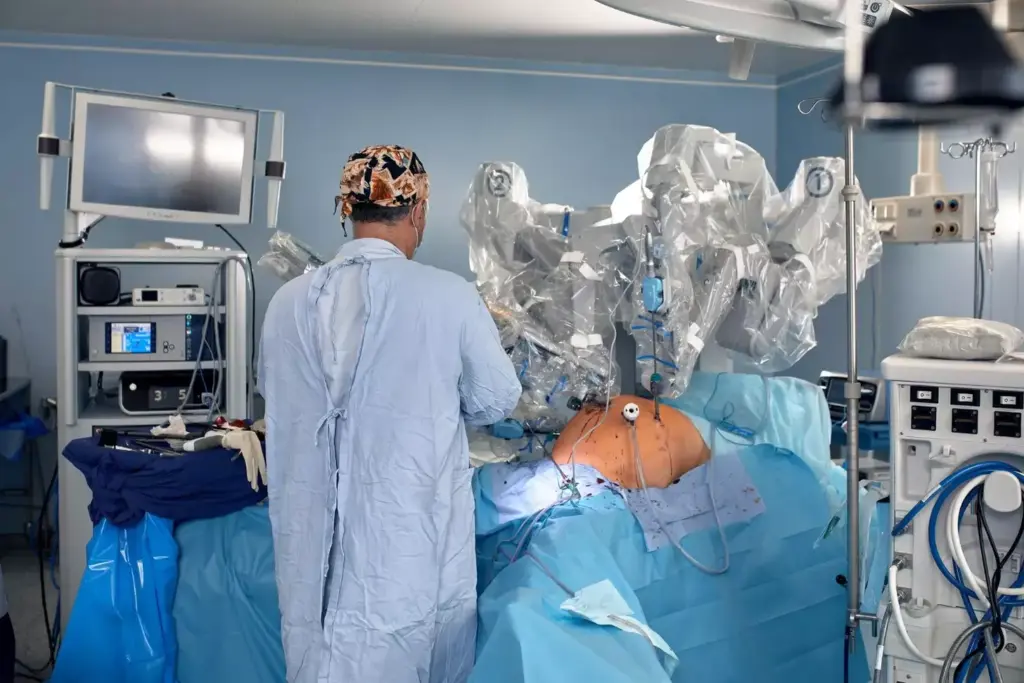
The evolution of hysterectomy procedures represents a journey from traditional open surgeries to more sophisticated minimally invasive techniques. Over the years, the approach to hysterectomy has transformed significantly, driven by advancements in medical technology and a growing emphasis on reducing patient recovery times and complications.
As we explore the development of hysterectomy procedures, it’s essential to understand the historical context and the factors that have contributed to their evolution. We will examine the traditional open hysterectomy approach, conventional laparoscopic techniques, and the emergence of robotic-assisted hysterectomy, highlighting the benefits and limitations of each method.
Traditional Open Hysterectomy Approach
Traditional open hysterectomy involves making a large incision in the abdomen to access the uterus. This method has been used for decades and is still employed in certain situations, particularly for complex cases or when other approaches are not feasible.
Advantages: Open hysterectomy allows for direct visualization and manipulation of the uterus and surrounding tissues, which can be beneficial in complicated cases.
Limitations: The larger incision associated with open hysterectomy typically results in longer recovery times, increased risk of infection, and more significant scarring compared to minimally invasive techniques.
Conventional Laparoscopic Techniques
Conventional laparoscopic hysterectomy involves making several small incisions through which laparoscopic instruments are inserted to perform the surgery. This approach has gained popularity due to its minimally invasive nature, resulting in less tissue trauma and quicker recovery times compared to open hysterectomy.
Benefits: Laparoscopic hysterectomy is associated with reduced blood loss, less post-operative pain, and shorter hospital stays.
Challenges: The technique requires advanced laparoscopic skills and can be limited by the complexity of the case and the surgeon’s experience.
The Emergence of Robotic-Assisted Hysterectomy
Robotic-assisted hysterectomy, particularly with the da Vinci Surgical System, represents the latest advancement in minimally invasive surgery. This technology enhances the surgeon’s capabilities by providing high-definition 3D visualization, improved dexterity, and greater precision.
Studies have shown that robotic-assisted surgeries, including hysterectomies, result in fewer complications and quicker recovery times compared to traditional open surgery. The da Vinci system allows for more intricate dissections and suturing, making it an ideal choice for complex cases.
We have observed that da Vinci robotic hysterectomy is associated with decreased infection rates and shorter hospital stays, aligning with the overall trend towards minimizing invasiveness and maximizing patient outcomes.
| Procedure | Recovery Time | Infection Rate | Scarring |
|---|---|---|---|
| Open Hysterectomy | 6-8 weeks | Higher | Significant |
| Laparoscopic Hysterectomy | 3-4 weeks | Moderate | Minimal |
| Robotic-Assisted Hysterectomy | 2-3 weeks | Lower | Minimal |
Benefit #1: Enhanced Precision Enhanced Surgical Control
The da Vinci Robotic Hysterectomy offers enhanced precision and surgical control, revolutionizing the way surgeons perform complex procedures. This precision is crucial in hysterectomy surgeries, where the complexity of the female reproductive anatomy demands a high level of accuracy.
3D High-Definition Visualization
One of the key features contributing to the enhanced precision of da Vinci Robotic Hysterectomy is its 3D high-definition visualization. This technology provides surgeons with a clear, magnified view of the surgical site, allowing for more accurate dissection and reduced risk of complications. The 3D visualization enables surgeons to better understand the patient’s anatomy, making it easier to identify and preserve vital structures.
Tremor Filtration Technology
The da Vinci System’s tremor filtration technology further enhances surgical precision by stabilizing the surgeon’s hand movements. This feature is particularly important in delicate procedures like hysterectomy, where even the slightest tremor can have significant consequences. By filtering out unwanted hand movements, the technology allows surgeons to perform intricate maneuvers with greater confidence and accuracy.
Precision in Complex Anatomical Structures
The combination of 3D visualization and tremor filtration technology enables surgeons to navigate complex anatomical structures with ease. In hysterectomy procedures, this means that surgeons can more effectively identify and dissect the uterus, even in cases where the anatomy is complicated by conditions such as endometriosis or fibroids.
To illustrate the precision offered by da Vinci Robotic Hysterectomy, let’s examine a comparison of its features with those of traditional surgical methods:
| Feature | Da Vinci Robotic Hysterectomy | Traditional Open Hysterectomy |
|---|---|---|
| Visualization | 3D High-Definition | 2D or Direct Visualization |
| Tremor Filtration | Yes | No |
| Precision in Complex Anatomy | High | Limited |
As shown in the table, da Vinci Robotic Hysterectomy offers significant advantages in terms of visualization, tremor filtration, and precision in complex anatomical structures. These features collectively contribute to enhanced surgical control, making da Vinci a preferred choice for many surgeons performing hysterectomies.
Benefit #2: Minimally Invasive Approach with Smaller Incisions
The da Vinci method hysterectomy offers a significantly less invasive alternative to traditional open surgery, resulting in smaller incisions and numerous patient benefits. We recognize the importance of minimizing the invasiveness of surgical procedures, and the da Vinci system has been designed with this in mind.
Comparison of Incision Sizes Across Procedures
The size and number of incisions vary significantly across different hysterectomy procedures. Traditional open hysterectomy requires a large abdominal incision, typically 6-12 inches long. In contrast, the da Vinci robotic hysterectomy involves 3-4 small incisions, each about 1-2 cm in length.
| Surgical Approach | Number of Incisions | Incision Size |
|---|---|---|
| Open Hysterectomy | 1 | 6-12 inches |
| Laparoscopic Hysterectomy | 3-4 | 0.5-1 cm |
| Da Vinci Robotic Hysterectomy | 3-4 | 1-2 cm |
Reduced Blood Loss During Surgery
Studies have shown that minimally invasive approaches, such as the da Vinci robotic hysterectomy, result in less blood loss during surgery compared to traditional open hysterectomy. This reduction in blood loss contributes to a lower risk of complications and a faster recovery.
Key benefits of reduced blood loss include:
- Lower risk of blood transfusions
- Reduced risk of infection
- Faster recovery times
Cosmetic Advantages and Reduced Scarring
The smaller incisions used in da Vinci robotic hysterectomy result in less scarring and improved cosmetic outcomes. This is particularly important for patients who are concerned about the appearance of surgical scars.
By choosing the da Vinci method hysterectomy, patients can benefit from a minimally invasive approach that not only reduces the risk of complications but also promotes faster healing and improved cosmetic outcomes.
Benefit #3: Faster Recovery and Reduced Hospital Stay
Patients undergoing da Vinci Robotic Hysterectomy often experience a faster recovery compared to traditional open surgery methods. This advanced surgical technique is designed to minimize tissue damage and reduce trauma to the body, leading to less post-operative pain and a quicker return to normal activities.
Post-Operative Recovery Timeline
The recovery timeline for patients after da Vinci Robotic Hysterectomy can vary, but most women can expect to follow a general pattern. Typically, the hospital stay is shorter, often just one night or even outpatient, compared to traditional open hysterectomy.
Within a few weeks, most patients start to feel significantly better, with improvements in energy levels and a reduction in pain. By 4-6 weeks, many are able to resume their normal activities, including work and exercise.
Return to Normal Activities and Work
One of the key benefits of da Vinci Robotic Hysterectomy is the ability to return to normal activities and work relatively quickly. Patients usually can resume driving and light physical activities within 1-2 weeks.
By 3-4 weeks, many patients are able to return to work, depending on the nature of their job. For those with physically demanding jobs, a slightly longer recovery period may be necessary.
Patient Testimonials on Recovery Experience
Many patients who have undergone da Vinci Robotic Hysterectomy report a positive recovery experience, citing less pain and a quicker return to their normal lives.
“I was back to my normal activities within a month, and the scarring was minimal. The da Vinci Robotic Hysterectomy was a game-changer for me.”
These testimonials highlight the potential benefits of choosing da Vinci Robotic Hysterectomy for those considering hysterectomy options.
Benefit #4: Lower Risk of Complications
The precision and minimally invasive nature of Da Vinci robotic hysterectomy contribute to its lower complication rates. This advanced surgical technique has been shown to offer significant benefits over traditional methods, particularly in reducing the risk of complications.
Decreased Infection Rates
Studies have demonstrated that robotic-assisted surgeries, such as Da Vinci robotic hysterectomy, are associated with decreased infection rates compared to open or conventional laparoscopic surgeries. The smaller incisions and reduced tissue trauma contribute to this benefit, making the Da Vinci system a safer choice for patients.
Reduced Risk of Blood Transfusions
The precision of the Da Vinci system allows for more accurate dissection and reduced blood loss during surgery. This minimizes the need for blood transfusions, which in turn reduces the risk of transfusion-related complications. Patients undergoing Da Vinci robotic hysterectomy can expect a smoother and safer surgical experience.
Minimized Nerve and Tissue Damage
The advanced technology of the Da Vinci system enables surgeons to navigate complex anatomical structures with greater ease and precision. This results in minimized nerve and tissue damage, leading to fewer post-operative complications and a faster recovery for patients.
By leveraging the benefits of Da Vinci robotic hysterectomy, patients can experience a significantly lower risk of complications. This makes it an attractive option for those seeking advanced and safe surgical care.
Benefit #5: Improved Surgeon Capabilities in Complex Cases
The da Vinci Robotic System significantly enhances surgeon capabilities in complex hysterectomy cases. This advanced technology provides surgeons with the tools they need to navigate challenging anatomies with greater ease and precision.
Enhanced Visualization in Difficult Anatomies
One of the key advantages of the da Vinci System is its ability to provide enhanced visualization in difficult anatomies. The system’s 3D high-definition camera offers a clear and magnified view of the surgical site, allowing surgeons to identify and navigate complex structures more effectively.
We have found that this enhanced visualization is particularly beneficial in cases where the anatomy is distorted due to conditions such as endometriosis or large fibroids. The improved clarity helps surgeons to better understand the patient’s unique anatomy and plan their approach accordingly.
Greater Range of Motion with Wristed Instruments
The da Vinci System’s wristed instruments provide a greater range of motion compared to traditional laparoscopic instruments. This flexibility allows surgeons to perform complex maneuvers with greater precision and control, even in tight spaces.
- Improved dexterity for complex procedures
- Enhanced ability to navigate around delicate structures
- Better control over instruments for precise dissection
Precision in Treating Endometriosis and Fibroids
Conditions such as endometriosis and fibroids can complicate hysterectomy procedures. The da Vinci System’s advanced technology enables surgeons to treat these conditions with greater precision.
For instance, the system’s enhanced visualization and wristed instruments allow for more precise dissection and removal of endometrial implants or fibroids. This precision can lead to better outcomes for patients and reduced risk of complications.
By providing surgeons with improved capabilities in complex cases, the da Vinci Robotic System is revolutionizing the way hysterectomies are performed. As we continue to advance in medical technology, it’s clear that robotic-assisted surgery will play an increasingly important role in gynecological care.
Da Vinci Robotic Hysterectomy Video Demonstrations and Their Educational Value
Da Vinci robotic hysterectomy video demonstrations have revolutionized patient education. These videos provide a clear and detailed view of the surgical procedure, helping patients understand what to expect and reducing anxiety. We recognize the importance of educating patients about their surgical options, and video demonstrations play a crucial role in this process.
What to Expect in Surgical Videos
Surgical videos of Da Vinci robotic hysterectomy procedures offer a comprehensive look at the surgery. Patients can expect to see:
- A detailed explanation of the Da Vinci robotic system and its application in hysterectomy.
- The surgical team’s preparation and the setup of the robotic equipment.
- The actual surgical procedure, showcasing the precision and control offered by the Da Vinci system.
- Post-operative care and recovery procedures.
How Videos Help Patient Understanding and Reduce Anxiety
Watching Da Vinci robotic hysterectomy videos can significantly enhance patient understanding of the procedure. By visualizing the surgery, patients can better comprehend the process, leading to reduced anxiety. Our patients have reported feeling more prepared and confident after watching these videos.
Resources for Viewing Da Vinci Procedure Videos
For patients interested in viewing Da Vinci robotic hysterectomy videos, several resources are available:
- Hospital websites: Many hospitals that offer Da Vinci robotic surgery have videos on their websites.
- Medical device manufacturer websites: Intuitive Surgical, the manufacturer of the Da Vinci system, provides educational resources and videos.
- Patient education platforms: Various online platforms are dedicated to patient education and may host Da Vinci hysterectomy videos.
We also recommend discussing video resources with your healthcare provider, as they can provide personalized recommendations.
Comparing Da Vinci Method Hysterectomy with Alternative Approaches
Hysterectomy procedures have evolved significantly, with the Da Vinci method offering a minimally invasive alternative to traditional techniques. As patients and healthcare providers consider the best approach for hysterectomy, understanding the differences between available methods is crucial.
Da Vinci vs. Traditional Open Hysterectomy
Traditional open hysterectomy involves a larger incision in the abdomen to access the uterus. In contrast, the Da Vinci robotic hysterectomy utilizes several small incisions, through which the robotic arms are inserted. This minimally invasive approach can lead to reduced blood loss, less post-operative pain, and quicker recovery times compared to open surgery.
Comparative studies have shown that patients undergoing Da Vinci robotic hysterectomy often experience fewer complications and shorter hospital stays than those undergoing traditional open hysterectomy.
Da Vinci vs. Standard Laparoscopic Hysterectomy
Standard laparoscopic hysterectomy is another minimally invasive option, using laparoscopic instruments to remove the uterus. While both laparoscopic and Da Vinci robotic hysterectomies are less invasive than open surgery, the Da Vinci system offers enhanced visualization and greater dexterity due to its wristed instruments. This can be particularly beneficial in complex cases or when dealing with challenging anatomies.
The laparoscopic hysterectomy with Da Vinci technology has been associated with reduced operative times and improved precision in some studies, although the overall outcome can depend on the surgeon’s experience and patient-specific factors.
When Da Vinci May Not Be the Best Option
While the Da Vinci method hysterectomy offers several advantages, there are scenarios where it may not be the preferred choice. For instance, patients with certain medical conditions or previous surgeries that could complicate robotic surgery might be better suited for traditional open or laparoscopic approaches.
Additionally, the availability of Da Vinci technology and the surgeon’s expertise with the system are critical factors. Patients should discuss their individual circumstances with their healthcare provider to determine the most appropriate surgical method for their needs.
Patient Selection and Considerations for Da Vinci Robotic Surgery Hysterectomy
When considering a Da Vinci robotic hysterectomy, it’s crucial to understand the factors that determine a patient’s suitability for this advanced surgical procedure. The Da Vinci robotic system has transformed the field of gynecological surgery, offering numerous benefits for eligible patients.
We recognize that not all patients are ideal candidates for Da Vinci robotic hysterectomy. The decision to undergo this procedure involves careful evaluation and consideration of various patient-specific factors.
Ideal Candidates for Robotic Hysterectomy
Patients who are typically considered good candidates for Da Vinci robotic hysterectomy include those with benign gynecological conditions, such as uterine fibroids or endometriosis. Women with early-stage cancer may also benefit from this minimally invasive approach.
Key characteristics of ideal candidates include:
- Non-obese patients with a BMI under 35
- Patients with no extensive prior abdominal surgery
- Those with conditions that require precise dissection
However, we evaluate each patient on a case-by-case basis, considering their overall health, medical history, and specific condition.
Pre-Operative Evaluation Process
The pre-operative evaluation process for Da Vinci robotic hysterectomy is comprehensive and thorough. We conduct a detailed medical history review, physical examination, and necessary imaging studies to assess the patient’s condition and determine the suitability of the robotic approach.
During this process, we also discuss the patient’s expectations, concerns, and any questions they may have about the procedure. This ensures that patients are well-informed and prepared for their surgery.
Insurance Coverage and Cost Considerations
Insurance coverage for Da Vinci robotic hysterectomy varies depending on the patient’s insurance provider and policy. We work closely with patients to understand their coverage and discuss any out-of-pocket expenses associated with the procedure.
While the initial cost of Da Vinci robotic hysterectomy may be higher than traditional surgical methods, the benefits of reduced recovery time and fewer complications can lead to overall cost savings. We are committed to helping patients navigate these financial considerations and make informed decisions about their care.
Conclusion: The Future of Hysterectomy with Da Vinci Technology
As we continue to advance in robotic technology, the future of hysterectomy procedures is becoming increasingly promising. The da Vinci Robotic System has revolutionized the field of gynecological surgery, offering numerous benefits to patients and surgeons alike. Da Vinci robotic hysterectomy video demonstrations highlight the precision and safety that the da Vinci surgical system hysterectomy delivers.
With hysterectomy davinci robotic surgery, patients can expect enhanced precision, smaller incisions, and faster recovery times. The da Vinci system allows for greater control and visualization during complex procedures, making it an ideal choice for treating conditions such as endometriosis and fibroids. As davinci robotic hysterectomy continues to evolve, we can expect to see even more refined techniques and improved patient outcomes.
Advances in robotic technology are continually improving surgical outcomes and patient care. We are committed to providing world-class healthcare with complete support for international patients. As the field of gynecological surgery continues to advance, we look forward to the potential future developments in da Vinci technology and its applications in hysterectomy and beyond.
What is da Vinci Robotic Hysterectomy?
Da Vinci Robotic Hysterectomy is a minimally invasive surgical procedure that utilizes the da Vinci Surgical System to perform a hysterectomy with enhanced precision and minimal invasiveness.
What are the benefits of da Vinci Robotic Hysterectomy?
The benefits of da Vinci Robotic Hysterectomy include reduced recovery time, less blood loss, improved surgical outcomes, and a lower risk of complications.
How does the da Vinci Surgical System work?
The da Vinci Surgical System is a sophisticated robotic platform that provides high-definition 3D visualization, precise instrumentation, and enhanced dexterity, allowing for more accurate and less invasive surgeries.
What types of hysterectomies can be performed with da Vinci?
Various types of hysterectomies can be performed using the da Vinci System, including total hysterectomy, partial hysterectomy, and robotic-assisted hysterectomy.
Is da Vinci Robotic Hysterectomy a minimally invasive procedure?
Yes, da Vinci Robotic Hysterectomy is a minimally invasive procedure that utilizes smaller incisions compared to traditional open surgery, resulting in less post-operative pain and improved cosmetic outcomes.
How long does it take to recover from da Vinci Robotic Hysterectomy?
Patients undergoing da Vinci Robotic Hysterectomy typically experience faster recovery times and shorter hospital stays compared to those undergoing traditional open surgery.
What are the risks associated with da Vinci Robotic Hysterectomy?
Da Vinci Robotic Hysterectomy is associated with a lower risk of complications, including decreased infection rates, reduced risk of blood transfusions, and minimized nerve and tissue damage.
Can I watch a video of da Vinci Robotic Hysterectomy?
Yes, da Vinci Robotic Hysterectomy video demonstrations are available and can provide a clear and detailed view of the surgical procedure, helping patients understand what to expect and reducing anxiety.
How do I know if I’m a candidate for da Vinci Robotic Hysterectomy?
The suitability for da Vinci Robotic Hysterectomy depends on various factors, including patient health, the complexity of the case, and previous surgical history, which will be evaluated during the pre-operative evaluation process.
What are the cost considerations for da Vinci Robotic Hysterectomy?
Insurance coverage and cost considerations for da Vinci Robotic Hysterectomy vary, and patients should consult with their healthcare provider and insurance provider to determine the costs associated with the procedure.
How does da Vinci Robotic Hysterectomy compare to traditional open hysterectomy?
Da Vinci Robotic Hysterectomy offers several advantages over traditional open hysterectomy, including reduced recovery time, less blood loss, and improved surgical outcomes.
How does da Vinci Robotic Hysterectomy compare to standard laparoscopic hysterectomy?
Da Vinci Robotic Hysterectomy offers enhanced precision and dexterity compared to standard laparoscopic hysterectomy, resulting in improved surgical outcomes and reduced risk of complications.
References
National Center for Biotechnology Information. Evidence-Based Medical Guidance. Retrieved from https://pmc.ncbi.nlm.nih.gov/articles/PMC10781852/