Last Updated on November 26, 2025 by Bilal Hasdemir
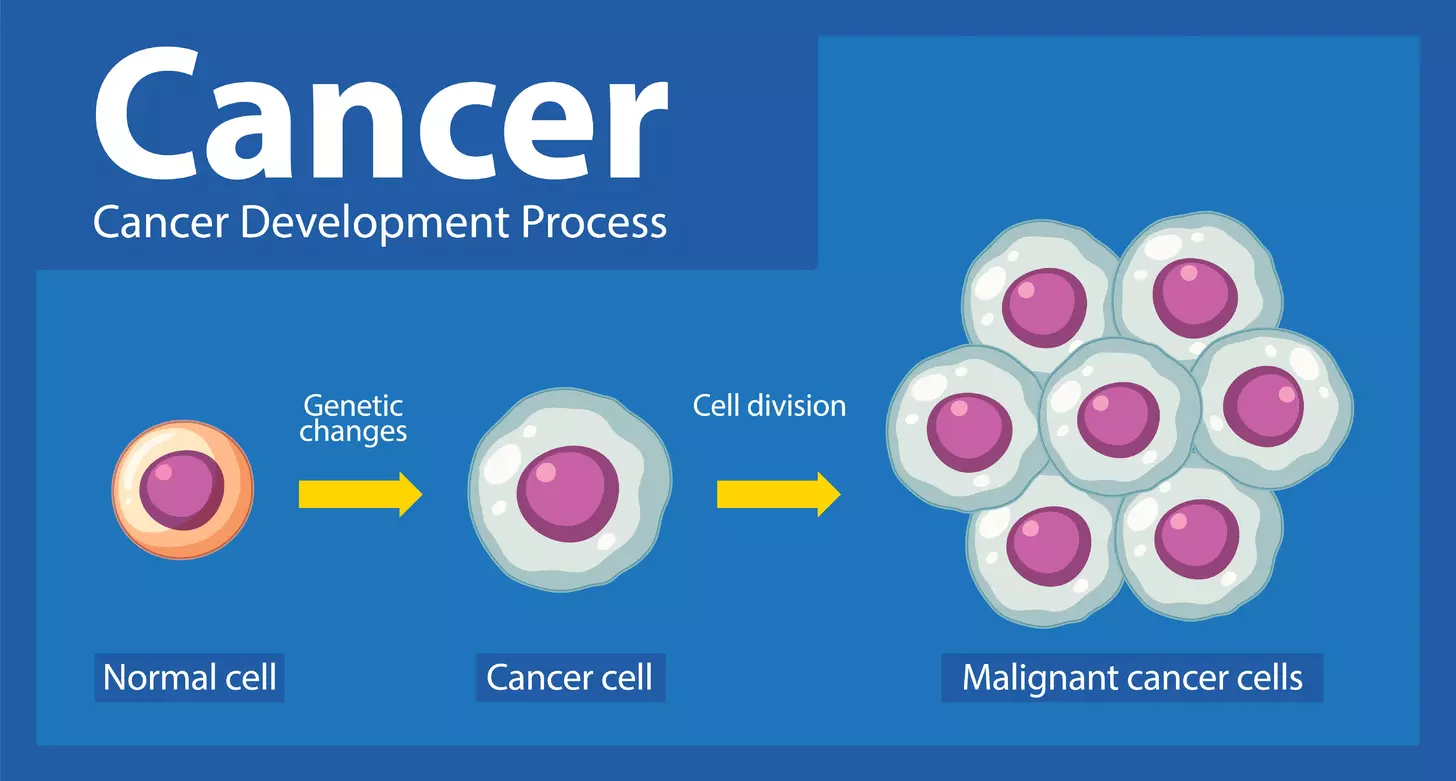
Knowing if a tumor is benign or malignant is key for treatment and patient care. At Liv Hospital, we use a team approach and focus on the patient. This ensures we get the diagnosis right and plan the best treatment.
Malignant tumors are cancerous and can spread to other parts of the body. This makes quick treatment very important. On the other hand, benign tumors are not cancerous and usually don’t spread. But, they can cause health problems based on where they are.
We will look at the main differences between these tumors. We’ll talk about their characteristics, how to diagnose them, and treatment options. Knowing these details helps patients feel more confident in their treatment journey.
Key Takeaways
- Benign tumors are non-cancerous and typically do not invade surrounding tissues.
- Malignant tumors are cancerous and can metastasize to other parts of the body.
- Accurate diagnosis is critical for determining the appropriate treatment approach.
- Treatment options vary significantly between benign and malignant tumors.
- Understanding the differences between benign and malignant tumors is vital for patient outcomes.
Understanding Tumors and Their Formation
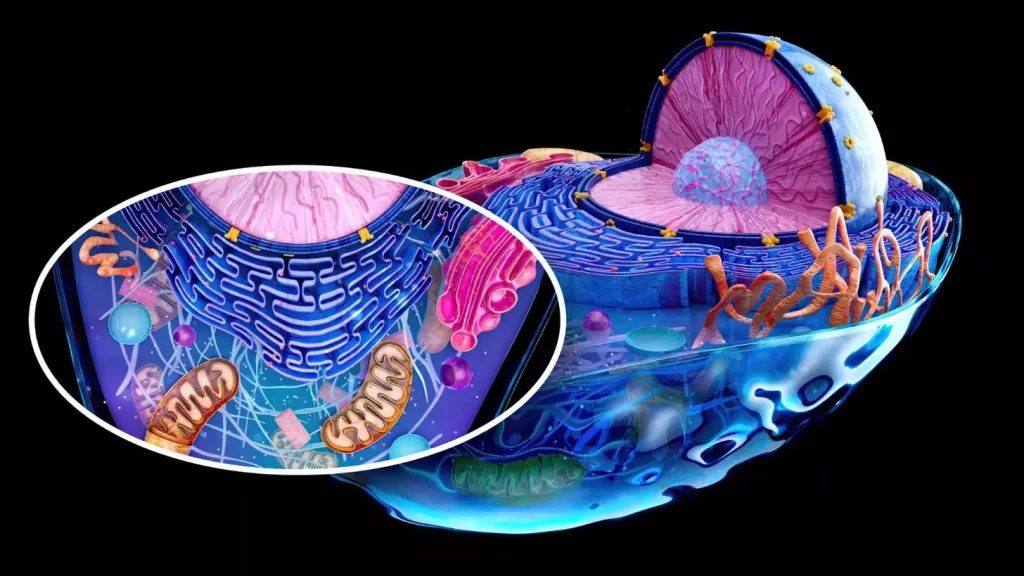
Tumors are abnormal cell growths that can be benign or malignant. Knowing how they form is key to treating them. Tumors come from genetic mutations, environmental factors, and DNA replication errors.
What Defines a Tumor?
A tumor is an abnormal tissue mass from cells dividing too much or not dying. Benign tumors are non-cancerous and don’t spread. Malignant tumors, on the other hand, are cancerous and can spread.
Knowing if a tumor is benign or malignant is important. Benign tumors are usually not dangerous and may not need aggressive treatment. Malignant tumors are serious and often need detailed treatment plans.
Common Causes and Risk Factors
Tumor formation has many causes, including genetics, environment, and lifestyle. Risk factors include carcinogens, radiation, viruses, and genetic mutations.
- Genetic predisposition: Family history of cancer can increase risk.
- Environmental exposures: Carcinogens like asbestos and pesticides raise cancer risk.
- Lifestyle factors: Smoking, diet, exercise, and alcohol can affect tumor risk.
Knowing these risk factors helps prevent and detect tumors early. By managing risks, people can lower their chance of getting tumors.
Overview of Benign Tumors
Benign tumors are non-cancerous growths that don’t spread or invade other tissues. They can grow in many parts of the body. We’ll look at what they are, how they grow, and how common they are.
Definition and Characteristics
Benign tumors are non-cancerous and don’t spread. They grow slowly and have clear edges. This makes them different from cancerous tumors. The cells in these tumors look like normal cells.
Common Types of Benign Growths
There are many types of benign tumors. Here are a few:
- Lipomas – fatty tumors under the skin
- Osteomas – benign bone tumors
- Adenomas – benign tumors of glandular tissue
- Leiomyomas – benign smooth muscle tumors, often in the uterus
These tumors can appear anywhere in the body. They might cause symptoms based on where they are and how big they get.
Prevalence in Different Populations
Benign tumors can happen to anyone, at any age. But, some types are more common in certain groups. For example, lipomas are more common in middle-aged people, while osteomas are more common in the elderly. Knowing this helps doctors diagnose and treat these tumors better.
Malignant Tumors Explained
Malignant tumors are a serious health issue. They can grow and spread to other parts of the body. This makes them a big threat to our health.
We will look at what makes malignant tumors different. We will also talk about the types of malignancies and how common they are. Plus, we’ll discuss the risk factors.
What Makes a Tumor Cancerous
A tumor turns cancerous when its cells grow out of control. They start to invade nearby tissues and can spread to other parts of the body. This is due to changes in the cell’s genes and molecules.
Genetic changes, environmental factors, and viruses can turn a benign tumor into a malignant one. For example, a study on Ki-67 prediction in breast cancer shows how important it is to understand tumor molecules.
Common Types of Malignancies
Malignant tumors can develop in different tissues and organs. This leads to various cancers. Common ones include carcinomas, leukemias, lymphomas, and sarcomas.
Each cancer type has its own characteristics and risk factors. For instance, carcinomas are linked to smoking and UV radiation. Leukemias can be caused by genetic mutations and radiation.
Statistical Prevalence and Risk Factors
Malignant tumors are a major cause of illness and death worldwide. Cancer is a leading cause of death, with millions diagnosed every year.
| Type of Cancer | Estimated New Cases | Estimated Deaths |
|---|---|---|
| Breast Cancer | 2.3 million | 685,000 |
| Lung Cancer | 2.2 million | 1.8 million |
| Colon Cancer | 1.9 million | 935,000 |
Factors that increase the risk of malignant tumors include genetics, age, lifestyle, and exposure to harmful substances. Knowing these risk factors helps in preventing and detecting cancer early.
Key Difference #1: Cellular Structure and Appearance
The difference between benign and malignant tumors starts at the cellular level. We will look into these differences. This will help us understand how to diagnose and study tumor behavior.
Normal vs. Abnormal Cell Morphology
Examining cell morphology is key to tell benign from malignant tumors. Benign tumors have normal cell morphology, looking like their original tissue. Malignant tumors, on the other hand, show abnormal cell morphology. Their cells are irregular in shape and size, showing a break in normal growth.
Benign tumors have cells that look the same and are organized. Malignant tumors have cells that vary a lot in size, shape, and color. This change is a big sign of cancer.
Cellular Differentiation Patterns
Cellular differentiation is when cells specialize to do specific jobs. Benign tumors keep their original cell characteristics. Malignant tumors, though, show poor differentiation or are not differentiated at all. This difference is a key way to tell benign from malignant tumors.
In benign tumors, cells are well-differentiated and look like their original tissue. Malignant tumors have cells that are not well-differentiated or are undifferentiated. This shows a loss of normal cell function and structure.
Microscopic Identification Features
Looking at tumors under a microscope, we can see important differences. We look for mitotic figures, signs of cell division, and the tumor’s structure. Malignant tumors often have a messy structure and abnormal cell divisions.
We also check for necrosis, or cell death, in tumors. Necrosis is more common in malignant tumors because they grow too fast. By looking at these features, pathologists can tell if a tumor is benign or malignant. This helps with diagnosis and treatment planning.
Key Difference #2: Growth Patterns and Borders
We look at how benign and malignant tumors grow and their borders. Knowing these differences is key for correct diagnosis and treatment.
Encapsulation vs. Infiltrative Growth
Benign tumors are encapsulated. They have a fibrous capsule that keeps them separate from the tissue around them. On the other hand, malignant tumors grow infiltrative. They spread into the surrounding tissues without a clear edge.
Growth Rate Comparisons
The speed at which tumors grow can tell us a lot. Benign tumors grow slowly, while malignant ones grow faster. But, it’s not always clear-cut. Some benign tumors can grow quickly, and some malignant ones can grow slowly.
Border Characteristics Under Microscope
When we look at tumors under a microscope, we see big differences. Benign tumors have well-defined, smooth borders. Malignant tumors have irregular, invasive borders. This helps pathologists figure out what kind of tumor it is.
| Characteristic | Benign Tumors | Malignant Tumors |
|---|---|---|
| Growth Pattern | Encapsulated | Infiltrative |
| Border Characteristics | Well-defined, smooth | Irregular, infiltrative |
| Growth Rate | Typically slow | Often rapid |
Key Difference #3: Invasion and Metastasis Capability
It’s important to know how tumors grow and spread. Benign tumors don’t invade or spread, but malignant ones do. This is a key difference between the two.
The Metastatic Process Explained
The process of metastasis is complex. It starts with local invasion, then moves to intravasation, circulation, extravasation, and colonization. Malignant cells break into nearby tissues, enter blood vessels, and travel to other parts of the body.
Key steps in the metastatic process include:
- Local invasion into surrounding tissues
- Intravasation into blood or lymphatic vessels
- Circulation through the bloodstream or lymphatic system
- Extravasation into new tissues
- Colonization and establishment of new tumor growths
Why Benign Tumors Remain Localized
Benign tumors don’t spread. They are usually encapsulated and push against nearby tissues but don’t invade. This is how we tell them apart from malignant tumors.
Benign tumors stay put because of:
- Encapsulation, which prevents invasion
- Lack of genetic mutations that promote metastasis
- Absence of angiogenic factors that support tumor spread
Common Metastatic Pathways in Malignancies
Malignant tumors can spread in different ways. They can go through lymphatic or hematogenous routes. The path they choose depends on the cancer type and where it is.
For example, carcinomas often metastasize through lymphatic vessels, while sarcomas may spread through the bloodstream.
Knowing these pathways helps doctors diagnose and treat cancer better.
Key Difference #4: Effects on Surrounding Tissues
The way tumors affect nearby tissues is key to telling benign from malignant ones. Knowing these differences helps doctors diagnose and plan treatment better.
Compression vs. Destruction
Benign tumors usually press on nearby tissues. Malignant tumors, though, invade and destroy them. This big difference impacts how tissues work and look.
For example, a benign tumor like a lipoma might press on muscles and nerves, causing pain. But it usually has clear edges, making it easy to remove. Malignant tumors, like glioblastoma, spread into brain tissue, making surgery hard.
Angiogenesis Differences
Angiogenesis, or making new blood vessels, shows a big difference between benign and malignant tumors. Malignant tumors grow fast and need new blood vessels to get oxygen and nutrients. Benign tumors grow slower and might not need new blood vessels.
- Malignant tumors induce angiogenesis for rapid growth.
- Benign tumors have limited or no angiogenesis.
- Angiogenesis inhibitors are a possible treatment for malignant tumors.
Systemic Effects on the Body
Benign and malignant tumors affect the body differently. Malignant tumors can spread to other parts of the body, causing wide-ranging problems. Benign tumors might cause local symptoms but rarely affect the whole body.
“The presence of systemic symptoms often indicates a malignant process, necessitating a thorough diagnostic workup to identify the primary tumor and its extent.”
Understanding how benign and malignant tumors affect tissues is vital. It helps doctors predict outcomes and plan treatments. This knowledge leads to more effective care for patients.
Key Difference #5: Recurrence and Survival Rates
Recurrence and survival rates show big differences between benign and malignant tumors. Knowing these differences helps plan treatments and predict patient outcomes.
Post-Treatment Recurrence Patterns
Benign tumors usually don’t come back after treatment because they can be fully removed. Malignant tumors, on the other hand, often come back because they can spread and grow in other parts of the body.
Recurrence patterns differ a lot between benign and malignant tumors. Benign tumors might come back if not all of them are removed during surgery. Malignant tumors can come back in different ways, like in the same place, nearby, or in distant parts of the body.
Survival Statistics Comparison
People with benign tumors usually have a good chance of survival, similar to the general population. This is because benign tumors don’t spread and are rarely dangerous. But, survival rates for those with malignant tumors vary a lot. This depends on the cancer type, how advanced it is, and how well it responds to treatment.
Looking at survival rates shows a big difference in outlook. Patients with benign tumors usually have a very good chance of recovery. But, those with malignant tumors face a tougher and more complex treatment path.
Factors Affecting Prognosis
Many things can influence how well a tumor will do, whether it’s benign or malignant. For benign tumors, things like where the tumor is, how big it is, and how fast it grows matter. For malignant tumors, other factors like how aggressive the tumor is, how far it has spread, and the patient’s overall health are key.
Knowing these factors helps doctors give patients clear information about what to expect. It also shows why catching tumors early and treating them right is so important for both types of tumors.
How to Distinguish Between Malignant and Benign Tumors
Figuring out if a tumor is malignant or benign takes several steps. It’s key to know the difference to choose the right treatment and guess how well the patient will do.
Clinical Evaluation Techniques
First, we look at the patient’s medical history and do a physical check-up. We also use our medical knowledge to guess if the tumor might be cancerous. We look at the tumor’s size, where it is, how fast it grows, and any symptoms it causes.
- Medical History: Knowing the patient’s medical background helps us spot risks and possible genetic links.
- Physical Examination: A thorough check-up gives us clues about the tumor’s nature and how it affects nearby tissues.
Imaging Modalities and Their Effectiveness
Imaging tests are very important in checking tumors. They help us see the tumor’s size, where it is, and if it’s spreading.
- Ultrasound: Good for looking at tumors close to the surface and for guiding biopsies.
- Computed Tomography (CT) Scan: Gives detailed pictures, helping us see how big the tumor is and if it’s spreading.
- Magnetic Resonance Imaging (MRI): Gives very clear pictures, great for tumors in soft tissues.
Biopsy and Histopathological Analysis
Getting a biopsy and then looking at the tissue under a microscope is the best way to figure out what kind of tumor it is. This lets us see how the cells look and find special markers for tumors.
- Fine-needle Aspiration Biopsy (FNAB): A small, less invasive way to get cells from tumors.
- Core Needle Biopsy: Gives a bigger sample, letting us see more details.
- Surgical Biopsy: Takes out a bigger piece of the tumor or the whole thing for a full check-up.
By using clinical checks, imaging tests, and biopsies, we can tell if a tumor is cancerous or not. This helps us make the best treatment plan for the patient.
Treatment Approaches: Benign vs. Malignant
Knowing if a tumor is benign or malignant is key to picking the right treatment. The treatment for these two types of tumors is different. This shows their unique characteristics and how they can affect the body.
When Observation Is Appropriate
When a tumor is benign, observation is often the best choice. This means regular checks with imaging tests to see if the tumor changes. This approach is used because benign tumors usually don’t harm health right away.
For example, some benign tumors like lipomas or small uterine fibroids might not cause problems. But if they start to cause discomfort or other issues, treatment might be needed.
Surgical Intervention Differences
Surgery is a common treatment for both benign and malignant tumors. But the type and purpose of surgery can be very different.
- For benign tumors, surgery aims to remove the tumor completely. This is usually done if the tumor is causing symptoms or is easy to reach. The goal is to cure the tumor and stop it from coming back.
- Malignant tumors might need more surgery. This could include removing nearby tissue or lymph nodes to get rid of all cancer cells. Surgery is often part of a bigger treatment plan that might include other therapies.
To learn more about how doctors figure out if a tumor is cancerous, check out this resource.
Role of Radiation and Chemotherapy
Radiation and chemotherapy are mainly used for malignant tumors. These treatments target fast-growing cancer cells. They aim to shrink tumors, stop their growth, or kill them off.
Radiation therapy uses high-energy rays to kill cancer cells. Chemotherapy uses drugs to do the same. The choice between these treatments, or using them together, depends on the cancer type, stage, and the patient’s health.
In summary, benign tumors might be managed with observation or simple surgery. But malignant tumors need a more aggressive treatment. This often includes surgery, radiation, chemotherapy, or a mix of these.
When Benign Tumors Require Immediate Attention
Benign tumors are usually not dangerous. But, some situations need quick medical help. We’ll look at when these tumors need fast action to avoid problems.
Location-Based Concerns
The spot where a benign tumor grows matters a lot. Tumors near important areas like the brain or big blood vessels can be risky. For example, a brain tumor can lead to headaches and serious issues.
Critical locations where benign tumors may require immediate attention include:
- The brain or central nervous system
- Near major blood vessels or the heart
- In the spinal cord
- Within or near vital organs such as the liver or kidneys
Size and Growth Rate Red Flags
The size and how fast a tumor grows are key. Big or fast-growing tumors can press on nearby tissues. A big tumor in the belly can cause pain and serious issues.
Red flags for size and growth rate include:
- Rapid growth over a short period
- Significant increase in size causing symptoms
- Tumors larger than 5 cm in diameter
Potential for Malignant Transformation
Even though benign tumors are not cancerous, some can turn into cancer. For example, some adenomas can become carcinomas. It’s important to watch tumors that might turn cancerous closely.
We need to keep an eye on tumors that might turn cancerous. Removing them surgically or using other treatments can stop cancer from forming.
Conclusion: The Importance of Accurate Tumor Classification
Getting the right tumor classification is key for the right treatment and better patient outcomes. We’ve talked about the big differences between benign and malignant tumors. This shows how important it is to tell them apart when diagnosing tumors.
Accurate tumor classification is very important. It affects how we manage cancer and non-cancer tumors. Knowing the differences helps doctors create better treatment plans. This leads to better care and results for patients.
In short, telling benign from malignant tumors is vital. It’s essential for the best care for patients. We stress the need for accurate diagnosis to get the best results for patients.
What is the main difference between benign and malignant tumors?
Benign tumors are non-cancerous and don’t spread to other parts of the body. Malignant tumors are cancerous and can spread and invade tissues.
How do benign and malignant tumors affect surrounding tissues?
Benign tumors can press on nearby tissues. Malignant tumors can destroy these tissues by growing into them.
What are the characteristics of benign tumors?
Benign tumors are usually harmless and have clear edges. They grow slowly and don’t spread to other parts of the body.
What makes a tumor malignant?
Malignant tumors grow out of control and look different from normal cells. They can spread to other areas and invade tissues.
How are benign and malignant tumors diagnosed?
Doctors use various tests to figure out if a tumor is benign or malignant. This includes clinical exams, imaging, and biopsies.
What are the treatment approaches for benign and malignant tumors?
Benign tumors might not need treatment. But malignant tumors need strong treatments like surgery, radiation, and chemotherapy.
When do benign tumors require immediate attention?
Benign tumors in important areas or growing fast need quick action. So do those that could turn cancerous.
What is the significance of accurate tumor classification?
Knowing if a tumor is benign or malignant helps decide the best treatment. It also helps predict how well the patient will do.
How do the recurrence and survival rates differ between benign and malignant tumors?
Benign tumors rarely come back and most people survive. But malignant tumors often come back and survival rates are lower.
What are the differences in cellular structure and appearance between benign and malignant tumors?
Benign tumors have normal-looking cells. Malignant tumors have abnormal cells and a disorganized look.
How do growth patterns and borders differ between benign and malignant tumors?
Benign tumors have clear edges and grow in a contained way. Malignant tumors grow into tissues and have irregular edges.