

If chronic low back pain limits your daily life and other treatments haven’t worked, learning about lumbar fusion surgery at L5–S1 might help. It could be your next step to lasting relief.
At Liv Hospital, we blend top-notch surgical skills with a focus on safety, quality, and always getting better. We offer hope and a clear path for those thinking about this surgery.
We know that persistent low back pain can really hold you back. We’re here to support you every step of the way. Our team is committed to giving you world-class care and support, no matter where you’re from.
Key Takeaways
- Lumbar fusion surgery at L5-S1 is a common procedure for patients with degenerative spine disease.
- The surgery involves joining two or more vertebrae to stabilize the spine and alleviate pain.
- Advanced surgical techniques and technology have improved the success rates of lumbar fusion surgery.
- Patient selection and pre-surgical evaluation are critical factors in determining the success of the procedure.
- Liv Hospital is committed to providing high-quality, patient-centered care for individuals undergoing lumbar fusion surgery.
Understanding the L5-S1 Spinal Segment
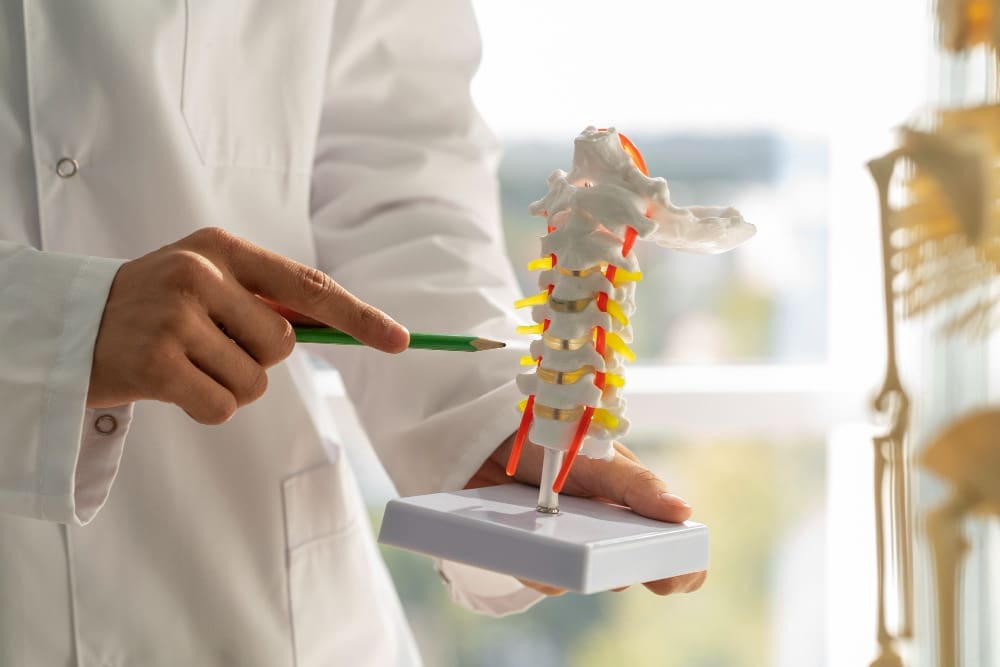
Knowing about the L5-S1 spinal segment is key for diagnosing and treating spinal issues. It’s a common spot for degenerative changes. The L5-S1 segment, or lumbosacral junction, is where the lumbar spine meets the sacrum.
Anatomy of the Lumbosacral Junction
The lumbosacral junction is a complex area that faces a lot of stress. It’s under pressure from weight and movement, making it more likely to degenerate or get injured. The L5-S1 segment has a unique setup, with L5 connecting to S1.
Understanding this area’s anatomy is vital for spotting spinal disorders. The disc between L5 and S1 helps absorb shock and keeps the spine moving.
Common Conditions Affecting the L5-S1 Segment
The L5-S1 segment often deals with issues like degenerative disc disease, herniated discs, and spinal stenosis. These problems can cause a lot of pain and affect daily life. Studies, like the one on Springer Link, show how important it is to manage these conditions well.
Degenerative disc disease is common here, caused by disc wear and tear. Herniated discs happen when the disc’s outer layer cracks, letting the soft center bulge out and press on nerves.
Why the L5-S1 Level Is Frequently Problematic
The L5-S1 level often has issues because of its anatomy and the stress it faces. The transition from lumbar to sacrum makes it unstable and prone to degeneration. This can cause a variety of symptoms, from mild pain to severe discomfort and mobility issues.
Its vulnerability to problems like spondylolisthesis, where a vertebra slips, makes it harder to manage. Knowing these challenges is key to creating effective treatments, including surgery like L5-S1 spinal fusion.
What Is Lumbar Fusion L5 S1 Surgery?
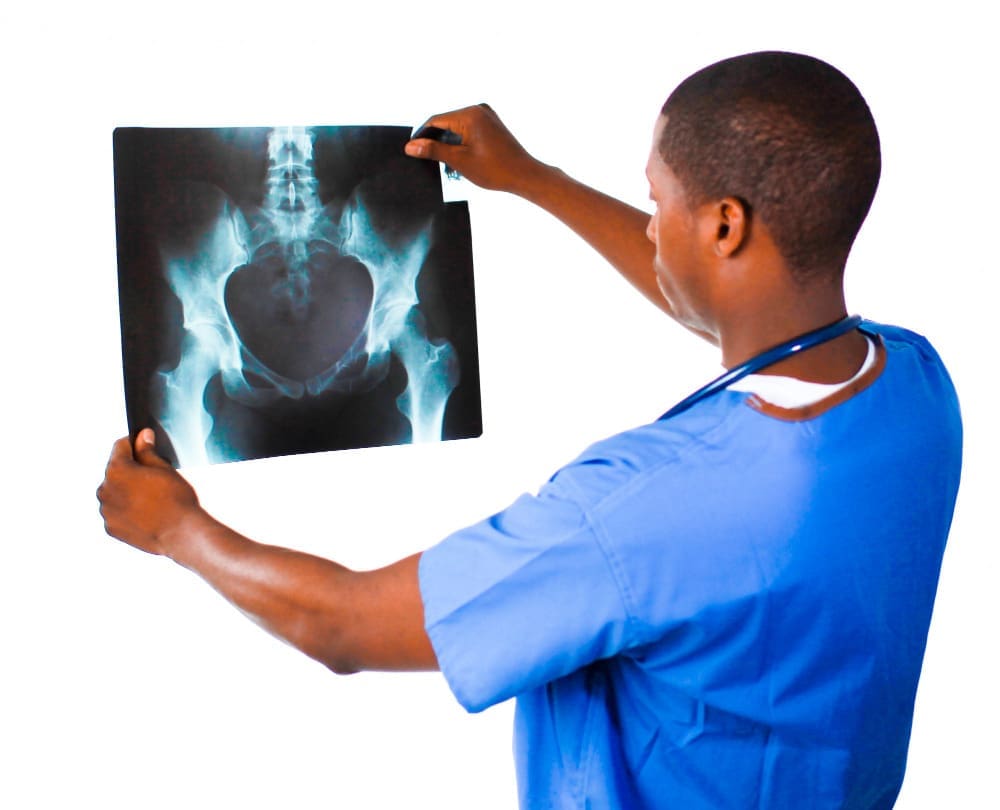
Understanding lumbar fusion L5 S1 surgery is key for those thinking about spinal surgery. This surgery joins two or more vertebrae to stabilize the spine and ease pain. It focuses on the area between the fifth lumbar vertebra (L5) and the first sacral vertebra (S1).
Definition and Purpose of L5-S1 Fusion
L5-S1 fusion is a surgery that fuses the L5 and S1 vertebrae together. It uses bone grafts and hardware like screws and rods. The main goal is to treat spinal conditions that cause pain and instability at the L5-S1 level.
The L5-S1 area often faces degenerative changes, herniations, and other issues. These can lead to severe pain and neurological problems. By fusing the vertebrae, we aim to eliminate the motion at this segment, reducing pain and improving life quality.
When Surgery Becomes Necessary
Surgery is needed when other treatments don’t work and pain or neurological symptoms persist. The decision to have surgery is based on a detailed evaluation, including imaging and medical history review.
Those considered for L5-S1 fusion often have degenerative disc disease, spondylolisthesis, or recurrent disc herniations at the L5-S1 level. Surgery is also considered for significant instability or deformity.
Conservative Treatments Before Considering Surgery
Before surgery, patients try various non-surgical treatments to manage symptoms. These include physical therapy, pain management with medications, epidural steroid injections, and lifestyle changes.
“Conservative management is always the first line of treatment. We explore all non-surgical options before recommending surgery.” This ensures surgery is only for those who really need it.
| Conservative Treatment | Description |
|---|---|
| Physical Therapy | Targeted exercises to improve flexibility and strength |
| Pain Management | Use of medications to control pain and inflammation |
| Epidural Steroid Injections | Injections to reduce inflammation around the spinal nerves |
Key Fact #1: Success Rates of Fused L5 and S1 Vertebrae
Success rates of lumbar fusion L5 S1 surgery are key when making decisions. Both patients and surgeons are very interested in how well this surgery works.
73% Fusion Success Rate at One Year
Research shows that about 73% of patients see success at one year after surgery. This is important for those thinking about back fusion L5 S1. It shows how well the surgery can work.
27% Nonunion Rate and Contributing Factors
But, a 27% nonunion rate shows there are challenges. Things like patient health and the surgery method play a big role.
Being overweight and longer fusions can make it harder for the vertebrae to fuse. For example, a higher BMI can put more stress on the fused area.
Impact of BMI and Fusion Levels on Outcomes
Being overweight can really affect how well the fusion works. Studies show that heavier patients have lower success rates. Also, longer fusions can lead to more problems.
| Factor | Impact on Fusion Success |
|---|---|
| Higher BMI | Increased risk of nonunion |
| Longer Fusion Levels | Higher complication rates |
Benefits of Bilateral Bicortical S1 Pedicle Screw Placement
Bilateral bicortical S1 pedicle screw placement is a promising technique. It helps make the fusion more stable and successful.
This method can lead to better results for those getting fusion of L5 and S1. It makes the fused area more stable.
Knowing about these factors and techniques is key for better fused L5 S1 vertebrae results. By looking at each patient’s needs and using advanced methods, we can help more people get good results from lumbar fusion surgery.
Key Fact #2: Surgical Approaches for L5 S1 Disc Fusion Surgery
There are several ways to manage L5 S1 disc disorders surgically. These include Anterior Lumbar Interbody Fusion (ALIF), Transforaminal Lumbar Interbody Fusion (TLIF), and Posterior Lumbar Interbody Fusion (PLIF). Each method has its own benefits and is chosen based on the patient’s needs and the surgeon’s expertise.
Anterior Lumbar Interbody Fusion (ALIF)
ALIF is a surgery done from the front (anterior) to fuse L5 and S1 vertebrae. It gives direct access to the disc space. This allows for a thorough discectomy and the use of a large graft. ALIF improves fusion rates and restores disc height.
Transforaminal Lumbar Interbody Fusion (TLIF)
TLIF is a posterior approach that goes through the foramen. This method allows for nerve decompression and spine stabilization. It’s great for cases needing significant neural decompression.
Posterior Lumbar Interbody Fusion (PLIF)
PLIF is a surgery done from the back (posterior). It allows for bilateral decompression and fusion, providing great stability. PLIF is often chosen for cases needing full posterior stabilization.
Comparative Effectiveness Between Approaches
The choice between ALIF, TLIF, and PLIF depends on several factors. These include the patient’s anatomy, the disease extent, and the surgeon’s preference. Studies show each method has its strengths, with outcomes depending on patient selection and technique. For example, ALIF might correct sagittal alignment better, while TLIF and PLIF offer excellent decompression.
Choosing the right surgical approach for L5 S1 disc fusion surgery is complex. Our team of experts works closely with patients to find the best plan. This ensures the best possible results.
Key Fact #3: ALIF vs. TLIF for L5-S1 Spinal Fusion
When it comes to L5-S1 spinal fusion, two main surgeries are used: Anterior Lumbar Interbody Fusion (ALIF) and Transforaminal Lumbar Interbody Fusion (TLIF). Each method has its own benefits and is chosen based on the patient’s needs and the surgery’s goals.
Sagittal Alignment Correction Differences
ALIF and TLIF differ in how they correct sagittal alignment. ALIF is better at correcting sagittal alignment because it directly accesses the front part of the spine. This helps restore the natural curve of the spine, which is key for balance and preventing future problems.
On the other hand, TLIF is good for fusions but doesn’t correct sagittal alignment as well as ALIF. Yet, TLIF is often chosen when the back part of the spine needs to be freed up.
Complication Rates Comparison
Looking at complication rates, TLIF tends to have fewer problems than ALIF. TLIF has a lower risk of complications because it doesn’t go through the front of the spine, avoiding risks like blood vessel damage. But, TLIF might irritate the nerves more because it goes through the back.
Here’s a table comparing the complication rates of ALIF and TLIF:
| Complication | ALIF | TLIF |
|---|---|---|
| Vascular Injury | Higher Risk | Lower Risk |
| Nerve Root Irritation | Lower Risk | Higher Risk |
| Infection Rate | Variable | Variable |
Reoperation Rates Between Approaches
Reoperation rates for ALIF and TLIF can change based on several factors. Studies show both methods have similar reoperation rates when skilled surgeons perform them. But, the reasons for needing another surgery can differ. ALIF might need more reoperations for front problems, while TLIF for back issues.
Patient Selection Criteria for Each Approach
Choosing the right surgery depends on the patient’s specific needs. ALIF is often chosen for those needing big changes in sagittal alignment. TLIF is better for those needing to free up the back part of the spine.
The choice between ALIF and TLIF should be made carefully. It depends on the patient’s body, the surgeon’s skills, and the surgery’s goals.
Key Fact #4: Minimally Invasive Techniques for L5 to S1 Fusion
We are seeing big changes in L5 to S1 fusion surgeries. New, less invasive methods are changing how we treat spinal problems, mainly at the L5-S1 level.
Lateral L5-S1 ALIF (OLIF51) Procedure
The Lateral L5-S1 ALIF, or OLIF51, is a new, less invasive surgery. It’s becoming popular for treating many spinal issues. This method goes in from the side, causing less damage to nearby tissues.
Benefits of OLIF51 include:
- Reduced risk of complications
- Less postoperative pain
- Faster recovery times
Reduced Tissue Trauma Benefits
OLIF51 and other minimally invasive surgeries cause much less damage to tissues. This means less pain after surgery and fewer complications.
Recovery Speed Advantages
People who have these surgeries often get better faster. This is because the surgery is less invasive, allowing for quicker recovery and return to daily activities.
Technological Advancements in Fusion Surgery
New, less invasive L5 to S1 fusion methods come from technological advancements. Better tools and imaging help surgeons do complex surgeries more accurately.
As technology keeps improving, we’ll see even better results from these surgeries. This means better health outcomes for those having L5 to S1 fusion.
Key Fact #5: Prediction Models for L5S1 Fusion Outcomes
Prediction models help predict how well patients will do after L5S1 fusion. They look at many things like patient data and how the surgery is done. This helps doctors plan better, which might make surgery work better for patients.
Postoperative Segmental Lordosis Predictions
Getting the right curve after L5S1 fusion is key. Prediction models help figure out the best curve by looking at data before and during surgery. This is important for fixing the spine’s natural shape and making the surgery last.
Patient-Specific Outcome Forecasting
These models do more than just predict the spine’s curve. They also look at other things like the patient’s health and the surgery details. Doctors can see possible problems and plan better.
Using Predictive Models in Surgical Planning
Using these models in planning is a big step forward. Doctors can try out different plans to find the best one for each patient. This could lead to better results and fewer surgeries later on.
Limitations of Current Prediction Methods
Even with their promise, these models have limits. Their accuracy depends on the data they’re trained on. They also need to be tested and improved to work for everyone.
As we keep working on these models, we’ll see better care and results for patients. The future of spinal surgery looks bright, with new chances for doctors and patients alike.
Recovery Timeline After Spinal Fusion L5-S1
The journey to recovery after L5-S1 spinal fusion surgery is a multi-stage process. It requires patience, dedication, and a strong support system. Understanding the different phases and what to expect is key.
Immediate Post-Operative Period
The immediate post-operative period is critical for a successful recovery. Pain management is a top priority, with medications controlling discomfort. Patients are monitored in the hospital for a few days to check for complications.
During this time, early mobilization is encouraged. This helps prevent stiffness and promotes circulation.
Short-term Recovery (First 3 Months)
In the first three months, patients gradually increase their activity levels. Physical therapy is essential, helping to restore strength and function. Some residual discomfort is normal, but it should lessen as the spine heals.
Long-term Recovery and Return to Activities
Long-term recovery involves a gradual return to normal activities. Patient compliance with post-operative instructions is key. Most patients can return to usual activities within 6 to 12 months.
Physical Therapy and Rehabilitation Protocols
Physical therapy is a cornerstone of recovery, tailored to individual needs. Rehabilitation protocols aim to optimize healing and improve function. A well-structured physical therapy program can greatly enhance the surgery’s outcome.
By understanding the recovery timeline and following rehabilitation protocols, patients can improve their chances of a successful outcome after L5-S1 spinal fusion surgery.
Candidates for Back Fusion L5 S1
Finding the right candidates for L5 S1 back fusion surgery is key to success. We look at many factors to make sure patients are good for this big procedure.
Ideal Patient Profile
The best person for L5 S1 back fusion surgery has a lot of pain or nerve problems. These issues haven’t gotten better with other treatments. They also need to have a confirmed problem at the L5-S1 area, like a worn-out disc or a slipped vertebra.
Key characteristics of ideal candidates include:
- Severe and debilitating symptoms
- Failure of conservative treatments
- Clear diagnosis of L5-S1 pathology
- Realistic expectations about surgical outcomes
Contraindications and Risk Factors
Some things can make it hard for a patient to have L5 S1 fusion surgery. We check these things to lower the chance of problems.
| Contraindication/Risk Factor | Impact on Surgery |
|---|---|
| Smoking | Increased risk of nonunion and complications |
| Obesity | Higher risk of surgical complications and slower recovery |
| Certain medical conditions (e.g., diabetes, osteoporosis) | Potential for increased surgical risk and complications |
Pre-surgical Evaluation Process
Before surgery, we do a deep check to see if someone is right for L5 S1 fusion. We look at their health history, do a physical check, and use imaging tests.
Our evaluation process includes:
- Detailed medical history review
- Physical examination to assess neurological function and mobility
- Imaging studies (e.g., MRI, CT scans) to confirm the diagnosis and assess spinal anatomy
Setting Realistic Expectations
It’s important to set clear hopes for surgery. We make sure patients know what they can expect from L5 S1 fusion surgery.
By carefully picking candidates and setting clear hopes, we can make L5 S1 fusion surgery work best. This helps patients get better results.
Conclusion
We’ve looked into the details of lumbar fusion L5 S1 surgery. It’s a big step for treating many spinal problems. Knowing the basics about this surgery is key for both patients and doctors.
The success of this surgery depends on several things. These include the surgical method, who gets the surgery, and how well they recover. There are different ways to do the surgery, like ALIF, TLIF, and PLIF.
Understanding the good and bad sides of fusing L5 and S1 vertebrae helps patients choose wisely. We hope this detailed look at lumbar fusion L5 S1 surgery has given you useful information.
FAQ
What is lumbar fusion L5 S1 surgery?
Lumbar fusion L5 S1 surgery fuses the L5 and S1 vertebrae together. It treats conditions like degenerative disc disease and spinal stenosis.
What are the different surgical approaches for L5 S1 disc fusion surgery?
There are several approaches for L5 S1 disc fusion surgery. These include Anterior Lumbar Interbody Fusion (ALIF), Transforaminal Lumbar Interbody Fusion (TLIF), and Posterior Lumbar Interbody Fusion (PLIF). Each has its own benefits and drawbacks.
What is the success rate of lumbar fusion surgery?
About 73% of fusions succeed at one year. The rest, 27%, do not fuse. Higher BMI and longer fusion areas can raise the risk of failure.
What are the benefits of minimally invasive techniques for L5 to S1 fusion?
Minimally invasive methods, like OLIF51, cause less tissue damage and blood loss. They also lead to quicker recovery times.
How long does it take to recover from spinal fusion L5-S1 surgery?
Recovery from spinal fusion L5-S1 surgery has several phases. The immediate post-op period is followed by a short-term recovery (first 3 months). Then, there’s a long-term recovery phase, where physical therapy and rehabilitation are key.
Who is a good candidate for back fusion L5 S1 surgery?
Good candidates have significant pain or neurological symptoms. They should not have responded to conservative treatments. A thorough evaluation for risks is also necessary.
What is the difference between ALIF and TLIF for L5-S1 spinal fusion?
ALIF and TLIF differ in outcomes. ALIF corrects sagittal alignment better but has higher complication rates. TLIF has fewer complications but less sagittal correction.
What are the prediction models for L5S1 fusion outcomes?
Prediction models are being developed for L5S1 fusion surgery. They use patient data and surgical parameters to forecast outcomes like segmental lordosis.
What are the contraindications and risk factors for back fusion L5 S1 surgery?
Certain factors, like smoking and obesity, are contraindications or risks for back fusion L5 S1 surgery. A careful evaluation is needed before surgery.
What is the role of physical therapy in the recovery process after spinal fusion L5-S1 surgery?
Physical therapy and rehabilitation are vital in recovery. They help patients mobilize and return to normal activities gradually.
What is lumbar fusion L5 S1 surgery?
Lumbar fusion L5 S1 surgery fuses the L5 and S1 vertebrae together. It treats conditions like degenerative disc disease and spinal stenosis.
What are the different surgical approaches for L5 S1 disc fusion surgery?
There are several approaches for L5 S1 disc fusion surgery. These include Anterior Lumbar Interbody Fusion (ALIF), Transforaminal Lumbar Interbody Fusion (TLIF), and Posterior Lumbar Interbody Fusion (PLIF). Each has its own benefits and drawbacks.
What is the success rate of lumbar fusion surgery?
About 73% of fusions succeed at one year. The rest, 27%, do not fuse. Higher BMI and longer fusion areas can raise the risk of failure.
What are the benefits of minimally invasive techniques for L5 to S1 fusion?
Minimally invasive methods, like OLIF51, cause less tissue damage and blood loss. They also lead to quicker recovery times.
How long does it take to recover from spinal fusion L5-S1 surgery?
Recovery from spinal fusion L5-S1 surgery has several phases. The immediate post-op period is followed by a short-term recovery (first 3 months). Then, there’s a long-term recovery phase, where physical therapy and rehabilitation are key.
Who is a good candidate for back fusion L5 S1 surgery?
Good candidates have significant pain or neurological symptoms. They should not have responded to conservative treatments. A thorough evaluation for risks is also necessary.
What is the difference between ALIF and TLIF for L5-S1 spinal fusion?
ALIF and TLIF differ in outcomes. ALIF corrects sagittal alignment better but has higher complication rates. TLIF has fewer complications but less sagittal correction.
What are the prediction models for L5S1 fusion outcomes?
Prediction models are being developed for L5S1 fusion surgery. They use patient data and surgical parameters to forecast outcomes like segmental lordosis.
What are the contraindications and risk factors for back fusion L5 S1 surgery?
Certain factors, like smoking and obesity, are contraindications or risks for back fusion L5 S1 surgery. A careful evaluation is needed before surgery.
What is the role of physical therapy in the recovery process after spinal fusion L5-S1 surgery?
Physical therapy and rehabilitation are vital in recovery. They help patients mobilize and return to normal activities gradually.
References
PubMed. Risk Factors for Nonunion Following Posterior Lumbar Interbody Fusion at L5‑S1: Importance of Bilateral Bicortical Purchase of S1 Pedicle Screws. https://pubmed.ncbi.nlm.nih.gov/40550485/
PMC. Risk Factors for Nonunion Following Posterior Lumbar Interbody Fusion at L5‑S1: Importance of Bilateral Bicortical Purchase of S1 Pedicle Screws. https://pmc.ncbi.nlm.nih.gov/articles/PMC12187704
PubMed. L5‑S1 nonunion occurrence even after anterior column support combined with iliac screw fixation in long fusion for adult spinal deformity: CT‑based analysis at 2‑year follow‑up. https://pubmed.ncbi.nlm.nih.gov/35303702/
PubMed. Strategy for obtaining solid fusion at L5‑S1 in adult spinal deformity: risk factor analysis for nonunion at L5‑S1. https://pubmed.ncbi.nlm.nih.gov/32302980/
PubMed. Metal failure and nonunion at L5‑S1 after long instrumented fusion distal to pelvis for adult spinal deformity: Anterior versus transforaminal interbody fusion. https://pubmed.ncbi.nlm.nih.gov/34874195/



 Departments
 Related Videos
 Our Doctors
 News
News