

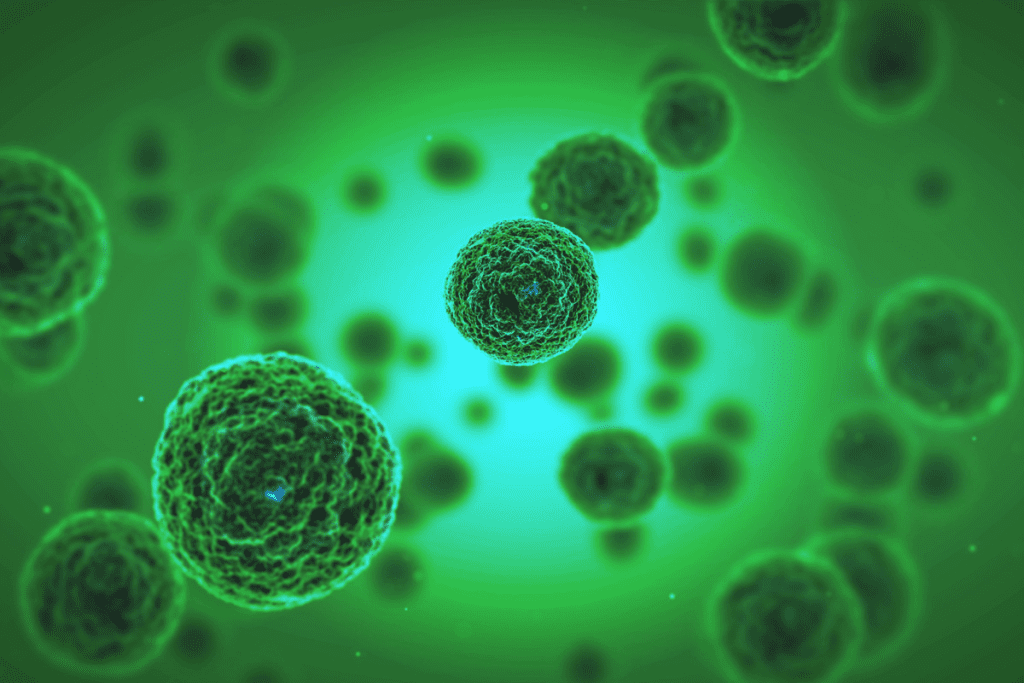
The human body can heal itself in amazing ways. Pluripotent stem cells are key to this process. Scientists are learning more about these cells for medical breakthroughs.
So, what are pluripotent stem cells? They can turn into any cell in our body. This makes them very important for studying health and diseases.
Key Takeaways
- Pluripotent stem cells have the ability to differentiate into any cell type.
- These cells are valuable for medical research and possible treatments.
- Learning about pluripotent stem cells helps us understand health and diseases better.
- Research on these cells is ongoing.
- The uses of pluripotent stem cells are endless.
The Fundamentals of Stem Cell Biology
Learning about stem cell biology is key to understanding pluripotent stem cells. These cells can grow and change into many types of cells. They are important for growth, tissue repair, and may aid in healing.
Cell Potency Spectrum
Stem cell potency shows how well they can change into different cell types. The range goes from totipotency, where cells can make a whole organism, to unipotency, where cells can only become one type. Pluripotent stem cells can turn into almost any cell type.
Stem Cell Self-Renewal and Differentiation
Stem cells can do two main things: self-renew and differentiate. They can grow more of themselves and turn into specific cells. This balance is key for growing and keeping tissues healthy.
| Cell Type | Potency | Differentiation Capacity |
| Totipotent | High | Can form a complete organism |
| Pluripotent | High | Can give rise to every somatic cell type |
| Multipotent | Moderate | Limited to differentiating into related cell types |
| Unipotent | Low | Can only differentiate into one cell type |
What Are Pluripotent Stem Cells?
Pluripotent stem cells can turn into almost any cell in the body. This makes them very useful for medical studies and treatments.
Definition and Key Characteristics
These stem cells can grow and change into many cell types. They have special markers that set them apart. Key characteristics include:
- The ability to differentiate into any somatic cell type
- Self-renewal capabilities
- Expression of specific pluripotency markers
Pluripotent vs. Multipotent vs. Totipotent Cells
It’s important to know the differences between these stem cells. Here’s a quick guide:
| Cell Type | Differentiation | Potential | Examples |
| Totipotent | Can differentiate into any cell type, including placental cells | Zygote | |
| Pluripotent | Can differentiate into any somatic cell type | Embryonic stem cells, induced pluripotent stem cells | |
| Multipotent | Can differentiate into multiple cell types within a specific lineage | Mesenchymal stem cells, hematopoietic stem cells |
The difference between these cells is key to their use in medicine and research.
Where Are Pluripotent Stem Cells Found?
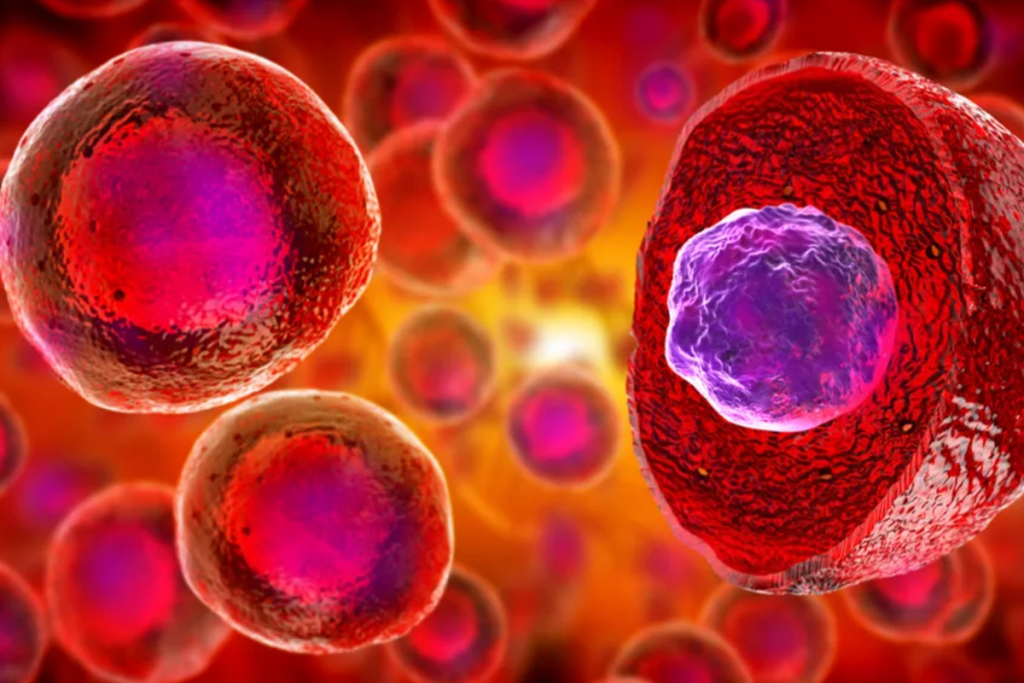
Human pluripotent stem cells are found in both embryonic and adult tissues. They are a big focus in research. This is because they can develop into many different cell types.
Embryonic Sources
These cells are mostly found in the early stages of an embryo. At this time, the embryo is made up of cells that can turn into any cell type. These cells are key for the embryo’s growth and come from the inner cell mass of the blastocyst.
Embryonic stem cells can be grown in a lab. This makes them very useful for research and could lead to new treatments.
Limited Presence in Adult Tissues
While not as common, some adult cells can also be pluripotent. These cells are not as easy to find as those in embryos. But they show promise for adult cell reprogramming and regeneration.
| Source | Characteristics | Potential Applications |
| Embryonic Tissues | High pluripotency, ability to differentiate into any cell type | Regenerative medicine, tissue engineering, drug discovery |
| Adult Tissues | Limited pluripotency, specific cell populations | Tissue repair, cellular reprogramming, personalized medicine |
Studying pluripotent stem cells from embryos and adults helps us understand human development and disease. More research is needed to unlock their full therapeutic promise.
Human Embryonic Stem Cells
Human embryonic stem cells can turn into any cell type. This makes them very useful for studying how cells develop and for finding new treatments.
Isolation and Cultivation Methods
To get human embryonic stem cells, researchers take them from the inner cell mass of a blastocyst. This is an early stage in a developing embryo. Then, they grow these cells in a lab using special media.
Cultivation methods have improved. Now, they use feeder layers and defined media to help these cells grow. This keeps them in a state where they can grow more and stay useful for research or treatments.
Ethical Considerations and Alternatives
Using human embryonic stem cells raises ethical considerations. This is because these cells come from human embryos. It leads to debates about the moral value of embryos and their use in treatments.
“The ethical issues surrounding human embryonic stem cells are complex and multifaceted, involving considerations of the alternative sources of pluripotent stem cells, such as induced pluripotent stem cells (iPSCs), which can be generated from adult cells. These alternatives aim to bypass the need for embryonic tissues while providing cells with pluripotent capabilities.”
To address these ethical concerns, scientists are exploring alternative sources of stem cells. For example, induced pluripotent stem cells (iPSCs) can be made from adult cells. These alternatives aim to avoid using embryos while maintaining the ability to create various cell types.
Human Induced Pluripotent Stem Cells (iPSCs)
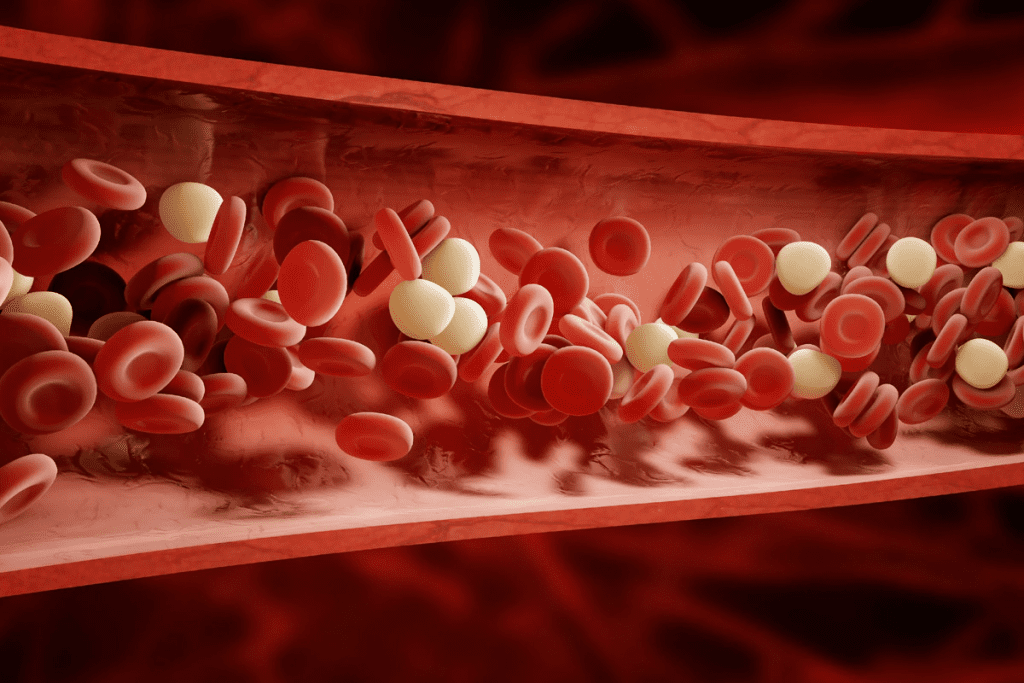
Induced pluripotent stem cells (iPSCs) are made from adult cells. This is thanks to the Yamanaka factors. These factors turn adult cells into a pluripotent state.
Yamanaka Factors and Reprogramming
To make iPSCs, researchers use Yamanaka factors. These are Oct4, Sox2, Klf4, and c-Myc. By adding these factors to adult cells, they can become iPSCs. These cells can then turn into different types of cells.
Comparison with Embryonic Stem Cells
iPSCs and embryonic stem cells (ESCs) are similar. They can grow and change into many cell types. But, iPSCs come from adult cells, not embryos. This makes them more ethical to use.
| Characteristics | iPSCs | ESCs |
| Origin | Adult cells | Embryos |
| Pluripotency | Yes | Yes |
| Ethical Concerns | Lower | Higher |
iPSCs are a big deal for research and medicine. They offer a way to use cells from patients for treatments.
Are Adult Stem Cells Pluripotent?
Adult stem cells were once thought to have limited abilities. But, new evidence shows they might be more versatile than we thought.
Traditional View of Adult Stem Cell Limitations
Adult stem cells, or somatic stem cells, were seen as less powerful than embryonic stem cells. They were thought to be multipotent. This means they could turn into several cell types, but only in specific areas of the body.
Evidence for Pluripotency in Select Adult Stem Cells
New studies suggest some adult stem cells might be pluripotent. This means they could turn into almost any cell type. For example, mesenchymal stem cells have shown they can differentiate more widely than before.
| Cell Type | Differentiation Potentia |
| Mesenchymal Stem Cells | Adipocytes, Osteoblasts, Chondrocytes |
| Hematopoietic Stem Cells | Blood Cells (all lineages) |
| Neural Stem Cells | Neurons, Astrocytes, Oligodendrocytes |
The table shows the wide range of cell types adult stem cells can become. It highlights their ability to create many different cell lineages.
Examples of Pluripotent Cells in Humans
Pluripotent cells in humans are key in stem cell biology. They can turn into almost any cell type. This makes them very important for medical and research uses.
Natural Pluripotent Cells
Natural pluripotent cells are found early in human development. Human embryonic stem cells (hESCs) are a great example. They come from the inner cell mass of blastocysts.
These cells can keep growing and turn into all three germ layers: ectoderm, endoderm, and mesoderm.
Artificially Derived Pluripotent Cells
Artificially made pluripotent cells are called induced pluripotent stem cells (iPSCs). They are made by changing somatic cells with special genes. This method lets researchers make pluripotent cells from adult tissues.
This is a big step forward. It means we don’t need to use embryonic cells anymore. It’s a big win for personalized medicine.
Both natural and artificially made pluripotent cells are beneficial. They help a lot in regenerative medicine, studying diseases, and finding new drugs. This shows how important it is to keep studying them.
Clinical Applications of Human Pluripotent Stem Cells
Human pluripotent stem cells can turn into many different cell types. This makes them very promising for regenerative medicine. They hold great potential for treating a wide range of diseases and injuries.
Regenerative Medicine Approaches
Regenerative medicine uses these stem cells to fix or replace damaged tissues and organs. This method could help with Parkinson’s disease, diabetes, and heart disease. For example, scientists are looking into using these cells to make insulin for diabetes.
“The use of human pluripotent stem cells in regenerative medicine represents a paradigm shift in how we approach disease treatment.” – A Stem Cell Researcher.
Disease Modeling and Drug Discovery
These stem cells are also great for studying diseases and finding new drugs. By creating cell models that mimic a disease, scientists can gain a deeper understanding of it. This helps in creating better treatments and personalized medicine.
Creating disease models with these stem cells helps researchers understand diseases like Alzheimer’s and muscular dystrophy. It lets them see how diseases progress and test new treatments.
The possibilities for using human pluripotent stem cells in medicine are huge. They can help in regenerative medicine, disease modeling, and finding new drugs. As research keeps improving, we’ll see more innovative treatments coming.
Technical Challenges in Pluripotent Stem Cell Research
Pluripotent stem cells hold great promise for medical therapies. Yet, several technical hurdles must be overcome to realize their benefits fully.
Tumorigenicity Concerns
One major challenge is the risk of tumorigenicity with pluripotent stem cells. These cells can form teratomas, a type of tumor, when transplanted. Researchers are working to reduce this risk. They aim to improve stem cell purity and find ways to remove undifferentiated cells.
Differentiation Efficiency and Purity
Another challenge is achieving efficient and precise differentiation of stem cells into specific cell types. Current methods often result in mixed cell populations. This can affect the safety and effectiveness of stem cell therapies.
Immune Rejection Issues
Immune rejection is a concern when using pluripotent stem cells in therapies. The immune system may see these cells as foreign, triggering an immune response. To address this, researchers are exploring personalized stem cell therapies and immunosuppressive drugs.
The main challenges include:
- Tumorigenicity concerns
- Differentiation efficiency and purity
- Immune rejection issues
Recent Breakthroughs in Pluripotent Stem Cell Research
Recent advancements in pluripotent stem cell research have opened new avenues for medical breakthroughs. The field has seen significant progress in areas like reprogramming methods, organoid development, and gene editing.
Improved Reprogramming Methods
One big breakthrough is the improvement in reprogramming methods. Researchers have made reprogramming somatic cells into induced pluripotent stem cells (iPSCs) more efficient and safer. These advancements have enhanced the use of iPSCs in regenerative medicine and disease modeling.
Organoid Development
Another area of progress is the development of organoids using pluripotent stem cells. Organoids are three-dimensional cell cultures that mimic organs. They have revolutionized developmental biology and are used for disease modeling, drug discovery, and personalized medicine.
Gene Editing in Pluripotent Stem Cells
Gene editing technologies, like CRISPR/Cas9, have been successfully applied to pluripotent stem cells. This has allowed researchers to correct genetic mutations and study genetic diseases. Gene editing in pluripotent stem cells holds great promise for new therapies.
The recent breakthroughs in pluripotent stem cell research have brought us closer to realizing their full medical promise. Continued advancements in reprogramming methods, organoid development, and gene editing will be key to translating these discoveries into clinical applications.
The Future of Human Pluripotent Stem Cell Therapies
The future of human pluripotent stem cell therapies looks very promising. As research grows, we will see big advances in medical treatments. This will help many people.
Personalized Regenerative Medicine
Personalized regenerative medicine is very exciting. It uses a patient’s own cells for treatments. This makes treatments safer and more effective.
Scaling Up Production for Clinical Use
To make these therapies available, we need to scale up production. We must keep safety and quality high. New technologies in biomanufacturing and cell culture are key.
Emerging Regulatory Frameworks
As these therapies move closer to use, emerging regulatory frameworks are vital. They help ensure these treatments are safe and work well. Regulatory bodies are creating rules that support innovation and protect health.
Conclusion
Human pluripotent stem cells are key in regenerative medicine. They can turn into many cell types. This opens doors for treating many diseases and injuries.
Researchers use these cells to study diseases in a lab. They can test new drugs and even replace damaged tissues. This is a big step forward.
Key advancements in stem cell research have been made. Understanding these cells has led to big breakthroughs in regenerative medicine. This gives us hope for new treatments.
As research continues to grow, the uses of pluripotent stem cells will also expand. This will change medicine a lot.
Do Humans Have Pluripotent Stem Cells?
Research shows that pluripotent stem cells are key in human growth. They could change medical treatments a lot.
Did you know some human cells can turn into almost any cell type? This is what pluripotent stem cells do. They are essential for studying health and disease.
It’s important to know if humans have pluripotent stem cells and how they work. This helps medical research grow and new treatments to be made.
Key Takeaways
- Pluripotent stem cells can turn into any cell type in the human body.
- The presence of these cells in humans is a topic of ongoing research.
- Understanding pluripotent stem cells is key for new medical treatments.
- These cells could change regenerative medicine a lot.
- Research on pluripotent stem cells is ongoing to use their power fully.
The Fundamentals of Stem Cell Biology
Understanding stem cell biology is key to unlocking human pluripotent stem cells’ full power. These cells can self-renew and differentiate into many specialized cell types.
Cell Potency Spectrum
Stem cell potency shows how well they can turn into different cell types. The spectrum goes from totipotency to unipotency.
- Totipotency: Can form a complete organism, including all embryonic and extraembryonic tissues.
- Pluripotency: Can become every somatic cell type in the body.
- Multipotency: Can turn into multiple cell types, but only within a specific lineage or tissue.
- Unipotency: Can only turn into one cell type.
Stem Cell Self-Renewal and Differentiation
Stem cells are special because they can self-renew and differentiate. Self-renewal keeps their numbers steady. Differentiation lets them become specialized cells. Keeping this balance is important. It’s managed by signaling pathways and transcription factors.
What Are Pluripotent Stem Cells?
Pluripotent stem cells can grow and change into many different cell types. They are special because they can become any type of body cell.
Definition and Key Characteristics
These cells can keep growing forever and can turn into any of the three main cell layers. This makes them very special and different from other stem cells.
The main traits of pluripotent stem cells include:
- They have certain genes like OCT4, SOX2, and NANOG.
- They can form tumors with many tissue types.
- They can change into many different cell types in a lab.
Pluripotent vs. Multipotent vs. Totipotent Cells
It’s important to know the difference between these stem cells:
- Totipotent cells can become any cell in the body and extraembryonic tissues. This is true in the very early stages of a baby’s development.
- Pluripotent cells can turn into any body cell but not extraembryonic tissues.
- Multipotent cells can only turn into a few cell types within a specific group.
Knowing these differences helps us understand the special abilities and uses of pluripotent stem cells in medicine and research.
Where Are Pluripotent Stem Cells Found?
Pluripotent stem cells are key in medical research. They can turn into almost any cell in the body. This makes them very useful for fixing damaged tissues and organs.
Embryonic Sources
Embryos are a main source of these cells. Early in development, cells can become any type of body cell. Human embryonic stem cells (hESCs) come from embryos a few days old.
These embryos are created for fertility treatments but are not needed. Scientists grow these cells in labs. This gives them a great tool for research and possible treatments.
Limited Presence in Adult Tissues
Adult bodies also have these special cells, but very few. These cells are called induced pluripotent stem cells (iPSCs) when scientists make them from adult cells. Research shows that some adult stem cells might be pluripotent under certain conditions.
Studying these cells in different places has led to new ways to help medicine. Understanding how and where these cells function is crucial for their therapeutic application.
Human Embryonic Stem Cells
Human embryonic stem cells come from the inner cell mass of a blastocyst, an early embryo. They can turn into any cell type in the body. This makes them very useful for research and possible treatments.
Isolation and Cultivation Methods
To get human embryonic stem cells, scientists take the inner cell mass from a blastocyst. They then grow these cells in a lab. To keep them growing and prevent them from changing, special conditions and growth factors are used.
Ethical Considerations and Alternatives
Using human embryonic stem cells is a topic of debate because it involves destroying embryos. To avoid this, scientists look at human-induced pluripotent stem cells (iPSCs). These cells are made by changing adult cells into a pluripotent state. iPSCs are seen as a good alternative without the ethical concerns of embryonic stem cells.
Human Induced Pluripotent Stem Cells (iPSCs)
Induced pluripotent stem cells (iPSCs) are made from adult cells. Scientists use special factors, called Yamanaka factors, to change these cells into a pluripotent state. This is similar to the state of embryonic stem cells.
Yamanaka Factors and Reprogramming
Reprogramming involves adding four key factors: Oct4, Sox2, Klf4, and c-Myc. Shinya Yamanaka and his team found these Yamanaka factors. They showed that these factors can turn adult cells into pluripotent cells, like embryonic stem cells.
The reprogramming process is complex. It changes how genes are expressed and how cells behave.
“The discovery of induced pluripotent stem cells has revolutionized the field of stem cell biology, providing a new avenue for generating pluripotent cells without the need for embryos.”
Comparison with Embryonic Stem Cells
Human iPSCs are similar to embryonic stem cells (ESCs). They can become many different cell types. But, they are made from adult cells, not embryos. This makes them a good choice for avoiding ethical issues.
Also, iPSCs can be made from a patient’s own cells. This could lead to personalized regenerative medicine.
But, there are challenges with using iPSCs. There’s a risk of tumorigenicity and the need for better reprogramming. Scientists are working hard to solve these problems and make the most of human iPSCs.
Are Adult Stem Cells Pluripotent?
Scientists have long debated if adult stem cells are pluripotent. Adult stem cells were once thought to only turn into specific cell types in their tissue. But, there’s a growing belief that they might be more versatile.
Traditional View of Adult Stem Cell Limitations
For a long time, it was believed that adult stem cells were multipotent. This meant they could only turn into a few cell types. Their limited ability was thought to come from their specific tissue and genetic marks.
Evidence for Pluripotency in Select Adult Stem Cells
But, new studies suggest some adult stem cells might be more flexible. For example, specific adult stem cells can act like pluripotent cells under the right conditions. This includes mesenchymal stem cells and induced pluripotent stem cells from adult tissues.
A leading researcher noted,
“The discovery of pluripotency in adult stem cells challenges our understanding of stem cell biology and opens new avenues for regenerative medicine.”
This change in thinking shows adult stem cells could be reprogrammed. This could make them more useful for treatments.
Examples of Pluripotent Cells in Humans
Pluripotent cells in humans are key in medical research and treatment. They can turn into almost any cell type. This makes them very useful for fixing damaged tissues and organs.
Natural Pluripotent Cells
Natural pluripotent cells are found in early stages of human development. Embryonic stem cells are a great example. They come from the inner cell mass of blastocysts. These cells can grow and change into all three germ layers: ectoderm, endoderm, and mesoderm.
Artificially Derived Pluripotent Cells
Artificially made pluripotent cells are called induced pluripotent stem cells (iPSCs). They are made by changing somatic cells with special genes, called Yamanaka factors. Like embryonic stem cells, iPSCs can turn into different cell types. This makes them great for studying diseases and creating personalized treatments.
Both natural and artificially made pluripotent cells have changed stem cell biology. They offer new ways to study human development and treat diseases.
Clinical Applications of Human Pluripotent Stem Cells
Human pluripotent stem cells are very versatile. They can turn into any cell type in the body. This makes them perfect for many medical treatments.
Regenerative Medicine Approaches
Regenerative medicine is a promising field for these cells. It aims to fix or replace damaged tissues and organs. Human pluripotent stem cells can become specific cells like neurons or muscle cells.
This could help treat many diseases, like Parkinson’s or heart failure. Researchers are looking into using these cells for new treatments. They could change how we treat degenerative diseases.
Disease Modeling and Drug Discovery
Human pluripotent stem cells are also great for disease modeling and drug discovery. They can create cells that mimic diseases. This helps researchers study diseases and test drugs.
These cells help us understand diseases better. They also speed up the discovery of new treatments. Plus, they can check if drugs work and are safe, without using animals.
Technical Challenges in Pluripotent Stem Cell Research
Pluripotent stem cells face several technical hurdles. These include concerns about tumors and the ability of cells to transform into different types. Overcoming these issues is key to using these cells for healing.
Tumorigenicity Concerns
A significant concern with pluripotent stem cell therapy is the risk of tumor formation. Undifferentiated pluripotent stem cells can form teratomas, which are tumors with many tissue types. To lower this risk, scientists are working on ways to differentiate cells before they are used thoroughly.
Differentiation Efficiency and Purity
Another challenge is ensuring pluripotent stem cells differentiate into the correct cell type with high purity. Current methods can be inefficient, resulting in mixed cell populations. It’s essential to improve these methods to get the right cells for treatments.
Immune Rejection Issues
When cells derived from pluripotent stem cells are transplanted, the immune system may perceive them as foreign. This can cause an immune reaction. Ways to deal with this include making patient-specific stem cells or using treatments to suppress the immune system.
| Challenge | Description | Potential Solution |
| Tumorigenicity | Risk of tumor formation from undifferentiated stem cells | Thorough differentiation before transplantation |
| Differentiation Efficiency | Inefficient differentiation protocols leading to mixed cell populations | Improving differentiation methods |
| Immune Rejection | Immune response against transplanted cells | Patient-specific stem cells or immunosuppressive therapies |
Recent Breakthroughs in Pluripotent Stem Cell Research
The field of pluripotent stem cell research has made significant strides. This is thanks to human-induced pluripotent stem cells (iPSCs). These advances are opening up new ways to help people and understand how cells work.
Improved Reprogramming Methods
One big leap is better ways to reprogram cells. Scientists have developed safer and more efficient methods to turn regular cells into iPSCs. This has reduced genetic mistakes and improved cell function.
Enhanced reprogramming efficiency comes from better reprogramming factors and small molecules. These tools help make high-quality iPSCs for research and treatments.
Organoid Development
Organoids are another big step forward. They are 3D cell cultures that look and act like real organs. This makes them great for studying diseases and testing drugs.
The use of organoids has changed regenerative medicine. It enables researchers to study complex processes more effectively. Organoids can be made for many organs, like the brain and liver.
Gene Editing in Pluripotent Stem Cells
Gene editing, like CRISPR/Cas9, works well with pluripotent stem cells. It lets scientists make precise changes to the genome. This helps them study genetic changes and make gene-corrected iPSCs for treatments.
Gene editing and stem cells together are very promising. They could treat genetic diseases by fixing cells before transplanting them. This gives hope to people with diseases that were hard to treat before.
The Future of Human Pluripotent Stem Cell Therapies
The future of human pluripotent stem cell therapies is auspicious. We are getting closer to new treatments in regenerative medicine. This is thanks to our growing understanding and use of these cells.
Personalized Regenerative Medicine
Personalized regenerative medicine is fascinating. It uses a patient’s own cells for treatments. This reduces the chance of immune rejection.
For example, induced pluripotent stem cells (iPSCs) can come from a patient’s skin or blood. Then, they can become the needed cell type. This method makes cells specific to the patient for therapy or testing.
Scaling Up Production for Clinical Use
Scaling up production is a big challenge. We need to keep the cells safe and of high quality. New bioreactor systems and improved culture conditions are currently under development.
Emerging Regulatory Frameworks
As these therapies get better, rules are changing to keep them safe. Regulatory bodies are establishing guidelines for the development, testing, and use of these treatments. These rules are crucial for delivering these treatments to patients.
In conclusion, the future of human pluripotent stem cell therapies looks bright. We’re seeing significant advancements in personalized medicine, as well as in the development and regulation of these treatments. As research keeps going, we’ll see these treatments in clinics soon. This will bring hope to patients all over the world.
Conclusion
The study of pluripotent stem cells has changed how we see human biology. It also shows great promise for new treatments.
These cells can turn into any cell type. This makes them very useful for fixing damaged tissues and organs.
They can be used in many ways, from treating diseases to creating personalized medicine. This is a big step forward in healthcare.
Even though there are challenges, scientists are making progress. They are learning more about how to use these cells for good.
As we learn more about pluripotent stem cells, we might find new ways to use them. This could lead to even more breakthroughs in medicine.
FAQ
What are pluripotent stem cells?
Pluripotent stem cells can turn into any cell type in the body. They are key for regenerative medicine and studying diseases.
Are adult stem cells pluripotent?
Adult stem cells are mostly multipotent. But, some can act like pluripotent cells under certain conditions.
What is the difference between pluripotent and multipotent stem cells?
Pluripotent stem cells can become any cell type. Multipotent stem cells can only become specific cell types within a tissue or lineage.
Where are pluripotent stem cells found?
You can find pluripotent stem cells in embryonic tissues. They can also be made artificially from adult cells.
What are human induced pluripotent stem cells (iPSCs)?
Human iPSCs are made by turning adult cells into pluripotent cells. This lets them become any cell type in the body.
What are the technical challenges associated with pluripotent stem cell research?
Challenges include concerns about tumor formation, cell differentiation, and immune rejection.
What are some recent breakthroughs in pluripotent stem cell research?
Recent advances include better reprogramming, making organoids, and editing genes in these cells.
Define pluripotent stem cells.
Pluripotent stem cells can renew themselves and turn into any cell type. This includes cells from all three germ layers: ectoderm, endoderm, and mesoderm.
What are the sources of pluripotent stem cells?
They can come from embryonic tissues or be made artificially from adult cells.
References
- Bhartiya, D. (2017). Pluripotent stem cells in adult tissues: Struggling to be acknowledged over two decades. Stem Cell Reviews and Reports, 13(6), 713-724. https://doi.org/10.1007/s12015-017-9756-y
- Labusca, L. (2019). Human adult pluripotency: Facts and questions. Stem Cells International, 2019, Article 9646318.

























