


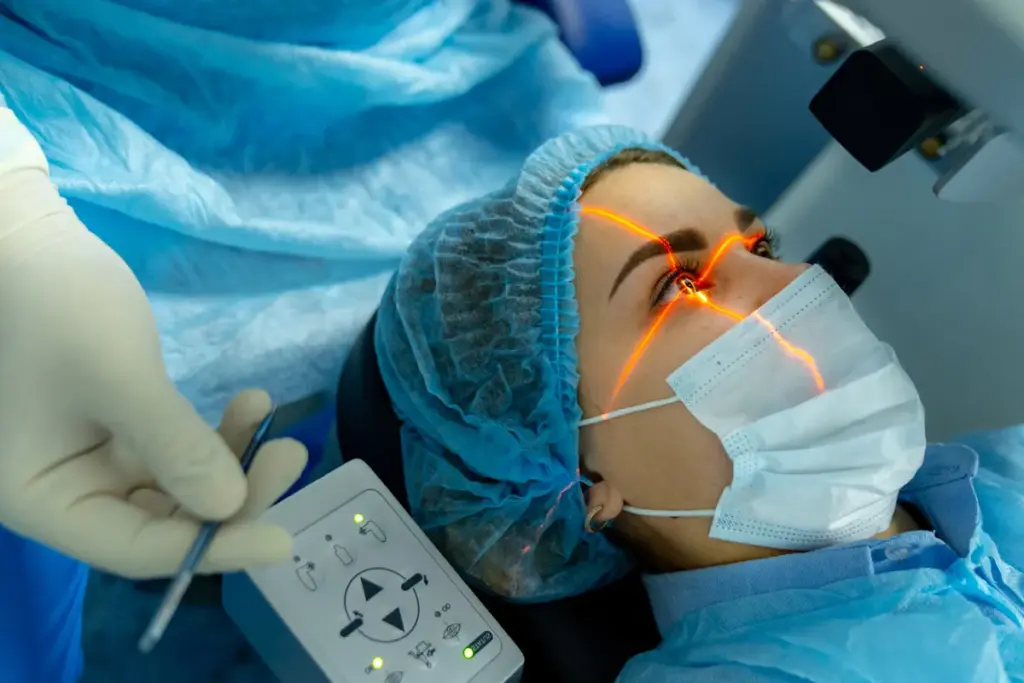
We think clear vision is key for a good life. This common surgery replaces a cloudy lens with a clear one. Our team at Liv Hospital uses advanced techniques and checks to keep you safe. We make a care plan just for you to ensure your comfort.
Many wonder how dangerous is cataract surgery when they meet us. The risk of cataract surgery is very low. We follow international safety rules to protect your eyes and help you recover smoothly. We’re here to guide you every step of the way for a stress-free journey to better sight.
Key Takeaways
- Most people experience safe results and greatly improved vision.
- Advanced clinical tools help us achieve high precision during care.
- Thorough exams before the catara surgery help identify concerns early.
- Liv Hospital follows elite global protocols to maintain your safety.
- Understanding possible side effects helps you prepare for a fast recovery.
- We provide complete support for all our international patients.
Understanding the Risks of Cataract Surgery

Knowing the risks of cataract surgery is key to making smart choices about your eyes. Cataract surgery is usually very effective. But, like any surgery, it can have some risks.
We’ll look at the possible risks and complications of cataract surgery. This includes infections, inflammation, retinal detachment, and vision changes. Knowing these risks helps you spot problems early and recover well.
Infection and Inflammation
Infection is a big risk after cataract surgery. Endophthalmitis is a serious infection inside the eye. It’s rare but can be very serious. Symptoms include eye pain, redness, light sensitivity, and vision loss. Quick treatment with antibiotics is vital to avoid lasting damage.
Inflammation is less severe but can happen too. It’s usually treated with eye drops. But, if not treated right, it can lead to more problems.
Retinal Detachment
Retinal detachment is a possible complication. It happens when the retina separates from the eye, causing vision loss. Symptoms include flashes, more eye floaters, and a shadow over your vision. If you see these signs, get medical help fast.
Retinal detachment is an emergency. It needs quick surgery to fix the retina and improve vision.
Posterior Capsular Opacification
Posterior capsular opacification (PCO) is a common issue after cataract surgery. It makes vision blurry again. PCO can be treated with a YAG laser capsulotomy. This procedure clears the cloudy area, making vision clear again.
Vision Changes and Glare
Some people see changes in vision after cataract surgery. This includes glare, halos, or trouble seeing at night. These can be due to the IOL or healing. Often, these issues get better over time.
But, for some, these vision changes don’t go away. Talking to your eye surgeon about different IOLs can help. This can lower the risk of these problems.
Preparing for Your Lens Operation

To get the best results from your cataract surgery, you need to prepare well. This means taking several important steps. These steps can greatly affect how well you do and how happy you’ll be with the surgery.
Choosing a Qualified Cataract Eye Doctor
Finding a good cataract eye doctor is key. A skilled doctor can give you the care you need and help avoid problems. Look for a doctor with:
- Experience in cataract surgeries
- Good qualifications and certifications
- Positive patient reviews
- Use of laser treatment for cataract technology
By looking at these things, you can choose a doctor who will help you have a great surgery.
Evaluating Laser Treatment for Cataract Options
Laser treatment for cataract surgery is a new tech that can make surgery better. It can make the surgery more precise and might cause fewer problems. When talking to your doctor about laser treatment for cataract, think about:
- The good and bad of laser-assisted surgery
- If this tech is right for your case
- The cost and if your insurance covers it
Managing Expectations for Recovery
It’s important to know what to expect when you’re recovering. Knowing what happens after surgery can help you follow your doctor’s advice better. Here are some things to keep in mind:
- How long it usually takes to recover
- What you need to do after surgery
- Any possible side effects and when to get help
Being informed and ready can make your recovery easier and help you get the best results from your eye surgery cataracts procedure.
Conclusion
Knowing what cataract surgery is important for those thinking about it. It’s a key treatment for cataracts. Understanding the risks helps patients make better choices and work with their doctors to stay safe.
Choosing to have cataract surgery is a big step. Picking a skilled eye doctor and following their advice can help avoid problems. Regular check-ups with your doctor are also key for a smooth recovery.
Cataract surgery is usually safe, but knowing the risks is important. Understanding the surgery and its risks can lead to better results. With proper care, most people see big improvements in their vision and life after surgery.
FAQ
What is a cataract surgery called and what does the procedure involve?
The most common technique is called phacoemulsification, which involves using ultrasound waves to break up the cloudy lens, removing the fragments, and replacing it with an artificial intraocular lens (IOL).
How dangerous is cataract surgery and what are the known risks?
It is considered one of the safest and most successful surgeries performed today; however, rare risks include infection (endophthalmitis), retinal detachment, or persistent inflammation.
Is laser treatment for cataract superior to traditional methods?
Laser-assisted surgery (using a femtosecond laser) offers higher precision for specific steps like the corneal incision, but clinical outcomes for vision are generally equivalent to traditional manual methods.
What should I look for in a cataract eye doctor?
You should look for a board-certified ophthalmologist with high surgical volume, specialized fellowship training in “cornea and external disease,” and access to modern diagnostic imaging.
What can I expect during the recovery from a lens operation?
Expect mild grittiness or itching for a few days, followed by rapidly improving vision; you will typically use antibiotic and anti-inflammatory eye drops for several weeks to ensure proper healing.
References
National Center for Biotechnology Information. Evidence-Based Medical Insight. Retrieved from https://pmc.ncbi.nlm.nih.gov/articles/PMC9007656/


 Departments
 Related Videos
 Our Doctors
 News
News


