
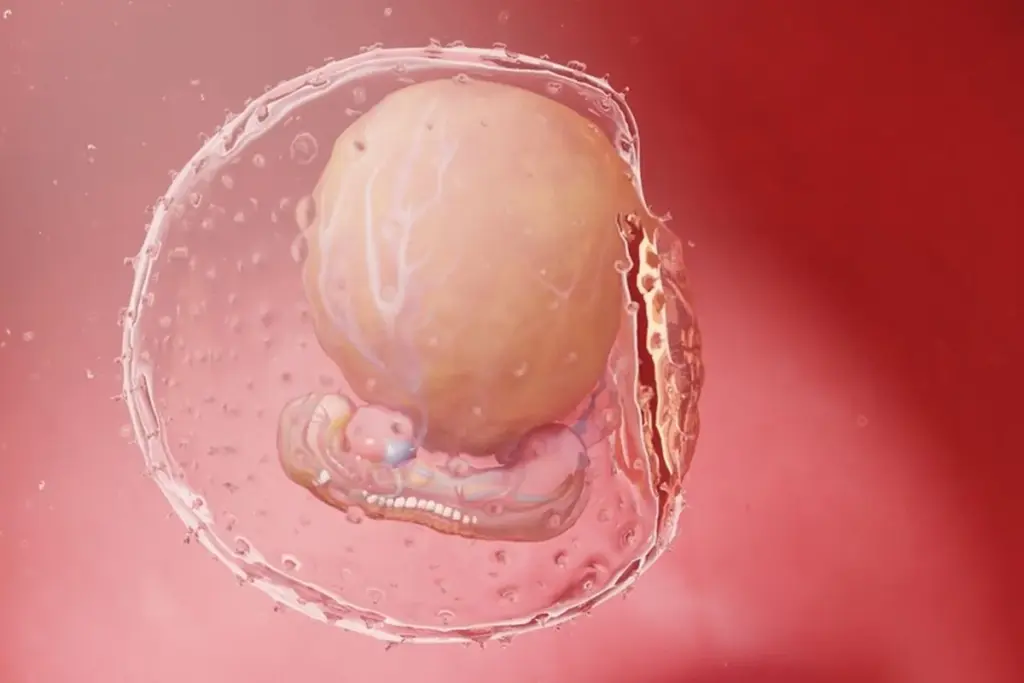
Starting a family through fertility treatment is filled with hope and challenges. Abnormal embryo development is a big obstacle for many. We aim to guide you through these complex issues with care and support.
Studies show that 80 to 90 percent of early cells have chromosomal issues after fertilization. Knowing this helps us improve fertility treatment success. We provide clear medical insights and the care you need on this journey.
Key Takeaways
- Chromosomal anomalies appear in the majority of early-stage cells.
- Research indicates high occurrence rates of nearly 90 percent.
- Identifying growth indicators is vital for successful clinical outcomes.
- Assisted reproduction requires precise screening and specialized care.
- Professional guidance helps navigate difficult reproductive health choices.
- Advanced technology helps identify structural issues early in the process.
Understanding the Complex Abnormal Embryo Challenge
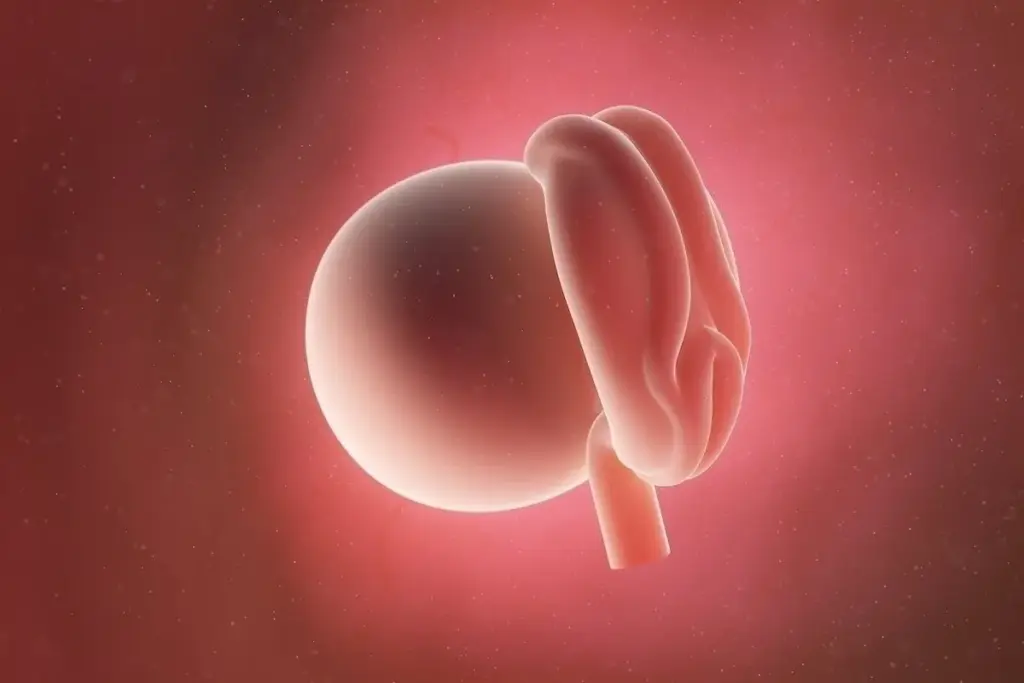
It’s key to grasp complex abnormal embryos to boost IVF success. These embryos pose a big hurdle in reproductive medicine. They affect the results of fertility treatments.
Defining Complex Abnormal Embryos in Reproductive Medicine
Complex abnormal embryos have many cell issues. This makes them a focus in reproductive medicine. These problems can be chromosomal, mosaicism, or other defects that harm the embryo’s health.
Mosaicism is when an embryo has both normal and abnormal cells. About 15 percent of embryos tested show mosaicism.
Prevalence Rates in IVF and Maternal Age Factors
The number of complex abnormal embryos in IVF depends on several things. Maternal age is a big factor. As women get older, the chance of chromosomal issues and other problems goes up.
| Maternal Age | Prevalence of Complex Abnormal Embryos |
| Under 35 | Lower rates of complex abnormalities |
| 35-40 | Increased rates of chromosomal abnormalities |
| Over 40 | Higher prevalence of complex abnormal embryos |
Maternal age is key in embryo abnormality rates. As women age, their eggs’ quality and health drop. This leads to more complex abnormalities.
Knowing these points is vital for doctors and those trying fertility treatments. It helps in making choices and planning treatments.
5 Critical Signs of Abnormal Embryo Development

Abnormal embryo development can greatly affect the success of fertility treatments. It’s important to recognize these signs to improve outcomes. Various factors, like chromosomal errors and morphological irregularities, can cause these issues. We will discuss the key indicators that healthcare providers look for when assessing embryo viability.
1. Chromosomal Numerical Errors: Aneuploidy Detection
Chromosomal numerical errors, such as aneuploidy, are a big sign of abnormal embryo development. Aneuploidy occurs when an embryo has an abnormal number of chromosomes. This can lead to failed implantation, miscarriage, or birth defects. Techniques like preimplantation genetic testing for aneuploidy (PGT-A) help identify these errors.
For example, conditions like trisomy (having an extra chromosome) or monosomy (missing a chromosome) are types of aneuploidy. PGT-A can detect these chromosomal abnormalities. By identifying these, we can improve the chances of a successful pregnancy.
2. Mosaic Cell Patterns in Preimplantation Embryos
Mosaicism is when an embryo has both normal and abnormal cells. Mosaic cell patterns can complicate the assessment of embryo viability. While some mosaic embryos can develop normally, others may face developmental issues.
- Mosaic embryos may have a chance of implantation and development.
- The risk with mosaic embryos depends on the type and proportion of abnormal cells.
- Advanced genetic testing can help identify mosaicism, aiding in the decision-making process for embryo transfer.
3. Multinucleated Blastomeres and Cellular Irregularities
The presence of multinucleated blastomeres is another sign of abnormal embryo development. Multinucleation occurs when a cell contains multiple nuclei. This is often associated with poor embryo quality and reduced viability. Embryos with multinucleated blastomeres may have a lower chance of successful implantation.
4. Excessive Cytoplasmic Fragmentation
Excessive cytoplasmic fragmentation is a sign of abnormal embryo development. Cytoplasmic fragments are small, irregular cell parts that can be observed during embryo development. High levels of fragmentation can be associated with poor embryo quality and reduced chances of successful implantation.
Understanding these critical signs of abnormal embryo development helps healthcare providers make better decisions. This can improve the chances of a successful pregnancy.
Conclusion
Understanding complex abnormal embryo development is key for bettering assisted reproductive technology. Recent studies show how vital it is to spot and grasp these complexities. This helps in boosting IVF success rates.
We’ve talked about the important signs of abnormal embryo growth. These include chromosomal mistakes, mosaic cells, multinucleated blastomeres, and too much cytoplasmic fragmentation. Spotting these signs is vital for making smart choices in fertility treatments.
By knowing the intricacies of embryo growth, healthcare teams can offer better support to those trying to conceive. This knowledge leads to more tailored care. It also raises the chances of a successful pregnancy.
As we learn more about abnormal embryo development, we’ll see big strides in reproductive technology. This progress will improve care for those seeking fertility help. It’s all part of our goal to provide top-notch healthcare.
FAQ
What defines a complex abnormal embryo in reproductive medicine?
A complex abnormal embryo has multiple structural or chromosomal defects, such as abnormal cell division, irregular nuclei, or genetic anomalies, which reduce its likelihood of implantation and healthy development.
Why is maternal age considered a significant factor in the development of an abnormal embryo?
As maternal age increases, the risk of chromosomal errors during egg division rises, leading to a higher incidence of aneuploidy and other abnormalities in embryos.
How does preimplantation genetic testing help in identifying a complex abnormal embryo?
Preimplantation genetic testing (PGT) analyzes the embryo’s chromosomes or specific genes before transfer, detecting aneuploidy, mosaicism, or genetic disorders to select embryos with the highest chance of healthy pregnancy.
What are mosaic cell patterns, and how do they affect embryo viability?
Mosaic embryos contain a mix of normal and abnormal cells; depending on the proportion of abnormal cells, viability may be reduced, but some mosaic embryos can still result in successful pregnancies.
Can an embryo with multinucleated blastomeres (cells with more than one nucleus) be healthy?
Multinucleated blastomeres usually indicate abnormal division and are often associated with reduced implantation potential, though very rarely, some embryos may still develop normally.
What impact does excessive cytoplasmic fragmentation have on fertility treatments?
High levels of cytoplasmic fragmentation can impair cell communication and development, decreasing implantation rates and the overall success of IVF or other assisted reproductive technologies.
References
National Center for Biotechnology Information. Evidence-Based Medical Insight. Retrieved from https://pmc.ncbi.nlm.nih.gov/articles/PMC10816670/



 Departments
 Related Videos
 Our Doctors
 News
News