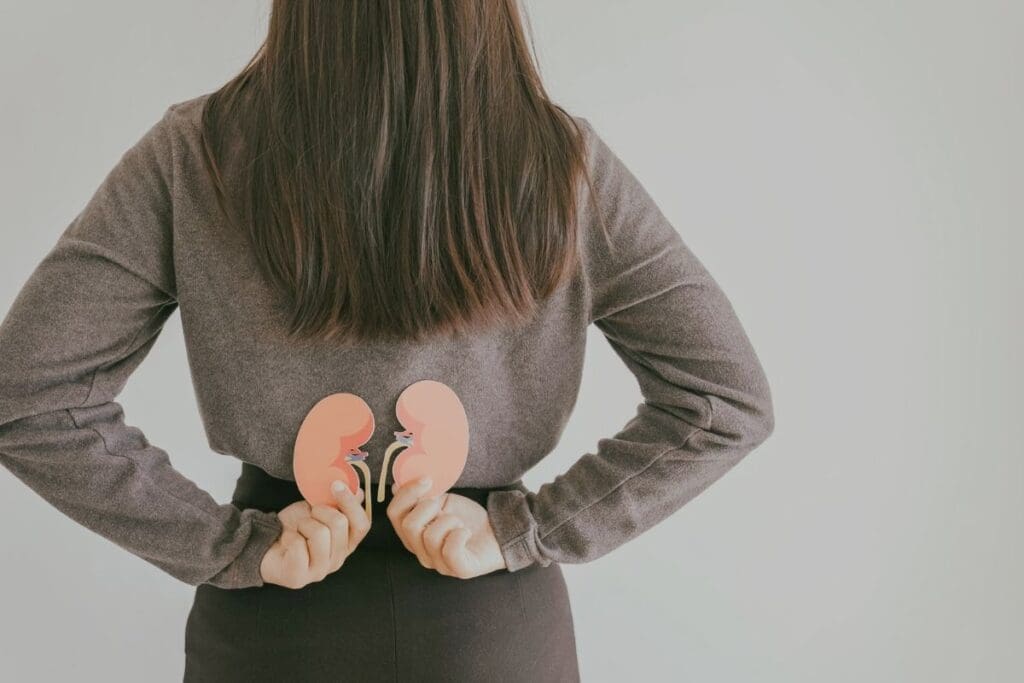
Discovering you have a kidney stone can be overwhelming. But knowing its size is the first step toward effective treatment. At Liv Hospital, we focus on patient care and medical outcomes. See pictures and size comparison to understand a 5 millimeter kidney stone.
A 5mm kidney stone is relatively small, about 0.2 inches wide. It’s as wide as a pencil eraser or half an aspirin tablet. Despite its size, it can cause a lot of discomfort as it moves through the urinary tract.
Knowing the size of a kidney stone is key for patients. It helps them understand how serious their condition is. At Liv Hospital, we are dedicated to guiding you through your treatment journey with clear support.
Key Takeaways
- A 5mm kidney stone is approximately 0.2 inches in size.
- It is roughly the width of a pencil eraser.
- Despite its small size, it can cause significant pain.
- Understanding the size helps in grasping the severity of the condition.
- Liv Hospital provides patient-centered care for kidney stone treatment.
What Are Kidney Stones and How Do They Form?

Kidney stones are solid masses that form in the kidneys when the urine’s chemical balance is off. They can be made of calcium oxalate, uric acid, or cystine. Knowing about kidney stones and how they form helps patients understand the challenges they face.
Definition and Basic Composition
Kidney stones, or renal calculi, are hard deposits of minerals and salts in the kidneys. The most common type is the calcium oxalate stone, linked to diet and metabolic issues. Other types include uric acid stones, cystine stones, and struvite stones, each caused by different factors.
| Type of Stone | Common Causes | Characteristics |
| Calcium Oxalate | Dietary factors, metabolic disorders | Most common type, often associated with hyperoxaluria |
| Uric Acid | Dehydration, diet high in animal protein | More common in men, associated with gout |
| Cystine | Genetic disorder causing cystinuria | Rare, tends to recur |
Common Causes of Kidney Stone Formation
Kidney stones often form due to dietary factors, dehydration, and genetic predispositions. When urine is concentrated, minerals can crystallize into stones. A diet high in oxalate, sodium, and animal protein increases the risk.
Risk Factors for Developing Kidney Stones
Several factors raise the risk of getting kidney stones. These include a family history, dehydration, obesity, and certain diets. Knowing these risk factors helps individuals prevent kidney stones.
Understanding the 5 Millimeter Kidney Stone

A 5mm kidney stone might seem tiny, but its size is key. It can pass on its own or need medical help. Kidney stones are measured in millimeters, a common medical unit.
Medical Measurement Standards
Doctors use ultrasound or CT scans to measure kidney stones in millimeters. This size helps them decide if the stone will pass or if they need to intervene. A 5mm stone is small, but its exact size affects treatment choices.
What 5mm Looks Like in Imperial Units
A 5mm kidney stone is about 0.2 inches in size. This helps people understand the stone’s size and its effects. While the metric system is used in medicine, imperial units can help some people grasp the size better.
Why Size Matters in Kidney Stone Diagnosis
The size of a kidney stone is very important for diagnosis and treatment. Stones 5mm or smaller often pass on their own. But, this depends on where the stone is and the patient’s health.
Medical Expert, a urologist, says, “The size of the stone is a key factor. It helps us decide if surgery is needed or if the stone will pass naturally.”
“The size of the kidney stone is a vital piece of information that guides our treatment decisions. A 5mm stone is on the borderline where we start to consider more active treatment options if it doesn’t pass naturally.”
Knowing the size of a kidney stone is important for patients and doctors. It shapes the treatment plan and affects what patients expect and prepare for.
Visual Comparisons: How Big Is a 5mm Kidney Stone?
To understand the size of a 5mm kidney stone, comparing it to everyday objects helps. These comparisons make the size easier to grasp.
Pencil Eraser Comparison
A 5mm kidney stone is about the same size as a standard pencil eraser. Pencil erasers are something we all know, making this comparison clear.
Aspirin Tablet Comparison
Another way to look at it is to say it’s half the size of a regular aspirin tablet. Aspirin tablets are well-known, helping us understand the size of a 5mm kidney stone better.
Grain of Rice and Small Pea Comparison
A 5mm kidney stone is a bit bigger than a grain of rice but smaller than a small pea. These comparisons give us a better idea of its size.
| Object | Size Comparison to 5mm Kidney Stone |
| Pencil Eraser | Similar width |
| Aspirin Tablet | Half the size |
| Grain of Rice | Larger |
| Small Pea | Smaller |
These comparisons show that a 5mm kidney stone is small but can cause a lot of pain if it blocks the urinary tract. Knowing the size and how it can affect us helps us understand our condition and the treatments needed.
Kidney Stone Size Chart: From Tiny to Large
Kidney stones vary in size, from tiny fragments to large stones. Each size has its own impact on patients. Knowing these sizes is key for diagnosis and treatment.
Small Stones (1-3mm)
Small kidney stones, 1 to 3 millimeters, often pass on their own. They might not cause severe pain. Sometimes, they can be treated without surgery.
Medium Stones (4-6mm)
Medium-sized stones, 4 to 6 millimeters, are a bit tricky. They might pass naturally, but the risk of complications grows. Medical help might be needed.
Large Stones (7-10mm and Beyond)
Large kidney stones, 7 millimeters or more, are a big challenge. They rarely pass on their own. Treatment can range from small procedures to surgery, based on the stone’s size and location.
- Small Stones (1-3mm): High chance of natural passage, often managed conservatively.
- Medium Stones (4-6mm): Moderate chance of natural passage, increased risk of complications.
- Large Stones (7mm+): Low chance of natural passage, often requiring medical intervention.
Passage Rates for Different Sized Kidney Stones
The size of a kidney stone greatly affects its chance of passing on its own. This is key in choosing the right treatment. Smaller stones are more likely to pass without help.
3mm and 4mm Stone Passage Statistics
Small kidney stones, like those 3mm or 4mm, often pass easily. Research shows a high chance of passing without medical help. 3mm kidney stones usually pass without causing much pain.
4mm kidney stones also pass often, but a bit less than 3mm stones. Doctors usually tell patients to drink lots of water and manage pain. The stone is likely to pass on its own.
5mm Stone Passage Rate
A 5mm kidney stone has a good chance of passing, with about 65% passing in 20 weeks. This shows that passing on its own is possible, but it varies. Hydration, health, and stone type play a role.
Passage Rates for Stones 6mm and Larger
Stones bigger than 5mm have a lower chance of passing on their own. For stones 6mm or larger, doctors often need to help. These larger stones need more attention and might need treatments that are more invasive.
| Stone Size (mm) | Passage Rate (%) | Typical Timeframe for Passage |
| 3mm | High (>80%) | Short (days to weeks) |
| 4mm | High (70-80%) | Short to Medium (weeks) |
| 5mm | 65% | Medium (up to 20 weeks) |
| 6mm and larger | Low ( | Long (varies, often requires intervention) |
Knowing these passage rates helps both patients and doctors make better choices. While small stones might pass easily, bigger ones often need more treatment.
Factors Affecting Natural Passage of 5mm Kidney Stones
Many things can influence if a 5mm kidney stone will pass on its own. The stone’s size is important, but other factors also play a big role. These factors help decide if the stone can move through the body naturally.
Stone Location in the Urinary Tract
Where the stone is in the urinary tract matters a lot. Stones near the bladder are more likely to pass than those in the kidney or stuck in the ureter.
The table below shows how location affects passage rates:
| Stone Location | Passage Rate |
| Kidney | 40% |
| Upper Ureter | 55% |
| Lower Ureter | 75% |
Individual Patient Factors
Things like a person’s health, body shape, and past stone experiences also matter. For example, people who have passed stones before might pass future ones more easily.
Key patient factors include:
- Age and overall health
- Previous kidney stone history
- Anatomical abnormalities
Hydration and Movement Effects
Drinking lots of water and moving around can help stones pass. Water helps flush out the stone, and movement can help dislodge it.
Knowing these factors can help patients make better choices. It might increase their chances of passing a 5mm kidney stone without medical help.
Medical Interventions for Kidney Stones Based on Size
Knowing the size of a kidney stone is key for doctors to pick the best treatment. The stone’s size helps decide if a patient needs simple care or a more serious procedure.
When Observation Is Recommended
For stones smaller than 5mm, doctors might suggest just watching and waiting. This means keeping an eye on symptoms and using tests like ultrasound or CT scans. Patients are told to drink lots of water and take pain meds as needed.
Watching small stones is often a good choice because they might pass on their own. But, it’s important to check in regularly to make sure the stone doesn’t grow or cause problems.
Ureteroscopy Procedure
Ureteroscopy is a small surgery to remove big or stuck stones. A tiny scope is put through the urethra and bladder to see the stone.
Key aspects of ureteroscopy include:
- Direct visualization of the stone
- Ability to remove or break up the stone
- Minimally invasive with a shorter recovery time compared to open surgery
Extracorporeal Shock Wave Lithotripsy (ESWL)
ESWL uses shock waves to break stones into smaller pieces. These pieces can then pass through urine. It’s often used for stones 6mm to 2cm in size, in the kidney or upper ureter.
Benefits of ESWL include:
- Non-invasive, reducing the risk of complications
- No surgical incisions
- Generally, a shorter procedure time compared to surgery
To better understand the treatment options and their outcomes, let’s examine the success rates of different interventions based on stone size.
| Stone Size | Treatment Option | Success Rate |
| <5mm | Observation | 80-90% |
| 5-10mm | Ureteroscopy or ESWL | 70-85% |
| >10mm | Ureteroscopy or Surgery | 60-80% |
Dealing with kidney stones can be tough. Knowing your stone’s size and the treatment options helps you make informed choices about your care.
Symptoms and Pain Levels of a 5mm Kidney Stone
Knowing the symptoms of a 5mm kidney stone is key for quick medical help and managing pain. A 5mm stone can cause a lot of discomfort. Knowing what to expect can help you get the right care.
Typical Pain Presentation and Severity
The pain from a 5mm kidney stone is sharp and feels like waves. It can get worse and then better, only to come back again. How bad the pain is can differ from person to person, but it’s usually very intense.
Pain Management is very important when dealing with kidney stones. Some people can handle their pain with over-the-counter meds. But others might need stronger prescription drugs.
Urinary Symptoms Associated with 5mm Stones
A 5mm kidney stone can also cause urinary symptoms. You might feel the need to urinate more often, feel urgent, or have discomfort while doing so. Some people might also see blood in their urine, which could mean the stone is irritating or damaging the urinary tract.
| Symptom | Description |
| Frequent Urination | Needing to urinate more often than usual |
| Urgency | Sudden, intense need to urinate |
| Dysuria | Pain or discomfort while urinating |
| Hematuria | Presence of blood in the urine |
When to Seek Emergency Medical Care
While many kidney stones can pass on their own, some need emergency care. If you have severe pain that doesn’t get better with meds, fever, vomiting, or signs of infection, get help right away.
Also, if you’ve had kidney stones before and are showing symptoms again, see a doctor. This could mean a new stone or other problems.
Identifying Passed Kidney Stones
Knowing if you’ve passed a kidney stone is important. You can find them in your urine or toilet. Looking at them closely helps understand what they are and why they formed.
Appearance in Urine or Toilet
Passed kidney stones look different based on their makeup. They might be small and smooth or larger and jagged. It’s key to search the urine or toilet bowl well, as they can be missed.
Color and Texture Variations
The color and texture of a passed kidney stone give clues about its type. They can be white, yellow, brown, or black. Their texture can be smooth to rough. Knowing these details helps figure out the stone’s type and cause.
- Calcium stones are usually white or tan and can be smooth or rough.
- Uric acid stones are often yellow or brown and can be smooth.
- Cystine stones are typically yellow or white and have a smooth surface.
Collection Methods for Medical Analysis
It’s important to collect a passed kidney stone for medical tests. Use a strainer or a collection device to catch it. Then, store it in a clean container and bring it to a healthcare provider.
Healthcare providers can analyze the stone to learn about its makeup. This helps them guide you on how to avoid future stones. This info is key for a prevention plan tailored just for you.
Prevention Strategies After Passing a 5mm Stone
Passing a 5mm kidney stone is just the start. It’s time to focus on preventing more stones. We’ll share ways to lower your risk of getting another stone.
Dietary Modifications
Your diet is key in preventing kidney stones. Reducing sodium intake is important. High sodium can lead to more calcium in your urine, which can cause stones. Try to keep sodium under 2,300 milligrams a day.
Eating more citrate-rich foods like lemons and oranges is helpful. They stop stones from forming. Also, fruits, vegetables, and whole grains are good for your urinary health.
- Lowering animal protein can help avoid uric acid stones.
- If you have calcium oxalate stones, eat fewer oxalate-rich foods.
- Keep your calcium intake balanced. Too little can increase oxalate absorption.
Hydration Requirements
Drinking enough water is vital to prevent stones from coming back. Aim to make at least 2 liters of urine a day. This dilutes your urine, making it less likely for minerals to form stones.
“The best way to prevent kidney stones is to drink plenty of water. If you’re at risk, your doctor may recommend other fluids as well.”
Check your urine color to see if you’re drinking enough water. It should be pale yellow. If it’s darker, you might not be drinking enough.
Medication Options for Recurrence Prevention
In some cases, medicine is needed to stop stones from coming back. Thiazide diuretics can lower calcium in your urine. Potassium citrate increases citrate levels, helping prevent certain stones.
If you have uric acid stones, allopurinol can help by lowering uric acid. Always follow your doctor’s advice on medication. The right type and amount depend on your specific situation and stone type.
By making dietary changes, staying hydrated, and using medication if needed, you can greatly reduce your risk of getting another kidney stone.
Conclusion: Living with and Managing Kidney Stone Risk
Understanding and managing kidney stone risk is key for those who have had a stone, like a 5mm kidney stone. We’ve looked at how kidney stones form and what affects their movement. To avoid future stones, it’s important to be proactive.
Managing risk means making smart lifestyle choices and sometimes using medical treatments. Changing what you eat, drinking enough water, and using certain medicines can help. Getting help from doctors is also vital for those dealing with kidney stones.
By focusing on managing kidney stones, people can lower their risk and live better. We aim to offer the support and info needed to manage kidney stones well.
FAQ
What is a 5mm kidney stone comparable to in size?
A 5mm kidney stone is about the size of a pencil eraser. It’s half the size of a standard aspirin tablet. It’s also similar to a grain of rice or a small pea.
How likely is a 5mm kidney stone to pass naturally?
About 65% of 5mm kidney stones pass on their own within 20 weeks. But, passing a stone naturally depends on its location, your health, and how much you drink.
What are the typical symptoms of a 5mm kidney stone?
A 5mm kidney stone can cause sharp, colicky pain. You might also feel like you need to urinate often, urgently, or feel discomfort while doing so.
What treatment options are available for a 5mm kidney stone?
For a 5mm kidney stone, you might just need to wait and see if it passes. Or, you might need a procedure like ureteroscopy or ESWL to help it move or remove it.
How can I prevent future kidney stones after passing a 5mm stone?
To prevent future stones, change your diet, drink plenty of water, and consider medication. Eating less of certain foods and drinking more can help.
What is the appearance of a passed kidney stone?
Passed kidney stones look different in color, texture, and size. They might show up in your urine or toilet. Their look can tell doctors a lot about your health.
Can a 5mm kidney stone cause severe pain?
Yes, a 5mm kidney stone can be very painful. The pain is sharp and can be quite severe. If the pain is too much, seek emergency care.
How do I collect a passed kidney stone for medical analysis?
To catch a passed kidney stone, use a strainer or a special device in the toilet. Then, take it to your doctor for analysis.
What are the risk factors for developing kidney stones?
Factors that increase your risk of kidney stones include your diet, not drinking enough water, genetics, and your overall health. Knowing these can help you prevent stones.
How big is a 3mm or 4mm kidney stone?
A 3mm stone is like a small grain of sand. A 4mm stone is a bit bigger. Both can be compared to small objects to understand their size.
Can you pass a 9mm or 10mm kidney stone naturally?
Passing a 9mm or 10mm stone naturally is less likely than smaller ones. These larger stones might need medical help to pass or be removed.
References
Scales, C. D., Jr., Smith, A. C., Hanley, J. M., & Saigal, C. S.; Urologic Diseases in America Project. (2012). Prevalence of kidney stones in the United States. European Urology, 62(1), 160–165.https://pubmed.ncbi.nlm.nih.gov/22498635/