
At Liv Hospital, we know how vital quick and accurate diagnosis is after a heart attack. We focus on our patients, using the latest diagnostic tests to spot myocardial infarction fast.
Spotting a myocardial infarction needs several key tests. The first one is the electrocardiogram (ECG). It finds electrical changes from heart injury. We also use cardiac biomarkers and imaging tests to make sure and help with treatment.
Key Takeaways
- Timely diagnosis is key in treating a heart attack.
- ECG is the first test for heart injury.
- Cardiac biomarkers and imaging tests confirm the diagnosis.
- Liv Hospital uses a patient-focused approach for accurate diagnosis.
- Advanced diagnostic tests help with quick care and treatment.
Understanding Heart Attacks: Critical Signs and Symptoms
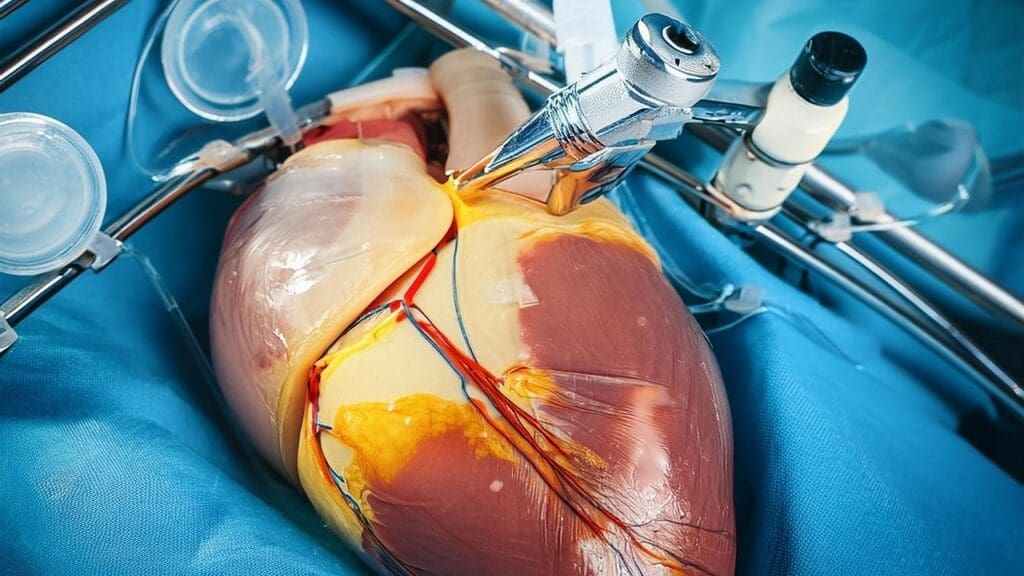
Knowing the signs of heart attacks can save lives. Quick diagnosis and treatment are key to better outcomes. Heart attacks happen when blood flow to the heart is blocked, damaging the heart muscle.
Recognizing the Warning Signs of a Myocardial Infarction
Symptoms of a heart attack vary by person. Common signs include chest pain, shortness of breath, and pain in arms, back, neck, jaw, or stomach. It’s vital to recognize these signs and get help right away. Some people, like women, older adults, and those with diabetes, might not show typical symptoms.
Why Rapid Diagnosis is Crucial for Survival
Quick diagnosis is key for treating heart attacks. Studies show that fast treatment improves outcomes. Early diagnosis means quicker action, like clot-busting drugs or angioplasty to fix blood flow.
Diagnosing a heart attack involves medical history, physical exam, ECG, and blood tests. Knowing how to diagnose heart attacks helps doctors make the right decisions for patients.
The Importance of Timely Testing for Heart Attack

In modern cardiology, timely testing for heart attacks is key. Every minute matters when a heart attack happens. Quick diagnosis and treatment can greatly improve patient outcomes.
The Golden Hour: Why Time Matters in Heart Attack Diagnosis
The “golden hour” is a critical time in heart attack diagnosis. It’s the first hour after symptoms start. During this time, quick testing and treatment can greatly improve survival chances.
Early diagnosis leads to prompt treatment, lowering the risk of complications and improving patient outcomes. We know that speed and accuracy are both important. We aim to ensure patients get the right care quickly.
How Early Testing Improves Patient Outcomes
Early testing for heart attacks lets healthcare providers start treatment fast. This helps protect the heart muscle and lowers the risk of complications. It also improves long-term survival rates.
Research shows early diagnosis and treatment of heart attacks can greatly improve patient outcomes.
By focusing on timely testing, we can greatly improve patient care. Our goal is to provide quick and accurate diagnoses. This ensures patients get the best treatment for heart attacks.
Electrocardiogram (ECG): The First-Line Test for Heart Attack
ECGs are key in quickly spotting heart attacks by catching electrical heart changes. When a heart attack is suspected, an ECG is usually the first test done.
How ECGs Detect Electrical Changes in the Heart
An ECG records the heart’s electrical activity over time. It uses electrodes on the skin to pick up tiny electrical signals from the heart. These signals help doctors see if the heart is stressed or damaged.
STEMI vs. NSTEMI: What ECG Results Tell Doctors
ECG results help doctors tell if it’s a STEMI or NSTEMI heart attack. STEMI shows a big ST segment rise, meaning a blocked artery. NSTEMI doesn’t show this rise but might have other signs like ST depression or T-wave inversion.
Limitations of ECG Testing
Even though ECGs are great for spotting heart attacks, they’re not perfect. Some heart attacks might look normal on an ECG, making it hard to diagnose early. So, doctors look at symptoms and other tests too.
| ECG Finding | Clinical Implication |
|---|---|
| ST Elevation | STEMI, indicating complete coronary artery blockage |
| ST Depression or T-wave inversion | Possible NSTEMI or ischemia |
| Normal ECG | May not rule out myocardial infarction; clinical correlation needed |
Cardiac Biomarkers: Essential Blood Tests for Myocardial Infarction
Cardiac biomarkers are key in spotting and treating heart attacks. They are substances in the blood that show when the heart is hurt. Doctors use these tests to find heart attacks quickly and accurately.
Troponin: The Gold Standard in MI Blood Work
Troponin is a protein in heart muscle cells. When these cells get damaged, troponin goes into the blood. This makes troponin a top choice for finding heart attacks.
High troponin levels mean a bigger risk of heart attack. So, doctors use troponin to confirm MI.
Creatine Kinase (CK-MB): Secondary Marker for Heart Damage
Creatine kinase (CK-MB) is also in heart muscle cells. It’s not as precise as troponin but is used as a backup. CK-MB levels go up after a heart attack, helping doctors diagnose.
Timing and Interpretation of Cardiac Enzyme Tests
When to take cardiac enzyme tests is very important. Troponin and CK-MB levels change at different times after a heart attack. Knowing this helps doctors understand test results better.
| Biomarker | Rises After Heart Attack | Peaks | Returns to Normal |
|---|---|---|---|
| Troponin | 2-3 hours | 12-24 hours | 5-14 days |
| CK-MB | 3-6 hours | 12-24 hours | 2-3 days |
Understanding cardiac biomarkers like troponin and CK-MB helps doctors treat heart attacks better. These tests are vital in emergencies. They help doctors act fast, saving lives.
Echocardiogram: Visualizing Heart Function and Damage
Doctors use echocardiography when they think someone might have had a heart attack. This test is non-invasive and uses sound waves to show the heart’s structure and function. It helps doctors see if there’s any damage.
How Echocardiography Works in Heart Attack Diagnosis
Echocardiography uses a probe to send sound waves at the heart. These sound waves bounce back, creating detailed images. Doctors can then see how well the heart is pumping and if there are any problems.
What Doctors Look for in Post-Heart Attack Echocardiograms
After a heart attack, doctors check how much damage there is with echocardiograms. They look for signs like a heart that’s not pumping well or damaged walls. They also check for complications like mitral regurgitation or ventricular septal defects. This helps them decide the best treatment and predict how well the patient will do.
Doctors use echocardiography along with other tests to understand the heart’s condition fully. This way, they can make a treatment plan that works best for the patient.
Coronary Angiography: Identifying Arterial Blockages
Coronary angiography is key in diagnosing heart attacks. It shows the coronary arteries. A special dye is used to make the arteries visible on an X-ray. This helps doctors spot any blockages or issues.
The Procedure: What Patients Can Expect
During coronary angiography, a small catheter is inserted through an artery. It’s done through the leg or arm and goes to the coronary arteries. The procedure is done under local anesthesia, so patients are awake but relaxed.
This method has changed cardiology. It gives a clear view of the coronary arteries. This helps doctors make better treatment plans.
How Angiograms Guide Treatment Decisions
The findings from a coronary angiogram are vital. They help doctors choose the right treatment for heart attack patients. They can decide on angioplasty, stenting, or CABG based on the blockages.
| Treatment Option | Description | Indications |
|---|---|---|
| Angioplasty | A procedure to widen narrowed or obstructed arteries. | Significant blockages in major coronary arteries. |
| Stenting | Placement of a stent to keep the artery open. | After angioplasty to prevent re-narrowing. |
| CABG | Surgical bypass of blocked coronary arteries. | Multiple blockages or complex coronary artery disease. |
Risks and Benefits of Coronary Angiography
Coronary angiography is a valuable tool but comes with risks. These include bleeding, infection, and artery damage. But, the benefits of accurate diagnosis and treatment often outweigh these risks.
In conclusion, coronary angiography is vital in managing heart attacks. It provides essential information about blockages and guides treatment decisions.
Advanced Imaging Tests for Heart Attack Diagnosis
Advanced imaging tests are key in diagnosing and managing heart attacks. They give us detailed info about the heart’s structure and function. This helps us see how much damage a heart attack has caused.
Cardiac CT Scans: Detailed Views of Heart Anatomy
Cardiac CT scans are a non-invasive way to see the heart’s anatomy. They give us high-resolution images of the coronary arteries. This helps us spot blockages and understand the risk of future heart attacks.
“Cardiac CT scans have changed how we diagnose and treat heart conditions,” says a top cardiologist.
Cardiac MRI: Assessing Tissue Damage After Heart Attack
Cardiac MRI is a powerful tool for checking tissue damage after a heart attack. It shows detailed images of the heart’s structure and function. This lets us see how much damage there is and plan the best treatment.
Cardiac MRI is great for spotting scar tissue and checking the heart’s overall function.
Nuclear Stress Tests: Evaluating Blood Flow to the Heart
Nuclear stress tests check blood flow to the heart muscle. A small amount of radioactive material is injected into the bloodstream. This lets us see how the heart’s blood flow changes under stress.
This test helps us find areas where blood flow is low. This can mean coronary artery disease or other heart issues.
Using these advanced imaging tests helps us better diagnose and manage heart attacks. This leads to better care for our patients.
Stress Testing: Checking for Heart Attack Risk and Damage
We use stress testing to see how well the heart works under stress. This is key for spotting heart attack risks. Stress tests show how the heart reacts to exercise or medicine, giving us important health insights.
Exercise Stress Tests: When and Why They’re Used
Exercise stress tests, or treadmill tests, check heart function during activity. Patients walk on a treadmill or bike while their heart rate and ECG are watched. This test finds signs of heart problems and helps diagnose coronary artery disease.
Pharmacological Stress Tests for Limited Mobility Patients
For those who can’t do exercise tests, pharmacological stress tests are an option. These tests use medicine to mimic exercise effects on the heart. They’re great for patients with certain health issues or those who can’t exercise.
By mixing stress test results with other tools, we get a full picture of heart health. This helps us create a good treatment plan.
The Complete Diagnostic Process: How Doctors Diagnose a Myocardial Infarction
When a patient might have had a heart attack, doctors use a detailed plan to check it out. They look at the patient’s medical history and do several tests. This helps them figure out if it’s a heart attack and how serious it is.
The Diagnostic Algorithm for Suspected Heart Attacks
The first step is usually an electrocardiogram (ECG) and blood tests. These tests look for signs of heart damage. They help doctors decide if they need to do more tests.
Combining Test Results for Accurate Diagnosis
Doctors use all the test results together to make a diagnosis. This includes ECGs, blood tests, and imaging studies. It helps them understand the heart attack’s type and how bad it is. This information guides the treatment.
| Test | Purpose | Key Findings |
|---|---|---|
| ECG | Detects electrical changes in the heart | STEMI or NSTEMI indication |
| Blood Tests | Checks for cardiac biomarkers | Elevated troponin levels |
| Imaging Studies | Visualizes heart function and damage | Assessment of cardiac function |
When Additional Testing May Be Necessary
Sometimes, more tests are needed to confirm the diagnosis or see how much damage there is. This could be stress tests, echocardiograms, or coronary angiography.
By using a detailed plan and combining test results, doctors can accurately diagnose heart attacks. They can then create a good treatment plan for the patient.
Emergency vs. Non-Emergency Test for Heart Attack: What to Expect
When a heart attack is suspected, the path to diagnosis differs. Emergency situations require quick action, while non-emergency testing is more careful.
Tests Performed in the Emergency Room
In the emergency room, speed is key. We do tests quickly to learn about the heart’s state. An Electrocardiogram (ECG) is often the first test. It can show signs of a heart attack right away.
| Test | Purpose | Emergency Use |
|---|---|---|
| ECG | Detects electrical changes in the heart | Immediate |
| Troponin Blood Test | Measures heart muscle damage | Within hours |
Follow-up Testing After a Heart Attack
After the emergency, follow-up tests are vital. They help see how much damage the heart has and guide treatment. Tests like echocardiograms and stress tests check heart function and for complications.
“Follow-up testing is key to understanding a heart attack’s impact. It helps tailor treatment and rehabilitation plans.”
Knowing the difference between emergency and non-emergency testing helps patients. It ensures they get the right care.
International Guidelines for Heart Attack Diagnosis
International guidelines are key in diagnosing heart attacks correctly and quickly. These rules, made by top organizations, help doctors around the world follow the same steps. This ensures everyone gets the right care for a heart attack.
American Heart Association Recommendations
The American Heart Association (AHA) has clear guidelines for heart attack care. They stress the need for fast action and treatment. The AHA says doctors should use a mix of checks, like ECGs and blood tests, to spot heart attacks.
European Society of Cardiology Guidelines
The European Society of Cardiology (ESC) also has guidelines that match the AHA’s. The ESC focuses on finding heart attacks early with special blood tests. They push for a common way to diagnose heart problems.
Evolving Standards in Myocardial Infarction Diagnosis
As science moves forward, so do the rules for diagnosing heart attacks. New updates bring in the latest tech and methods. This helps doctors give the best care possible.
| Organization | Key Recommendations |
|---|---|
| American Heart Association | Rapid assessment using ECG and cardiac biomarkers |
| European Society of Cardiology | Use of high-sensitivity troponin assays for early detection |
Conclusion: The Future of Heart Attack Diagnosis
Timely and accurate heart attack diagnosis is key to saving lives. The tests and procedures we’ve discussed are essential for spotting myocardial infarctions and guiding treatment. With new cardiac biomarkers and imaging tests, the future of diagnosis is bright.
Diagnostic technology is making big strides, helping us detect heart attacks faster and more accurately. These improvements not only save lives but also lead to more tailored treatments. As research keeps advancing, we’ll see even better tests for diagnosing heart attacks.
The future of diagnosis is exciting, with ongoing research aiming to make diagnostics even better. By keeping up with these advancements, healthcare professionals can keep improving patient care and outcomes for those at risk of heart attacks.
What are the key tests used to diagnose a heart attack?
To diagnose a heart attack, doctors use several tests. These include the Electrocardiogram (ECG), cardiac biomarkers like troponin, and echocardiography. They also use coronary angiography and advanced imaging like cardiac CT scans and MRI.
How is myocardial infarction diagnosed using cardiac biomarkers?
Doctors use blood tests to check for heart damage. They look for troponin levels in the blood. High levels mean the heart has been damaged.
What is the role of ECG in diagnosing a heart attack?
An ECG shows electrical changes in the heart. It helps doctors see if a heart attack is happening or has happened. It also tells if it’s a STEMI or NSTEMI.
What is the “golden hour” in heart attack diagnosis?
The “golden hour” is the first hour after a heart attack. Quick medical help during this time can greatly improve outcomes. It’s a critical time for diagnosis and treatment.
How does echocardiography help in diagnosing and managing heart attacks?
Echocardiography shows how well the heart is working and any damage. Doctors use this info to decide on treatment.
What is coronary angiography, and how is it used in heart attack diagnosis?
Coronary angiography finds blockages in arteries. It helps doctors see how bad the blockages are and where they are. This guides treatment choices.
Are there different guidelines for diagnosing heart attacks internationally?
Yes, different groups like the American Heart Association and the European Society of Cardiology have guidelines. These guidelines might vary slightly.
What is the importance of timely testing for heart attack?
Quick testing for heart attacks is key. It helps save lives by allowing for early treatment and better outcomes.
How do stress tests help in assessing heart attack risk and damage?
Stress tests check how the heart works under stress. They help doctors see the risk of heart attack and how much damage there is.
What is the diagnostic algorithm for suspected heart attacks?
The algorithm for diagnosing heart attacks includes several steps. It starts with a clinical check, then ECG, biomarkers, and imaging tests. This helps make an accurate diagnosis.
How do doctors combine test results for accurate diagnosis?
Doctors use ECG, biomarkers, and imaging tests together with clinical checks. This combination helps them accurately diagnose heart attacks.
What tests are performed in the emergency room for suspected heart attack?
In the emergency room, doctors do ECG, biomarkers, and sometimes echocardiography or coronary angiography. These tests help quickly figure out if it’s a heart attack.
What follow-up testing may be necessary after a heart attack?
After a heart attack, doctors might do echocardiography, stress tests, and other imaging tests. These tests help check the heart’s function and guide ongoing care.
REFERENCES
- NHS UK (Heart attack diagnosis) : https://www.nhs.uk/conditions/heart-attack/diagnosis
- American Heart Association (AHA) (Diagnosing a Heart Attack) : https://www.heart.org/en/health-topics/heart-attack/diagnosing-a-heart-attack
- NHLBI (Heart Attack Diagnosis) : https://www.nhlbi.nih.gov/health/heart-attack/diagnosis