
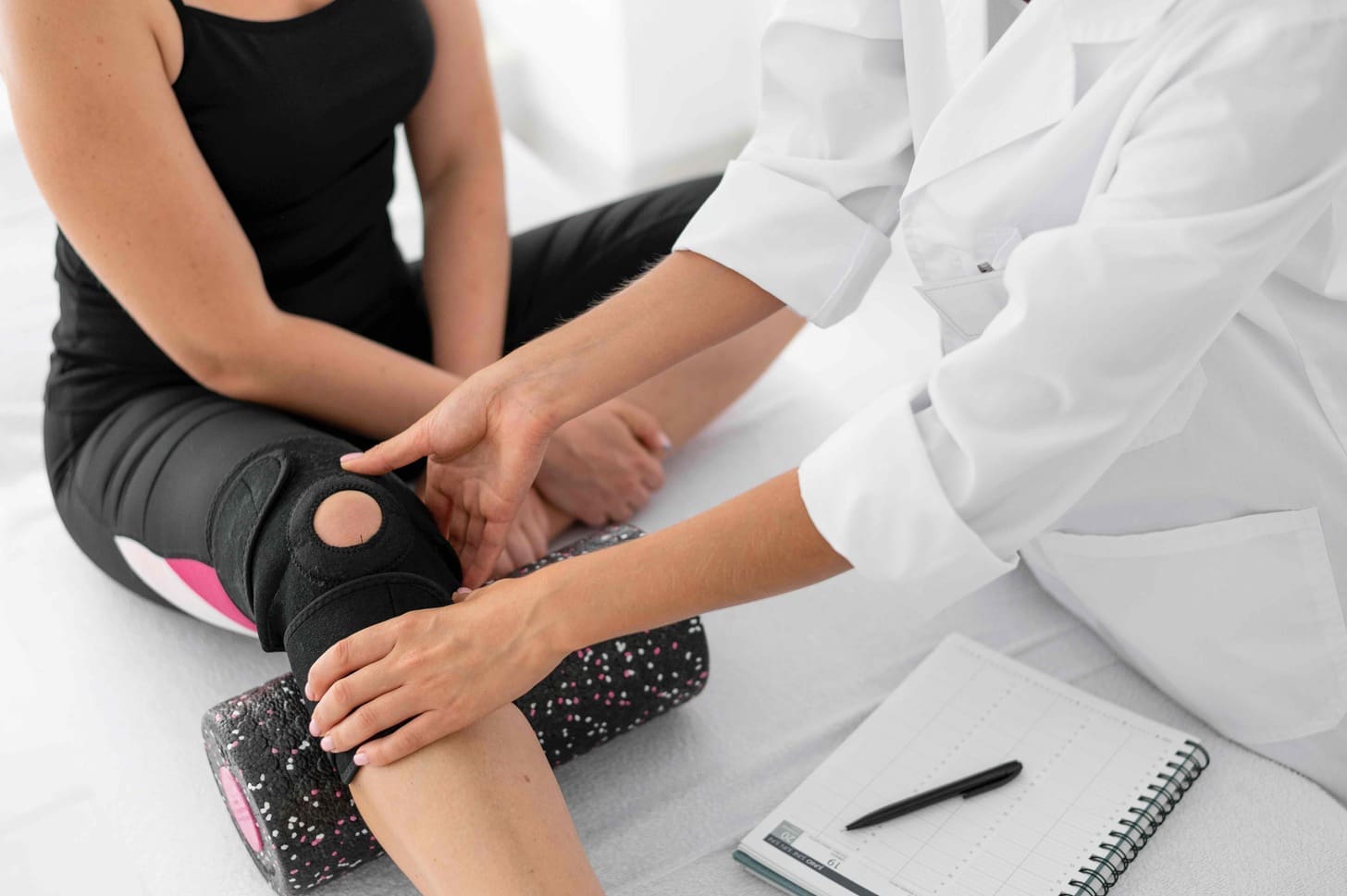
Many people with severe knee pain from arthritis or cartilage loss worry about knee replacement surgery. New studies show that 80% of those told they need total knee replacement might find relief without surgery.
At Liv Hospital, we know how tough it is to deal with healthcare costs and stress. That’s why we aim to give top-notch care to all our patients, including those from abroad. We look into seven nonsurgical treatments that could help those who don’t want surgery.
Key Takeaways
- Nonsurgical and minimally invasive treatments can delay or prevent knee replacement.
- Up to 80% of patients advised to consider total knee replacement could benefit from alternative options.
- Liv Hospital provides world-class healthcare with complete support for international patients.
- Seven alternatives to knee replacement surgery are available, giving hope to those seeking other options.
- Emerging research supports the use of nonsurgical treatments for knee pain relief.
Understanding Knee Pain and When Surgery is Typically Recommended

Knee pain can come from many sources, like degenerative conditions, injuries, and overuse. Knowing the causes helps find the right treatment. It’s key to look at all factors that affect knee pain.
Common Causes of Severe Knee Pain
Severe knee pain often comes from osteoarthritis, rheumatoid arthritis, and cartilage loss. These can wear down the joint, causing pain and limiting movement. Age, weight, and past injuries also play a big role.
Osteoarthritis is a top cause of knee pain, affecting millions globally. It breaks down cartilage, leading to bone-on-bone contact and pain, says the Arthritis Foundation.
The “Bone on Bone” Diagnosis Explained
A “bone on bone” diagnosis means the cartilage is gone, causing bones to rub. This leads to pain, discomfort, and limited movement. Doctors use X-rays or MRIs to make this diagnosis.
| Condition | Description | Typical Symptoms |
|---|---|---|
| Osteoarthritis | Degenerative joint disease causing cartilage loss | Pain, stiffness, limited mobility |
| Rheumatoid Arthritis | Autoimmune disease causing joint inflammation | Pain, swelling, joint deformity |
| Cartilage Loss | Deterioration of cartilage in the joint | Pain, grinding sensation, limited mobility |
Traditional Approach: Total Knee Replacement
Total knee replacement is considered when pain is severe and other treatments fail. It replaces the joint with artificial parts to ease pain and improve function. Though effective, it’s a big surgery with risks and a long recovery.
The 80% Statistic: Who Might Benefit from Alternatives
Up to 80% of those advised to get a total knee replacement might find nonsurgical or minimally invasive options better. This shows there are other treatments that could help avoid major surgery. Options include physical therapy, weight management, bracing, and injections.
“Up to 80% of patients who are candidates for total knee replacement may find alternative treatments effective in managing their knee pain,” according to recent studies. This emphasizes the importance of exploring all available options before opting for surgery.
Understanding knee pain and treatment options helps make informed decisions. It’s vital to talk to healthcare professionals to find the best treatment for each person.
Physical Therapy and Rehabilitation Programs
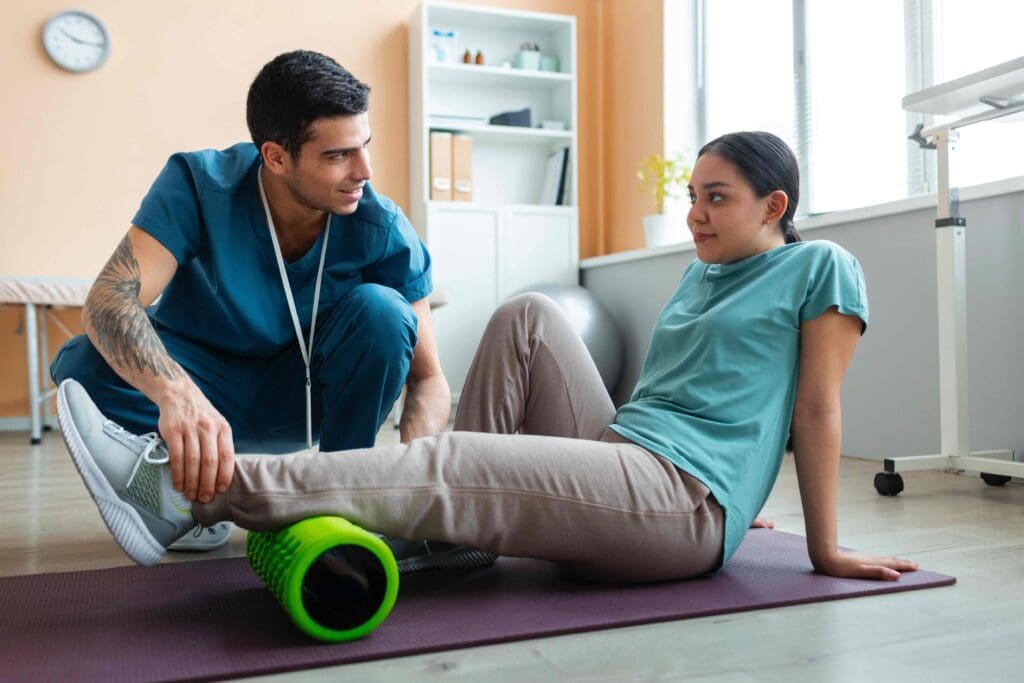
Physical therapy and rehabilitation are key in treating knee pain. They can delay or prevent knee replacement surgery. Targeted exercises and pain management help improve knee stability and function.
Targeted Exercises for Knee Stability
Exercises are vital for strengthening knee muscles, improving stability, and reducing pain. Strengthening the quadriceps and hamstring muscles is essential. A physical therapist can create a custom exercise plan.
- Straight leg raises to strengthen the quadriceps
- Hamstring curls to strengthen the back of the leg
- Leg press exercises to work multiple muscle groups
These exercises enhance knee stability and improve lower limb function.
Pain Management Through Movement
Pain management is a key part of rehabilitation. Gentle movements can reduce pain and improve knee function. Aquatic therapy and cycling are low-impact and beneficial for severe knee pain.
Success Rates and Expected Outcomes
Well-structured physical therapy and rehabilitation can greatly improve knee pain outcomes. Success depends on the severity of knee damage, patient compliance, and the physical therapist’s expertise.
| Program Component | Expected Outcome | Success Rate |
|---|---|---|
| Targeted Strengthening Exercises | Improved knee stability | 80% |
| Pain Management Techniques | Reduced pain levels | 75% |
| Low-Impact Aerobics | Enhanced overall function | 85% |
Understanding physical therapy and rehabilitation benefits helps individuals make informed treatment choices. This can potentially avoid knee replacement surgery.
Weight Management and Nutritional Approaches
Weight has a big impact on knee health. Keeping a healthy weight is key to managing knee pain. We’ll look at how diet and exercise can help instead of surgery.
Impact of Weight on Knee Joint Pressure
Extra weight adds stress to the knee, speeding up wear and tear. For every pound, the knee feels several times that pressure, like when walking. Losing weight can ease this stress and slow knee damage.
Studies show losing just 5% of body weight can improve knee pain and function a lot. We suggest diet changes and exercise for a healthy weight.
Anti-Inflammatory Diet Strategies
An anti-inflammatory diet can lessen knee pain by reducing body inflammation. Foods like salmon and sardines are good for this. Also, eating more fruits, veggies, and whole grains helps.
- Eat foods full of antioxidants, like berries and leafy greens.
- Choose whole grains over processed ones.
- Drink less processed foods and sugars.
Supplements That Support Joint Health
Some supplements can help with joint health and knee pain. Glucosamine and chondroitin may keep cartilage healthy. Omega-3 fatty acids in fish oil can also fight inflammation.
- Talk to a doctor before taking supplements.
- Try turmeric or curcumin for their anti-inflammatory benefits.
- Choose high-quality supplements from trusted brands.
Bracing and Assistive Devices
We look at how bracing and assistive devices help with knee pain. These tools are made to ease stress on the knee, lessen pain, and boost movement.
Types of Knee Braces for Different Conditions
Knee braces vary, each tackling a unique knee problem. Prophylactic knee braces aim to prevent injuries, mainly in sports. Functional knee braces support knees after injuries or surgery.
Unloader knee braces are great for knee osteoarthritis. They shift weight off the damaged knee part, easing pain and boosting function.
Walking Aids to Reduce Joint Pressure
Walking aids like canes and walkers lessen knee joint pressure. They help spread weight, easing pain and improving movement.
Choosing the right walking aid is key. For example, a cane in the opposite hand of the affected knee can ease knee stress.
Adaptive Equipment for Daily Activities
Adaptive gear makes daily tasks simpler for those with knee pain. Reachers and grabbers cut down on bending and straining. Shower chairs and benches offer safety and comfort while bathing.
Using these tools daily helps keep independence and lowers knee pain risk.
Exploring Alternatives to Knee Surgery: Injection Therapies
For those looking for knee surgery alternatives, injection therapies are a good option. They are becoming more popular for managing knee pain. This gives patients choices beyond surgery.
Corticosteroid Injections
Corticosteroid injections help reduce knee inflammation and pain. They contain strong anti-inflammatory drugs. These injections can offer quick relief, but they’re not a long-term fix and may need to be done again.
Hyaluronic Acid (Viscosupplementation)
Hyaluronic acid injections, or viscosupplementation, aim to restore knee joint lubrication. They involve injecting hyaluronic acid into the knee. This can improve joint function and mobility, making it great for osteoarthritis patients.
Platelet-Rich Plasma (PRP) Therapy
Platelet-rich plasma (PRP) therapy uses the patient’s own blood to stimulate healing. It’s made by processing the blood to concentrate platelets and growth factors. Injected into the knee, PRP can help repair tissues and reduce inflammation, providing a potentially lasting solution for knee pain.
Stem Cell Treatments
Stem cell treatments are a new approach to knee pain management. They use stem cells to repair damaged knee tissues. While promising, their effectiveness and safety are being studied in clinical trials.
In conclusion, injection therapies offer various options for knee pain management. Understanding these options helps patients make informed decisions. Always consult a healthcare professional to find the best treatment for your needs.
Low-Impact Exercise and Movement Therapies
For those with knee pain, low-impact exercises and movement therapies are great alternatives to surgery. These activities help improve joint mobility and strengthen muscles around the knee. They also reduce pain without putting too much strain on the joint.
Aquatic Therapy Benefits
Aquatic therapy, or water therapy, is a low-impact exercise done in water. The water’s buoyancy lessens the weight on the knees, making movement easier. It helps improve range of motion, strengthens muscles, and eases pain.
Benefits of Aquatic Therapy:
- Reduced joint stress due to buoyancy
- Improved range of motion
- Enhanced muscle strength
- Pain relief through gentle exercise
Cycling and Elliptical Training
Cycling and elliptical training are low-impact exercises that can be adjusted for different fitness levels. They are great for knee health because they promote movement without high-impact stress.
| Exercise | Benefits for Knee Health |
|---|---|
| Cycling | Improves knee mobility, strengthens surrounding muscles |
| Elliptical Training | Provides a low-impact, full-body workout |
Tai Chi and Yoga for Joint Mobility
Tai chi and yoga combine gentle exercises with deep breathing. They aim to improve flexibility, balance, and strength. These are key benefits for those with knee pain.
Benefits of Tai Chi and Yoga:
- Improved flexibility and balance
- Enhanced strength and stability
- Reduced stress and pain
Adding low-impact exercises and movement therapies to a treatment plan can help avoid knee replacement surgery. It’s wise to talk to a healthcare professional about creating a personalized exercise plan.
Newest Minimally Invasive Alternatives to Knee Replacement
Minimally invasive procedures are changing how we manage knee pain. They offer relief without the need for big surgeries. These new treatments aim to cut down on recovery time and lower the risks of traditional knee replacement surgery.
Genicular Artery Embolization (GAE)
Genicular Artery Embolization (GAE) is a new method that targets abnormal blood vessels causing knee pain. It blocks these vessels to reduce inflammation and pain. This helps patients with osteoarthritis find relief.
Research shows GAE can greatly lessen knee pain in those who haven’t seen results from other treatments. It’s great for those who don’t qualify for surgery or want to avoid big treatments.
Radiofrequency Ablation for Nerve Pain
Radiofrequency ablation is a treatment that uses radio waves to heat up and disable pain nerves. It’s very good at managing chronic knee pain that other treatments can’t fix.
This procedure targets specific pain nerves, giving long-lasting relief. It’s done on an outpatient basis, so patients can go home the same day.
Subchondroplasty for Bone Marrow Lesions
Subchondroplasty is a surgery for bone marrow lesions, which cause a lot of pain. It uses a special tool to fix the damaged bone, helping it heal and reducing pain.
| Procedure | Description | Benefits |
|---|---|---|
| Genicular Artery Embolization (GAE) | Blocks abnormal blood vessels to reduce inflammation and pain | Minimally invasive, reduces recovery time |
| Radiofrequency Ablation | Uses heat to ablate nerves that transmit pain signals | Long-term pain relief, outpatient procedure |
| Subchondroplasty | Repairs damaged bone to promote healing and reduce pain | Minimally invasive, promotes bone healing |
Arthroscopic Procedures
Arthroscopic procedures use a small camera and tools to diagnose and treat knee problems. They can fix issues like cartilage damage and meniscal tears.
Arthroscopy has many benefits. It uses smaller incisions, causes less tissue damage, and has quicker recovery times than open surgery. Surgeons can see the knee joint clearly and make precise repairs.
Complementary and Alternative Medicine Approaches
There are more ways to manage knee pain than just traditional treatments. We’ll explore these options. Therapies like acupuncture and massage can help ease knee pain. They give patients more choices for treatment.
Acupuncture for Knee Pain Relief
Acupuncture is a traditional Chinese medicine that uses thin needles to help the body heal. It can reduce knee pain and improve function. If you’re interested, talk to a licensed acupuncturist about your options.
Massage and Manual Therapies
Massage and manual techniques can help with knee pain. They relax muscles, improve blood flow, and reduce tension. These therapies work well with other treatments like physical therapy.
Benefits of massage and manual therapies include:
- Reduced muscle spasms and tension
- Improved joint mobility and flexibility
- Enhanced circulation and nutrient delivery to the affected area
- Promoted relaxation and reduced stress levels
Topical Treatments and Heat/Cold Therapy
Topical treatments like creams can help with pain when applied to the skin. Heat and cold therapy can also help. Heat relaxes muscles, while cold reduces inflammation.
When using these treatments, remember to:
- Always read and follow the product instructions or consult with a healthcare professional.
- Start with a small test area to check for any adverse reactions.
- Use the therapy as directed, avoiding excessive or prolonged application.
Adding these therapies to your treatment plan can offer more options for knee pain management. We suggest talking to your healthcare provider about these alternatives.
Conclusion: Creating Your Personalized Plan to Prevent Knee Replacement
Exploring alternatives to knee replacement surgery can help patients make better choices. We’ve looked at seven options that can ease knee pain. By choosing the right mix of these alternatives, you might avoid needing knee replacement surgery.
At Liv Hospital, we’re here to help you on your path to better knee health. We suggest working with your doctor to create a treatment plan that fits you. This plan could include physical therapy, managing your weight, using braces, or getting injections, among other options.
Being proactive about your knee health can help you avoid surgery. We’re committed to giving you top-notch care and support. Our goal is to help you achieve the best knee health and overall well-being.
What are the alternatives to knee replacement surgery?
We offer many alternatives to knee replacement surgery. These include physical therapy and rehabilitation programs. Also, weight management and nutritional approaches are available. Bracing and assistive devices, injection therapies, and low-impact exercise are options too. We also offer complementary and alternative medicine approaches.
Can knee pain be managed without surgery?
Yes, many people can manage knee pain without surgery. By using a mix of our alternative treatments, like physical therapy and weight management, you can find relief.
What is the “bone on bone” diagnosis, and can it be treated without surgery?
“Bone on bone” means the cartilage in your knee joint has worn away. This makes bone rub against bone. We have many alternatives to surgery, like injection therapies and bracing, to help with the pain.
How can I prevent knee replacement surgery?
To prevent knee replacement surgery, keep a healthy weight and exercise regularly. Using treatments like physical therapy and injection therapies can also help.
What is genicular artery embolization (GAE), and how does it help with knee pain?
Genicular artery embolization (GAE) is a procedure that blocks blood flow to the knee. This reduces inflammation and pain. It’s a good alternative to surgery for some patients.
Are there any dietary changes that can help manage knee pain?
Yes, eating anti-inflammatory foods and supplements can help with knee pain. We suggest working with a healthcare professional to create a diet plan that supports joint health.
Can alternative therapies like acupuncture and massage help with knee pain?
Yes, therapies like acupuncture and massage can help with knee pain. They can reduce pain and improve overall well-being.
What are the benefits of aquatic therapy for knee health?
Aquatic therapy is good for knee health. It provides a low-impact exercise environment. This can improve joint mobility and reduce pain.
How can I find out if I’m a candidate for alternatives to knee replacement surgery?
To find out if alternatives are right for you, talk to a healthcare professional. Together, you can create a treatment plan that meets your needs and promotes long-term well-being.
Reference
- Healthline. (2022). Alternatives to Knee Replacement Surgery. Retrieved from https://www.healthline.com/health/total-knee-replacement-surgery/alternatives
- NHS. (n.d.). Alternatives to a knee replacement. National Health Service (UK). Retrieved from https://www.nhs.uk/conditions/knee-replacement/alternatives/
- UCLA Newsroom. (2020). An Alternative to Knee Replacement. Retrieved from https://newsroom.ucla.edu/magazine/alternative-knee-replacement
- WebMD. (n.d.). Treating Knee Pain Without Surgery. Retrieved from https://www.webmd.com/pain-management/knee-pain/knee-pain-treatment