
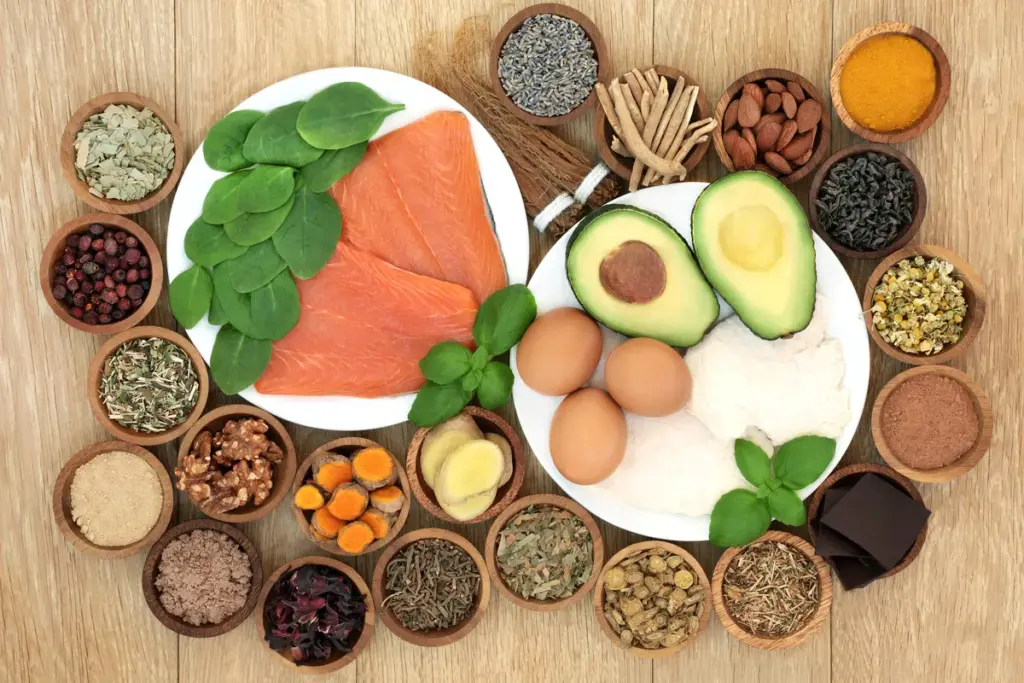
Depression and anxiety touch millions of lives, making everyday tasks hard. Research in nutritional psychiatry shows that some foods can help manage mental health. At Liv Hospital, we see how food affects our minds, using the latest science to help our patients.
The Mediterranean diet has been a game-changer for mental health in studies. Foods packed with omega-3s, like fatty fish, are great for the brain. A study on 7 foods to eat to fight depression and anxiety shows how diet can make a big difference.
Key Takeaways
- Dietary interventions can significantly improve depression and anxiety symptoms.
- The Mediterranean diet has demonstrated benefits for mental health.
- Foods rich in omega-3s, like fatty fish, support brain health.
- Nutritional psychiatry offers a complementary approach to traditional mental health treatments.
- Informed dietary choices can support overall mental well-being.
The Science Behind Diet for Depression and Mental Health

Diet is key to our mental health. Certain foods affect our brain chemistry and overall health. Research shows that what we eat can help manage depression and anxiety.
How Nutrition Affects Brain Chemistry
Nutrition deeply impacts our brain, mood, and mental health. Omega-3 fatty acids in foods like salmon lower anxiety and depression. Eating fruits, vegetables, and whole grains supports a healthy gut-brain connection, vital for our mental health.
Studies link eating more fruits and veggies to better mental health. These foods offer antioxidants and nutrients that protect our brain from stress and inflammation.
Research on Dietary Interventions for Mental Health
Recent studies explore how diet can improve mental health. They show that specific diets can help manage depression and anxiety symptoms. Key findings include:
- The importance of omega-3 fatty acids in reducing symptoms of depression.
- The role of the gut-brain axis in mental health, with probiotics and prebiotics showing promise.
- The benefits of a balanced diet that includes a variety of whole foods.
Understanding diet’s impact on mental health helps us make better food choices. Adding the best foods to fight depression to our diet is a step towards better mental health.
7 Powerful Foods to Include in Your Anti-Depression Diet

Some foods can help improve your mood and mental health. The Mediterranean diet, full of fresh foods, is great for your mind. Adding the right foods to your diet can help support your mental well-being.
1. Fatty Fish Rich in Omega-3s
Fatty fish like salmon are packed with omega-3s. These fats reduce inflammation and boost brain health. Omega-3s, EPA, and DHA, are key for brain function and better mental health.
Nutritional Benefits: Omega-3 fatty acids, protein, vitamin D.
2. Colorful Fruits and Berries
Colorful fruits and berries are full of antioxidants. These protect the brain from damage. Berries like blueberries and strawberries are also rich in vitamin C and flavonoids, which help your mood.
3. Leafy Green Vegetables
Leafy greens like spinach and kale are full of folate. Folate helps control mood. Not having enough folate can lead to depression, making greens important for your diet.
Nutritional Benefits: Folate, vitamins A, C, and K.
4. Nuts and Seeds
Nuts and seeds are good for you because of their healthy fats and magnesium. Magnesium helps with anxiety and depression. Almonds, pumpkin seeds, and sunflower seeds are all good sources.
Nutritional Benefits: Healthy fats, magnesium, protein.
| Food Group | Nutritional Benefits | Examples |
| Fatty Fish | Omega-3 fatty acids, protein, vitamin D | Salmon, sardines, mackerel |
| Colorful Fruits and Berries | Antioxidants, vitamin C, flavonoids | Blueberries, strawberries, oranges |
| Leafy Green Vegetables | Folate, vitamins A, C, and K | Spinach, kale, collard greens |
| Nuts and Seeds | Healthy fats, magnesium, protein | Almonds, pumpkin seeds, sunflower seeds |
“A healthy diet is essential for maintaining good mental health. By incorporating nutrient-rich foods into your diet, you can take a proactive approach to supporting your mental well-being.”
Knowing the benefits of these foods can help you make better choices. A balanced diet with whole foods is key to managing depression and anxiety.
Conclusion: Building a Sustainable Diet Plan for Better Mental Health
Nutrition plays a big role in managing depression and anxiety. A study showed that good diet advice can help with depression. This shows how important a well-planned diet is for mental health.
The SMILES trial found that a Mediterranean diet helps adults with severe depression. Eating foods like fatty fish, colorful fruits, and leafy greens is key. These foods support mental health.
A healthy diet for depression is more than just certain foods. It’s about eating a balanced and nutritious diet. By choosing a sustainable diet, you can manage depression and anxiety better.
We urge readers to think about their diet choices. Focus on foods that help with depression. A healthy diet is linked to better mental health. Making the right food choices can improve your overall health.
FAQ
What is the link between diet and depression?
Eating well can help with depression and anxiety. Foods like fruits, veggies, whole grains, and lean proteins are good. Avoiding processed foods, sugar, and unhealthy fats is also key.
How does the Mediterranean diet help with depression and anxiety?
The Mediterranean diet is full of fruits, veggies, whole grains, and healthy fats. It’s known to improve mental health. It can help reduce depression and anxiety symptoms.
What are the benefits of omega-3 fatty acids for mental health?
Omega-3s, like EPA and DHA, are good for the brain. They reduce inflammation and help neurotransmitters work right. Eating fatty fish like salmon and sardines can help.
Can a healthy diet alone cure depression and anxiety?
A healthy diet is important but can’t cure depression and anxiety alone. A good plan includes diet, exercise, and mental health help.
What are some other nutrients that support mental health?
Nutrients like vitamin D, magnesium, and complex carbs are also important. Eating a variety of whole foods can give you these nutrients.
How can I incorporate these foods into my diet?
Start by adding fruits or veggies to your meals. Try replacing processed snacks with nuts and seeds. Aim for a diet full of whole foods.
Are there any specific foods that can trigger or worsen depression and anxiety?
Foods high in processed stuff, sugar, and unhealthy fats can make symptoms worse. Cutting down on these can help your mental health.
Can nutrition help reduce the risk of developing depression and anxiety?
Yes, a healthy diet, exercise, and a balanced life can lower the risk of depression and anxiety. A well-fed brain is better at handling stress.
References:
https://pmc.ncbi.nlm.nih.gov/articles/PMC8453603