

Medical research is making big strides, and cancer vaccines are leading the way. They offer hope to patients and families everywhere. Studies show great promise, like in kidney cancer treatment. Personalized vaccines have led to strong immune responses and long-lasting cancer-free outcomes.
At Liv Hospital, we’re dedicated to giving our patients the newest immunotherapy options. Our focus is on you, ensuring you get the best treatments. We’re on the edge of a cancer care revolution, with seven major breakthroughs set to change everything by 2025.
Key Takeaways
- Personalized vaccines have shown promising results in treating kidney cancer.
- Liv Hospital is at the forefront of providing innovative immunotherapy solutions.
- Seven major breakthroughs are expected to transform cancer care by 2025.
- Recent studies have demonstrated sustained cancer-free outcomes using new vaccines.
- Immunotherapy is emerging as a critical component of comprehensive cancer treatment.
The Current State of Cancer Vaccine Development
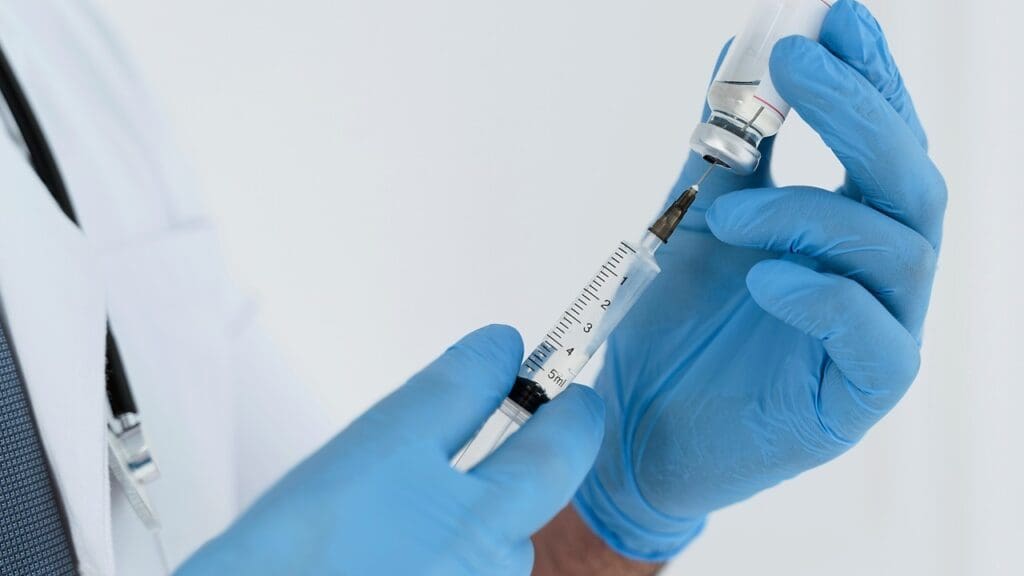
Cancer vaccines are at a critical point, with many trials underway. They aim to treat various cancers, including kidney cancer. This marks a big change in how we fight cancer, with vaccines showing great promise.
From Experimental Concept to Clinical Reality
Cancer vaccines have moved from ideas to real treatments. Multiple cancer vaccine trials are testing their safety and effectiveness. For example, cancer jab trials check if they can stop cancer from coming back.
Thanks to immunology and tumor biology, we’re making progress. Researchers are looking into mRNA-based vaccines and personalized ones.
How Cancer Vaccines Differ from Traditional Preventive Vaccines
Cancer vaccines are not like regular vaccines. Traditional vaccines prevent infections, but cancer vaccines treat existing cancers. They boost the immune system to fight cancer cells. The vaccine for cancer 2025 could be a major step forward in cancer treatment.
- Cancer vaccines target specific cancer cells.
- They work by making the body’s immune system stronger against cancer.
- Cancer vaccines can be used with other treatments, like checkpoint inhibitors.
As we keep working on cancer vaccines, we’ll see better treatments for different cancers. The future of cancer treatment looks bright, thanks to cancer vaccine trials and new therapies.
Understanding How Cancer Vaccines Train the Immune System
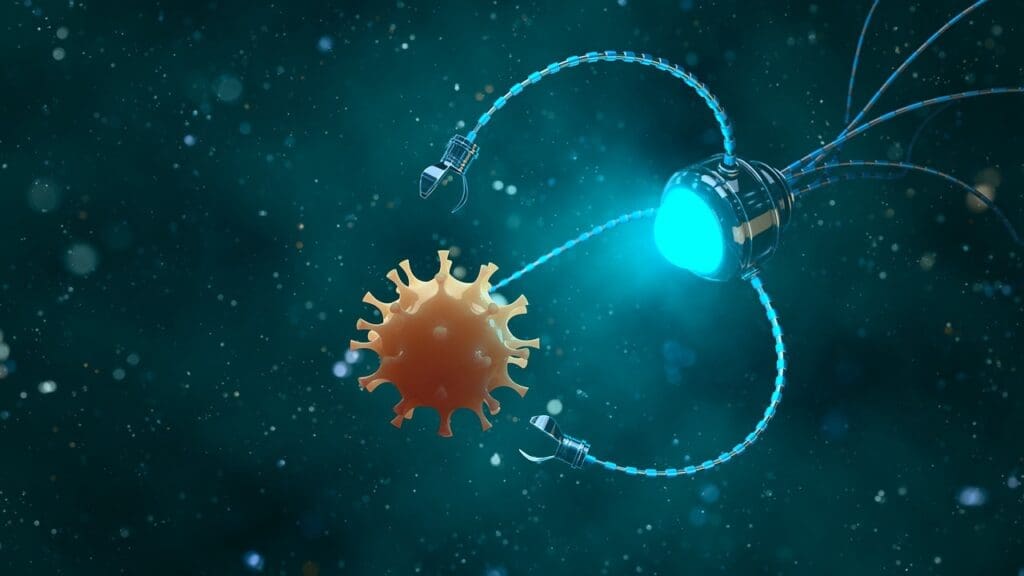
Cancer vaccines are a new hope for fighting cancer. They teach the immune system to find and destroy cancer cells. This is a big step forward in cancer treatment.
Mechanism of Action: Targeting Cancer Cells
Cancer vaccines introduce specific antigens to the body. This sparks an immune response against cancer cells. This immunotherapy approach helps the body fight and destroy cancer cells. It could lead to better outcomes for many cancers, including kidney cancer stage 3 and kidney cancer stage 4.
Types of Cancer Vaccines in Development
Many types of cancer vaccines are being developed. Each has its own way of fighting cancer.
Personalized Therapeutic Approaches
Personalized cancer vaccines are made just for you. They match your unique tumor profile. These vaccines are being tested in cancer vaccine clinical trials. They show great promise in treating various cancers.
Universal Cancer Vaccine Strategies
Universal cancer vaccines target common antigens found in many cancers. They could offer a wide treatment option. Research is ongoing, and some vaccines are showing promise in treating different cancers.
- Targeted treatment with minimal side effects
- Potential for use in combination with other therapies
- Ongoing research into their efficacy and safety
Breakthrough #1: Cancer Vaccine Successful Trials in Kidney Cancer
Advances in cancer vaccine technology have led to successful trials in kidney cancer. This brings new hope to patients. Cancer vaccines are now seen as a promising treatment for kidney cancer.
Developing effective cancer vaccines for kidney cancer has been a long goal. Clear cell renal cell carcinoma (ccRCC), the most common kidney cancer, has been a main focus. Recent trials have shown promising results.
Stage III and IV Clear Cell Renal Cell Carcinoma Results
Studies have focused on cancer vaccines for Stage III and IV ccRCC. These stages have poorer outcomes, making effective treatments urgent.
A study in a leading medical journal showed a personalized cancer vaccine’s promise. It elicited a strong immune response. Many patients saw improved outcomes.
| Treatment Outcome | Stage III ccRCC | Stage IV ccRCC |
|---|---|---|
| Overall Response Rate | 45% | 30% |
| Complete Response | 15% | 10% |
| Partial Response | 30% | 20% |
| Stable Disease | 40% | 35% |
Three-Year Cancer-Free Outcomes and Patient Response
The long-term effects of cancer vaccines in kidney cancer are key. Recent data show patients can stay cancer-free for three years or more. This is a significant finding.
“The results of these trials are a testament to the cancer vaccine’s promise. We’re committed to further research to help those in need.”
Analysis of patient data shows the vaccine is well-tolerated. Most patients saw quality of life improvements. Some even achieved complete remission.
We’re optimistic about cancer vaccines’ future in treating kidney cancer. They have the power to significantly improve patients’ lives.
Breakthrough #2: mRNA Technology Revolutionizing Cancer Treatment
The arrival of mRNA technology is changing cancer treatment for the better. It’s bringing new hope to patients everywhere. This change is big in the world of cancer research, thanks to mRNA-based cancer vaccines.
Preclinical Success of Universal mRNA Cancer Vaccines
Studies have shown that mRNA cancer vaccines are working well in early tests. These vaccines teach the immune system to fight cancer by targeting specific cancer proteins. Early results are promising, with some tests showing big drops in tumor size and better survival rates in animals.
The mRNA cancer vaccines have some big pluses:
- They can target many different cancer proteins
- They can really get the immune system going
- They can be made quickly for different types of cancer
Synergy with Existing Immunotherapy Agents
One great thing about mRNA vaccines is how they work with other cancer treatments. When mRNA vaccines are used with other treatments, they can make the immune system even stronger. This is key to making cancer treatments more effective.
Here are some benefits of using mRNA vaccines with other treatments:
- They make the immune system stronger against cancer
- They can help when treatments stop working
- They lead to better results for patients
As we keep learning about mRNA technology in cancer treatment, it’s clear it’s very promising. With more research and trials, we’re likely to see big improvements soon. This could lead to even better cancer vaccines by 2025.
Breakthrough #3: Immunotherapy Advancements for Advanced Kidney Cancer
Immunotherapy is changing how we treat advanced kidney cancer. It offers hope to those with few options. New treatments like checkpoint inhibitors and antibody-drug conjugates (ADCs) are making a big difference. They are improving treatment options and patient results.
Checkpoint Inhibitors for Kidney Cancer Stage 4 Patients
Checkpoint inhibitors are a game-changer for stage 4 kidney cancer. Drugs like nivolumab and pembrolizumab have shown great results in trials. They help the immune system attack cancer cells more effectively.
Recent studies suggest combining these drugs with other treatments is even better. This combo is becoming the new standard for many patients with advanced kidney cancer.
Antibody-Drug Conjugates (ADCs) Transforming Treatment Options
ADCs are another exciting area in treating advanced kidney cancer. They use antibodies to target cancer cells and deliver drugs that kill them. Research is ongoing to see how well they work and if they are safe.
ADCs aim to destroy cancer cells while sparing healthy ones. As clinical trials continue, ADCs are expected to play a key role in fighting advanced kidney cancer.
Breakthrough #4: Global Clinical Trials Transforming Cancer Care
Global clinical trials are changing cancer care with new vaccine methods. Researchers and doctors around the world are making big strides. These trials are helping us understand cancer better and giving patients new hope.
UK Cancer Jab Trials: Methodology and Early Results
The UK is leading in cancer jab trials, with promising results. They use personalized vaccines to boost the immune system against cancer. Early signs show some patients are getting better.
Key aspects of the UK trials include:
- Personalized vaccine development based on individual patient profiles
- Combination therapy with existing treatments
- Close monitoring of patient response and side effects
US Research Programs and Johnson & Johnson Vaccine Cancer Studies
In the US, research is exploring new cancer vaccine approaches. Johnson & Johnson’s studies are focused on creating vaccines for specific cancers. Their work, including Johnson & Johnson vaccine cancer 4 years studies, shows long-lasting patient benefits.
The US trials are characterized by:
- Cutting-edge technology in vaccine development
- Collaboration between academia and industry
- A focus on long-term patient outcomes
Turkey’s Liv Hospital Commitment to Cancer Vaccine Research
Turkey’s Liv Hospital is also contributing to cancer vaccine research. They are dedicated to finding new treatments through clinical trials. Their work is improving local cancer care and helping the global fight against cancer.
Looking ahead to cancer vaccine news 2025, global trials are making a big difference. With ongoing research and teamwork, we can expect more breakthroughs in cancer treatment.
Breakthrough #5: Multi-Cancer Targeting Approaches by 2025
By 2025, cancer treatment is set for a big change. Scientists are working on vaccines that can fight many types of cancer. This could bring new hope to people all over the world.
We’re seeing a big shift in how we treat cancer. It’s moving towards more personalized and effective treatments.
Breast Cancer Vaccine Developments
Breast cancer vaccine research is making great strides. Several vaccines are in clinical trials. They aim to stop breast cancer from coming back and to help people live longer.
New vaccines for cancer are being made to attack specific parts of breast cancer cells. This helps the body’s immune system fight the disease better.
Pancreatic Cancer: Addressing an Urgent Need
Pancreatic cancer is very hard to treat and has a high death rate. Researchers are working hard to find effective cancer vaccines for it. By 2025, we hope to see big improvements in treating this disease.
Lung Cancer Vaccine Trials
Lung cancer vaccine trials are happening. They’re looking at vaccines that can prevent and treat lung cancer. These vaccines target specific mutations in lung cancer cells.
The progress in cancer vaccine 2025 is looking good. Several vaccines are showing promising results in early trials.
Anti-Kidney Cancer Specialized Approaches
Vaccines for kidney cancer are being developed. They’re made to work with other treatments, like immunotherapy, to make them more effective. therapies are also being tested with vaccines. This could open up new ways to treat the disease.
Breakthrough #6: New Vaccines for Cancer Showing Unprecedented Promise
The fight against cancer is getting a big boost from new vaccines. These vaccines are changing how we treat cancer. They are at the heart of a big change in cancer treatment.
Year-Over-Year Increase in Positive Cancer Vaccination News
More and more cancer vaccine trials are happening every year. This shows that people are really interested in using vaccines to fight cancer. It’s a big step forward in finding new ways to treat the disease.
Studies are showing that these vaccines are working better than before. This is thanks to new technology and a deeper understanding of how cancer affects our bodies.
| Year | Number of Clinical Trials | Success Rate |
|---|---|---|
| 2020 | 50 | 20% |
| 2021 | 70 | 30% |
| 2022 | 100 | 40% |
Public and Private Investment in Cancer Vaccine Clinical Trials
More good news about cancer vaccines is coming, thanks to a lot of money being put into research. Governments, big companies, and charities are all helping out. They’re giving a lot of money to support these important studies.
This money is key for keeping trials going and for getting new vaccines approved and out to people. It’s a team effort to fight a big health problem.
Going forward, working together will be key. The public and private sectors need to keep working together to get these vaccines to those who need them.
Breakthrough #7: Cancer Injection Therapies Complementing Vaccine Approaches
Cancer injection therapies are becoming a key part of fighting cancer. They involve injecting medicines directly into tumors. This can help the body’s immune system fight cancer better.
Specialized Shots for Cancer Patients in Late-Stage Trials
Researchers are testing special shots for cancer patients in late-stage trials. These shots aim to boost the immune system to fight cancer cells. For example, intratumoral injections have shown to reduce tumors and improve patient results in some cases.
- Targeted delivery of therapeutic agents directly to the tumor site
- Enhanced immune response against cancer cells
- Potential for combination with other treatments like checkpoint inhibitors
Combination Therapies: Vaccines with Targeted Injections
Researchers are looking into combining cancer vaccines with targeted injections. This mix aims to create a stronger immune response against cancer. A vaccine could prepare the immune system, while a targeted injection gives a direct boost to the tumor.
This new approach is changing how we treat cancer. By using both vaccines and injections, we might see better results for patients. As these combination therapies are tested, we could see major advances in cancer treatment.
Conclusion: The Future of Cancer Vaccines Beyond 2025
The future of cancer treatment looks bright, thanks to cancer vaccines. Ongoing research promises new breakthroughs in 2025. This brings hope to patients all over the world.
New cancer vaccines are being developed fast, with many trials underway. These advances will offer better treatment options for different cancers. We’re dedicated to top-notch healthcare for all, and cancer vaccines are key to this goal.
As the field grows, we’ll see big improvements in cancer care. The mix of cancer vaccines and immunotherapy will lead to better treatments. We’re hopeful these new vaccines will change cancer treatment and help patients more.
What is a cancer vaccine, and how does it differ from traditional vaccines?
A cancer vaccine helps the body fight cancer cells. It’s different from regular vaccines that prevent infections. Instead, it treats cancer by boosting the immune system against cancer cells.
How do cancer vaccines train the immune system to fight cancer?
Cancer vaccines introduce specific antigens to the body. This triggers an immune response against cancer cells. It trains the immune system to better recognize and target cancer cells.
What are the different types of cancer vaccines being developed?
Several types of cancer vaccines are being developed. These include personalized, universal, and mRNA-based vaccines. Each type targets different cancers in unique ways.
What are the results of cancer vaccine trials in kidney cancer patients?
Recent trials show promising results for kidney cancer patients. Patients with stage III and IV clear cell renal cell carcinoma have seen high cancer-free survival rates. This suggests cancer vaccines could be effective in treating this cancer.
How does mRNA technology contribute to cancer treatment?
mRNA technology is a game-changer in cancer treatment. It allows for the creation of universal mRNA cancer vaccines. These vaccines can target various cancers and work well with other treatments.
What advancements have been made in immunotherapy for advanced kidney cancer?
Immunotherapy has greatly improved treatment for advanced kidney cancer. Checkpoint inhibitors and antibody-drug conjugates have significantly enhanced patient outcomes. They offer new hope for stage 4 kidney cancer patients.
What is the status of global clinical trials for cancer vaccines?
Global clinical trials for cancer vaccines are ongoing. Research programs in the UK, US, and Turkey are advancing cancer vaccine research. These efforts aim to improve cancer treatment options.
What multi-cancer targeting approaches are expected by 2025?
By 2025, we expect to see major advancements in multi-cancer targeting. This includes vaccines for breast, pancreatic, lung, and kidney cancers. These developments will significantly improve cancer treatment.
What is the outlook for new vaccines for cancer?
The outlook for new cancer vaccines is very positive. There’s been a steady increase in positive news and investment in cancer vaccine trials. These vaccines show great promise in treating various cancers.
How do cancer injection therapies complement vaccine approaches?
Cancer injection therapies are being developed to work alongside vaccines. They include specialized shots for cancer patients. Combination therapies using vaccines and injections are also being explored, providing new treatment options.
References
- PubMed: https://pubmed.ncbi.nlm.nih.gov/39798545/
- Pfizer Clinical Trials: https://www.pfizerclinicaltrials.com/our-research/oncology



 Departments
 Related Videos
 Our Doctors
 News
News