
When thinking about neck surgery at C5-C6-C7, knowing the risks and side effects is key. At Liv Hospital, we help our patients understand the possible complications of cervical spine surgery. This way, they can make informed decisions.
Recent studies have found that revision surgery comes with higher complication risks. Our talk will focus on the latest medical research. This will give you a clear and current view of the risks involved.
We will look at the complications that can happen from cervical spine surgery. This includes those related to neck surgery at C5-C6-C7. Our goal is to give you a full picture of what you might face.
Key Takeaways
- Understanding the risks of cervical spine surgery is vital for patients.
- Revision surgery is linked to higher complication risks.
- Neck surgery at C5-C6-C7 has specific risks and side effects.
- Liv Hospital offers a patient-focused approach to cervical spine surgery.
- Knowing about possible complications helps in making better choices.
Understanding Cervical Spine Surgery

Cervical spine surgery is a set of procedures for different neck issues. We’ll look at common surgeries and when they’re needed.
Common Cervical Spine Procedures
There are many surgeries, like ACDF, cervical laminectomy, and laminoplasty. These help relieve pressure, stabilize the spine, and improve function.
Indications for C-Spine Surgery
Deciding on surgery depends on certain signs. We break these into two groups: degenerative conditions and traumatic injuries.
Degenerative Conditions
Issues like herniated discs, spinal stenosis, and spondylosis can hurt a lot. If other treatments don’t work, surgery might be the next step to ease pain and improve life quality.
Traumatic Injuries
Fractures and dislocations from accidents can make the spine unstable. Surgery is often needed to fix this, prevent more harm, and help the spine heal.
Knowing when to have cervical spine surgery is key. We’ll keep exploring the risks and complications in the next parts.
C Spine Surgery Complications: An Overview
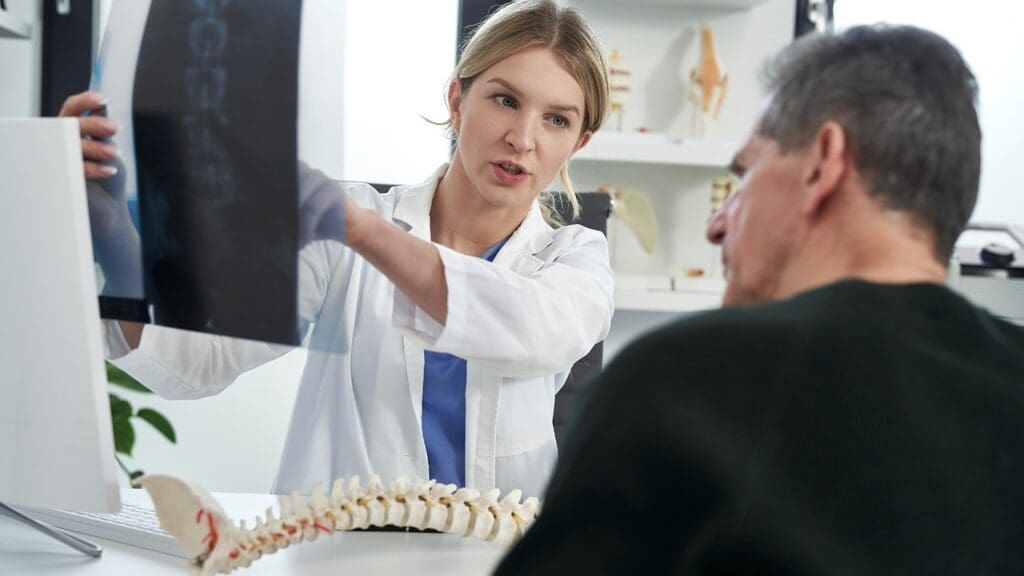
It’s important to know the risks and complications of cervical spine surgery. This knowledge helps patients make informed decisions. By understanding these risks, patients can prepare for what might happen after surgery.
Prevalence and Statistical Data
Complications from C spine surgery can happen. Knowing how common they are is key. Studies show that the complication rate for cervical spine surgery is between 3.4% and 13.4%. Revision surgery carries higher risks, like infections and neurological issues.
Risk Factors That Increase Complication Rates
Several factors can raise the risk of complications during and after C spine surgery. These include pre-existing medical conditions, age, and physical health. For example, people with diabetes or heart disease face a higher risk of infections and other issues.
Pre-existing Medical Conditions
Medical conditions before surgery can greatly affect the risk of complications. Conditions like osteoporosis, rheumatoid arthritis, and past cervical spine surgeries can make the surgery and recovery harder. A study found that patients with these conditions need careful evaluation before surgery to reduce risks.
“Careful patient selection and preoperative optimization are critical in reducing the risk of complications in cervical spine surgery.”
Understanding these risk factors and data helps manage expectations and reduce complications. It’s vital for patients to talk to their healthcare provider about their individual risks. This way, they can work towards the best possible outcomes.
Nerve-Related Complications
Nerve injuries, like C5 palsy, can happen after cervical spine surgery. These issues can greatly affect the surgery’s success and the patient’s life quality.
C5 Palsy: Causes, Symptoms, and Management
C5 palsy is a known problem after cervical spine surgery, often at the C4-C5 level. The exact cause is often multifactorial, including nerve root traction, ischemia, and surgical technique. Symptoms include weakness or paralysis of the muscles the C5 nerve root controls.
Managing C5 palsy might involve physical therapy and monitoring first. Sometimes, surgery is needed.
Other Nerve Injuries and Neurological Deficits
Other nerve injuries can happen too, like spinal cord and nerve root injuries. These lead to various neurological problems.
Spinal Cord Injury
Spinal cord injury is a severe issue that can cause lasting neurological problems. The risk is higher in surgeries involving multiple levels or significant manipulation of the spinal cord.
“Spinal cord injury during cervical spine surgery is a devastating complication that requires prompt recognition and management to minimize long-term impact.”
Radiculopathy
Radiculopathy, or nerve root pain, can occur from surgery irritation or compression. Symptoms include pain, numbness, and weakness in the affected nerve root area.
It’s key for surgeons and patients to understand these nerve-related complications. This knowledge helps make better decisions about cervical spine surgery.
Swallowing and Voice Complications
When thinking about C spine surgery, swallowing and voice problems are big worries. These issues can really affect patients. It’s key to talk about them in detail.
Dysphagia After Cervical Surgery: Incidence and Duration
Dysphagia, or trouble swallowing, is a common side effect after cervical spine surgery. The rate of dysphagia varies a lot, from 3% to over 50%. This depends on the surgery type and the patient’s health.
How long dysphagia lasts also varies. Some people get better in a few weeks. Others may face it for months.
Voice Changes and Hoarseness Following Anterior Approaches
Voice changes and hoarseness can happen after anterior cervical spine surgery. These problems can come from damage to the recurrent laryngeal nerve or nearby areas.
Recurrent Laryngeal Nerve Injury
Recurrent laryngeal nerve injury is a big risk with anterior cervical spine surgery. This nerve helps control the larynx muscles. Damage can cause vocal cord problems, leading to voice changes or breathing issues.
| Complication | Incidence | Duration |
|---|---|---|
| Dysphagia | 3% to 50% | Weeks to months |
| Voice Changes | Variable | Variable |
Wound Complications and Infections
Wound complications and infections are big worries for those having cervical spine surgery. We focus on these issues to make sure patients do well.
Surgical Site Infections: Prevention and Treatment
Surgical site infections are a big problem after spine surgery. They can lead to more surgeries. We prevent them with antibiotics and careful wound care.
Hematoma Formation and Management
Hematoma formation is a risk after C spine surgery. We watch patients closely for signs of it. We act fast to manage it and avoid serious problems.
Emergency Interventions for Expanding Hematomas
When a hematoma grows fast, we need to act quickly. This is to stop it from harming the brain or spinal cord. We have a plan ready for these emergencies, ensuring we act fast and right.
| Complication | Prevention Strategies | Management Approaches |
|---|---|---|
| Surgical Site Infections | Prophylactic antibiotics, sterile technique | Antibiotics, wound debridement |
| Hematoma Formation | Close monitoring, meticulous hemostasis | Surgical evacuation, conservative management |
Specific Complications of Neck Surgery at C5-C6-C7
Surgeries at the C5-C6-C7 levels of the neck can cause specific problems. We will look at these issues, their effects, and the long-term results of such surgeries.
Unique Risks at These Cervical Levels
Neck surgery at C5-C6-C7 carries a higher risk of nerve injuries. Nerve damage can cause symptoms from mild numbness to severe motor problems. There’s also a chance of adjacent segment disease, where nearby spinal areas degenerate over time.
Long-term Outcomes and Functional Implications
The long-term effects of neck surgery at C5-C6-C7 vary among patients. Some may fully recover, while others may deal with chronic pain or reduced mobility. It’s important to know these possible long-term effects before deciding on surgery.
Adjacent Segment Disease
Adjacent segment disease is a big worry for those having neck surgery at C5-C6-C7. This condition happens when the spinal segments next to the fusion site wear out. This might lead to needing more surgery. Monitoring and management of this disease are key to keeping the spine healthy over time.
Knowing the unique risks and long-term effects of neck surgery at C5-C6-C7 helps both patients and doctors make better treatment choices.
Side Effects of Cervical Stenosis Surgery and Laminectomy
Choosing to have cervical stenosis surgery or laminectomy means looking at the good and the bad. These surgeries aim to ease pressure on the spinal cord and nerves. But, they can also lead to complications that patients should know about.
Persistent Neck Pain and Stiffness
One common side effect is neck pain and stiffness that doesn’t go away. This pain can be mild or severe. Effective pain management strategies are key to feeling better after surgery.
Post-laminectomy Kyphosis
After laminectomy, some people might develop post-laminectomy kyphosis. This is when the spine curves abnormally. It can cause more instability and might need more surgery.
Instability Following Decompression
Instability is a worry after decompression surgery. This happens if too much of the spine’s support is lost. It can show as too much movement or an odd spine shape.
Muscle Weakness and Recovery Timeline
Muscle weakness is another possible side effect. It often comes from nerve damage during surgery. How fast muscles recover depends on the nerve damage and the rehab plan.
It’s important for patients to understand these possible side effects. Talking to a healthcare provider about these risks can help make the best choice for treatment.
Scarring from Cervical Spine Procedures
Scarring is a normal part of healing after cervical spine surgery. It’s important to understand this to manage what patients expect and get.
Anterior Neck Surgery Scarring
Scars from anterior neck surgery, like ACDF, look different. They usually form a horizontal line on the front of the neck. Studies show that scars can fade over time, becoming less visible.
ACDF Surgery Scar Appearance and Evolution
Many things affect how a scar looks, like skin type and age. But, scars usually fade and become less noticeable within a year or more.
Posterior Approach Scarring and Cosmetic Outcomes
Scars from posterior surgeries are on the back of the neck. How visible they are depends on the incision size and healing.
Minimizing Scar Visibility
There are ways to make scars less noticeable. These include good wound care, using silicone gel or sheeting, and protecting from the sun. Following your surgeon’s advice after surgery helps a lot.
| Scar Management Technique | Description | Benefits |
|---|---|---|
| Silicone Gel/Sheeting | Applied directly to the scar | Improves scar texture and appearance |
| Proper Wound Care | Keeping the wound clean and dry | Promotes healing, reduces infection risk |
| Sun Protection | Avoiding direct sun exposure | Prevents scar darkening |
Multi-Level Surgery Risks: C3 to C7
Multi-level cervical spine surgery, from C3 to C7, comes with unique challenges. Patients and surgeons must weigh the risks and recovery needs carefully. It’s important to grasp the complications and what to expect during recovery.
Increased Complexity and Complication Rates
Dealing with more levels in surgery means higher risks. This includes nerve damage, infection, and other issues. Careful planning and precise technique are key to reducing these risks.
| Complication | Single-Level Surgery | Multi-Level Surgery |
|---|---|---|
| Nerve Damage | 2-5% | 5-10% |
| Infection | 1-3% | 3-6% |
| Hematoma | 0.5-2% | 2-4% |
Extended Rehabilitation Requirements
Patients needing multi-level surgery face a long road to recovery. This includes physical therapy, pain management, and sometimes more surgery. A study found that recovery can be tough, needing a strong support system.
“The rehabilitation process for multi-level cervical spine surgery patients can be lengthy and demanding, requiring a compassionate support system.”
It’s critical for patients and healthcare providers to understand these risks and recovery needs. This knowledge helps make informed decisions about multi-level cervical spine surgery.
How Dangerous Is Neck Surgery?
It’s important for patients and doctors to know about the risks of neck surgery. This surgery is often needed for many cervical spine problems. But, it can lead to different complications.
Mortality Rates and Serious Complications
Like any big surgery, neck surgery has risks of serious problems and death. Even though it’s rare, some people might die from surgery or anesthesia issues.
Big problems can happen, like nerve damage, infection, and bleeding. How often these happen depends on the surgery type, the patient’s health, and the surgeon’s skill.
| Complication Type | Incidence Rate | Risk Factors |
|---|---|---|
| Nerve Damage | 2-5% | Complexity of surgery, patient age |
| Infection | 1-3% | Diabetes, smoking, obesity |
| Bleeding | 1-2% | Anticoagulant use, surgery duration |
Quality of Life Impact Assessment
Neck surgery can greatly affect a patient’s quality of life. Many see better symptoms and function. But, some face tough recovery times.
What affects life quality after surgery includes surgery extent, complications, and health before surgery.
Risk-Benefit Analysis for Different Patient Populations
Before neck surgery, a detailed risk-benefit analysis is key. This means weighing surgery’s benefits against its risks. It considers the patient’s condition, health, and personal wishes.
For some, like those with severe neurological issues, surgery might be the best choice. Others might do better with non-surgical treatments.
Recovery Times and Expectations
Recovery times and expectations change a lot based on the surgery method. Knowing the differences in recovery helps manage expectations and ensures a smooth healing process.
Differences in Recovery Between Anterior and Posterior Approaches
The surgery method, whether it’s from the front (anterior) or back (posterior), affects recovery time. Anterior cervical spine surgery might lead to a quicker start in recovery because it disturbs less muscle. On the other hand, posterior neck surgery often needs more muscle work to get back to normal.
Posterior Neck Surgery C5-C6-C7 Recovery Timeline
Patients having surgery at levels C5-C6-C7 face a more complex recovery. They might feel pain, swelling, and have trouble moving at first. Physical therapy is key in getting back to normal, helping with strength and flexibility.
Physical Therapy and Rehabilitation Protocols
A well-planned physical therapy program is vital for recovery. It includes exercises to improve movement, strengthen muscles, and correct posture. We work with physical therapists to create a plan that fits each patient’s needs.
Return to Daily Activities and Work
When you can go back to daily activities and work depends on your recovery and job type. Most people can start with light activities in 6-12 weeks. But, getting back to hard activities or work might take months.
Conclusion
Knowing the risks of C spine surgery is key to making smart choices about your health. We’ve looked at the possible problems, side effects, and scarring from neck surgery. It’s important to think carefully and plan to lessen these risks.
Being informed about c spine surgery complications and neck surgery risks helps patients make better decisions. It also helps them understand what to expect during recovery expectations. We stress the need for a complete care plan, so patients get the support they need for the best results.
The main aim of C spine surgery is to reduce pain, improve function, and enhance life quality. By knowing the possible risks and complications, patients and doctors can work together. This way, they can achieve the best outcomes together.
What are the common complications associated with C spine surgery?
Complications can include nerve issues like C5 palsy and spinal cord injury. Radiculopathy, swallowing, and voice changes are also possible. Wound infections and scarring can occur too.
What are the risks of neck surgery at C5-C6-C7?
Risks at these levels include nerve damage and instability. There’s also a chance of disease in adjacent segments. This can affect your long-term function.
How serious is neck surgery?
Neck surgery comes with risks, like death and serious complications. But, careful planning and considering patient factors can reduce these dangers.
What are the side effects of cervical stenosis surgery and laminectomy?
Side effects can include neck pain and muscle weakness. Post-laminectomy kyphosis and instability after decompression are also possible.
How long does it take to recover from posterior neck surgery at C5-C6-C7?
Recovery times vary. But, posterior approaches usually take longer than anterior ones. Expect several weeks to months for recovery.
What are the risks associated with multi-level surgery from C3 to C7?
Risks include higher complication rates and a longer recovery. Extended rehabilitation might be needed.
Can neck surgery cause swallowing and voice complications?
Yes, swallowing and voice issues can happen. This is more common after anterior approaches. These problems might be temporary or last longer.
How can scarring from cervical spine procedures be minimized?
Scarring can be reduced with good wound care and avoiding sun. Use scar management techniques. Choose a skilled surgeon to minimize tissue trauma.
What is the risk of nerve damage during C spine surgery?
Nerve damage is a risk. The chance depends on patient factors, surgical technique, and the procedure.
Are there any long-term outcomes or functional implications after neck surgery at C5-C6-C7?
Yes, surgery at these levels can affect you long-term. Instability and adjacent segment disease can impact your quality of life.
What is the impact of neck surgery on quality of life?
The impact varies by patient and procedure. But, many see big improvements in symptoms and quality of life.
How can I minimize the risks associated with C spine surgery?
Minimize risks with careful planning and choosing an experienced surgeon. Follow post-op instructions for the best recovery and outcomes.
References
- Spine-health :https://www.spine-health.com/treatment/back-surgery/potential-risks-and-adverse-events-associated-cervical-spine-surgery
- Journal of Spine Surgery (JSS) :https://jss.amegroups.org/article/view/4813/html
- PMC – PubMed Central :https://pmc.ncbi.nlm.nih.gov/articles/PMC4843080
- Neurosurgeons of New Jersey :https://www.neurosurgeonsofnewjersey.com/blog/neck-surgery-complications