
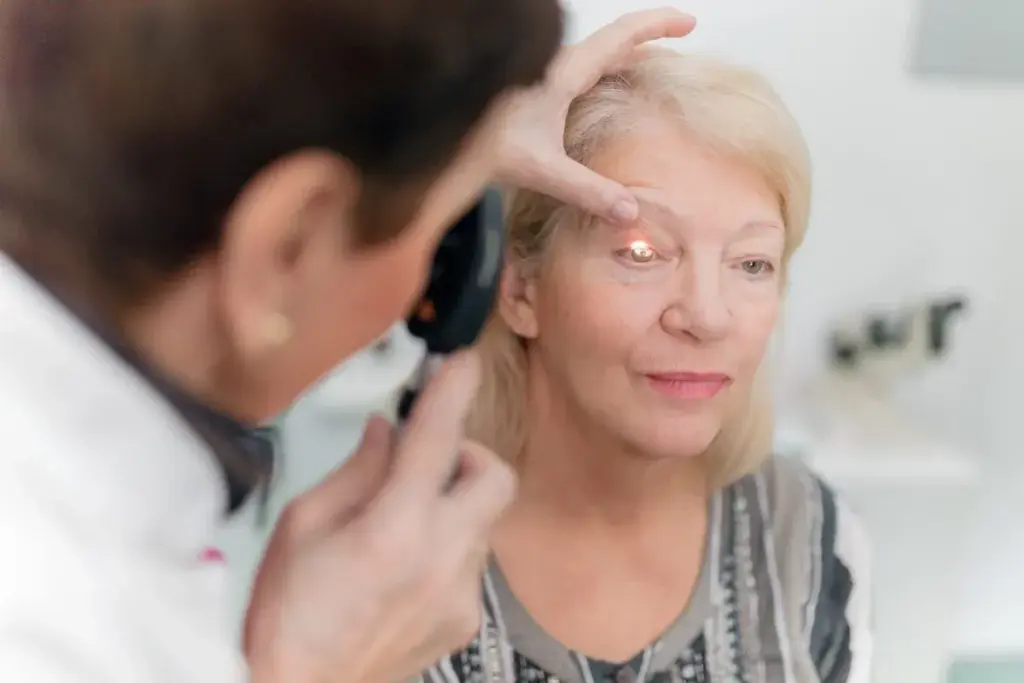
Degenerative eye diseases are a big problem worldwide, affecting millions. Age-related macular degeneration (AMD) alone hits about 8.08 million people globally. It causes vision loss and blindness.
It’s important to know about these diseases early. We’ll look at the seven common degenerative eye conditions. We’ll talk about their symptoms and how vision loss affects people. By spotting the signs early, we can protect our eyes and keep our quality of life.
Key Takeaways
- Degenerative eye diseases are a major cause of vision impairment worldwide.
- Early detection is key for managing and treating these conditions.
- Knowing the symptoms and how these diseases progress can help protect your vision.
- Liv Hospital offers trusted, patient-centered eye care expertise.
- World-class treatment options are available for managing degenerative eye diseases.
Understanding Degenerative Eye Disease
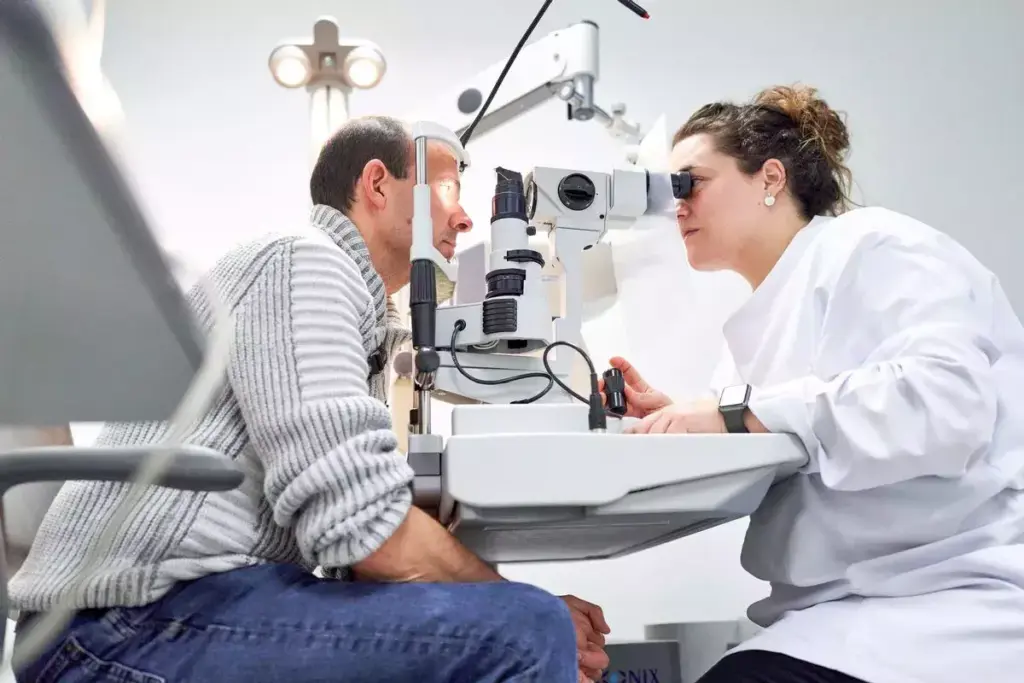
Degenerative eye diseases are a major cause of vision loss. They affect many people’s quality of life. As the world’s population ages, these diseases will become more common.
By 2050, more people will face visual impairment or blindness. This highlights the need for awareness and action.
What Causes Progressive Vision Deterioration
Progressive vision loss comes from genetics, environment, and lifestyle. Age-related changes play a big role, like age-related macular degeneration (AMD). Other factors include diabetes and family history.
Lifestyle choices also matter. Smoking and poor diet can harm your eyes. A diet without omega-3 fatty acids, lutein, and zeaxanthin can lead to vision issues.
Common Risk Factors and Prevention Strategies
Knowing the risk factors for eye diseases is key to prevention. Common risks include age, family history, diabetes, and lifestyle choices. While some risks can’t be changed, others can be managed.
| Risk Factor | Prevention Strategy |
| Smoking | Quit smoking to reduce risk |
| Poor Diet | Eat a balanced diet rich in fruits, vegetables, and omega-3 fatty acids |
| Lack of Exercise | Engage in regular physical activity to improve overall health |
| Diabetes | Manage diabetes through medication, diet, and regular check-ups |
By knowing the risks and taking preventive steps, you can lower your chance of eye diseases. Regular eye exams are also key. They help catch problems early and treat them.
Primary Degenerative Eye Conditions
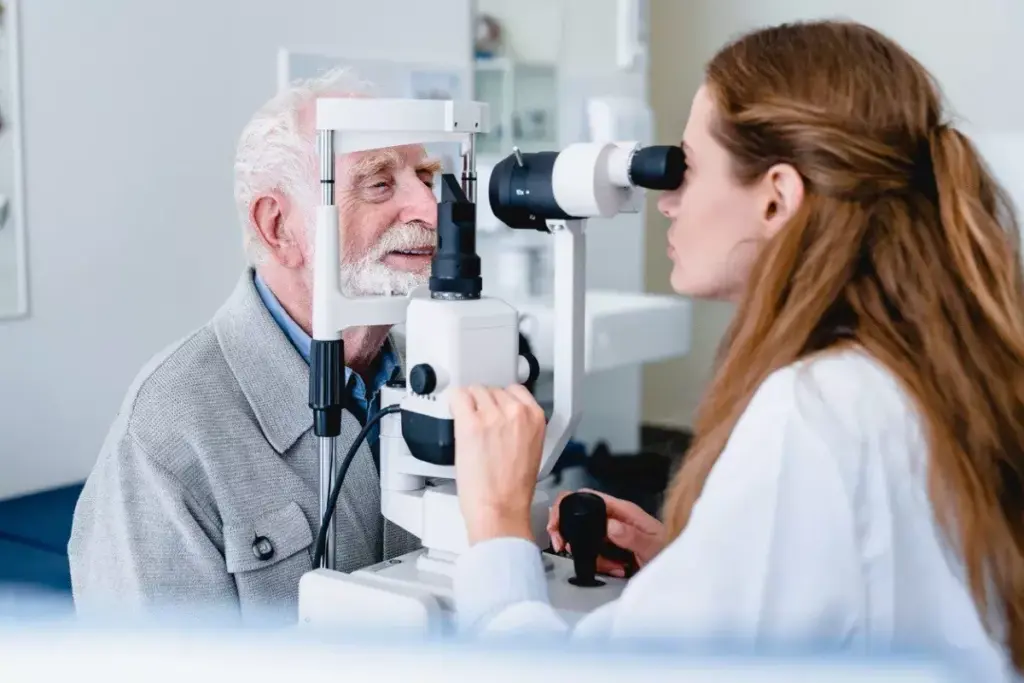
It’s important to know about primary degenerative eye conditions early. These conditions can lead to vision loss and affect your life quality. We’ll look at common eye diseases, their symptoms, how to diagnose them, and treatment options.
Age-Related Macular Degeneration (AMD)
AMD affects the macula, which is key for central vision. It’s a top cause of vision loss in older adults. Symptoms include blurred vision, distorted vision, and blind spots.
There are two types of AMD: dry and wet. Dry AMD has debris under the retina. Wet AMD has abnormal blood vessels under the macula.
Spotting AMD early is key. Early treatment can slow the disease. Treatments include anti-VEGF injections and healthy lifestyle choices.
Glaucoma
Glaucoma damages the optic nerve due to high eye pressure. It can cause vision loss and blindness if not treated. It often has no symptoms in the early stages.
Lowering eye pressure is the main treatment. This can be done with medications, laser treatment, or surgery. Early treatment can prevent vision loss.
Cataracts
A cataract clouds the lens in the eye, affecting vision. It’s common in older adults. Symptoms include blurry vision, double vision, and light sensitivity.
Surgery to remove the cataract is the best treatment. It involves replacing the lens with an intraocular lens (IOL). This surgery is safe and can greatly improve vision.
Diabetic Retinopathy
Diabetic Retinopathy affects the retina’s blood vessels due to diabetes. It can cause vision loss if not treated. Symptoms include blurred vision, floaters, and vision loss.
Managing diabetes is key to preventing vision loss. This includes controlling blood sugar, regular eye exams, and timely treatment. Treatments include laser therapy, anti-VEGF injections, and surgery.
Less Common Degenerative Eye Disorders
We often focus on common eye diseases, but less common ones also need attention. These conditions can cause a lot of vision loss if not treated. They can greatly affect a person’s quality of life.
It’s important to know about these less common conditions. This helps with early detection and treatment. We’ll look at retinitis pigmentosa, Stargardt disease, and Fuchs’ dystrophy. We’ll talk about their symptoms and treatment options.
Retinitis Pigmentosa
Retinitis pigmentosa is a group of genetic disorders that affect the retina. It makes it hard for the retina to respond to light. This condition can lead to progressive vision loss, including night blindness and loss of peripheral vision.
Symptoms and Progression: People may first notice night blindness. Then, they might lose peripheral vision, leading to tunnel vision. How fast this happens can vary a lot.
Current Research and Treatments: There’s no cure yet, but research is ongoing. Gene therapy and retinal implants might help in the future. For now, low vision aids and mobility training can help those affected.
Stargardt Disease
Stargardt disease is a genetic disorder that affects the macula. The macula is key for sharp, central vision.
Symptoms and Impact: It causes progressive loss of central vision. This makes it hard to read, drive, and do daily tasks that need clear vision.
Fuchs’ Dystrophy
Fuchs’ dystrophy is a progressive disorder of the cornea. It leads to vision loss because of corneal edema.
Symptoms and Treatment: Symptoms include glare, blurred vision, and eye discomfort. Treatment can range from medication to manage symptoms to corneal transplant in severe cases.
Early detection of these less common eye disorders is key. Knowing the symptoms and treatment options helps. This way, people can get medical help early, which might save their vision.
Conclusion: Early Detection and Treatment Options
Degenerative eye diseases can greatly affect a person’s life, causing different types of vision loss. We’ve talked about common eye problems like age-related macular degeneration, glaucoma, cataracts, and diabetic retinopathy. These are top reasons for vision loss around the world.
Early detection and treatment can greatly help those with eye diseases. Knowing the risks and acting early can lower the chance of vision loss. It also improves eye health overall.
Regular eye exams and seeking medical help if symptoms don’t go away are key. This way, people can keep their vision safe and tackle eye issues early. Our aim is to offer full support to those with degenerative eye disease. We want to help them find the best treatments and keep their quality of life high.
FAQ
What are degenerative eye diseases?
Degenerative eye diseases cause damage to the eyes over time. This can lead to vision loss and even blindness. Examples include Age-related Macular Degeneration (AMD), Glaucoma, and Diabetic Retinopathy.
What are the common symptoms of degenerative eye diseases?
Symptoms vary by disease. Common signs include blurred vision, double vision, and loss of peripheral vision. Cataracts can cause cloudy or distorted vision.
What are the risk factors for developing degenerative eye diseases?
Risk factors include age, family history, diabetes, high blood pressure, and smoking. AMD is more common in older adults. Diabetic Retinopathy is linked to diabetes.
Can degenerative eye diseases be prevented?
Some risk factors can’t be changed. But, a healthy lifestyle can help. This includes a balanced diet, regular exercise, and not smoking. Regular eye exams are also key for early detection and treatment.
What are the treatment options for degenerative eye diseases?
Treatment options vary by disease and severity. They may include medications, surgery, or laser therapy. For example, Cataracts can be treated with surgery. AMD may be managed with injections or laser therapy.
How can I protect my vision and reduce the risk of degenerative eye diseases?
Protect your vision by living a healthy lifestyle. Wear protective eyewear and have regular eye exams. A diet rich in fruits, vegetables, and omega-3 fatty acids supports eye health.
What is the impact of vision loss on daily life?
Vision loss can greatly affect daily life. It can impact independence, mobility, and quality of life. It also increases the risk of falls, depression, and social isolation.
Are there any less common degenerative eye disorders?
Yes, there are less common degenerative eye disorders. These include Retinitis Pigmentosa, Stargardt Disease, and Fuchs’ Dystrophy. These conditions cause progressive vision loss and need specialized care.
How can I find out if I am at risk for degenerative eye diseases?
Talk to an eye care professional to assess your risk. They can guide you on the best steps for your eye health. They provide personalized advice and recommendations.
References
National Institutes of Health. Evidence-Based Medical Insight. Retrieved from https://www.nei.nih.gov/learn-about-eye-health/eye-conditions-and-diseases/age-related-macular-degeneration



 Departments
 Related Videos
 Our Doctors
 News
News