Knee pain is a big problem worldwide, making simple tasks hard. When simple treatments don’t work, different types of knee surgery might be needed. They help improve movement and lessen pain.
Almost one million knee replacements are done in the U.S. each year. Knowing about knee surgery procedures is key for smart health choices.
At Liv Hospital, we mix orthopedic skills with new surgical methods. We help patients understand their treatment choices. Whether it’s an ACL injury, arthritis, or meniscus damage, we offer full care and support.
Key Takeaways
- Knowing about knee surgery types helps you make better health choices.
- Knee surgery options include total knee replacement and specialized repairs like meniscus repair.
- The right surgery depends on your condition, health, and lifestyle.
- New surgical methods have made recovery times shorter and outcomes better for many.
- A good treatment plan also includes care after surgery and rehab.
Understanding Knee Surgery Fundamentals
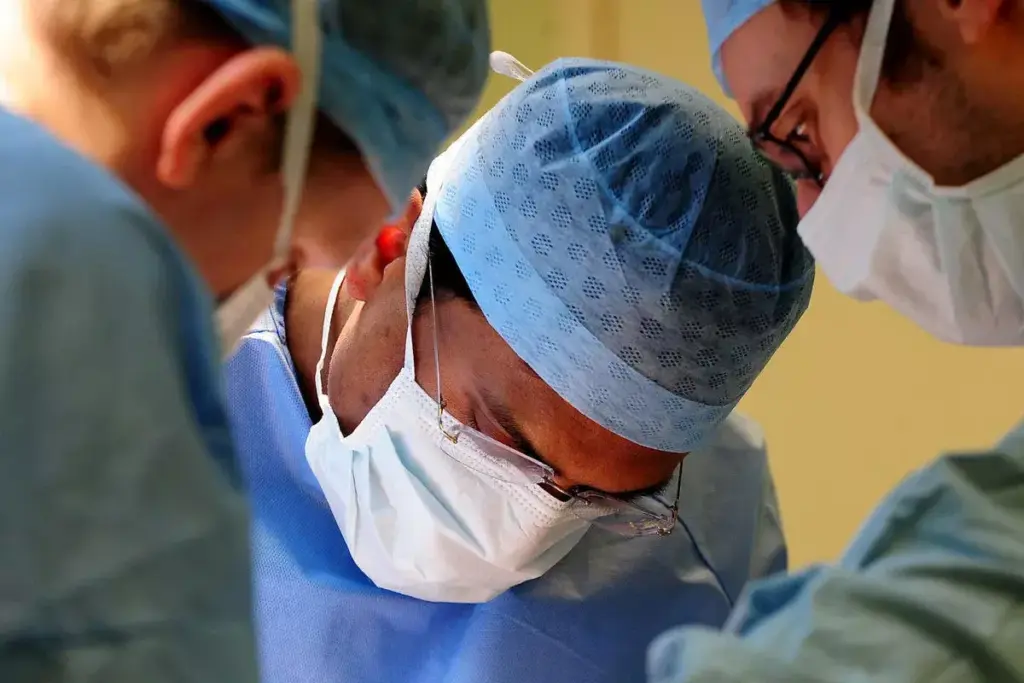
Knowing about knee surgery is key for those thinking about it. The knee is a complex part of our body. It’s vital for our movement and daily life.
The Complexity of the Knee Joint
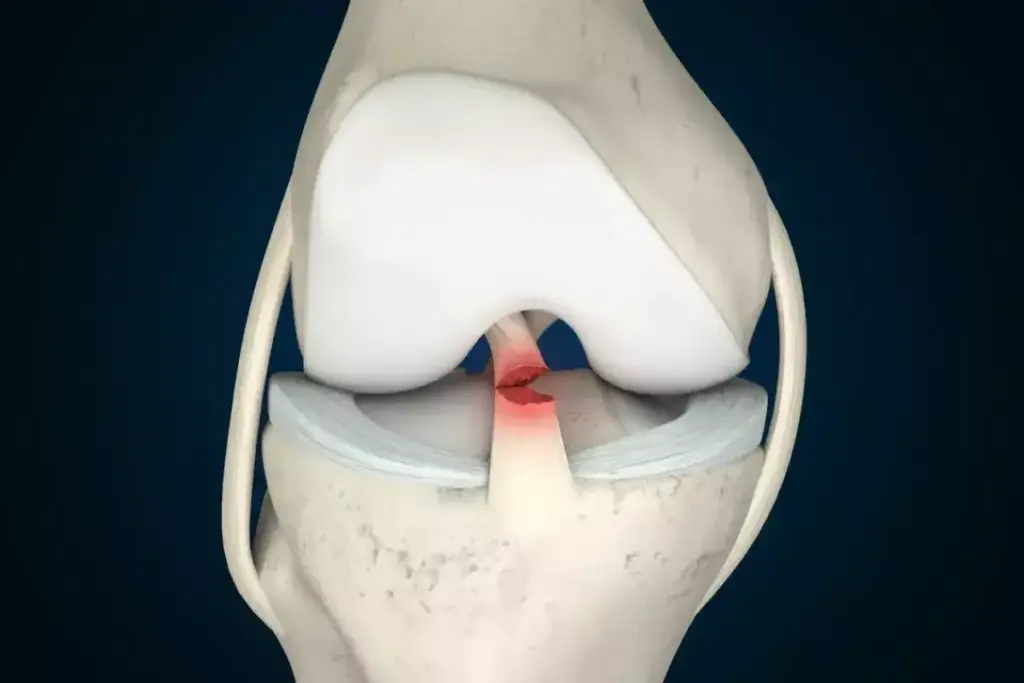
The knee joint is the biggest and most complex in our body. It bears a lot of weight and can easily get hurt or wear down. It’s made up of bones, ligaments, tendons, and cartilage. These work together to let us move in many ways.
Key components of the knee joint include:
- The femur (thigh bone) and tibia (shin bone), which form the main joint
- The patella (kneecap), embedded in a tendon that connects the quadriceps muscle to the tibia
- Ligaments that provide stability, including the ACL (anterior cruciate ligament) and MCL (medial collateral ligament)
- Menisci, cartilage structures that cushion the joint and facilitate smooth movement
When Surgical Intervention Becomes Necessary
Knee surgery is considered when other treatments don’t work. This includes medicines, physical therapy, injections, or changes in lifestyle. Reasons for needing surgery include:
- Severe knee arthritis, which causes a lot of pain and limits movement
- Sports injuries, like ACL or meniscus tears, which can make the knee unstable
- Knee fractures or deformities that harm the joint’s structure
- Wear and tear on cartilage, leading to osteoarthritis
If pain and loss of function don’t get better with other treatments, surgery might be needed. We’ll look at the different surgery options. This will help patients make the best choice for their care.
7 Common Knee Surgeries and Their Procedures

It’s important to know about different knee surgeries to make good health choices. These surgeries help fix knee problems, making life easier for people all over the world.
Arthroscopy: Minimally Invasive Diagnosis and Repair
Arthroscopy is a small surgery that lets doctors see and fix knee issues. They use a tiny camera and tools through small cuts.
This method is great for fixing torn meniscus, ACL injuries, and cartilage damage. It causes less damage, heals faster, and lowers the chance of problems.
Total Knee Replacement (Arthroplasty)
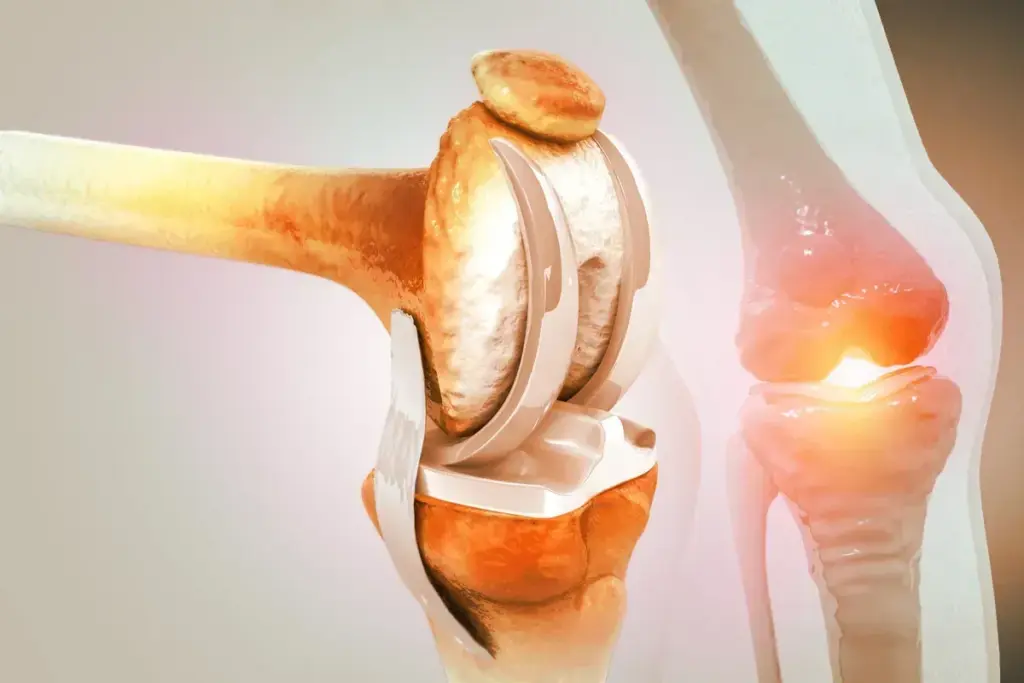
Total Knee Replacement, or arthroplasty, replaces damaged parts of the knee with artificial ones. It’s for those with severe arthritis or knee damage.
The surgery uses metal and plastic to cover the knee joint. This greatly reduces pain and improves how the knee works. It’s a top choice for severe arthritis, making life better for many.
ACL Reconstruction
ACL Reconstruction fixes or replaces a torn ACL with a new graft. It’s key for athletes and those with ACL tears to get their knee stable again.
The surgery uses a graft, often from the patient or a donor, to fix the ACL. Getting the knee strong again takes a lot of work after surgery.
Meniscectomy for Torn Meniscus
Meniscectomy removes the bad part of the meniscus to ease pain and help the knee move better. It’s often done with a small camera, making it less invasive.
The goal is to take out the torn part that hurts and limits movement. While it helps, keeping as much of the meniscus as possible is key to avoiding more problems later.
| Surgery Type | Purpose | Benefits |
| Arthroscopy | Diagnose and treat knee problems | Minimally invasive, quicker recovery |
| Total Knee Replacement | Replace damaged knee joint | Reduced pain, improved function |
| ACL Reconstruction | Repair or replace torn ACL | Restores knee stability, function |
| Meniscectomy | Remove damaged meniscus | Relieves pain, restores movement |
— Medical Expert, Orthopedic Surgeon
Conclusion: Selecting the Right Knee Surgery Option
Choosing the right knee surgery is key to getting the best results. It depends on many things like your age, how active you are, and how bad the damage is. Your overall health and what you want for your future mobility also matter.
Seeing an orthopedic specialist is important. They can help pick the best surgery for you. This could be arthroscopy, total knee replacement, or ACL reconstruction. Knowing these options helps you make a choice that fits your needs.
We want to help you feel confident about your next health step. We give you the info you need to choose wisely. Our aim is to improve your life quality through informed decisions.
FAQ
What are the most common types of knee surgeries?
Common knee surgeries include arthroscopy, total knee replacement, and ACL reconstruction. Meniscectomy, osteotomy, and cartilage restoration are also common. Ligament repair is another option for knee problems.
What is knee arthroscopy?
Knee arthroscopy is a small surgery to look at and fix knee problems. A camera and tools are used through tiny cuts. This helps see the joint and make repairs.
What is total knee replacement?
Total knee replacement is a surgery to replace the knee joint. It’s for severe arthritis or damage. An artificial joint is used to replace the old one.
What is ACL reconstruction?
ACL reconstruction fixes a torn ACL ligament. This ligament is key for knee stability. The surgery is often for athletes or those with ACL injuries.
What is meniscectomy?
Meniscectomy removes or fixes a torn meniscus. The meniscus is a cartilage in the knee. It’s needed for those with meniscal tears and pain.
How do I choose the right knee surgery option?
Choosing the right surgery depends on your knee problem, health, and lifestyle. Talk to an orthopedic specialist. They can help find the best treatment for you.
What can I expect after knee surgery?
After surgery, you’ll need to recover. This includes physical therapy and managing pain. Your recovery will depend on your surgery and needs.
Are there different types of knee replacement surgeries?
Yes, there are different knee replacements. These include total, partial, and revision knee replacements. The choice depends on your knee damage.
What are the benefits of minimally invasive knee surgery?
Minimally invasive surgery, like arthroscopy, has many benefits. It has smaller cuts, less damage, less pain, and faster healing. This is compared to traditional surgery.
References
National Center for Biotechnology Information. Evidence-Based Medical Insight. Retrieved from https://pmc.ncbi.nlm.nih.gov/articles/PMC10244911/