

Starting a pregnancy journey is filled with joy and some worry. We know your health is most important during this time. Many families around the world face pregnancy loss before 20 weeks.
It’s known that 10 to 20 percent of pregnancies end suddenly. Spotting the signs of miscarriage early is key for getting the right help. We focus on your well-being at every step.
You might notice physical changes or worry about your health. Our team at Liv Hospital is here to help. We guide you through these moments with confidence.
Understanding these warning signs is important. It helps you get the medical care you need fast. We aim to support you with compassion and advanced diagnostics.
Our goal is to make sure you feel informed and safe. We want you to have the best reproductive healthcare experience.
Key Takeaways
- Early pregnancy loss is defined as a loss occurring before the 20th week of gestation.
- Statistically, 10 to 20 percent of all known pregnancies may end unexpectedly.
- Recognizing physical warning signs is essential for accessing timely medical care and support.
- Many individuals experience spotting or discomfort without facing an actual loss.
- Liv Hospital offers advanced diagnostic capabilities for patients seeking expert guidance.
- Seeking professional medical advice immediately ensures both your physical health and peace of mind.
Understanding Early Miscarriage: What You Need to Know

Early miscarriage is a complex issue that affects many women. It’s important to know the causes and risk factors for those planning a pregnancy. We will explore the various factors that contribute to early miscarriage, providing insights into this sensitive topic.
Causes and Risk Factors of Early Miscarriage
Chromosomal abnormalities are a big reason for early miscarriage, causing about 50 percent of first-trimester losses. These abnormalities can lead to developmental issues that are not compatible with a viable pregnancy.
Several risk factors can increase the likelihood of early miscarriage. Advanced maternal age is one such factor; women over 35 years old are at a higher risk. Chronic diseases, such as diabetes, can also play a role, as can certain infections and lifestyle factors.
To better understand the risk factors associated with early miscarriage, let’s examine them in detail:
| Risk Factor | Description | Impact on Miscarriage Risk |
| Advanced Maternal Age | Women over 35 years old | Increased risk due to chromosomal abnormalities |
| Chronic Diseases | Conditions like diabetes and hypertension | May increase the risk due to associated health complications |
| Lifestyle Factors | Smoking, alcohol consumption, and obesity | Can contribute to an increased risk of miscarriage |
Understanding these causes and risk factors can help women and healthcare providers take proactive steps. This can help minimize risks and support those experiencing early miscarriage.
7 Early Miscarriage Symptoms Every Woman Should Recognize
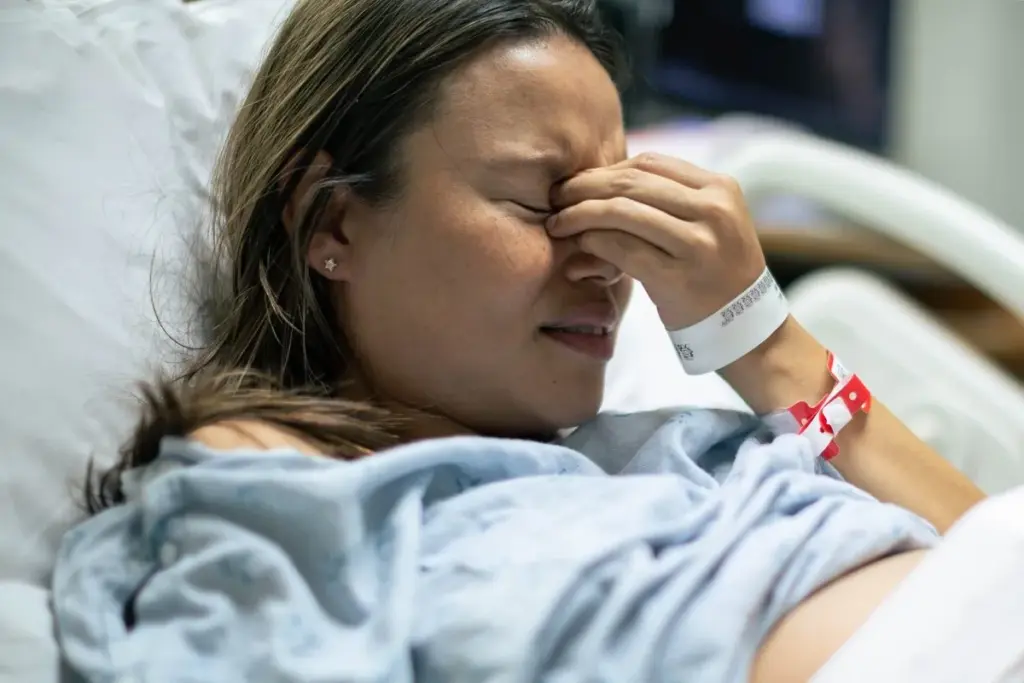
Knowing the signs of early miscarriage is key. Miscarriage happens often in early pregnancy. Spotting these symptoms early can help women get the care they need.
Vaginal Bleeding or Spotting
Vaginal bleeding or spotting is a common sign of early miscarriage. It can be light or heavy. Remember, not all bleeding means miscarriage, but it’s wise to check with a doctor.
Intense Cramping and Abdominal Pain
Cramping and abdominal pain are signs of possible miscarriage. These cramps can be worse than menstrual cramps. They may come and go and often come with other symptoms.
Severe Lower Back Pain
Severe lower back pain can signal early miscarriage. This pain can be ongoing and vary in strength. It’s a sign to see a doctor right away.
Sudden Decrease in Pregnancy Symptoms
A drop in pregnancy symptoms, like less nausea, might mean miscarriage. But, not all women experience this. The strength of pregnancy symptoms varies greatly.
Other signs include leg cramps and feeling very tired. These don’t always mean miscarriage. But, talking to a doctor is a good idea.
| Symptom | Description | Action |
| Vaginal Bleeding or Spotting | Ranges from light spotting to heavy bleeding | Consult a healthcare provider |
| Intense Cramping and Abdominal Pain | Similar to or more severe than menstrual cramps | Seek medical attention |
| Severe Lower Back Pain | Can be persistent and vary in intensity | Immediate medical evaluation |
| Sudden Decrease in Pregnancy Symptoms | Less nausea or breast tenderness | Discuss with a healthcare provider |
Conclusion
It’s key for women to know the signs of early miscarriage to get help fast. Look out for vaginal bleeding, intense cramping, and severe back pain. These signs might mean you’re having a miscarriage.
Not all bleeding or pain means miscarriage, but it’s important to watch for these signs. If you’re bleeding or in pain, see a doctor right away. Knowing what an early miscarriage looks like can help you feel better and get the care you need.
We stress the need to stay informed and watchful during pregnancy. If you notice anything odd, talk to a healthcare expert. They can offer advice and support.
FAQ
What are the first signs of miscarriage to watch for?
Look out for vaginal spotting or bleeding. It can be light brown or bright red. Also, watch for a sudden loss of morning sickness or breast tenderness. These could mean your hormone levels are changing.
Is backache a sign of miscarriage or a normal pregnancy symptom?
Mild back pain is normal as your body changes. But, severe or rhythmic pain could be a warning. If you have back pain and bleeding or fluid loss, it might be a sign of miscarriage.
How does early miscarriage look like physically?
Early miscarriage often means heavy bleeding with clots or tissue. It might look like a very heavy or late period. The look can change based on how far along you are.
Can we distinguish miscarriage fatigue from normal pregnancy exhaustion?
Pregnancy can make you tired, but miscarriage fatigue is different. It’s very deep and might make you feel like you’re not pregnant anymore. If you’re extremely tired and have back pain, see a doctor.
Should I be concerned about leg cramps in early pregnancy miscarriage?
Leg cramps are rare but can happen. They might be due to pelvic pressure or blood flow changes. If you have sharp pains from your abdomen to legs, tell your doctor.
How to know if you had an early miscarriage if symptoms were mild?
The best way to know is through a pelvic ultrasound or blood tests. These can check if you’re pregnant. We help women who had minor symptoms but needed to confirm their health.
Is weight loss early pregnancy sign of a possible complication?
Sudden weight loss can happen if hormone levels drop. It’s not a main sign but a reason to check further. If you stop feeling nauseous, it could be a sign too.
What should I do if I experience intense back pain miscarriage symptoms?
If you have severe back pain, get medical help right away. Our team at places like Johns Hopkins Medicine says early help is important. It helps with your physical and emotional health.
References
National Center for Biotechnology Information. Evidence-Based Medical Insight. Retrieved from https://pubmed.ncbi.nlm.nih.gov/21310252/



 Departments
 Related Videos
 Our Doctors
 News
News