



Keeping your health in check begins with being aware and taking action. About 23 percent of Americans have diabetes without knowing it. At Liv Hospital, we offer top-notch care to spot symptoms of blood sugar issues early, preventing serious problems.
Men often don’t visit doctors as often, making early detection key for them. Spotting small health changes is crucial for long-term health and energy. Our team is ready to help find these signs early, giving you the care you need.
Wondering how to know if i have sugar problems? Look out for constant tiredness or odd thirst. We’re here to help with advanced tests and tailored treatment plans. Acting quickly can greatly boost your life quality and health future.
Key Takeaways
- Nearly one-quarter of affected Americans remain undiagnosed and unaware of their condition.
- Early detection is vital to prevent long-term damage to the heart and kidneys.
- Men are statistically less likely to get regular screenings, increasing their health risks.
- Persistent exhaustion and increased thirst serve as common early warning indicators.
- Liv Hospital combines global medical standards with a compassionate, patient-centered approach.
- Timely medical intervention can effectively manage blood glucose and enhance daily well-being.
Recognizing the Early Diabetes Symptoms Signs
Diabetes often starts with small signs. Catching these early can lead to better health. It’s important to know these signs to act fast.
When diabetes starts, the body can’t use glucose well. This leads to high blood sugar. Recognizing these symptoms can help you get medical help sooner.
Frequent Urination and Excessive Thirst
One key sign of diabetes is needing to pee a lot, often at night. This is because the body is trying to get rid of extra glucose. This can make you feel very thirsty, even after drinking a lot.
Key points to watch out for include:
- Increased frequency of urination
- Needing to get up multiple times during the night to urinate
- Feeling thirsty all the time, no matter how much fluid is consumed
Unexplained Weight Loss and Increased Hunger
Another early sign is losing weight without changing how much you eat. This is because the body can’t use glucose for energy. So, it starts breaking down fat and muscle instead.
Feeling very hungry is also common. This is because the body’s cells need more glucose, making you feel like you’re always hungry.
Persistent Fatigue and Blurred Vision
Feeling tired all the time is a common symptom of undiagnosed diabetes. High blood sugar levels mean the body’s cells don’t get the energy they need.
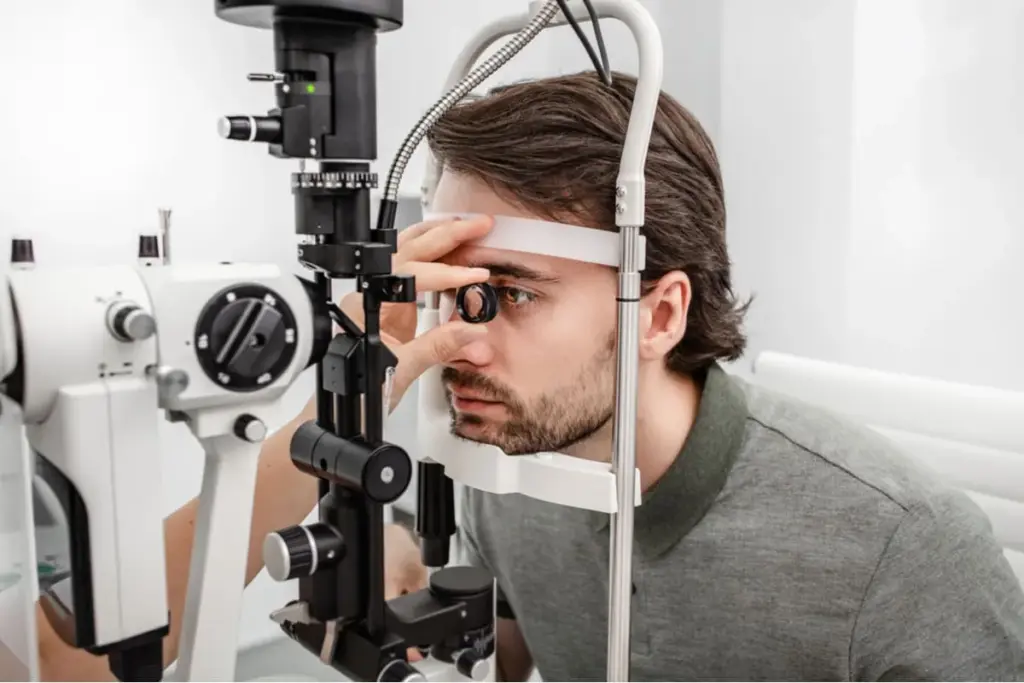
Blurred vision can also happen. High blood sugar can make the lens in the eye swell, making it hard to focus.
Other related symptoms include:
- Feeling weak or lacking energy
- Experiencing blurred vision or changes in vision
Slow-Healing Sores and Frequent Infections
Diabetes can make it hard for the body to heal wounds and fight off infections. High blood sugar levels can slow down healing and weaken the immune system. This can lead to slow-healing sores and more infections.
It’s essential to be aware of these signs and seek medical attention if they persist.
When to Seek Professional Medical Advice
If you notice signs of diabetes, it’s key to know when to see a doctor. Diabetes can come on fast, and some factors raise your risk.
Understanding How Quickly Diabetes Develops
Diabetes shows up differently in everyone. Type 1 diabetes can appear in weeks, while type 2 diabetes may take years.
Knowing how fast diabetes can come on is important. Things like family history, being overweight, and not moving much can up your risk.
Diagnostic Tests for Blood Sugar Issues
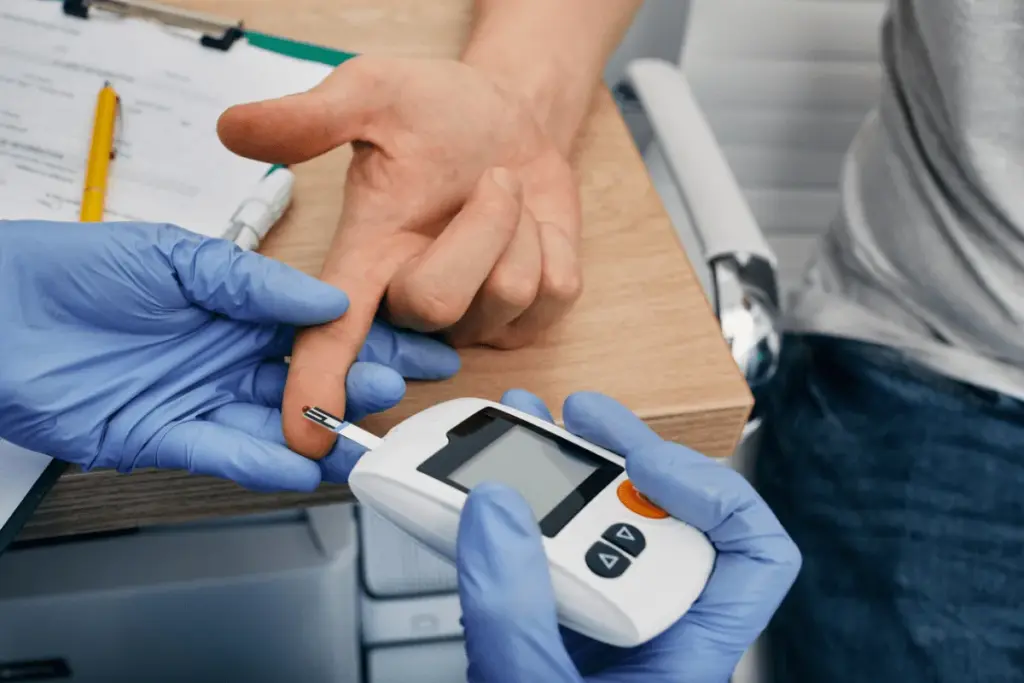
Tests are key to spotting blood sugar problems. You might get:
- Fasting Glucose Test
- HbA1c Test
- Oral Glucose Tolerance Test (OGTT)
| Test | Purpose | Indications |
| Fasting Glucose Test | Measures blood glucose after an overnight fast | Diagnoses diabetes and prediabetes |
| HbA1c Test | Measures average blood glucose over the past 2-3 months | Diagnoses diabetes and monitors glucose control |
| OGTT | Measures blood glucose after consuming a sugary drink | Diagnoses gestational diabetes and impaired glucose tolerance |
Risk Factors for Adults and Young Adults
Some things make you more likely to get diabetes. These include:
- Family history of diabetes
- Obesity and physical inactivity
- Age (45 or older)
- History of gestational diabetes or delivering a baby over 4 kg
Knowing these risk factors helps you take steps to prevent diabetes. If you notice symptoms, get medical advice right away.
Conclusion
Knowing if you have diabetes is key for early treatment and management. Diabetes signs and symptoms can appear quickly. It’s important to spot them early.
By understanding the signs of diabetes, like frequent urination and thirst, you can get help fast. This includes symptoms of high blood sugar and unexplained weight loss.
Recognizing diabetes signs and symptoms is critical. Diabetes can develop fast. Being proactive about your health is essential.
If you notice any risk factors or symptoms, see a doctor right away. This is the first step to managing your diabetes and improving your life.
Being aware of sugar symptoms early can greatly help in managing diabetes. Stay alert to your health and see a doctor if you notice any diabetes symptoms.
FAQ
What are the primary signs and symptoms of sugar diabetes?
Excessive thirst, frequent urination, unexplained weight loss, fatigue, and blurred vision are common early signs.
How do I know if I have diabetes or just temporary fatigue?
Persistent fatigue with frequent urination and thirst suggests diabetes rather than normal tiredness.
Are the early symptoms of diabetes in men different from those in women?
Men and women share most early symptoms, but women may also notice yeast infections or irregular periods.
How quickly can diabetes develop in a healthy adult?
Type 2 diabetes often develops gradually over years, while type 1 can appear suddenly within weeks.
What are the typical diabetes in young adults symptoms?
Frequent urination, increased thirst, sudden weight loss, fatigue, and blurred vision are common in young adults.
What is diabetes symptoms signs that I should never ignore?
Extreme thirst, frequent urination, unexplained weight loss, slow-healing wounds, and vision changes require immediate attention.
How to know if I have sugar problems without a home kit?
Persistent thirst, urination, fatigue, blurred vision, and unexplained infections may indicate blood sugar issues.
Are the symptoms of type 1 and type 2 diabetes the same?
Many symptoms overlap, but type 1 develops rapidly and type 2 usually appears gradually.
References
National Institutes of Health. Evidence-Based Medical Insight. Retrieved from https://www.niddk.nih.gov/health-information/diabetes/overview/symptoms-causes


 Departments
 Related Videos
 Our Doctors
 News
News


