Getting a diagnosis of basal cell carcinoma can feel scary. But knowing your treatment options is key to feeling better and getting the best results. At Liv Hospital, we focus on you and use the newest, most effective treatments.
Basal cell carcinoma (BCC) is the most common skin cancer. Quick action and modern treatments mean it’s usually curable. You can choose from surgery, Mohs surgery, and creams, among others.
Key Takeaways
- Understanding the different treatment options for basal cell carcinoma is important for making good choices.
- There are many treatments, like surgery, radiotherapy, and creams.
- Liv Hospital puts patients first and offers the latest treatments.
- Acting fast can greatly improve your chances of beating BCC.
- Getting care that’s tailored to you is essential for treating basal cell carcinoma well.
Understanding Basal Cell Carcinoma
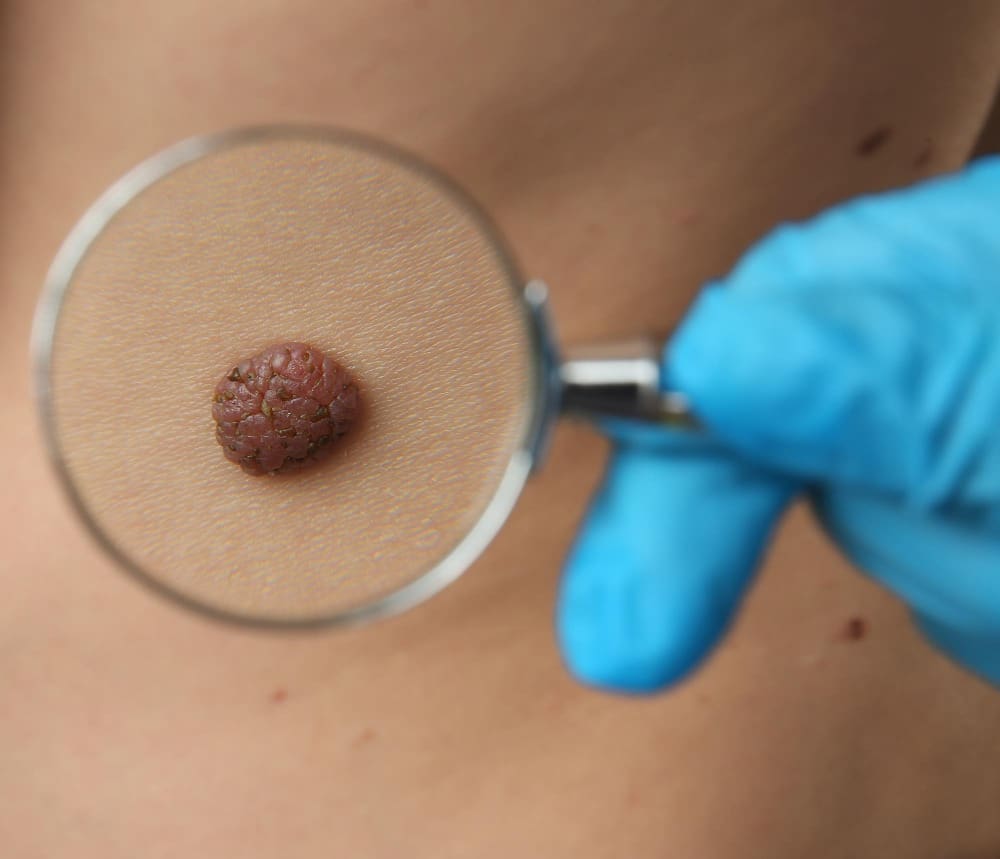
Learning about basal cell carcinoma is important for finding the right treatment and getting better. This type of skin cancer starts in the basal cell layer of the skin. It’s the most common skin cancer and often happens because of UV radiation.
What is Basal Cell Carcinoma?
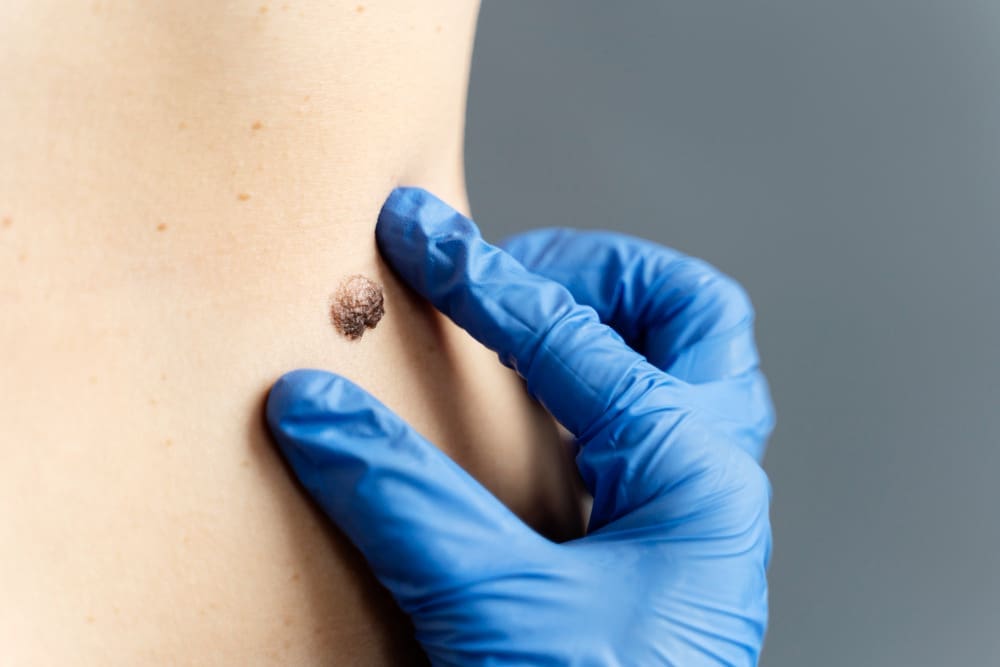
Basal cell carcinoma (BCC) is a skin cancer that starts in the basal cells. These cells are in the skin’s lowest layer. It grows abnormally and can spread if not treated. BCC grows slowly and rarely spreads, but it can damage the skin if not treated.
Studies show that catching BCC early and treating it quickly leads to better results. This highlights the need to understand this condition well.
Common Causes and Risk Factors
Many things can lead to basal cell carcinoma. The main risk factors are:
- Prolonged exposure to UV radiation from the sun or tanning beds
- Fair skin that burns easily
- History of sunburns, mostly in childhood
- Family history of skin cancer
- Previous radiation therapy
- Exposure to certain chemicals like arsenic
Knowing these risk factors helps prevent and catch BCC early. People at risk should watch their skin closely for signs of BCC.
Signs and Symptoms to Watch For
Basal cell carcinoma can show up in different ways. It’s important to know the common signs and symptoms. These include:
- New growths or sores on the skin that don’t heal
- Changes in existing moles or lesions
- Shiny, pearly, or translucent bumps
- Pink or red patches on the skin
- Open sores that bleed or ooze
Knowing these signs can help catch BCC early and treat it effectively. If you see any unusual skin changes, see a dermatologist right away.
The Importance of Early Detection and Treatment
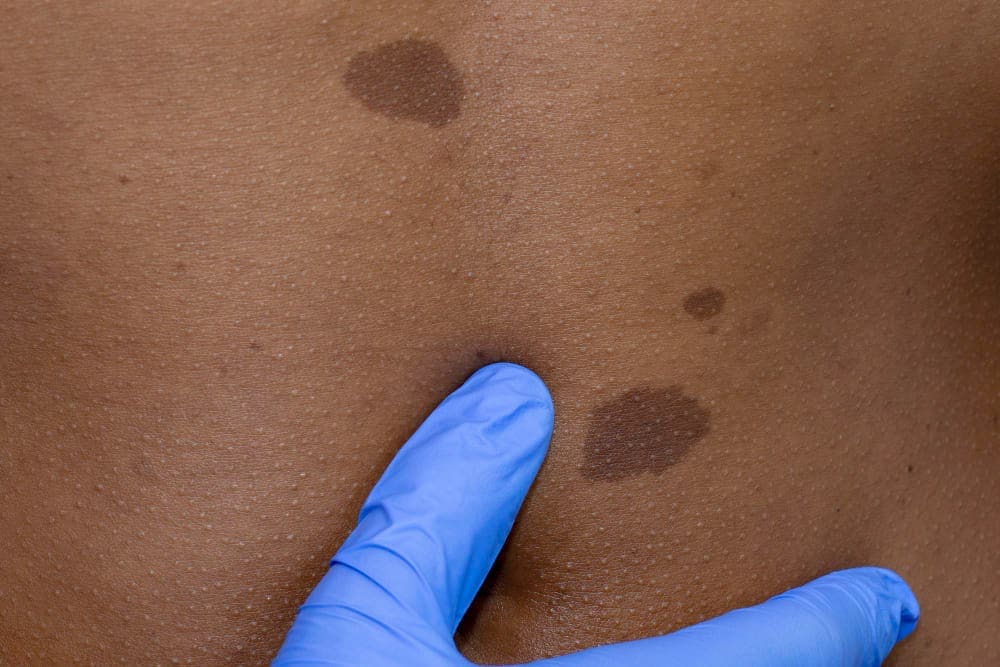
Early detection and treatment are key to treating basal cell carcinoma effectively. Spotting and treating this condition early can greatly improve patient results.
Basal cell carcinoma is very treatable if caught early. Research shows early detection and treatment boost cure rates for this disease. Modern treatments are highly effective, making it vital for patients to know the signs.
High Curability with Prompt Intervention
Quick action is essential in managing basal cell carcinoma. Early treatment stops the tumor from growing and spreading. This not only raises cure rates but also lowers the chance of complications.
Early treatments are often less invasive and work better, leading to better looks for patients. Treating basal cell carcinoma early can greatly improve life quality for those affected.
Potential Complications of Untreated BCC
Ignoring basal cell carcinoma can lead to serious problems. Untreated BCC can cause disfigurement and, rarely, spread to other parts of the body. It’s important for patients to see a doctor if they notice any unusual skin changes.
The risks of not treating basal cell carcinoma are serious. Timely treatment can avoid these issues and improve results.
Surgical Excision: The Traditional Approach
The traditional way to treat basal cell carcinoma is surgical excision. This method removes cancerous cells. It’s been used for years because it’s effective in removing the tumor and some healthy tissue too. This helps lower the chance of the cancer coming back.
How Standard Excision Works
Standard excision removes the basal cell carcinoma tumor and some healthy tissue around it. This is done under local anesthesia to make it less painful. The surgeon checks the tumor’s edges to make sure all cancer cells are gone.
The tissue removed is then checked by a pathologist. They make sure there are no cancer cells left. This is key to making sure the tumor is fully removed and won’t come back.
Success Rates and Recovery Timeline
Surgical excision works well for basal cell carcinoma, with cure rates of 90% to 95% for first-time tumors. How long it takes to recover depends on the tumor’s size, location, and the patient’s health.
Patients usually heal in a few weeks. The surgeon will give specific care instructions to help with healing and reduce scarring. It’s important to follow these instructions to heal well.
Best Candidates for Surgical Excision
Surgical excision is best for patients with well-defined, primary basal cell carcinomas that are not too big. It’s also good for tumors in areas where keeping tissue is not a big deal.
Patients with certain health issues or taking certain medicines need careful checking before surgery. Our medical team looks at each patient’s health and tumor details to decide if surgery is the best choice.
Mohs Micrographic Surgery: Precision Treatment
For those with basal cell carcinoma, Mohs micrographic surgery is a top choice. It’s great for tumors on the face or in risky spots. This method is precise and has high success rates, keeping your looks intact.
The Step-by-Step Mohs Procedure
Mohs surgery removes the tumor layer by layer. Each layer is checked under a microscope until all cancer is gone. This way, the tumor is removed, and healthy tissue is saved.
First, the area is numbed with local anesthesia. Then, the tumor is taken out. A map is made to find any cancer cells left.
99% Cure Rate for Facial and High-Risk BCCs
Mohs surgery is very effective, with a 99% cure rate for face and high-risk tumors. It’s a great choice for BCC on the nose treatment and other tricky spots.
Cosmetic Outcomes and Tissue Preservation
Mohs surgery is not just about removing cancer. It also focuses on keeping your skin looking good. It saves healthy tissue, reducing scars and promoting healing. This is key for areas you want to look natural.
Recovery Process After Mohs Surgery
Recovering from Mohs surgery is usually easy. You might feel some pain, swelling, or bruising, but it’s short-lived. We give you clear instructions to help you heal well.
Choosing Mohs surgery means you get a treatment that works well and looks good. We aim to give our patients the best care, and Mohs surgery is a big part of that.
Radiation Therapy for Basal Cell Carcinoma Treatment
When surgery isn’t an option, radiation therapy is key for basal cell carcinoma treatment. It targets and destroys cancer cells. This is true for tumors that can’t be removed or are in sensitive areas.
How Radiation Targets Cancer Cells
Radiation therapy sends high-energy rays to the tumor. These rays damage the DNA of cancer cells, stopping them from growing. This method helps keep healthy tissue safe.
Key aspects of radiation therapy include:
- High precision in targeting tumor cells
- Minimal damage to surrounding healthy tissue
- Effective for tumors in sensitive or hard-to-reach areas
78% Control Rate in Advanced and Inoperable Cases
Research shows radiation therapy is very effective for advanced and inoperable basal cell carcinoma. About 78% of patients see their tumors controlled successfully.
| Treatment Outcome | Percentage of Patients |
|---|---|
| Successful Tumor Control | 78% |
| Partial Response | 12% |
| No Response | 10% |
Treatment Schedule and What to Expect
The treatment schedule for radiation therapy depends on the tumor’s size and location. Patients usually get treated 5 days a week for weeks. We help them know what to expect during and after treatment.
During treatment: Patients might feel mild side effects like redness or irritation at the treatment site.
After treatment: Side effects usually go away in a few weeks. Most patients can get back to normal activities soon after.
Side Effects and Long-Term Considerations
Radiation therapy is usually well-tolerated, but it can cause fatigue, skin changes, and hair loss in the treated area. Long-term, there might be changes in skin pigmentation and a small risk of secondary cancers, though rare.
We watch our patients closely during and after radiation therapy. This helps manage side effects and ensures the best results.
Topical Medications: Imiquimod and 5-Fluorouracil
Topical medications like imiquimod and 5-fluorouracil are big steps forward in treating basal cell carcinoma. They are non-invasive, meaning you might not need surgery. This is a big plus for many people.
How Immune Response Modifiers Work
Imiquimod boosts your immune system to fight cancer cells. It makes your body produce interferon and other cytokines. This helps get rid of tumor cells. A study found imiquimod is very effective against superficial basal cell carcinoma by boosting your immune system.
85% Clearance Rate for Superficial BCC
Topical treatments like imiquimod and 5-fluorouracil work well for superficial basal cell carcinoma. They have shown an 85% clearance rate in clinical trials. This makes them a top choice for many patients.
Application Protocol and Duration
Using imiquimod involves applying the cream once a day, before bed, for 6 weeks. It’s important to stick to the treatment plan given by your doctor. This way, you get the best results and avoid side effects. Following the treatment schedule is essential for success.
Managing Side Effects During Treatment
Topical treatments are usually safe but can cause side effects like redness and itching. To handle these, use moisturizers and avoid harsh soaps. Sometimes, you might need to adjust how often you apply the treatment. We help our patients manage any side effects, so they can keep up with their treatment.
Photodynamic Therapy (PDT): Light-Activated Treatment
PDT is a top choice for treating superficial BCC. It’s non-invasive and offers great results. It uses a special light-sensitive drug and light to kill cancer cells.
The Two-Step PDT Process
The PDT process is simple and has two main steps. First, a light-sensitive drug is applied to the area. This drug makes the cancer cells light-sensitive.
Then, after a few hours, the area is exposed to a specific light. This light activates the drug, creating oxygen that kills the cancer cells.
88% Tumor-Free Survival for Superficial BCC
Studies show PDT works well for superficial BCC, with an 88% success rate. This makes it a great option for those with superficial lesions. It’s a non-invasive alternative to surgery.
Superior Cosmetic Results
PDT is known for its excellent cosmetic results. It’s non-invasive and only targets cancer cells. This means it preserves healthy tissue, leading to less scarring and better looks.
Patients undergoing PDT can expect:
- Minimal discomfort during the procedure
- Redness and sensitivity post-treatment, which typically resolve within a few days
- Excellent cosmetic results, with minimal scarring
Limitations and Contraindications
While PDT is effective for superficial BCC, it’s not for everyone. It doesn’t work as well for thicker or more invasive tumors. Also, some medical conditions or medications can make PDT not suitable.
It’s key for patients to talk to their doctor. They need to see if PDT is the best choice for their situation.
Cryotherapy: Freezing Cancer Cells
Cryotherapy is a promising treatment for basal cell carcinoma. It uses liquid nitrogen to freeze and kill cancer cells. This method works best for small, well-defined tumors.
The Liquid Nitrogen Procedure
Cryotherapy applies liquid nitrogen directly to the tumor. The cold kills the cancer cells, which then fall off. It’s a quick method that can be done in a clinic with little prep.
Effectiveness for Small, Well-Defined BCCs
Cryotherapy works best for small basal cell carcinomas that are easy to define. It has a high success rate for tumors of the right size and location. Research shows it can clear these tumors effectively.
| Tumor Size | Clearance Rate | Recurrence Rate |
|---|---|---|
| Less than 1 cm | 85% | 5% |
| 1-2 cm | 75% | 10% |
Recovery Timeline and Wound Care
After treatment, the area may blister and scab before healing. We guide patients on wound care to avoid infection and speed healing. Healing usually takes a few weeks.
Potential Scarring and Pigmentation Changes
Cryotherapy is usually safe but can cause scarring and skin color changes. We talk about these risks with patients to set realistic expectations. Sometimes, the cosmetic results are great, with little scarring.
Understanding cryotherapy’s benefits and risks helps patients choose the right treatment. We aim to provide full care and support during treatment.
Emerging and Alternative Treatments
We are seeing big changes in how we treat basal cell carcinoma. New therapies are being developed to fight this common skin cancer better. These new treatments might work better and cause fewer side effects.
Targeted Drug Therapies
Vismodegib and Sonidegib are showing great promise in treating advanced basal cell carcinoma. They block the Hedgehog signaling pathway, which is often broken in BCC. Studies have shown they can shrink tumors and help patients more.
Targeted therapies are a big step forward for basal cell carcinoma treatment. They target cancer cells directly, which can mean less damage to healthy tissues. This could lead to fewer side effects than older treatments.
Laser Therapy Applications
Laser therapy is another new way to treat basal cell carcinoma. It uses intense light to kill cancer cells. It’s great for shallow BCCs or for those who can’t have surgery.
Laser therapy is precise and can save healthy tissue. But, it works best for certain types of tumors. Researchers are working to make it even better.
Clinical Trials and Future Directions
Clinical trials are key to finding better treatments for basal cell carcinoma. Researchers are looking at new drugs, immunotherapies, and ways to combine treatments. They want to make treatments more effective and safer for patients.
The future of treating basal cell carcinoma looks bright. We’ll have more options that can be chosen based on each patient’s needs. This is thanks to ongoing and future clinical trials.
Choosing the Right Treatment Approach
Finding the best way to treat basal cell carcinoma depends on many factors. We look at each case carefully to choose the right treatment.
Tumor Location, Size, and Subtype Considerations
The place, size, and type of basal cell carcinoma tumor matter a lot. For example, tumors in areas you want to look good in might need special treatments. Mohs micrographic surgery is often used for this.
Tumor size also plays a big role. Bigger tumors might need stronger treatments like surgery or radiation. The type of basal cell carcinoma affects treatment too. This is because different types grow and act differently.
Patient-Specific Factors (Age, Health Status)
Age and health status are important when picking a treatment. Older people or those with health issues might do better with treatments like creams or radiation. These options are often easier on the body.
A study found that older patients often get treatments that are less harsh. This is because they might not handle stronger treatments as well.
“The goal is to provide effective treatment while minimizing the impact on the patient’s quality of life.”
Balancing Cure Rates with Cosmetic Outcomes
It’s hard to treat basal cell carcinoma without affecting how it looks. Mohs surgery is good because it works well and doesn’t harm the skin as much.
- Mohs surgery for tumors in cosmetically sensitive areas
- Radiation therapy for larger or more complex tumors
- Topical treatments for superficial basal cell carcinomas
The Multidisciplinary Treatment Team
A team of doctors is key to finding the right treatment. This team includes dermatologists, surgeons, and radiation oncologists. They work together to make a plan that works for each patient.
Together, they make sure patients get the best care. This care looks at both the health and appearance of the patient.
Conclusion
Comprehensive care for basal cell carcinoma includes many effective treatments. These treatments offer high cure rates and care that’s tailored to each patient. We’ve looked at options like surgical excision, Mohs micrographic surgery, and radiation therapy.
We’ve also discussed topical medications, photodynamic therapy, and cryotherapy. Plus, we’ve touched on new treatments.
Patients can make better choices about their care by knowing the different treatments. A team of experts works together. They make sure patients get care that fits their needs.
We aim to help patients get the best results and avoid complications. Our goal is to offer top-notch healthcare to international patients. They come for advanced treatments for basal cell carcinoma.
Choosing the right treatment is key to effective care. It helps patients live well and lowers the chance of the cancer coming back.
FAQ
What is the treatment for basal cell carcinoma?
Treatment for basal cell carcinoma varies. It depends on the tumor’s size, location, and type. It also depends on the patient’s health. Options include surgery, Mohs surgery, radiation, topical treatments, photodynamic therapy, and cryotherapy.
Is basal cell carcinoma curable?
Yes, basal cell carcinoma is very curable. Early detection and treatment are key. The cure rate depends on the treatment and the tumor’s characteristics.
What are the common treatments for basal cell carcinoma on the nose?
For nose tumors, Mohs surgery, surgical excision, and radiation therapy are common. They have high cure rates and help save tissue.
How effective is Mohs surgery for basal cell carcinoma?
Mohs surgery is very effective, with a cure rate of up to 99%. It’s best for face tumors or high-risk areas.
What are the side effects of radiation therapy for basal cell carcinoma?
Radiation therapy can cause skin changes, fatigue, and scarring. It may also change skin color over time.
Can topical medications treat basal cell carcinoma?
Yes, topical treatments like imiquimod and 5-fluorouracil can treat superficial tumors. They have a clearance rate of up to 85%.
How does photodynamic therapy work for basal cell carcinoma?
Photodynamic therapy uses a light-sensitive drug and light to kill cancer cells. It has high success rates in treating tumors.
Is cryotherapy effective for treating basal cell carcinoma?
Cryotherapy works well for small, defined tumors. It freezes and kills cancer cells using liquid nitrogen.
What are emerging treatments for basal cell carcinoma?
New treatments include targeted drugs like vismodegib and sonidegib. Laser therapy is also being explored for better results and fewer side effects.
How is the right treatment approach chosen for basal cell carcinoma?
Choosing the right treatment involves many factors. These include tumor details and patient health. A team approach balances treatment success with cosmetic results.
What is the role of a multidisciplinary team in treating basal cell carcinoma?
A multidisciplinary team is key. They make informed treatment decisions. They balance treatment success with cosmetic outcomes for better care.
FAQ
What is the treatment for basal cell carcinoma?
Treatment for basal cell carcinoma varies. It depends on the tumor’s size, location, and type. It also depends on the patient’s health. Options include surgery, Mohs surgery, radiation, topical treatments, photodynamic therapy, and cryotherapy.
Is basal cell carcinoma curable?
Yes, basal cell carcinoma is very curable. Early detection and treatment are key. The cure rate depends on the treatment and the tumor’s characteristics.
What are the common treatments for basal cell carcinoma on the nose?
For nose tumors, Mohs surgery, surgical excision, and radiation therapy are common. They have high cure rates and help save tissue.
How effective is Mohs surgery for basal cell carcinoma?
Mohs surgery is very effective, with a cure rate of up to 99%. It’s best for face tumors or high-risk areas.
What are the side effects of radiation therapy for basal cell carcinoma?
Radiation therapy can cause skin changes, fatigue, and scarring. It may also change skin color over time.
Can topical medications treat basal cell carcinoma?
Yes, topical treatments like imiquimod and 5-fluorouracil can treat superficial tumors. They have a clearance rate of up to 85%.
How does photodynamic therapy work for basal cell carcinoma?
Photodynamic therapy uses a light-sensitive drug and light to kill cancer cells. It has high success rates in treating tumors.
Is cryotherapy effective for treating basal cell carcinoma?
Cryotherapy works well for small, defined tumors. It freezes and kills cancer cells using liquid nitrogen.
What are emerging treatments for basal cell carcinoma?
New treatments include targeted drugs like vismodegib and sonidegib. Laser therapy is also being explored for better results and fewer side effects.
How is the right treatment approach chosen for basal cell carcinoma?
Choosing the right treatment involves many factors. These include tumor details and patient health. A team approach balances treatment success with cosmetic results.
What is the role of a multidisciplinary team in treating basal cell carcinoma?
A multidisciplinary team is key. They make informed treatment decisions. They balance treatment success with cosmetic outcomes for better care.
References
American Cancer Society. Study Finds Antioxidants Risky During Breast Cancer Chemotherapy. https://www.cancer.org/cancer/latest-news/study-finds-antioxidants-risky-during-breast-cancer-chemotherapy.html
BJMO. Nutritional supplements possibly counteract chemotherapy. https://www.bjmo.be/nutritional-supplements-possibly-counteract-chemotherapy/
Facing Our Risk of Cancer Empowered (FORCE). Dietary Supplements May Be Harmful During Chemotherapy. https://www.facingourrisk.org/XRAY/dietary-supplements-may-be-harmful-during-chemotherapy
National Center for Biotechnology Information (NCBI). A review of basal cell carcinoma. https://pmc.ncbi.nlm.nih.gov/articles/PMC4928477/
National Center for Biotechnology Information (NCBI). Basal cell carcinoma: a review. https://pmc.ncbi.nlm.nih.gov/articles/PMC3135095/